
Affiliation: Leiden University, The Netherlands
Keywords: Greek history, religion, material culture and epigraphy; Athenian democracy; ancient environmental and urban history; historical anthropology
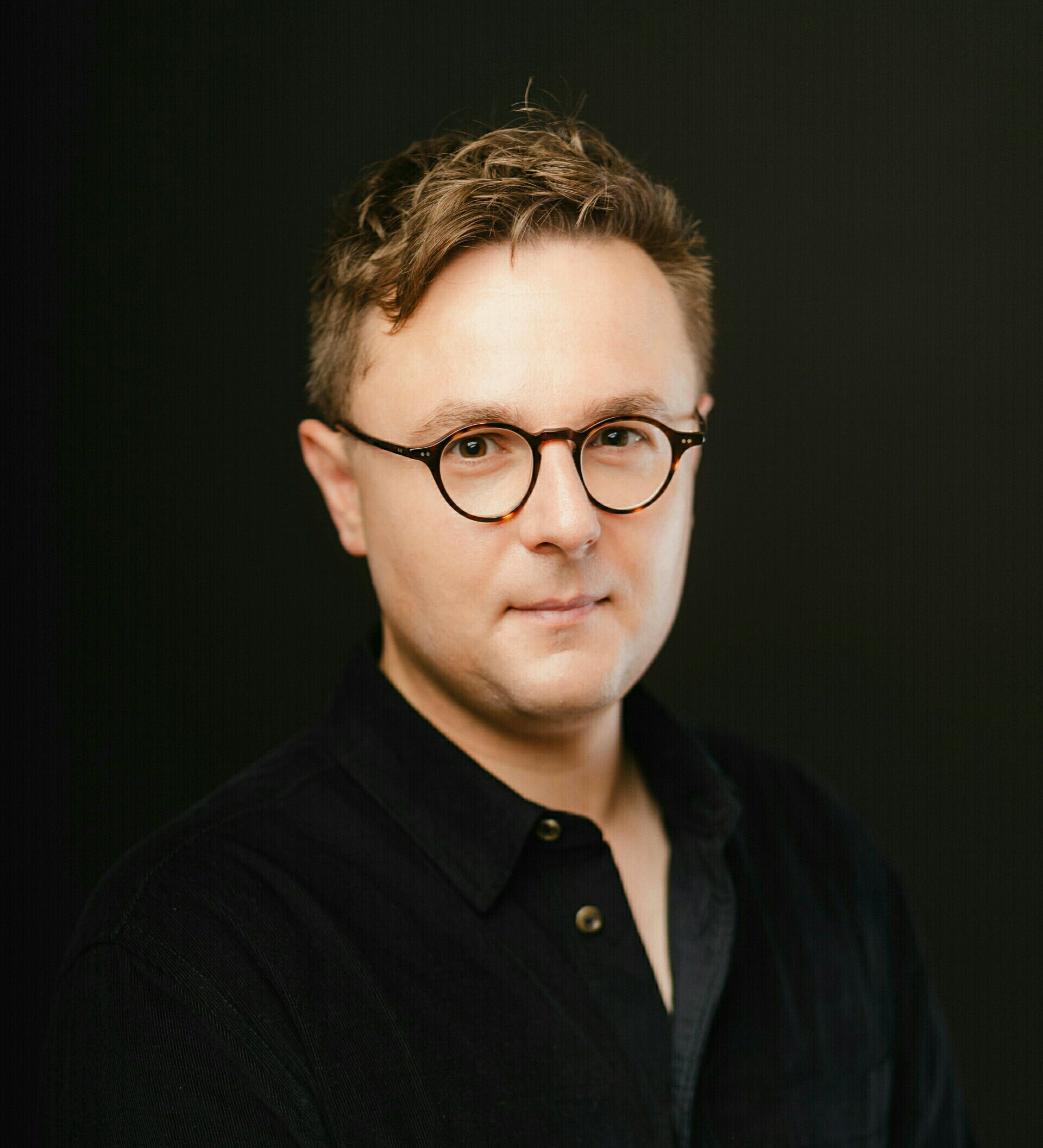
Full profile: In 2006, while studying at a vocational high school with a focus on economics, Rafał Matuszewski won first prize in the 32nd Polish History Olympiad; he then obtained a professional qualification in economics, and began his academic journey in the field of Humanities. Trained as a historian, classical philologist and archaeologist in Poland, Germany and France, he received his PhD in Ancient History from the University of Heidelberg in 2017. Prior to joining the faculty at Leiden University in 2023, he held a Junior Fellowship at the Walter Benjamin Kolleg of the University of Bern (Switzerland) and was assistant professor at the University of Salzburg (Austria) from 2017 until 2023.
His research has been funded by, among others, the National Science Centre, the Polish-American Freedom Foundation, the Herbert Quandt Foundation, the DAAD and the State of Baden-Württemberg, the Fondation Hardt (Switzerland), the French Government, the Austrian Research Foundation (ÖFG) and the Royal Dutch Academy of Arts and Sciences (KNAW). In 2019, he was appointed Sterling Dow Fellow in Greek Epigraphy and History at The Ohio State University, and in 2024, he was named Stanley J. Seeger Visiting Research Fellow in Hellenic Studies at Princeton University. In 2022 he was awarded the 2022 Paul Rehak Prize in recognition of his research achievements in the field of ancient sexualities.
Rafał’s main areas of research include Greek social and cultural history, Greek and Roman religion and the history of mentalities, ancient medicine, environmental humanities, historical anthropology, Greek epigraphy and material culture. Generally, he is interested in people, as are all historians, but unlike many, he is also equally preoccupied with objects, spaces, and nature. His first book, Eros and sophrosyne (2011), focused on the ideals and reality of classical Greek homosexuality.
His second, Räume der Reputation (2019), explored spaces, norms, and conventions of everyday interactions in fourth-century Athens. Along the way, he has (co-)edited a few collective volumes, including the most recent on Being Alone in Antiquity (2021) and the forthcoming A Cultural History of Sleep and Dreaming in Antiquity (2026) and Moribund Bodies (2026). In his research work, he often tackles issues that currently affect our planet, are socially relevant and of broad public interest, such as the problem of loneliness and social isolation, adolescence and sexual maturity or the phenomenon of sleep and dreams in a historical and transcultural perspective.