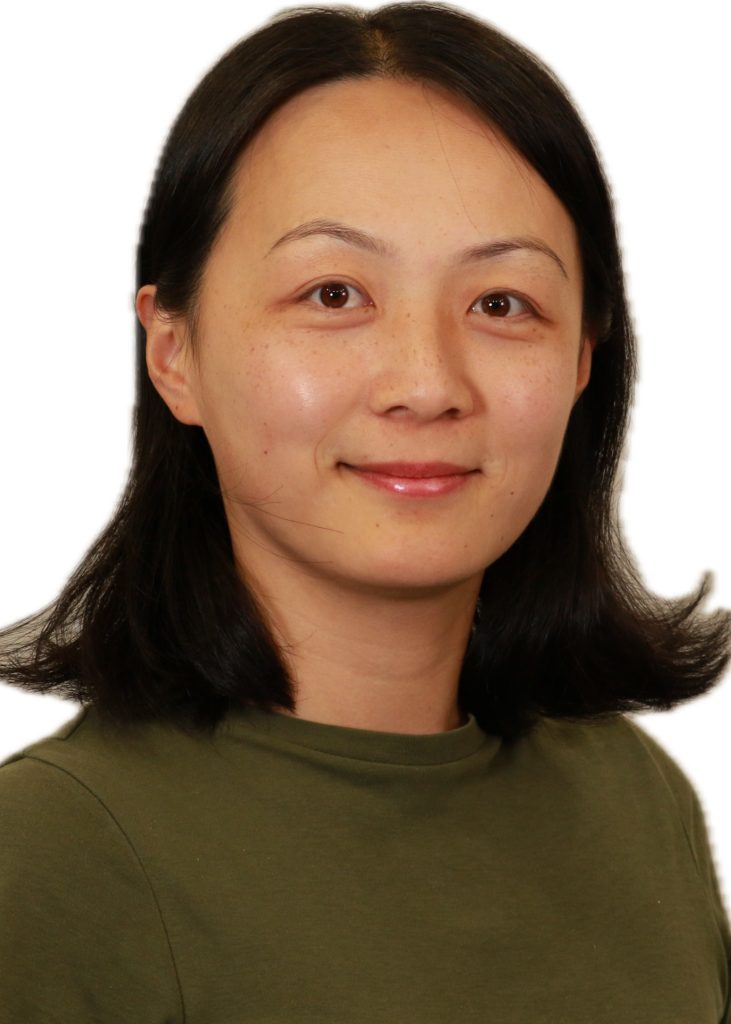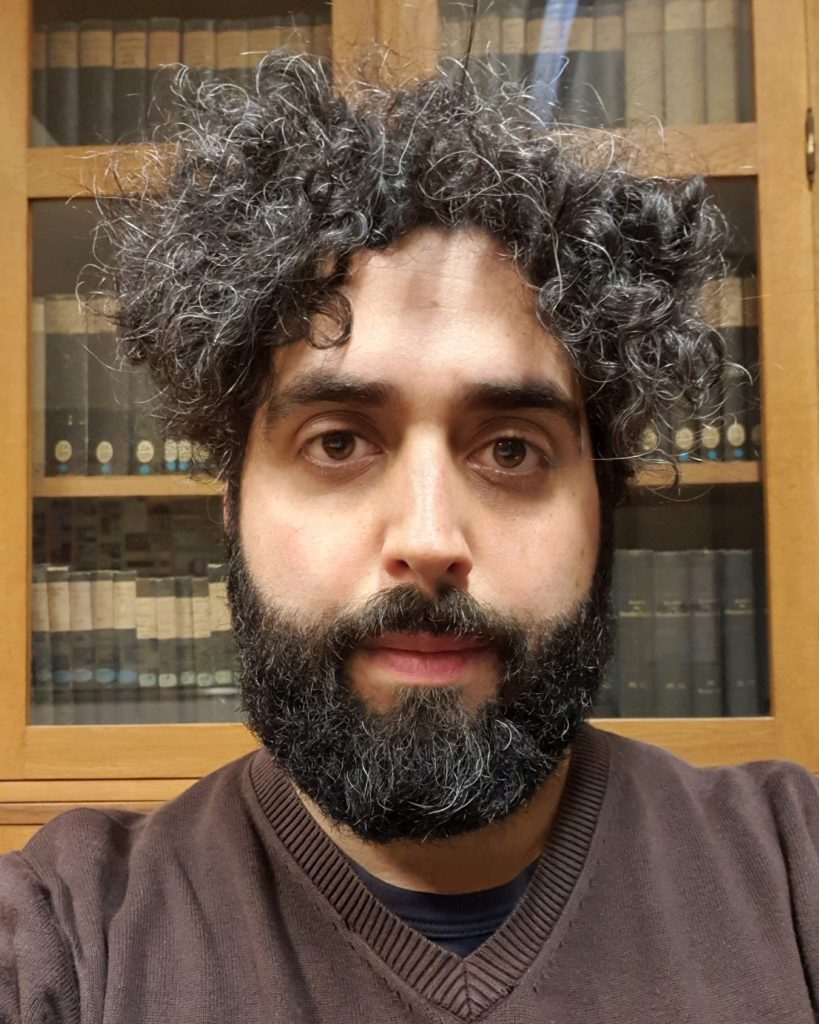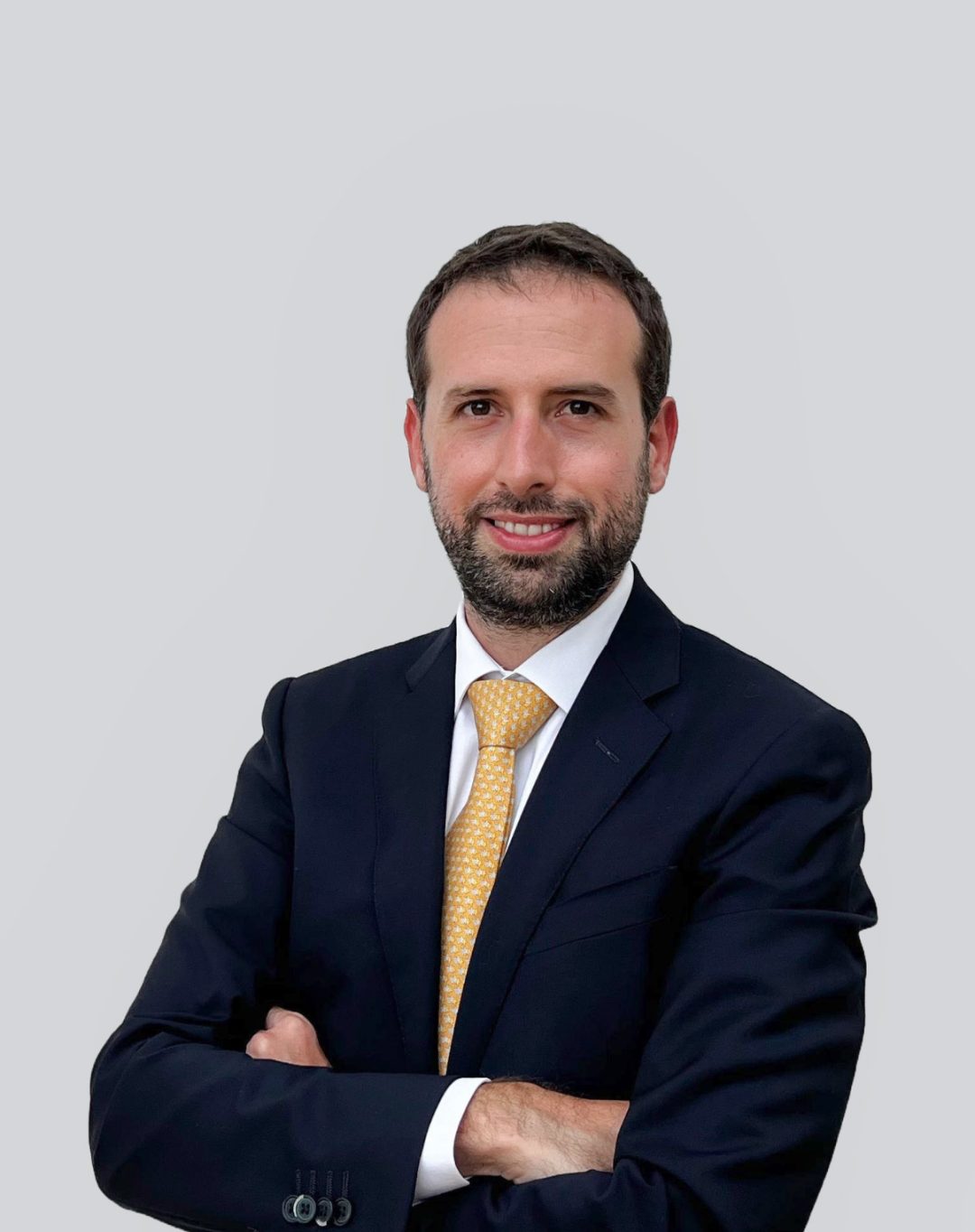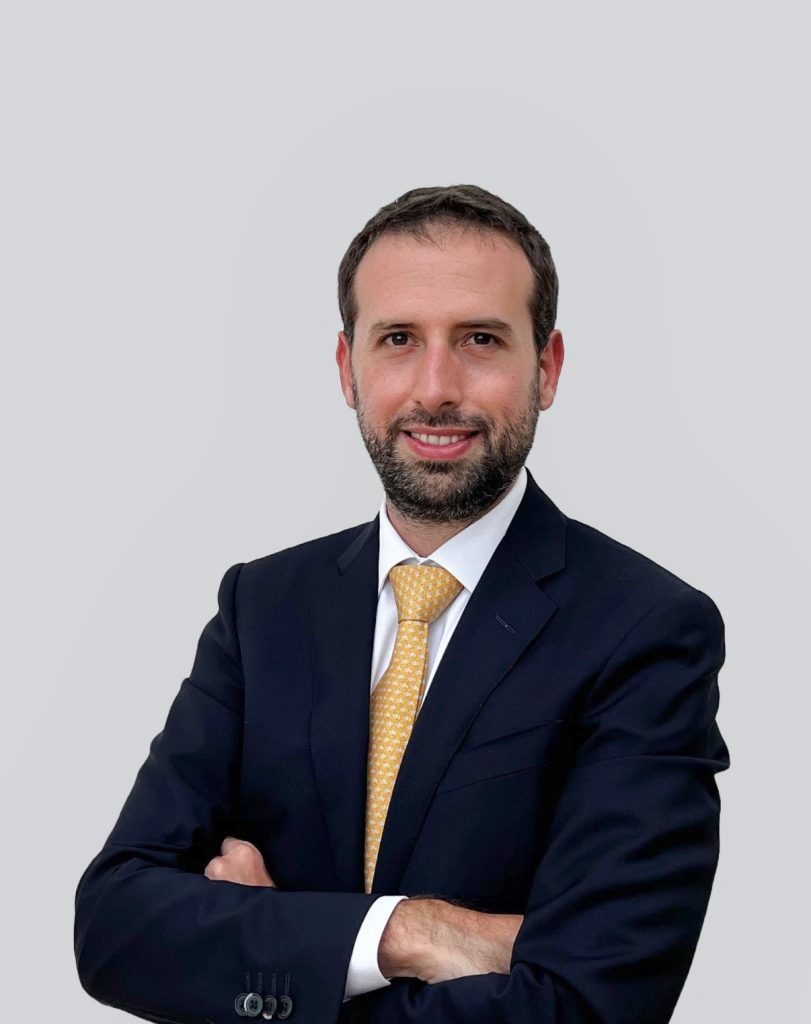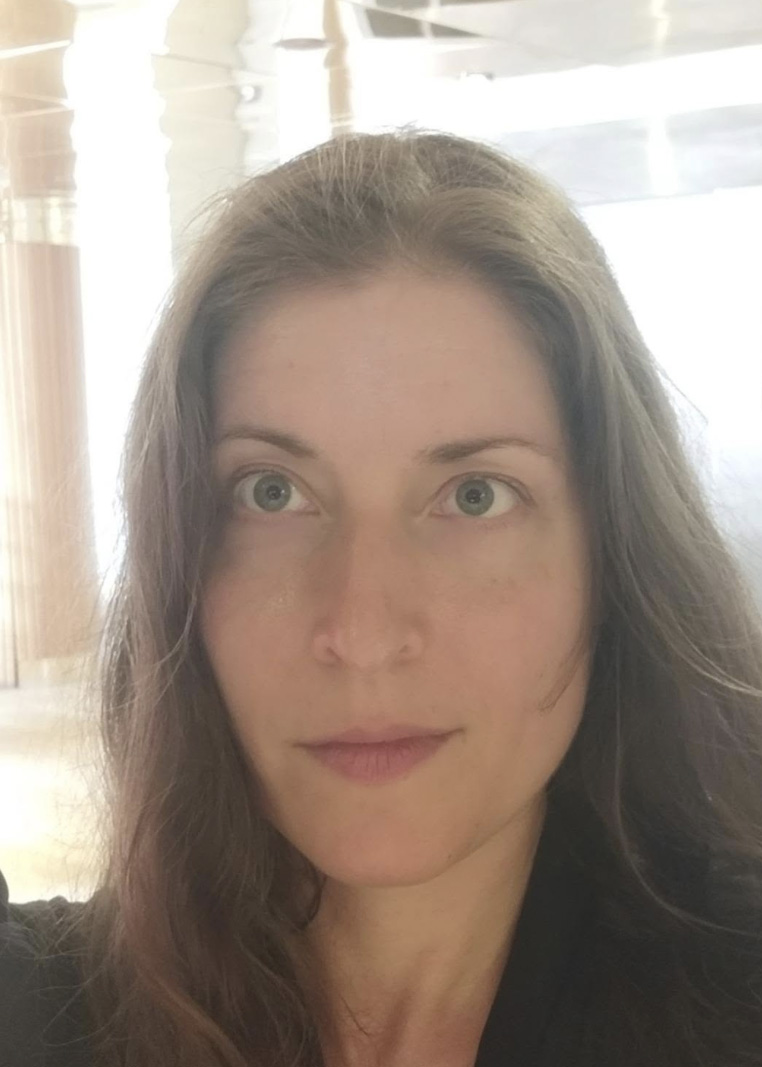
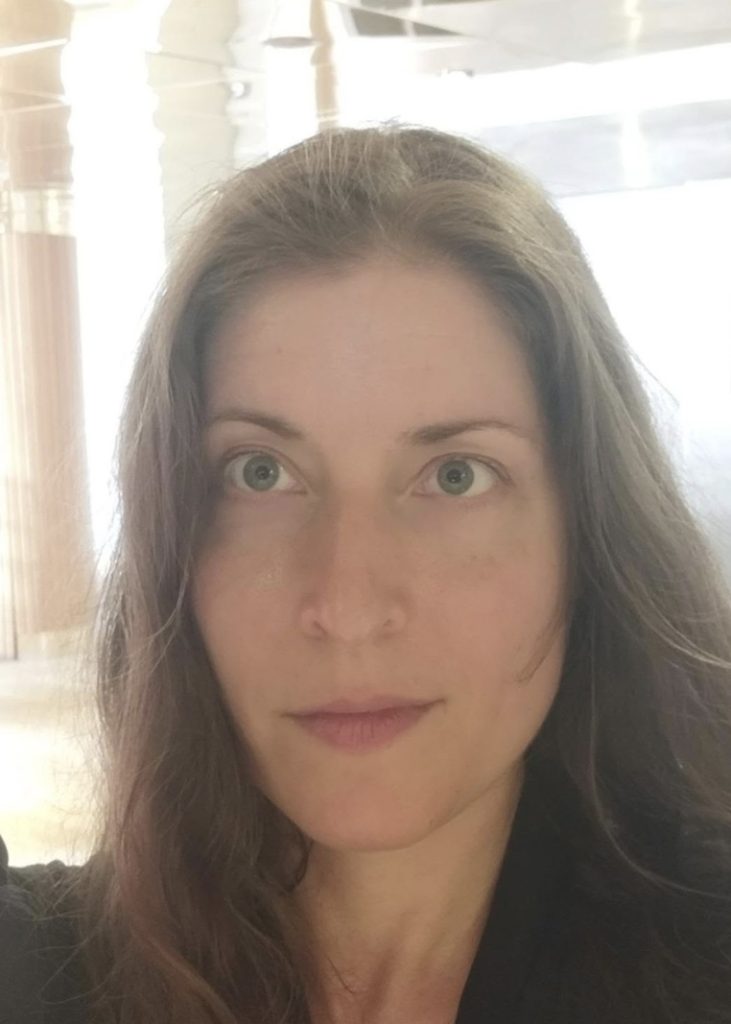
Banreti

Affiliation: Institute of Biology Valrose

Keywords: Chirality, d-amino acids, circular dichroism, chiral-selective methods, cancer.
Webpage

Orcid identifier

Full profile: Agnes developed an interest in biology and medicine as a child and, from the age of 14, attended a special biology-chemistry preparatory class. She started her research career at Eötvös Loránd University in Budapest and, in co-tutelle with the Developmental Biology Institute Marseille-Luminy, completed her Ph.D. on autophagy and Hox proteins. She then joined the Institute of Cancer Research with an EMBO-Marie Curie COFUND fellowship, where she worked on cell competition and discovered that NMDA receptors are key regulators of this cellular process.

During this period, she developed a passion for d-amino acid research and chirality, on which she soon built her independent research project. She subsequently joined her current institute, the Institute of Biology Valrose in Nice, France, where she is currently a Group Leader and an honorary member of the Nice Chemistry Institute (ICN).

She was the first to develop several methods enabling in vivo detection of protein-bound non-l-amino acids, including a set of chirality-specific antibodies that show no cross-reactivity with one another despite epitopes sharing identical amino acid sequences, as well as in vitro and in vivo chiral-selective fluorogenic cleavage assays. More recently, her interdisciplinary group has been working closely with chemists and biologists; her team applies circular dichroism spectroscopy and, in collaboration with ICN, multi-dimensional gas chromatography and ultra-high-resolution liquid chromatography for qualitative and quantitative analysis of heterochiral biological specimens.

The major aim of the team is to address the direct physiopathological roles of proteome homochirality loss and to identify a new family of genes dedicated to the maintenance of protein homochirality. The team also collaborates closely with several medical institutes (e.g., Gustave Roussy) and hospitals to analyze the heterochirality state of various patient-derived samples, as well as with numerous national and international research centers (SOLEIL Synchrotron, Diamond Light Source, University of Limerick, etc.).

Her group’s multidisciplinary work is supported by prestigious grants such as ANR JCJC, ARC PJA1, Cancéropôle Emergence, IdEx, Academy 4, Synchrotron SOLEIL, and Diamond Light Source. She was also a Lendület–Momentum Laureate in 2023 (the Hungarian equivalent of an ERC Starting Grant).

Agnes is an active member of the International d-Amino Acid Scientific Committee. She is co-organizing the EMBO-IDAR 2026 d-Amino Acid Research Workshop as well as the FEBS BioChirality Across Scales Meeting in 2026. She is also active within the Young Academy of Europe (YAE).

Agnes has given many invited talks at international meetings as well as at leading institutions (ENS Lyon, Crick Institute, etc.).

In addition to her academic career, Agnes is very interested in bringing together scientists and artists for the interdisciplinary project “Chirality in Art,” for which she organizes exhibitions and concerts.
Papageorgiou

Affiliation: Queen Mary University of London

Keywords: Functional Composites, Biopolymers, Polymer Engineering, Sustainable Electronics, Micromechanics, Multimodal Sensors, Graphene, MXenes, 2D Materials. 

Webpage

Orcid identifier

Full profile: Dimitrios G. Papageorgiou grew up in Greece and trained as a physicist before finding his scientific home in polymer engineering. After completing his PhD in Polymer Nanocomposites at the Aristotle University of Thessaloniki, he moved to the UK to join the School of Materials and the National Graphene Institute at the University of Manchester, where he worked with Prof. Robert J. Young and Prof. Ian Kinloch as a core member of the European Graphene Flagship project. The work he did there, establishing quantitative Raman spectroscopy as a tool for understanding mechanical reinforcement in graphene- and 2D-material-based composites and developing micromechanical models that link nanoscale reinforcement to bulk composite performance, became foundational to the field.

Since joining Queen Mary University of London in 2019, he has built a research group that bridges fundamental polymer science and nanotechnology with real industrial outcomes. His group’s work spans sustainable multimodal sensors, edible electronics, biodegradable electronic skin patches, moisture-driven energy generators, and green textiles made from waste proteins. He was promoted to Reader in 2025 and serves as Director of Research for the Centre for Sustainable Engineering.

Dimitrios has published 135 peer-reviewed papers (h-index 51, >12,000 citations) in journals including Nature Sustainability, Nature Communications, Advanced Functional Materials, Nano Energy and Nano Letters and has been involved as PI or Co-PI in grants with a monetary value >£8M. He has received the Rosenhain Medal and Prize from the Institute of Materials, Minerals and Mining (IOM3) for distinguished contributions to polymer science and engineering, the IOM3 Composites Publication Award for excellence in composites research and has been consistently listed among Stanford University’s World’s Top 2% Scientists.

He is a passionate advocate for science beyond the laboratory, he contributes to the Henry Royce Institute’s Discover Materials outreach programme, has exhibited at the Big Bang Fair, New Scientist Live and Manchester Science Festival, and his research has been featured in the Financial Times.

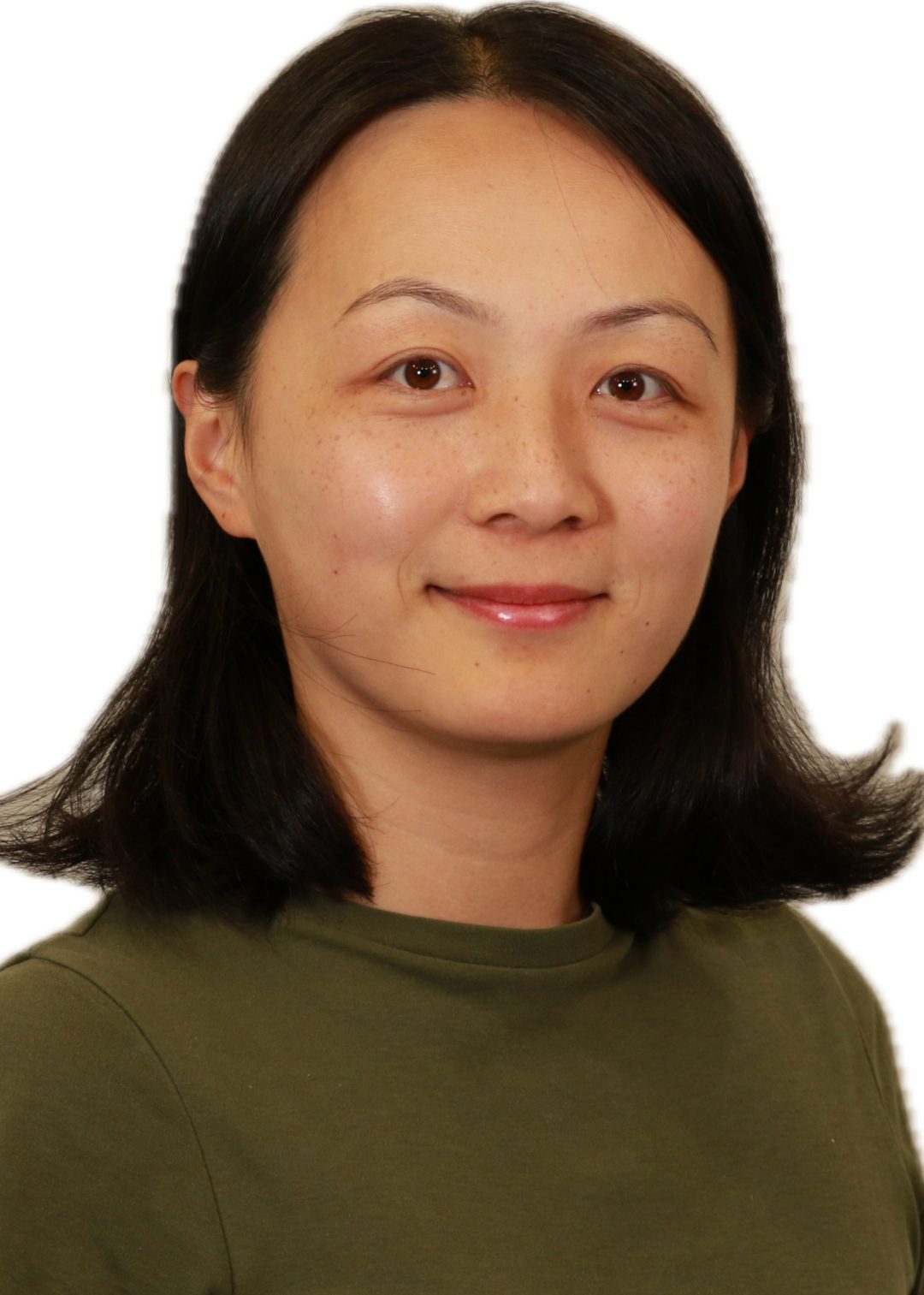
Shi

Affiliation: University of Edinburgh

Keywords: Respiratory disease, vaccination, health inequalities, global health, epidemiology, data linkage, prediction modelling, evidence synthesis.

Webpage

Orcid identifier

Full profile:  I am a tenured Senior Lecturer (equivalent to Associate Professor) at University of Edinburgh. I lead the Respiratory Infection Data Science research group within School of Population Health Sciences.

Under my leadership, my group undertakes research to address fundamental questions that are critical for international population health efforts, which will support to develop a pathway for evidence based clinical services and vaccination policy.

Specifically, I have established a unique research profile using national linked health data, advanced statistical modelling, and systematic evidence synthesis to generate high quality and high impact epidemiological insights. My work demonstrates a strong commitment to the role of scientific evidence in informing policy and improving population health. 

I have substantial experience in working with industry, and national and international policy making/influencing bodies (particularly the UK’s Joint Committee on Vaccination and Immunisation (JCVI), Gates Foundation, Program for Appropriate Technology in Health (PATH), and the World Health Organization (WHO)). I have produced 82 publications (citations >14k, h-index 38), with 27 as first or senior author (The Lancet, The Lancet Respiratory Medicine, Chest, Journal of Infectious Diseases etc.). 

Daly

Affiliation: University College Dublin

Keywords: Genetics, domestication, pathogens, ancient DNA. 

Webpage

Orcid identifier

Full profile: Kevin Daly is an Associate Professor at UCD’s School of Agriculture and Food Science. Kevin’s research utilizes palaeogenomics – using DNA recovered from ancient material to study living things in the past. He has a particular focus on domestication of small ruminants, sheep and goats, and of the pathogens which affect them. With these ancient genomes, we can peek back into prehistory to see how animals have evolved, what were past patterns of biodiversity and how they have changed, and the forces shaping modern animal diversity. His work has been published in Science, PNAS, Nature Communications, and eLife.

From 2026, Kevin will lead the ERC Starting grant project “HERDPATH”, which will explore the co-evolution of livestock and pathogens since domestication, with a particular focus on immune gene diversity.

Kevin is a member of the first cohort of the Young Academy of Ireland, where he has led a Narrative CV workshop (2025), information sessions targeted at displaced scholars, and represented YAI within the CoARA National Chapter. He currently sits on the YAI Executive Committee (September 2025-2027) where he has a role of Project Lead. He is a strong advocate for alternative publishing and peer review models and supports the “Peer Review In” movement.

Young Academy of Europe Annual General Meeting 2026 and Building Bridges Budapest

The Young Academy of Europe (YAE) is delighted to announce that its 2026 Annual General Meeting (AGM) will take place in Budapest, Hungary, from 12–15 October 2026, in collaboration with HUN-REN and alongside the international conference Building Bridges Budapest 2026

The AGM will provide an opportunity for YAE members to discuss the Academy’s ongoing activities, strategic priorities, governance, and future initiatives. It will also serve as a platform to welcome new members, strengthen collaborations across disciplines and countries, and explore how early- and mid-career researchers can contribute to addressing major societal challenges through research, innovation, and science policy engagement.

A key feature of the 2026 meeting will be its connection with Building Bridges Budapest 2026, an international forum dedicated to fostering dialogue between researchers, scientific organisations, policymakers, and society. The event aims to promote interdisciplinary exchange, encourage international cooperation, and strengthen the role of science in addressing global challenges. 

Further information about Building Bridges Budapest 2026 can be found here: Index Building Bridges Budapest ’26 – HUN-REN 

Programme Overview

12 October 2026
14:00–17:00: Final Board Meeting of the current YAE Board (closed meeting)
19:00: Board Dinner

13 October 2026
10:00: YAE Annual General Meeting
10:00–12:00: Presentations by new YAE members
12:00–13:00: Lunch
13:00–14:30: Elections
14:30–15:00: Coffee break
15:00–17:00: Activity (to be confirmed)

18:00: Building Bridges Budapest 2026 Inaugural Reception

14 October 2026
Participation in Building Bridges Budapest 2026

15 October 2026
Participation in Building Bridges Budapest 2026
YAE André Mischke Science-Policy Prize award and lecture
– YAE Panel Discussion on Artificial Intelligence

Further details, including speakers, venues, registration information, and the full programme, will be announced in due course


André Mischke Prize for Science and Policy winner: Prof. Dr. Ieva Plikusienė

It is with great honour that the Young Academy of Europe presents the 2026 André Mischke Prize for Science and Policy to Professor Dr Ieva Plikusienė of Vilnius University and Chief researcher at the Centre for Physical Sciences and Technology, Lithuania. 

Prof. Plikusienė is an internationally recognised interdisciplinary researcher working at the intersection of life sciences, physics, and nanotechnology. Her work centres on the development of advanced biosensors — particularly immunosensors — and the characterisation of thin-film properties using highly sensitive optical and acoustic methods. During the COVID-19 pandemic, her research on protein–antibody interactions using next-generation optical-acoustic sensors attracted international recognition and helped raise the profile of Lithuanian science on the global stage. This work was subsequently honoured by the L’Oréal-UNESCO For Women in Science programme, which in 2022 named her one of the fifteen most promising young scientists in the world — only the second Lithuanian scientist ever to receive this distinction.

What distinguishes Prof. Plikusienė is not scientific excellence alone, but her sustained and consequential engagement with policy. In 2025 she became the first Lithuanian scientist ever appointed to the Scientific Advisory Board of the UNESCO International Basic Sciences Programme — a top-tier expert group that shapes global science policy grounded in fundamental research and contributes to the United Nations Sustainable Development Goals. She describes the role as an opportunity to strengthen national competencies through centres of excellence, promote international knowledge exchange, and ensure Lithuania has a meaningful voice in international scientific decision-making. She has also served as an expert evaluator for Horizon Europe EIC Pathfinder, FET Open, and DG CONNECT programmes. As Chair of the Young Academy of the Lithuanian Academy of Sciences (2023–2025) and a Board Member of Invest Lithuania (2025–present), she has worked across institutional boundaries to connect frontier research with economic strategy and governance — contributing directly to Lithuania’s 2026–2030 investment strategy focused on productivity, expertise, and long-term competitiveness.

Prof. Plikusienė is a tireless communicator of science. Through public lectures, expert media appearances in radio and television, and outreach initiatives, she builds bridges between the research community and the broader public. Her visibility as a L’Oréal-UNESCO Rising Talent laureate strengthens public trust in science and actively promotes diversity and inclusion in European research. In 2023, her work at the intersection of science, education, and European collaboration was recognised with the Lithuanian European of the Year Award, conferred by the Ministry of Foreign Affairs of Lithuania and the European Commission. The following year, the President of Lithuania awarded her the Medal of the Lithuanian Grand Duke Gediminas— in recognition of her contributions to civil and public life.

In awarding Prof. Dr Ieva Plikusienė the André Mischke YAE Prize for Science and Policy, the Young Academy of Europe honours a scientist who embodies the ideals of its founding mission: excellence in both scientific research and engagement in science policy.

Sarikaya

Affiliation: Universität zu Lübeck

Keywords: Philosophy of AI, Philosophy of Mathematical Practice, Epistemology, General Philosophy of Science, later Wittgenstein. 

Webpage

Orcid identifier

Full profile: Deniz Sarikaya is a philosopher of the formal sciences (AI, mathematics & logic) working at the intersections of epistemology, philosophy of language, ethics and cognition. He is a postdoctoral researcher at the Ethical Innovation Hub (EiH) of the Universität zu Lübeck (UzL) (Chair C. Herzog). His main goal is to understand technologies and their societal impact. More precisely, his current work connects (hinge) epistemology with the ethics of AI mainly in contexts of diversity and education. He furthermore studies mathematical practice drawing from frame semantics.

Previously, Deniz Sarikaya was a postdoctoral researcher within the FWO project “The Epistemology of Big Data: Mathematics and the Critical Research Agenda on Data Practices” (at the Vrije Universiteit Brussel) and a DAAD-funded postdoc at the University of Copenhagen and Technical University of Denmark working in his project “theoretical virtues of conjectures and open questions in mathematical practice”.

Deniz Sarikaya spent short research stays at the MCMP of the LMU Munich, the Universitat de les Illes Balears, the EiH at the UzL, the Ethics in IT Group of the University of Hamburg, and at the ETH Zurich.

Deniz Sarikaya earned a PhD in Philosophy (and the Moral Sciences) at the Centre for Logic and Philosophy of Science of the Vrije Universiteit Brussel, supervised by Ulrich Gähde (Hamburg) and Bart van Kerkhove (Brussels). The dissertation on the philosophy of mathematical practice was awarded the dissertation prize of the Deutsche Vereinigung für Mathematische Logik und Grundlagen der Exakten Wissenschaften (DVMLG), i.e. a talk at their PhD Colloquium. He studied philosophy (MA 2016, BA 2012) and mathematics (MSc 2019, BSc 2015) at the University of Hamburg, with stays at the Institute for Logic, Language and Computation (Amsterdam), the Universitat de Barcelona, as a visiting student researcher at UC Berkeley, and in a research internship at the University of British Columbia.

In addition to this, he serves as coordinator of the UNESCO World Logic Day (appointed by CIPSH after a nomination by the DLMPST), moderator of the LOGIC mailing list, co-founder of the Young Network for Wittgensteinian Philosophy, Zweiter Vorsitzender of the William‑Stern‑Gesellschaft e.V., organizing enrichment classes for mathematically gifted youth. He is a member of the Respect Research Group and DMRCP fellow. Deniz Sarikaya was elected a Young Academy Fellow (YAF) of the Akademie der Wissenschaften in Hamburg in 2024 and is currently spokesperson of the YAFs.

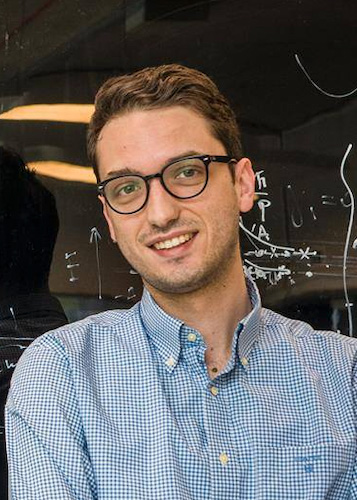
Giovannini

Affiliation: Department of Physics, University of Rome

Keywords: Quantum Chemistry; Condensed Matter Physics; Multiscale Modeling; Plasmonics; Light–Matter Interaction; Computational Spectroscopy

Webpage

Orcid identifier

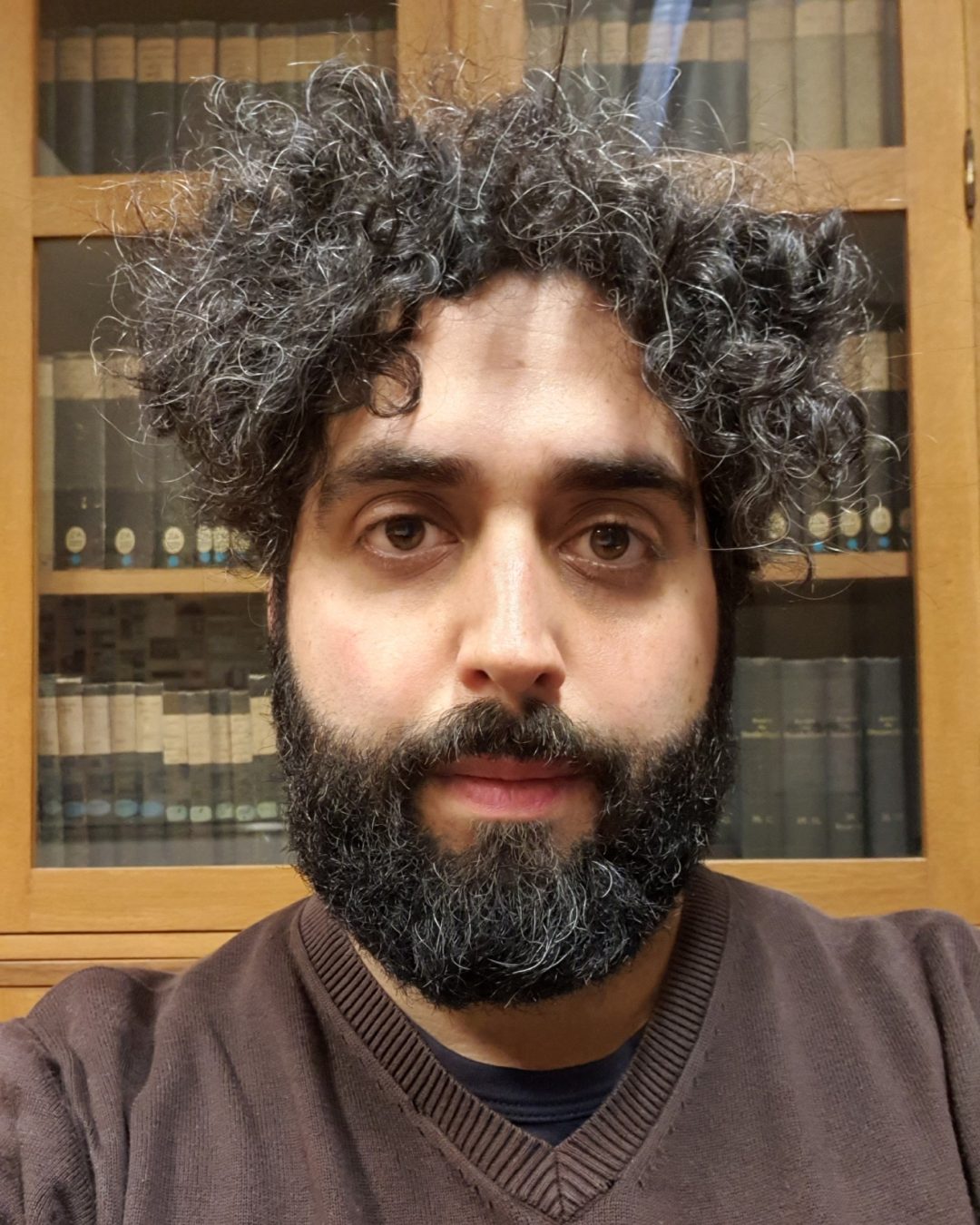
Full profile: Tommaso Giovannini is a tenure-track assistant professor in Theoretical Physics of Condensed Matter at the Department of Physics, University of Rome Tor Vergata (Italy). He studied Chemistry at the University of Pisa, graduating cum laude in 2015, while simultaneously obtaining the Diploma of the Scuola Normale Superiore (Pisa, Italy) as a “Studente Ordinario”. He then earned a Ph.D. in Methods and Models for Molecular Sciences (cum laude) at the Scuola Normale Superiore (2015–2019). After his Ph.D., he held a postdoctoral fellowship at the Norwegian University of Science and Technology (NTNU), Trondheim (2019–2021), followed by a fixed-term Junior Assistant Professorship (researcher) position at the Scuola Normale Superiore (2021–2024). In June 2024, he joined the University of Rome Tor Vergata as a tenure-track assistant professor.

His group works on the theoretical development, implementation, and application of multiscale computational methods to study spectral signals and response properties of complex, realistic systems, at the interface of quantum chemistry and condensed-matter physics. In particular, the group develops and applies quantum/classical strategies for condensed-phase molecular spectroscopy, especially for solvated molecules where strong and specific solute–solvent interactions (e.g., hydrogen bonding) require an accurate atomistic description of the environment together with a reliable treatment of the solute electronic structure. These methodologies can be combined with molecular dynamics sampling and applied to a wide range of observables, spanning UV/Vis absorption, vibrational spectroscopies, and Raman scattering. In parallel, the group develops fully atomistic, yet classical, models for nanoplasmonics to describe the optical response of realistic nanostructures (metal nanoparticles, aggregates, nanojunctions, alloys, and graphene-based materials). These models can be coupled to quantum descriptions of molecular adsorbates to quantify how plasmonic substrates modify adsorbate properties, from plasmon-induced changes in electronic structure to surface-enhanced spectroscopies.

Tommaso’s research has been recognized through several awards, including the Raman Award (2024) for Best Young Researcher, the Eolo Scrocco Award (2025), the Young Physical Chemistry Award (2022), and the Philip J. Stephens Award (2018). He was also selected as the IUPAC Young Observer for Italy (2024–25) and for the 2024 CAS Future Leaders Top 100 program.
He is the author of 80+ peer-reviewed publications in leading international journals (including Chemical Society Reviews, Physical Review X, Nature Communications, Nano Letters, and Chemical Science), is co-inventor of one granted Italian patent, and has delivered 40+ presentations at international conferences and workshops, including invited and keynote talks. He also contributes to the scientific community being member of the Nano Letters Early Career Advisory Board (American Chemical Society, since 2025). Alongside research and mentoring, he supports institutional and outreach activities at the University of Rome Tor Vergata, serving as a member of the Third Mission Committee and social media manager of the Department of Physics, and contributing to outreach initiatives and the organization of orientation activities for high-school students.

Since 2023, Tommaso has been actively raising competitive funding as Principal Investigator. He was awarded the Italian PRIN 2022 PNRR project POSEIDON (“hydroPhObic eutectic SolvEnts In water remeDiatiON”), where he serves as PI of the University of Rome Tor Vergata unit, focusing on the theoretical/computational investigation of hydrophobic eutectic solvents for sustainable water remediation. In 2025, he received a prestigious ERC Starting Grant for the project CHOPIN (atomistiC approacHes for plasmOnic Photo Induced phenomeNa), aimed at developing advanced theoretical methods to understand and predict plasmon-driven physics and chemistry, with a long-term perspective toward more efficient and sustainable chemistry in the context of plasmonic catalysis.

Uegaki

Affiliation: University of Edinburgh

Keywords: Linguistics, semantics, cognitive science, philosophy of language, semantic typology. 

Webpage

Orcid identifier

Full profile: Wataru Uegaki is a Reader and UKRI Future Leaders Fellow at the University of Edinburgh, where he is part of the Department of Linguistics and English Language within the School of Philosophy, Psychology, and Language Sciences. He earned his PhD in Linguistics from MIT in 2015. Following his doctoral studies, Wataru was a JSPS postdoctoral fellow at Keio University and Institut Jean-Nicod (CNRS/ENS) in 2016 and served as an assistant professor at Leiden University Centre for Linguistics from 2016 to 2019. He then joined the University of Edinburgh as a Lecturer in Semantics.

Wataru’s research focuses on semantics and pragmatics, exploring how humans infer meaning from natural language conversations. His work aims to uncover the systems that govern these inferences using theoretical tools from linguistics, logic, and cognitive science.

Wataru has led multiple research projects funded by organizations such as UK Research & Innovation (UKRI), the Arts and Humanities Research Council (AHRC) and the German Research Foundation (DFG) through the UK-German Collaborative Grant, the Netherlands Research Council, and the Japan Society for the Promotion of Science.

Passionate about the joys and complexities of language sciences, Wataru is dedicated to higher education teaching and public outreach, striving to share the excitement of his field with a broader audience.

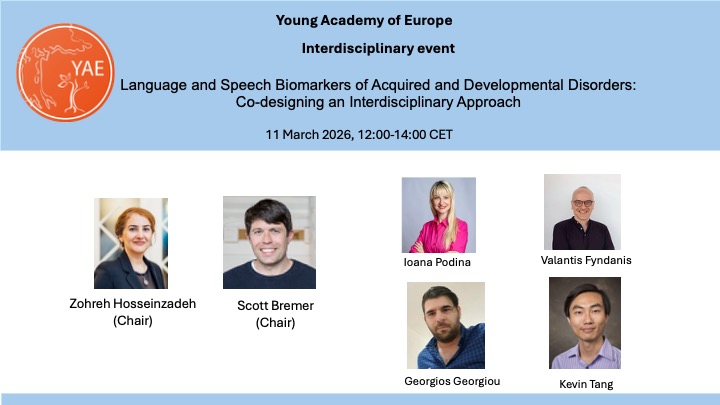
Language and Speech Biomarkers of Acquired and Developmental Disorders: Co-designing an Interdisciplinary Approach 11 March 2026 12-14 CET

The YAE warmly invites you to an event organised with YAE members, where we will watch and engage with the co-design of an interdisciplinary project in real time, about ‘Language and Speech Biomarkers of Acquired and Developmental Disorders.’ The objective is for people joining the event to both learn about interdisciplinary project design – in theory and practice – and share their own experiences of what has worked for them. We will combine the rich stock of experience among YAE members, and others to build capacity together.

The YAE profiles and advances topics emerging as important in European research; from art-science collaboration to mental health or interdisciplinary for instance. The YAE is a fecund space for interdisciplinary given its members span the full breath of disciplines. We saw this last year when we organised an event to profile work of our members working on topics of language, and put them in dialogue with each other. On this basis we want to take this further, and see how this dialogue could develop into a project.

The programme:

Welcome and introduction: Zohreh Hosseinzadeh
An introduction to interdisciplinary: Scott Bremer
Co-designing a project: Ioana Podina, Valantis Fyndanis, Kevin Tang, Georgios Georgiou
Break
Discussion of co-designing the project: All present

This event is open to YAE members, but also any others interested in discussing the dynamics of interdisciplinary research co-design. You can join the event vis the following Zoom link: https://uib.zoom.us/j/65607246792?pwd=lmz258KIVetboMdRihY7kWkp5F8i4j.1