Inquiry Lectures Webinar Series

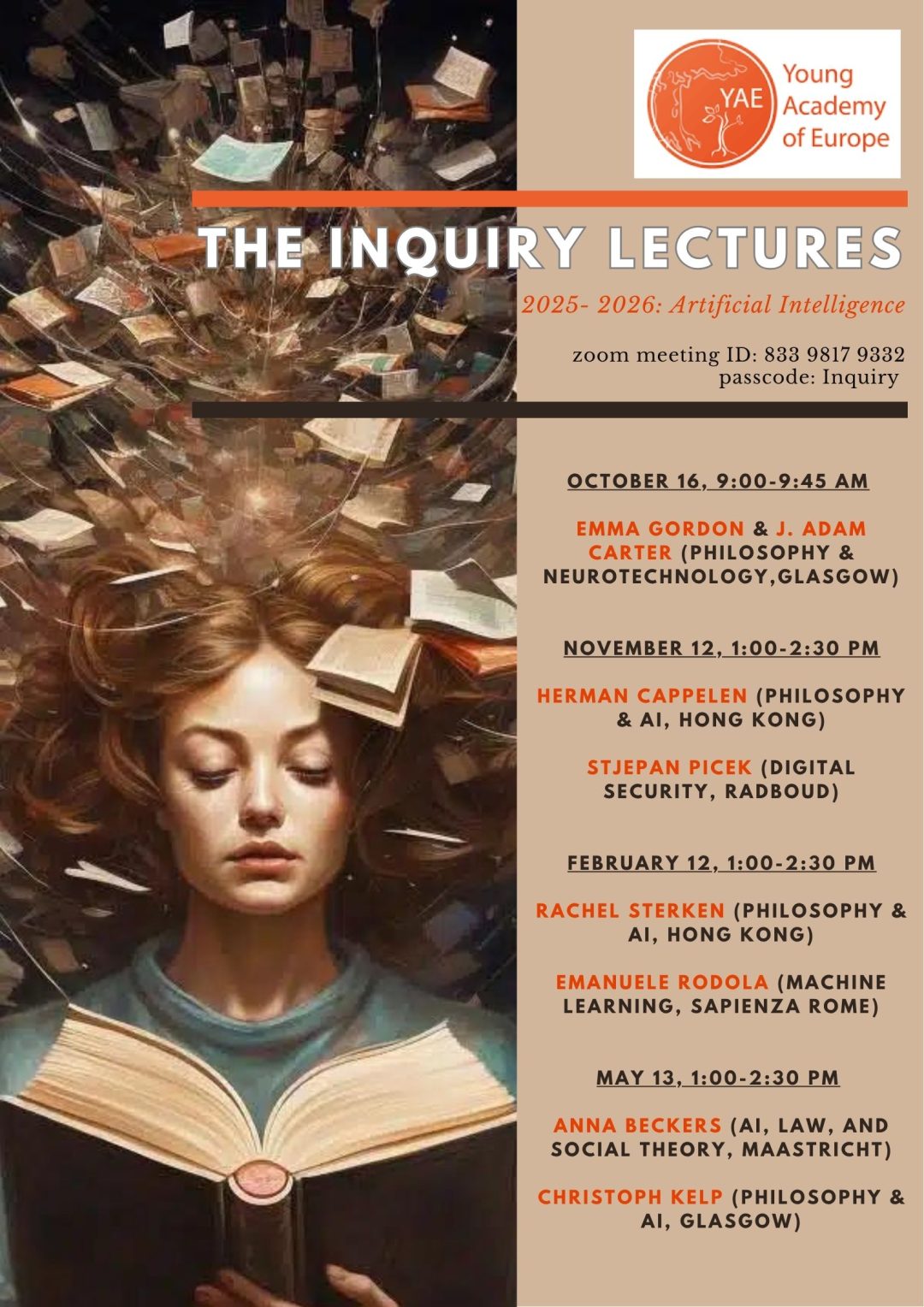
At the AGM in October, the YAE launched a new named webinar series called ‘The Inquiry Lectures’. This year’s theme is Artificial Intelligence.

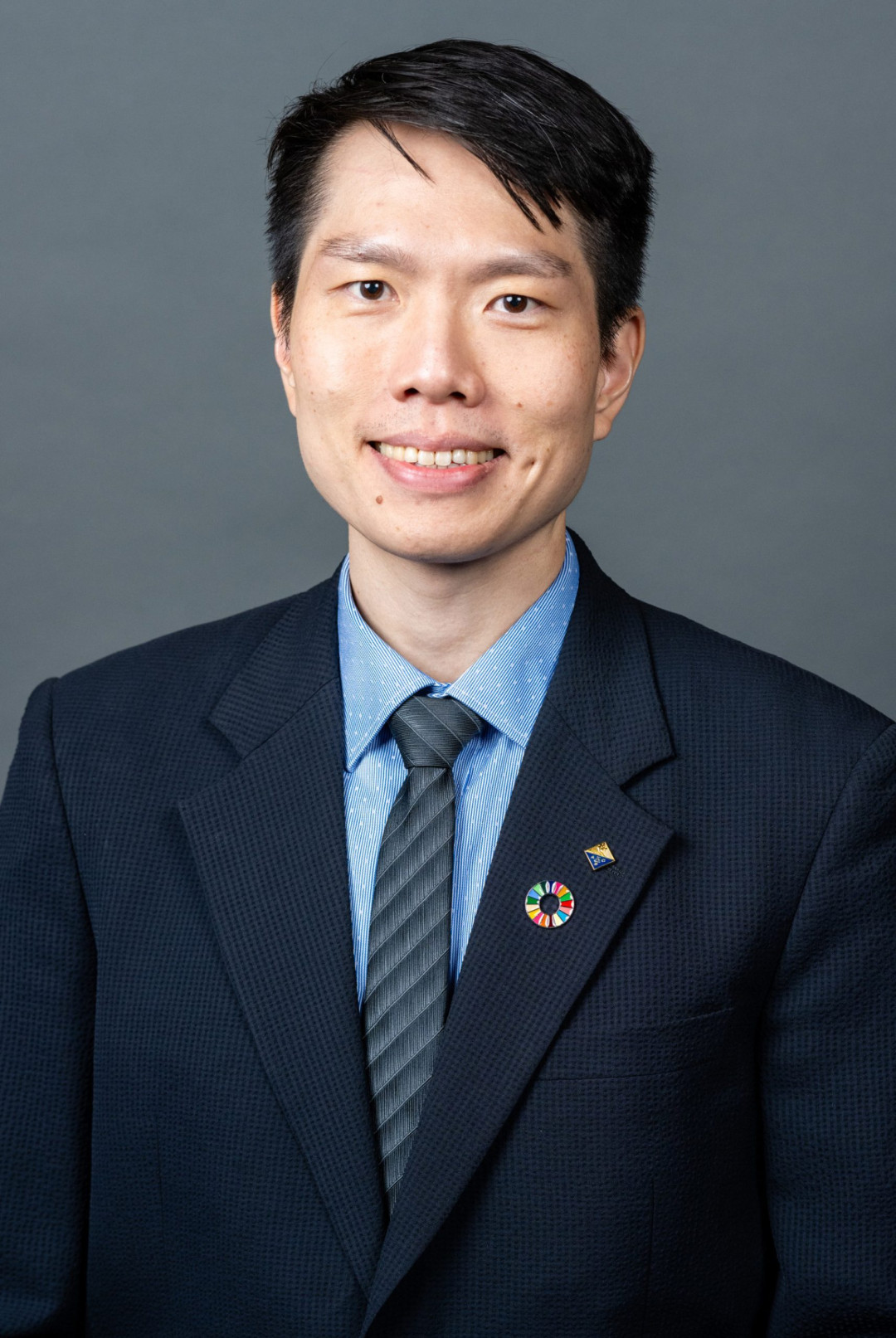
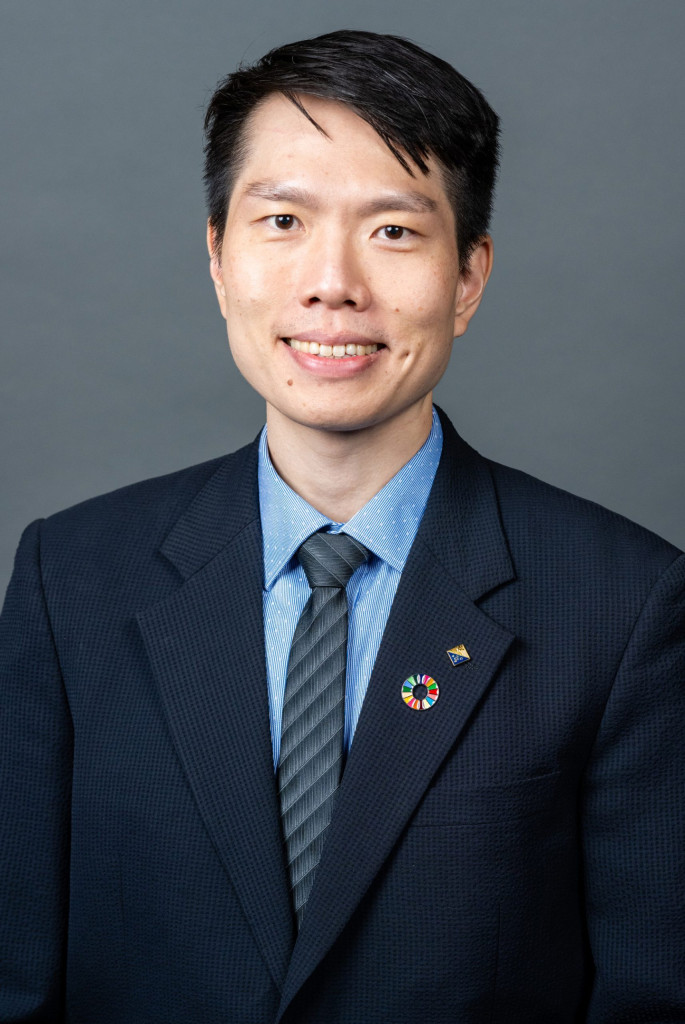
The next webinar will be on the 12th of February, from 13.00-14.30 CET, when we will have lectures from Rachel Sterken and Emanuele Rodola. The webinar is open to all – not only YAE members. The titles and abstracts for the talks are as follows

LLMs are Candidate Generators 
Rachel Sterken (work with Alex Radulescu)

When an LLM tells you ‘Paris is the capital of France,’ is it actually saying something, or just producing text that looks like it is? This paper argues that LLMs are best understood as candidate generators: sophisticated systems that produce well-formed text optimized to be useful, but without the beliefs, intentions, or commitments that characterize genuine communication. In a similar manner to the way a chair affords sitting, but the chair doesn’t sit; an LLM output affords asserting, but the LLM doesn’t assert. The real linguistic work happens when you take up that output and make it your own. This talk will chart a middle course between the two extreme positions currently popular. Pessimists dismiss LLMs as “stochastic parrots” mindlessly regurgitating training data, but this undersells their remarkable capabilities. Optimists attribute genuine understanding and beliefs to these systems, but this mistakes impressive engineering for human-like communicative agency and mindedness Our candidate generation framework acknowledges that LLMs produce extraordinarily useful and impressive outputs while maintaining that meaning, truth, and responsibility enter the picture only through human adoption. This isn’t merely an academic distinction: it has real implications for who’s accountable when AI-generated content goes wrong, how we should evaluate these systems, and what we’re actually doing when we interact with them.

Science at Scale Without Scaling Up
Emanuele Rodola

Scientific discovery is moving at a pace that is increasingly hard to track. While we have looked to AI to manage this information explosion, current “artificial scientist” models are running into serious technical and ethical barriers. The dominant trend of scaling up has become too expensive and environmentally costly, creating a divide that favors only the most resource-rich institutions. This presentation is going to propose a different path: interoperable machine learning. Instead of building bigger black boxes, we’ll look at how universal representations allow us to repurpose and stitch together existing models. This approach has the potential to make AI more sustainable, democratize research, and ensure that human scientists stay central to the process of creating and verifying knowledge.

The details to join the zoom are as follows:

https://uofglasgow.zoom.us/j/86955981448?pwd=JI6P1nArr4JbAFEVBa4s11Q83kvQXz.1

Meeting ID: 869 5598 1448
Passcode: Inquiry

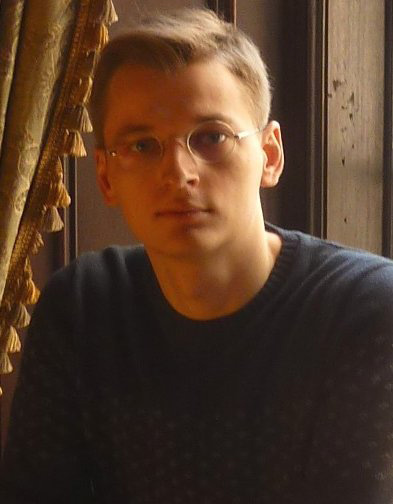
Tijdink

Affiliation: Amsterdam UMC

Keywords: Research integrity, research culture, research quality, mental health in academia, reproducibility, open science

Webpage

Orcid identifier

Full profile: Joeri Tijdink is an associate professor and principal investigator at Amsterdam UMC, location VUmc, and is affiliated with VU University in Amsterdam, the Netherlands. After studying medicine at Utrecht University (1999–2006) and specializing as a clinical psychiatrist in Amsterdam (2007–2012), he completed his PhD (2012–2015), entitled Publish & Perish: Research on Research and Researchers. His thesis focused on the impact of publication pressure on research quality and the mental health of researchers.


His current research focuses on research integrity, reproducibility, research quality, mental well-being in academia, and research culture. He is involved in several national and international research projects, including the TIER2 project (www.tier2-project.eu), which explores the future(s) of reproducibility and develops tools to support reproducibility practices. He is also a principal investigator in the EU-funded TRUSTparency project, which implements promotion plans for different stakeholders to foster reproducibility practices. In addition, he leads several projects aimed at supporting a responsible research culture in diverse academic settings and studies how early career researchers can be empowered to speak up. He initiated the national Akademiethermometer survey, which investigates the mental health of academics in the Netherlands.


Joeri is also the author of the book The Happy Academic – How to Thrive and Survive in Academia (2023), which offers guidance to early career researchers navigating the challenges of academic life. In his work, he consistently focuses on individual, cultural, and systemic factors that can help improve academia, with a strong emphasis on promoting mental health among researchers.


Alongside his research, he continues to work as a clinical psychiatrist. In 2022, he was appointed as a member of The Young Academy of the Royal Netherlands Academy of Arts and Sciences, highlighting his commitment to improving research quality, strengthening the societal relevance of research, and fostering a more supportive academic environment for early career researchers.

The AGM and Building Bridges 2025

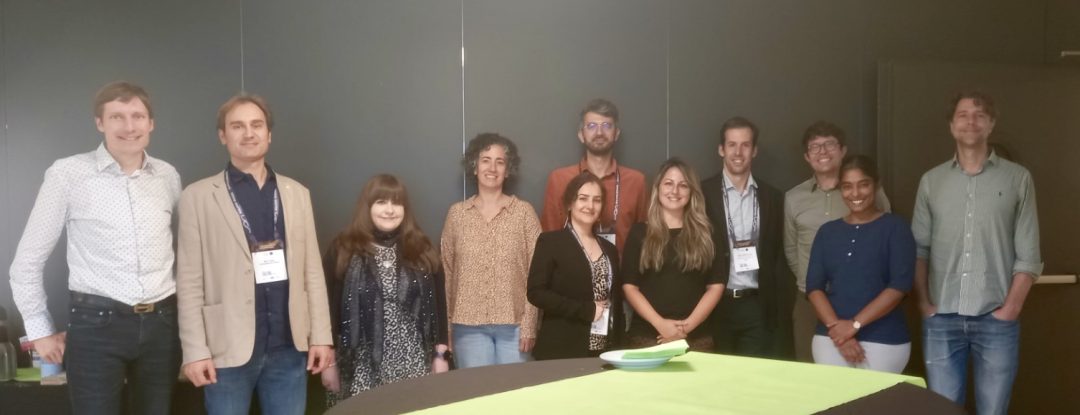
Some of the YAE members attending the AGM on Wednesday 15th October

This year, from the 15th to the 17th of October, the YAE organised its AGM and took part in Academia Europaea’s parallel Building Bridges conference, in lovely Barcelona. While the meetings were somewhat disrupted by strikes – and Autumn colds – we brought together an enthusiastic group, with over 50 members joining physically or online for the sessions on Wednesday.

Board members Zohreh Hosseinzadeh, Niki Liguori, Anna Kuppuswamy and Scott Bremer

As detailed in the programme, Wednesday afternoon, the 15th, the AGM attended to its formal procedures, with a report from the Chair and Treasurer, followed by elections of board members. Votes were tallied up while three YAE members Klass-Jan Tielrooij, Carme Font Paz and Joeri Tijdink presented their on-going research, before the results of the election were presented, and the meeting closed.

Thursday morning, the 16th, was a rich programme of events. It started with Vice-Chair Mona Simion kicking off the YAE’s new ‘Inquiry Lectures’ series, with the inaugural lecture by YAE member Emma Gordon and colleague Adam Carter at the University of Glasgow. Following this, we had a session on ERC Synergy Grants, from Prof. Eystein Jensen – Vice-President of the ERC – and ERC advisor Giuliano Scalzi, with tips on how to put together this form of grant. the AGM finished with a trip to the CRAI Biblioteca de Fons Antic, where we took a tour through some of old texts they have their, including some of the first volumes on anatomy published.

Touring the CRAI Biblioteca de Fons Antic

On Friday the 17th, the YAE co-organised two sessions on the Building Bridges programme. The day opened with Outgoing Chair Scott Bremer and Chair Anna Kuppuswamy presenting the André Mischke YAE Science Policy Prize to Agnieszka Wykowska, and her lecture on ‘Human-Robot Interaction’. Later in the afternoon, the YAE organised a panel discussion on ‘Public Trust in Science and Navigating Political Tensions, with panelists Anna Kuppuswamy, Ruth Rodriguez-Martinez and Emilian Mihailov. This panel sparked lively discussion with the audience, and proved to be a highly interactive session. The aim was to not simply throw up our arms as scientists, and bemoan political interference, but to accept that there has always been politics in science, and learn to adapt as the relation between science and politics shifts.

Presenting the André Mischke prize to Agnieszka Wykowska

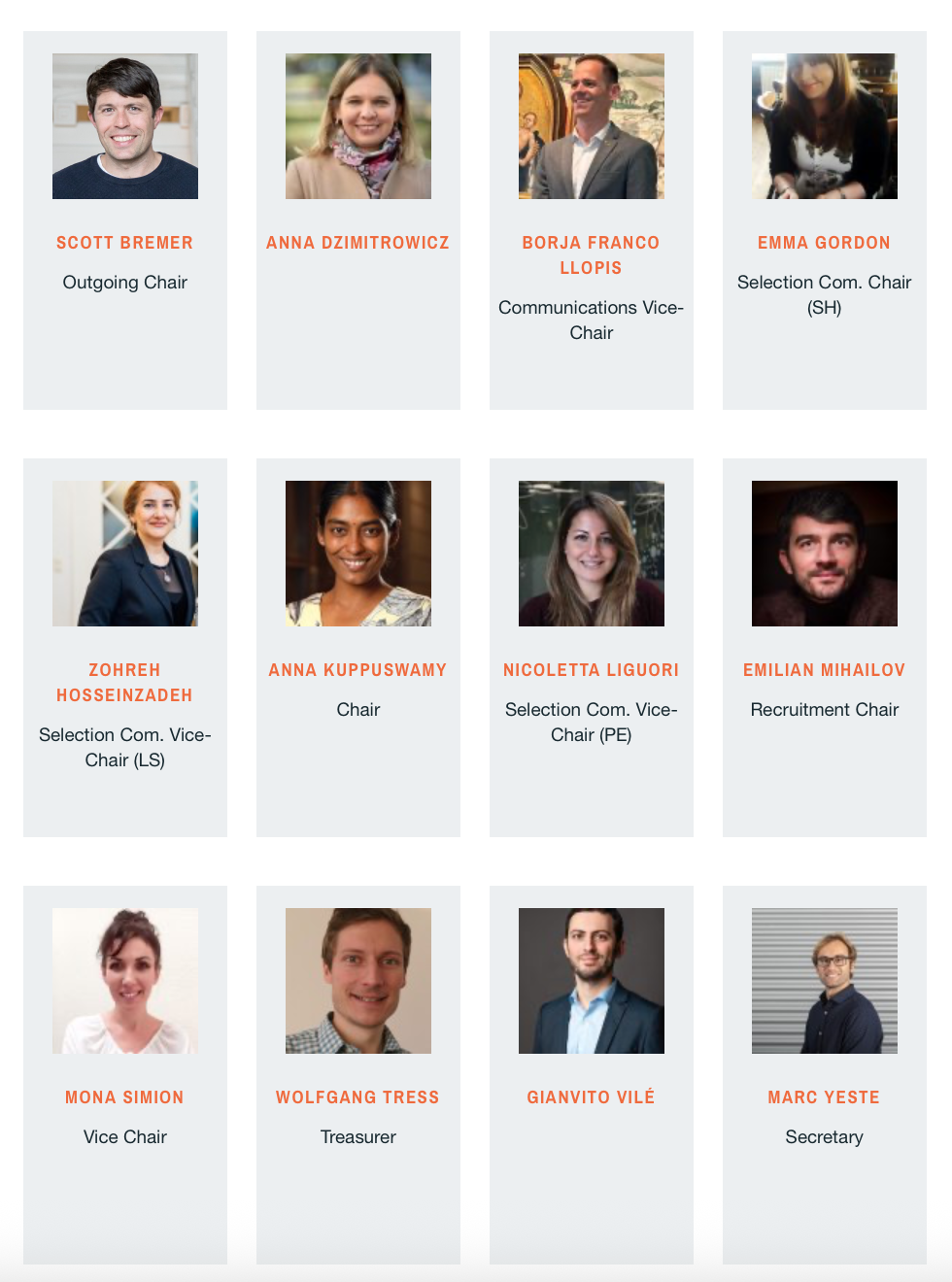
New YAE board for 2025-2026

At this year’s Annual General Meeting in Barcelona, our members elected a new board. In fact, ten members of last year’s board will remain for another year, which bodes well for retaining continuity and experience on the board for the coming year.

Anna Kuppuswamy was elected as the Chair, and Mona Simion as Vice-Chair, while Scott Bremer moves into the Outgoing Chair position. Two members were voted into the two vacant board positions, namely Anna Dzimitrowicz (working in the PE Domain at the Wroclaw University of Science and Technology) and Gianvito Vilé (working in the PE domain at the Politecnico di Milano).

One of the board positions was vacated by Outgoing Chair Katalin Solymosi. At the AGM, the YAE made special mention of the tireless work of Katalin for the YAE over the past 5 years, where she leaves an important legacy of a grown organisation, that has an even more important voice in the European science-policy and science-for-policy landscape. We will miss Katalin.

The members of the 2025-2026 board are listed in the figure above, and on the website.

André Mischke YAE Prize for Science and Policy 2025 winner: Agnieszka Wykowska

We are proud to announce this year’s winner of the André Mischke Prize is Agnieszka Wykowska.

This prize is named in honour of the YAE Founding Chair, André Mischke. It was first introduced in 2017, and is awarded annually to early to mid-career professionals in recognition of their leadership to promote: science, science-policy, evidence-informed policymaking, science communication, and the future generation European scholars. 

Prof. Wykowska is internationally recognized for her groundbreaking work in human-robot interaction at the Italian Institute of Technology. But it is her deep commitment to science communication and policy engagement that sets her apart as an André Mischke Prize-winner.

Professor Wykowska’s research has not only advanced our understanding of how humans perceive humanoid robots—culminating in over 90 publications and a Springer-edited book—but has also been translated into real-world applications. She and her team developed a robotic training system for children with autism, implemented in local rehabilitation centers, demonstrating tangible improvements in social skills. This work has gained widespread recognition across national and international media, including ZDFRAIBBC, and The New York Times.

Equally impactful is her tireless advocacy for science in public policy. Since her invitation to speak at the European Parliament in 2018, Professor Wykowska has become a key voice in European science policy. As a delegate to the European Research Area Forum, she represents the interests of individual researchers, championing greater support for fundamental science and early-career scientists. Her involvement with the Robert Bosch Foundation and the European Conclave further demonstrates her influence at the intersection of science, politics, and society.

Beyond policy, she actively promotes equity and inclusion in science, participating in high-level panels such as the International Day of Women and Girls in Science, broadcast from the European Commission.

The prize will be presented to Prof. Wykowska at Academia Europaea’s Building Bridges conference on the 17th of October, where she will also give the André Mischke Prize lecture.

Pacchiarotti

Affiliation: Ghent University

Keywords: Historical linguistics, Niger-Congo languages, Chibchan languages, interdisciplinary approaches to the human past

Webpage

Orcid identifier

Full profile: My research trajectory has been led by fascination for why language structures are the way they are and what are the evolutionary pathways that made them be that way, including the impact that extralinguistic factors might have on language change.

The passion for understudied Amerindian languages pushed me to independently seek and obtain an MA in linguistics with special emphasis on indigenous Costa Rican languages (Chibchan) at the Universidad de Costa Rica (Costa Rica). Thanks to Fulbright, I could pursue a PhD in linguistics at the University of Oregon (USA) famous for linguistic functionalism and the study of underdocumented languages. A nine-month fieldwork class on Mòoré (Niger-Congo, Burkina Faso) during my doctoral training revived connections with Africa that were established during the seven years I spent in Nigeria in my early childhood.

This newly (re)discovered interest for Africa was kindled by an unexpected change in dissertation topic nine months before the due date which led me to write about applicative constructions in Bantu (Niger-Congo) languages. This seemingly haphazard shift in focus towards Africa gained a teleological dimension when I obtained a postdoctoral position in African historical linguistics within the ERC-funded interdisciplinary BantuFirst project at Ghent University (Belgium).

After obtaining my own FWO (Flanders Research Foundation)-funded postdoctoral project, in 2023 I was awarded an ERC-Starting Grant and became associate professor in linguistics at Ghent University. My ERC project (CongUBangi, 2024-2028) aims at understanding the present-day interconnections between language, material cultures and genes in the Congo-Ubangi watershed (northwestern Democratic Republic of Congo) and project them as far back into the past as possible through a holistic, localized and locally-enforced interdisciplinary approach featuring linguistics, archaeology, and genetics. The goal is to realize a breakthrough in our understanding of how linguistic diversity correlates with cultural and genetic diversity and why it originated and persisted in this specific ecoregion for millennia.

Frenkel-Pinter

Affiliation: The Hebrew University of Jerusalem, Israel

Keywords: Prebiotic chemistry, origins of life, chemical evolution, peptide self-assembly, biochemistry.

Webpage

Orcid identifier

Full profile: Dr. Moran Frenkel-Pinter is an assistant professor in the Institute of Chemistry at the Hebrew University of Jerusalem. She received her BSc and PhD in biotechnology from Tel Aviv University. As a PhD student, under the supervision of Prof. Daniel Segal and Prof. Ehud Gazit, she studied the role of protein glycosylation in the pathology of Alzheimer’s disease, and in collaboration with Prof. Shai Rahimipour from Bar-Ilan University, she synthesized glycopeptides to study the effect of glycans on peptide self-assembly. She then became a NASA postdoctoral fellow at the Georgia Institute of Technology in Atlanta and, subsequently, a research scientist in its School of Chemistry. As a member of the Center for Chemical Evolution and team leader at the NASA Center for Origins of Life, she focused on elucidating mechanisms that lead to the formation of proto-peptides that can spontaneously polymerize, fold, and interact with nucleic acids under prebiotic conditions. As an Azrieli Early Career Faculty Fellow and Vice Director of the Minerva Center for the Planetary Emergence of Life, Frenkel-Pinter’s research merges concepts from biotechnology and origins of life chemistry, fields in which she specialized during her PhD and postdoctoral research, respectively. She harnesses the creative power of chemical evolution to develop evolving functional biodegradable polymers for biotechnological applications. She recently won the Stanley L Miller Early-Career Research Award. She received a FEBS Excellence Award, an ERC StG, and a FEBS Excellence Award.

Brami

Affiliation: Johannes Gutenberg University Mainz

Keywords: Prehistoric migrations, Kinship practices, Neolithic and Copper Age, Ancient DNA, Artificial intelligence

Webpage

Orcid identifier

Full profile: Maxime Brami is a prehistoric archaeologist at Johannes Gutenberg University Mainz, where he serves as substitute professor in the Department of Pre- and Early Historical Archaeology of the Institute for Ancient Studies. Since 2018, he has also been a researcher in the university’s ancient DNA laboratory. A French-Luxembourg national raised in Paris, he studied archaeology and anthropology in the UK, completing his PhD at the University of Liverpool in 2014, followed by postdoctoral positions at the Austrian Academy of Sciences.

His research explores the interaction between culture and genetics in Neolithic and Copper Age Europe, using innovative AI-assisted approaches for data collection and analysis. Besides initiating research at the intersection of archaeology, genetics and computer science, Maxime is writing on the methodological and interpretive challenges raised by recent advances in ancient DNA research. His work has been supported by the German Research Foundation, the Luxembourg National Research Fund, and the Marie Skłodowska-Curie Actions. He delivered the 2023 Curl Lecture, an award that is conferred biennially by the Council of the Royal Anthropological Institute (RAI) and is currently Associate Editor (archaeology) for JRAI, the Journal of the Royal Anthropological Institute.

Maxime is also active in supporting early-career researchers. He founded the Early-Career Archaeologists (ECA) Community within the European Association of Archaeologists, which promotes transparent and equitable professional practices. The 2021 international survey of early-career archaeologists organised by the ECA Community has received wide attention, and its mentoring scheme currently supports researchers across the discipline.

Hatvani

Affiliation: HUN-REN Research Centre for Astronomy and Earth Sciences, Budapest

Keywords: Geostatistics, geochemistry, stable water isotopes, water quality, spatiotemporal sampling frequency, spectral analysis

Webpage

Orcid identifier

Full profile: István Gábor Hatvani obtained his MSc degree in Environmental Science in 2010 from Eötvös Loránd University, Hungary, followed by a PhD in Environmental Earth Sciences in 2014, and received his habilitation in Environmental Science from the same university in 2022. He became the Doctor of the Hungarian Academy of Sciences in 2025. Since 2014, he has been working at the Institute for Geological and Geochemical Research of the HUN-REN Research Centre for Astronomy and Earth Sciences, where he currently holds the position of Scientific Advisor and Deputy Director. He also teaches both undergraduate and doctoral courses at the Faculty of Science, Eötvös Loránd University.

His research focuses primarily on investigating past climate changes through geostatistical and spectral analyses of geochemical and paleoclimate data series. In addition, he applies modern data analysis methods to optimize spatial and temporal sampling frequencies and to conduct comprehensive assessments of surface- and subsurface waterbodies with a special focus on (semi)constructed wetlands. As of 2025 he has co-authored more than 70 Scopus indexed papers receiving > 2000 citation, H-index: 25.

During his undergraduate studies, he was awarded the Dr. Imre Pauka Award (2010) and the Habilitas Scholarship of the Hungarian Development Bank (2011). As a doctoral student and early-career researcher, he received several recognitions, including the Junior Prima Award (2015), the Environmental Science Youth Award (2016), the Academy Youth Award and the Elemér Szádeczky-Kardoss Award (2018) awarded by the Hungarian Academy of Sciences, and the Sándor Vitális Scientific Literature Award (2022). In 2017, he received the “Danubius Young Scientist Award” granted by the Austrian Federal Ministry for Science, Research and Economy and the Institute for the Danube Region and Central Europe.

He serves on the editorial boards of the journals Open Geosciences, and the International Journal on Geomathematics. He was the secretary and later a board member of the Geomathematical Section of the Hungarian Geological Society for nearly a decade, as well as secretary of the Geological Science Committee of the Hungarian Academy of Sciences Section X. He is a member of the International Association for Mathematical Geosciences. He is also a regional coordinator and steering committee member of the SISAL working group under Past Global Changes (PAGES). He is a regular organizer of international scientific conferences and enthusiastically gives public science lectures both in Hungary and abroad and currently host the science podcast series #CurrentEarthSciences in Hungarian.

He was an elected member (2020–2025) and former board member (2023–2025) of the Hungarian Young Academy, and as such led and contributed to multiple initiatives aimed at supporting early-career researchers. These included: conducting national surveys on career inequalities and working conditions; publishing policy recommendations to address systemic issues such as low salaries, overload, and lack of transparency; assessing the impact of EU fund suspensions on young researchers; and raising awareness about regional and gender-based disparities within the research community.

The Young Academy of Europe AGM 2025: Barcelona

This year’s AGM will be held in Barcelona, at the Dr Aiguader Building, University Pompeu Fabra (for more details about the venue, travelling and accomodation see below) and run from 12.30 on Wednesday the 15th of October until 13.00 on Thursday the 16th of October. Registration is €125, and covers all meals including the AGM dinner.

In addition to updates on the YAEs activities and organisation since the last AGM, and electing new board members, we use the AGM as an opportunity for members to network and hear about each-other’s work, to explore ways for the YAE to contribute to European science-policy, and to develop skills in leading innovative research groups. This year we will (i) launch the new Inquiry webinar series , this year on AI; (ii) explore how to develop ERC Synergy Grants; and (iii) have a fieldtrip to a museum on the theme of History of Science. 

The AGM is integrated with Academia Europaea’s annual ‘Building Bridges’ conference. You can learn more about Building Bridges, and register (there is separate registration) here. Building Bridges runs from Thursday 16th to Friday 17th October, and YAE members are encouraged to attend this conference after the AGM is over, as it collects together lectures from some of the leading scholars in Europe today. On Friday afternoon, at Building Bridges, the YAE will award the André Mischka Prize, and hold a panel discussion on trust in science, at Building Bridges.

AGM Programme

Start – EndActivitySpeakers/Moderator
Wednesday 15th October 2025
12.30-13.30YAE AGM opening lunchMeeting opened by Anna Kuppuswamy (Vice Chair)
13.30-14.30Welcome and summary of the year.
1. Welcome & update activities 2024/2025
2. Welcome to new FYAEs
3. Treasurers report
Scott Bremer (Chair)  Wolfgang Tress (Treasurer)
14.30-14.45Coffee Break 
14.45-15.45Board elections
1. Pitches of candidates running for elections
2. Electronic voting
Marc Yeste (Secretary)
15.45-16.00Coffee break 
16.00-17.00Research talks by new members
Three talks from new YAE members:
Klaas-Jan Tielrooij
Joeri Tijdink
Carme Font Paz
Nicoletta Liguori (Selection Committee PE Chair)
17.00-17.20Results of the YAE electionsMarc Yeste (Secretary)
17.20-18.30Aperitif 
19.30-21.30AGM dinner 
Start – EndActivitySpeakers/Moderator
Thursday 16th October 2025
09.00-09.45Launching the Inquiry webinar series
An opening talk for this years series on the topic of AI, opened by YAE member Dr. Emma Gordon.
Mona Simion (Comm. Chair)
09.45-10.45What is an ERC Synergy Grant, and how to apply?
A presentation by ERC Vice-president Prof. Eystein Jensen and ERC Synergy advisor Giuliano Scalzi, followed by workshopping a synergy idea put forward by YAE members.
Anna Kuppuswamy (vice chair)
10.45-13.00Field trip and lunch
A guided tour of historic academic texts at CRAI Biblioteca de Fons Antic, followed by a discussion on how interdisciplinarity and science-art collaboration was understood in the past.
Borja Franco (Comm. chair)

The venue:
Day 1: Faculty of Medicine, University Pompeu Fabra.  
Edifici Dr. Aiguader (campus del Mar) 
Doctor Aiguader, 80 
08003 Barcelona
Room: 61.119

Day 2: Seminario de la Sección de Prehistoria y Arqueología” (First floor, Facultat de Geografía e Història, Carrer de Montalegre, 6)

More precise instruction on reaching the venue will follow.

The AGM dinner: Ca La Nuri restaurant (https://restaurantcalanuri.com/en/)

Hotels: The local organising committee has suggested the following hotels as being well located relative to the AGM and Building Bridges:

Hotel Ciutadella: https://www.hotelciutadellabarcelona.com/EN/home.html 
Resa Inn: https://www.resainn.com/
Hotel Ibis Bogatell: Hotel Ibis Bogatell
Residencia Universitaria Resa Campus del Mar: https://resa.es/residencias/barcelona/campus-mar/

Emergency contacts
Scott Bremer (Chair): scott.bremer@uib.no / +47 48 34 75 84 
Marc Yeste (Secretary): marc.yeste@udg.edu