van Bergen

Affiliation: Vrije Universiteit Amsterdam, University of Oslo

Keywords: Educational genetics, Neurodevelopmental conditions, Mental health, Twins, Intergenerational transmission, Learning differences, Psychiatric genetics, Social-science genetics

Webpage

Orcid identifier

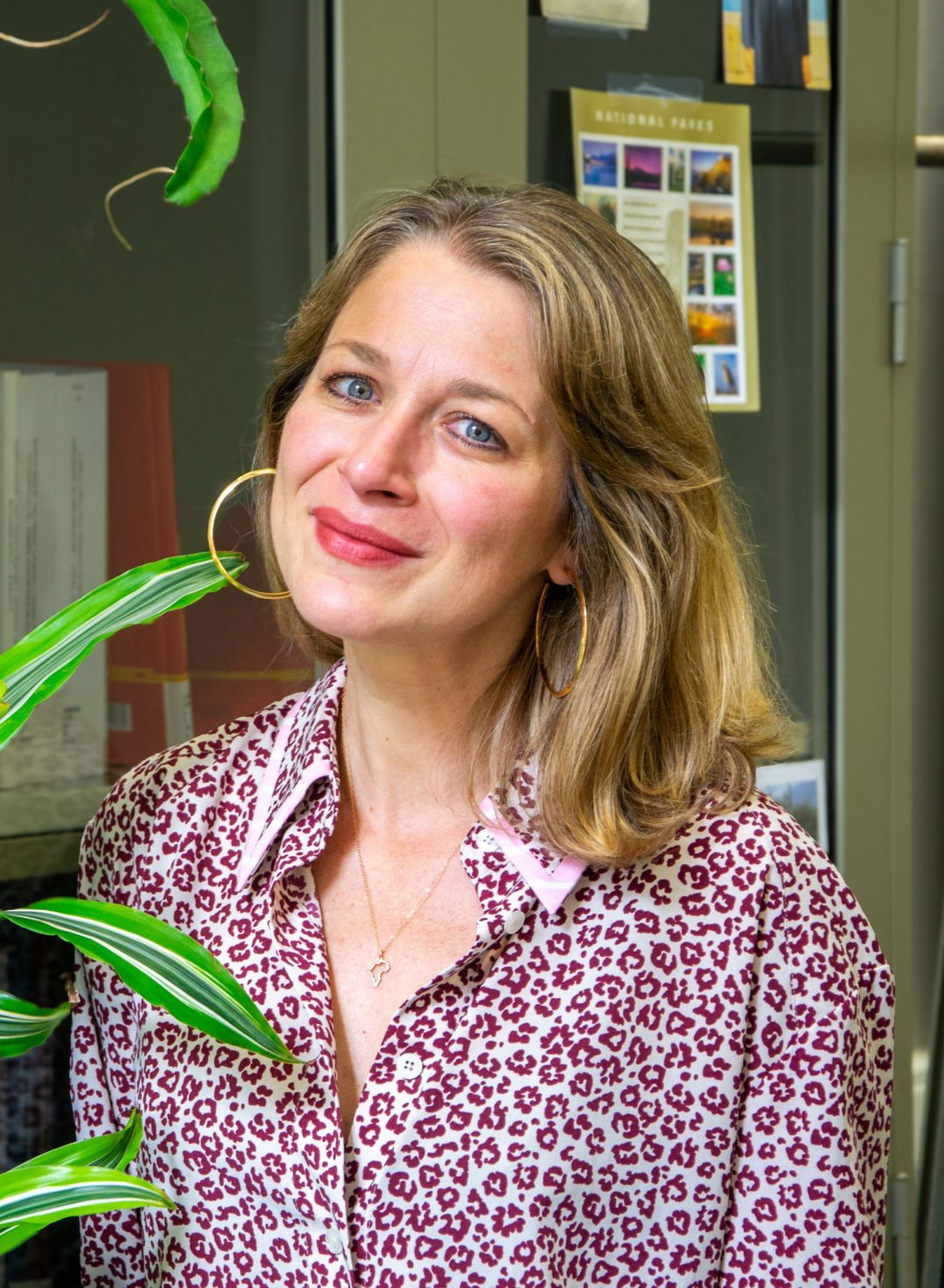
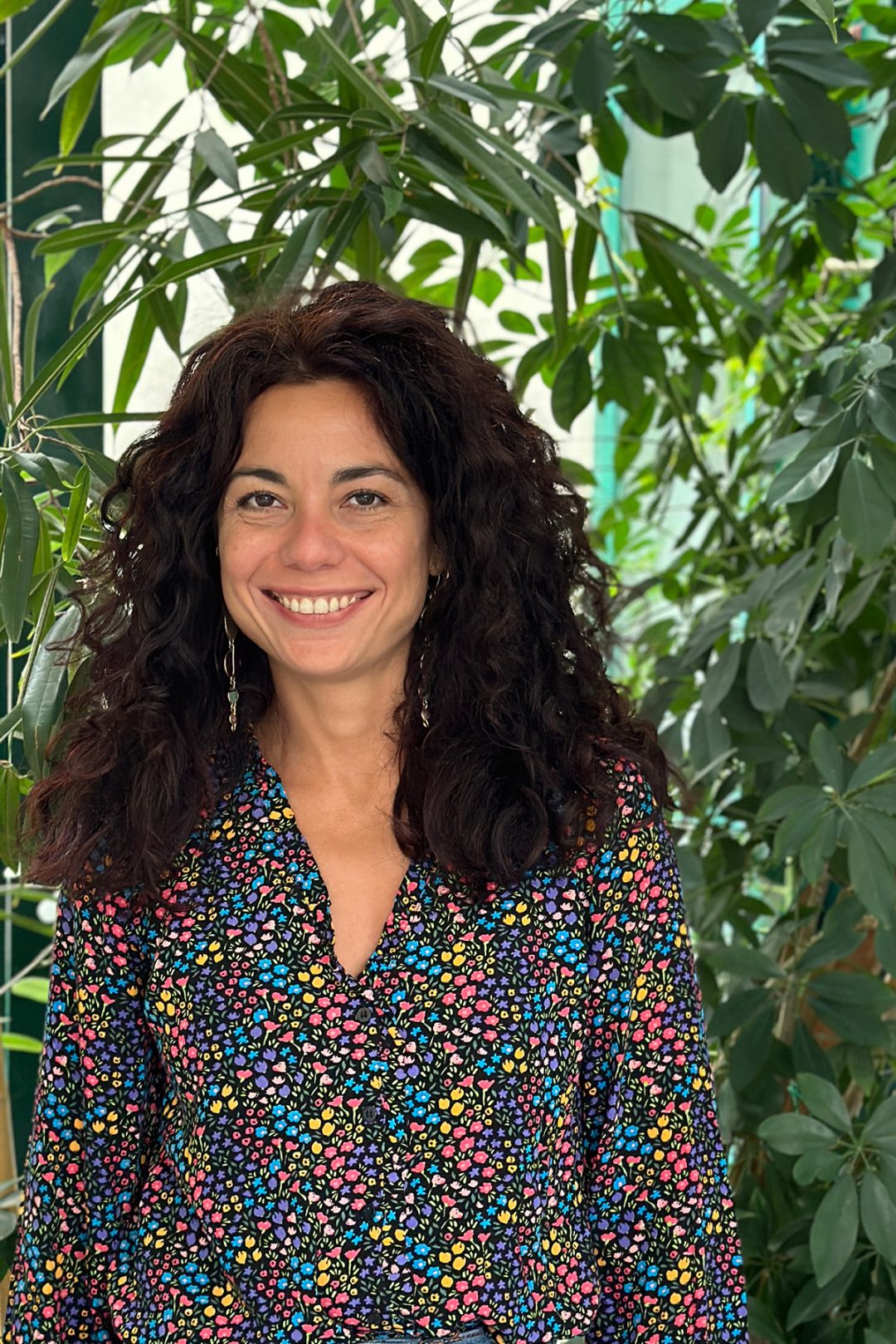
Full profile: Why do neurodevelopmental conditions and educational outcomes run in families? This question drives the research of Dr Elsje van Bergen, an Associate Professor at the Vrije Universiteit (VU) Amsterdam and Visiting Professor at the University of Oslo. She leads an interdisciplinary team working at the intersection of genetics, psychology, psychiatry, education, and public health.


Elsje’s research investigates why some children find learning easier than others, and how genes and environments shape these outcomes across development. Her work spans language, reading, and mathematics, as well as neurodevelopmental conditions such as dyslexia, dyscalculia, ADHD, and autism. By disentangling genetic inheritance from environmental influences, her team aims to better understand the causes and consequences of learning differences, and how these relate to mental health. This work has important implications for educational practice, health interventions, and policy.


She currently holds several prestigious personal grants, including an ERC Starting Grant, NWO VIDI Talent Grant, and a Jacobs Foundation Research Fellowship, and has previously been awarded the Rubicon and VENI Talent Grants. Her research has appeared in leading journals including Nature Human Behaviour, Nature Mental Health, and Psychological Science. Elsje has received multiple early- and mid-career awards, including from the Society for the Scientific Study of Reading, the Association for Psychological Science, and the Federation of Associations in Behavioral & Brain Sciences.


At VU Amsterdam, she works in the Department of Biological Psychology, home to the Netherlands Twin Register, and is affiliated with LEARN! and Amsterdam Public Health. She earned her PhD in Child Development and Education from the University of Amsterdam (2013), and held postdoctoral fellowships in Developmental Psychology at the University of Oxford (2012-2015).


Beyond research, Elsje is committed to interdisciplinarity, science communication, and supporting early-career researchers. As a member of the Amsterdam Young Academy (2020–2024), she co-led interdisciplinarity initiatives, co-authored the AYA Interdisciplinarity Guide, advised the university board on strategic planning, and spoke at public events. She teaches science communication to MSc and PhD students, and regularly shares findings in accessible formats.


Her academic journey has taken her to Latvia, Scotland, England, Switzerland, and Norway, in roles ranging from exchange student to visiting professor. She has learned several European languages and describes herself as having “a truly European heart.” Outside work, she enjoys acrobatics, yoga, and pole sport, and spending time with her husband and two young children.

Li

Affiliation: University of Bergen

Keywords: Rogue waves, Wave-coupled processes, Mathematical modelling of multiscale systems, Hydrodynamics, Wave and current interaction, Offshore renewable energy

Webpage

Orcid identifier

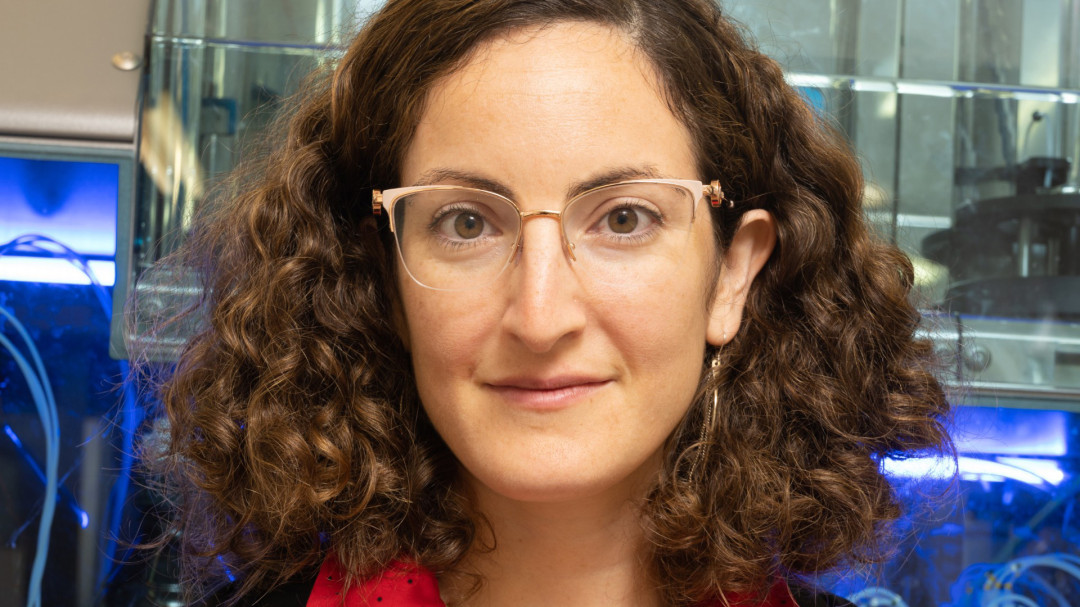
Full profile: Yan Li is currently an associate professor of fluid mechanics, leading a research group working on diverse topics in fluid dynamics, coastal/ocean engineering, applied mathematics, and offshore renewable energy. She received her PhD in fluid dynamics/wave and current interaction from the Norwegian University of Science and Technology, and M.Sc. degree in ocean engineering from Shanghai Jiao Tong University. As PI, Co-I, and partner, she has received financial support for several research projects from national and international funding bodies, such as the ERC, Marie Sklodowska-Curie – DTU H.C. Ørsted co-fund, Research Council of Norway, and the UK EPSRC-NERC co-fund. She is currently a PI of an ERC-STG-2024 project (2024-2029) which aims to develop a novel multiscale approach for the two-way coupling within a wave-current-atmosphere system. She has authored and co-authored over 40 peer-reviewed journals and conference papers, and has been invited to presenting her research and (co-) chairing sessions in national and international conferences, workshops, seminars, and summer schools.

Nocentini

Affiliation: The National Metrology Institute of Italy

Keywords: Responsive polymers, integrated photonics, liquid crystal polymers, two-photon direct laser writing, nonlinear photonic materials, autonomous response, optical cryptographic functions

Webpage

Orcid identifier

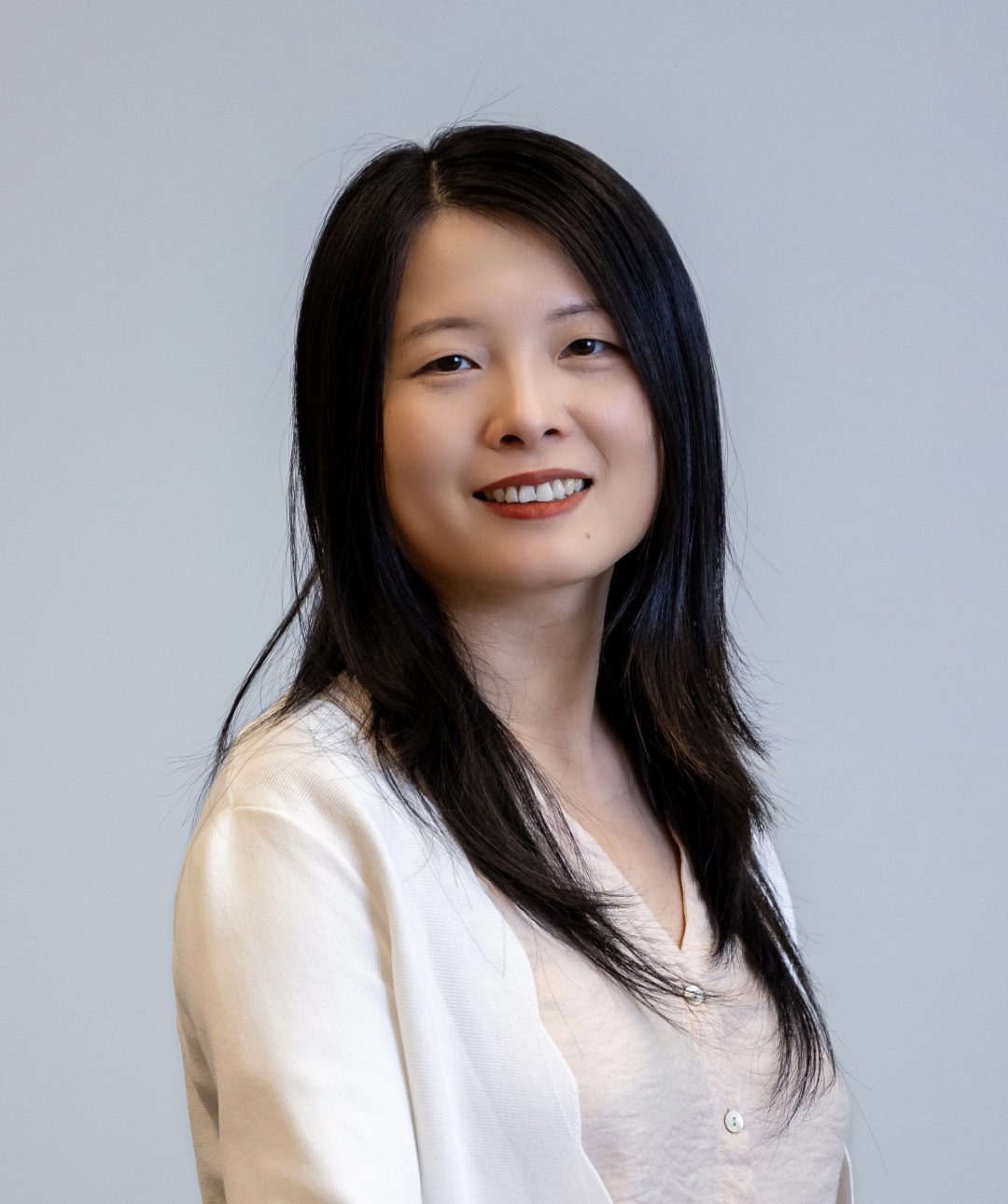
Full profile: Sara Nocentini is a first-researcher at the National Institute of Metrological Research (INRiM) in Turin, within the Division of Metrology of Innovative Materials and Life Sciences. She received her International PhD in Atomic and Molecular Photonics from the European Laboratory for Nonlinear Spectroscopy (LENS) in Florence in 2017. Following a postdoctoral position at LENS, she then joined CNR-INO as a postdoctoral researcher and later on continued her research as a fix termed researcher at INRiM.

She was awarded with the Woman in Science Fellowship at Humboldt University in Berlin in 2022. She is the author of over 25 articles in international journals and a reviewer for several high-impact journals in material science and photonics.

Her research has received national and international support and recognition through various scholarships. She is the coordinator of a metrology project and the national PRIN 2022 project ‘Photag’. In 2024, she was awarded funding for the ERC Starting Grant project ‘3DnanoGiant’.

She is a physicist with a passion for material science and its application to advance the field of integrated photonics. Her research interests and activities include smart polymers for photonics, microrobotics, and cryptography in both linear and nonlinear regimes.

Member talk series: 3 July 2025 – 13-14 CET

Speaking Minds: Detecting Neurological Disorders through Language

The aim of these webinars is for our membership to share what they are working on, and for YAE discussants to open a dialogue on the interdisciplinary potential of this work. Following a successful webinar in late April, the next event is the 3rd of July from 13.00-14.00 CET:

Speaking Minds: Detecting Neurological Disorders through Language

The discussion focuses on how language features, decoded through machine learning, can become powerful biomarkers for neurological disorders. We spotlight cutting-edge trends and suggest future research synergies poised to revolutionize early, non-invasive diagnosis, unlocking new frontiers in detecting brain health through language.

Speaker: Georgios Georgiou – Georgiou – Young Academy of Europe

Discussant 1: Valantis Fyndanis – Fyndanis – Young Academy of Europe
Discussant 2: Ioana Podina – Podina – Young Academy of Europe
Discussant 3: Kevin Tang – Tang – Young Academy of Europe

Please sign up via here (link will be active from Saturday 14 June)

Amini

Affiliation: Max-Born Institute

Keywords: Ultrafast diffraction imaging, ultrafast photochemistry, ultrafast photophysics, femtosecond molecular dynamics, ultrafast phase transitions

Orcid identifier

Full profile: Kasra completed his PhD at University of Oxford in 2017 on laser-induced Coulomb explosion imaging and postdoctoral positions on laser-induced electron diffraction at The Institute of Photonic Sciences (ICFO, Barcelona). In 2021, Kasra was the junior group leader of the newly-established ultrafast electron diffraction group (UED) at Max-Born Institute (MBI, Berlin), focussing on high repetition rate UED imaging of transient gas-phase and condensed matter structures with high temporal resolution. In 2024, Kasra received the prestigious European Research Council (ERC) Starting Grant (€2.5 million) to continue his groups work on UED with exploring its extension to both time- and energy-resolved electron scattering (TERES).

Kvatinsky

Affiliation: Israel Institute of Technology

Keywords: Computer architecture, VLSI, circuit design, chip design, memristors

Webpage

Orcid identifier

Full profile: Shahar Kvatinsky is a Full Professor at the Andrew and Erna Viterbi Faculty of Electrical and Computer Engineering, Technion – Israel Institute of Technology and a Visiting Professor at the Edward S. Rogers Sr. Department of Electrical & Computer Engineering, University of Toronto. Shahar received the B.Sc. degree in Computer Engineering and Applied Physics and an MBA degree in 2009 and 2010, respectively, both from the Hebrew University of Jerusalem, and the Ph.D. degree in Electrical Engineering from the Technion – Israel Institute of Technology in 2014. From 2006 to 2009, he worked as a circuit designer at Intel. From 2014 to 2015, he was a post-doctoral research fellow at Stanford University. Kvatinsky is a member of the Israel Young Academy and a Fellow of the Young Academy of Europe. He is the head of the Architecture and Circuits Research Center at the Technion, chair of the IEEE Circuits and Systems in Israel, and an associate editor of Microelectronics Journal. Kvatinsky has been the recipient of numerous awards: the 2023 Uzi & Michal Halevy Award for Innovative Applied Engineering, the 2021 Norman Seiden Prize for Academic Excellence, the 2020 MDPI Electronics Young Investigator Award, the 2019 Wolf Foundation’s Krill Prize for Excellence in Scientific Research, the 2015 IEEE Guillemin-Cauer Best Paper Award, the 2015 Best Paper of Computer Architecture Letters, Viterbi Fellowship, Jacobs Fellowship, an ERC starting grant, the 2017 Pazy Memorial Award, 2014, 2017, 2021, and 2025 Hershel Rich Technion Innovation Awards, the 2013 Sanford Kaplan Prize for Creative Management in High Tech, 2010 Benin prize, and seven Technion excellence teaching awards. His current research is focused on circuits and architectures with emerging memory technologies and the design of energy-efficient architectures.

Yang

Affiliation:  University of Edinburgh

Keywords: Embodied AI, Soft sensors, Machine learning, Robotic Perception

Webpage

Orcid identifier

1

Full profile: Dr. Yunjie Yang is an Associate Professor at The University of Edinburgh. He is also an affiliate of the Edinburgh Futures Institute (EFI), the Edinburgh Generative AI Laboratory (GAIL) fellow, and part of the Edinburgh Centre for Robotics. He was the Chancellor’s Fellow in Data Driven Innovation (2018-2023) and Bayes Innovation Fellow (2023-2024). He received his PhD in Engineering Electronics from The University of Edinburgh, MSc in Control Science & Engineering from Tsinghua University, and BEng in Measurement & Control Engineering from Anhui University. After his PhD, he briefly worked as a Postdoctoral Research Associate in Chemical Species Tomography at The University of Edinburgh before he secured the lectureship.

His research interests focus on AI-powered sensing and imaging, machine learning, soft sensors & electronics for robotics. His research has led to over 130 peer-reviewed journal and international conference publications, many of which were published in high-impact journals such as Nature portfolio journals. His research has been licensed to overseas research institutes and industry partners and received wide media coverage, including BBC, EFE, USA Today and STV. He is the awardee of the prestigious European Research Council (ERC) Starting Grant (2024).

Dr. Yang serves as the Associate Editor of IEEE Transactions on Instrumentation and Measurement, the Editorial Board Member of Scientific Reports, the Guest Editor of IEEE Sensors Journal, and the regular reviewer for over 70 high-impact international journals. He served as the track/session chair of several international conferences. He is the recipient of the 2024 IEEE J. Barry Oakes Advancement Award (For demonstrated exceptional expertise, innovation and leadership in the field of Instrumentation and Measurement), 2015 IEEE I&M Society Graduate Fellowship Award, and multiple Best Paper Awards. He is a Senior Member of IEEE, a Fellow of the International Society for Industrial Process Tomography (FISIPT), and a Fellow of the Higher Education Academy (FHEA).

Hirsch

Affiliation: Independent scholar (Luxembourg) with Academic Visitor status in the Classics Faculty of the University of Oxford

Keywords: Latin literature, Classical rhetoric, ancient and modern oratory, Cicero, Maurice Garçon

Webpage

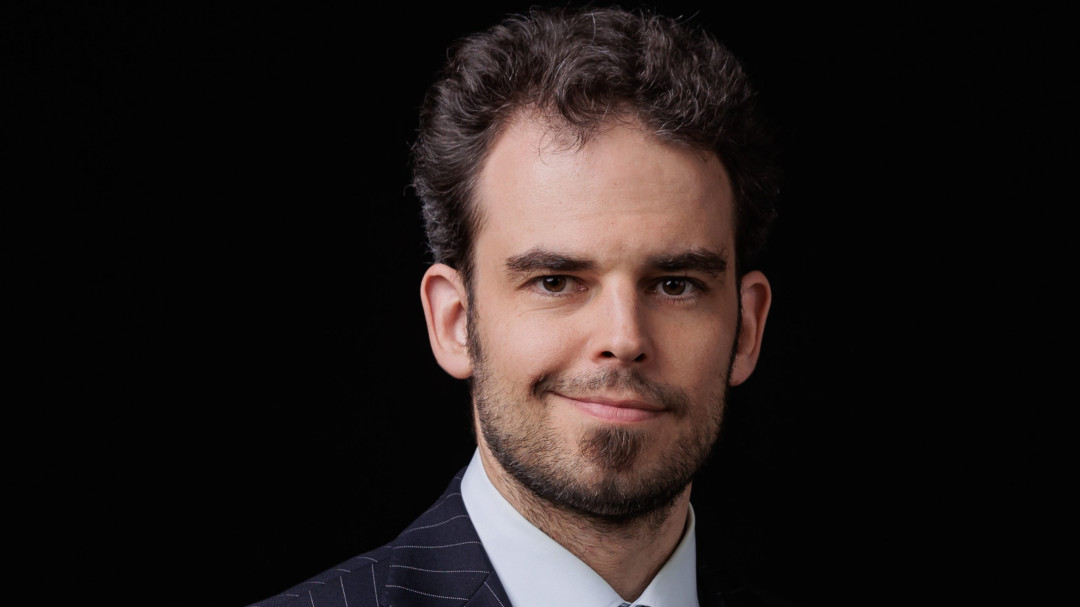
Full profile: Thierry holds master’s degrees in Latin literature and Musicology (University of Tübingen), in Latin language and literature (University of Oxford), and in Criminal law (University of Toulouse Capitole). He received his PhD in Classics from Oxford with a thesis on Cicero’s first work on rhetorical theory.

The grandson of a two-time internal refugee from WWII, he decided to continue with his research as an independent scholar while being professionally active outside of academia, first by getting involved in the management of the ‘refugee crisis’ that started in Europe during his PhD. After a year spent as a volunteer with a UN program, he was appointed head of the refugee program within the Employment Agency of Luxembourg, his home country, in 2017. Sensing that his vocation lay in defending people, he left the civil service in 2020 to study law in order to become an avocat (barrister).

Since 2018 he has been an Associate Researcher, then Academic Visitor in the Oxford Classics Faculty, and in 2022-2025 served on the Executive Council of the International Society for the History of Rhetoric (ISHR), of which he has been a two-time Research Fellow. In 2024 he was elected to serve on Luxembourg’s Consultative Human Rights Commission, which advises the government and parliament of Luxembourg on human rights issues. Since 2016 he has been one of the organists of the renowned Stahlhuth-Jann organ of St Martin’s, Dudelange.

He is the author of two volumes of works by Claude Debussy and W.A. Mozart arranged for the organ (Carus Verlag). His scholarly book publications so far include a German bilingual edition of Rhetorica ad Herennium (Reclam Verlag) as well as two textbooks combining Classical rhetorical theory with modern law court speeches, Introduction à l’art de la plaidoirie. L’exemple luxembourgeois (Larcier-Promoculture) and L’art de la plaidoirie. Théorie et pratique (Larcier-Bruylant), which includes a selection of 30 law court speeches by leading avocats from Belgium, France, and Luxembourg. Thierry currently works on a major commentary on Book 1 of Cicero’s De Inventione (OUP) in parallel with a bilingual English edition of Cicero’s De Inventione, De Optimo Genere Oratorum, and Topica (HUP, Loeb Classical Library), as well as on a commentary on Cicero’s Actio Prima in C. Verrem (CUP) and a reedition cum introduction of Maurice Garçon’s treatise on rhetoric and two major law court speeches (Les Belles Lettres).

Gabanyi

Affiliation:  Gulbenkian Institute of Molecular Medicine, Portugal

Keywords: Gut-Brain axis ; Neuroimmunology ; Microbiota ; peptidoglycan; Pattern Recognition Receptors (PRRs); Sex hormones

Webpage

Orcid identifier

Full profile: I started my research training in 2004, at the University of Sao Paulo (USP) in Brazil. The main goal of my undergraduate, and Master’s projects was to uncover novel therapeutical approaches for Diabetes Mellitus. This research was supported by Brazilian government fellowships. During my Master’s, I obtained a scholarship from the École normale supérieure de Cachan (France) to spend six months there, in a research training program expanding my knowledge of molecular biology and viral vectors. In 2011, I joined a neuroimmunomodulation group and started my Ph.D. at USP. In the 2nd year of my Ph.D., I obtained an international fellowship to continue my research training at the Rockefeller University in New York, studying neuroimmune interactions in the gut. The work I accomplished during my thesis, uncovered a neuro-immune axis that induces a tissue-protective program in gut macrophages in response to a potentially pathogenic insult (Gabanyi et al. Cell 2016).

During this time, I acquired a solid understanding of gut immunology and the enteric-associated nervous system and became increasingly interested in studying the poorly characterized mechanisms of neuronal responses to bacterial stimuli. Thus, I joined the Institut Pasteur (France) for my postdoctoral work, where I have gained a solid foundation in neuroscience, particularly in the study of the central nervous system. The work I carried during this period describes cell-autonomous effects in brain neurons in response to bacterial compounds regularly released by the intestinal microbiota at homeostasis, uncovering a new sex- and age-dependent microbiota-brain axis involved in metabolism control (Gabanyi et al. Science 2022). Although many studies have highlighted the importance of the gut-brain axis, we are still far from understanding the mechanisms by which the gut microbiota modulates brain circuits. To continue to dissect the mechanisms and external factors involved in the microbiota-gut-brain axis interactions I joined the Gulbenkian Institute of Science (now Gulbenkian Institute of Molecular Medicine) in Portugal to establish my research team in 2022.

YAE member conversations – 29 April 14.30-15.30

Some of the most innovative and groundbreaking ideas come from collaborative efforts across disciplines. We at the YAE are a unique group of individuals from wide ranging disciplines, in our most scientifically productive phase of our careers, and potentially at a stage when we are actively seeking to look beyond the boundaries of our own niches. To harness this potential, this year’s member talk series has taken the form of ‘conversations’ between scientists to explore new avenues of collaborative thinking.

The first of this series showcases 2 such conversations. Please join us on the 29th April 2025 14.30 to 15.30 CET. Register Here:

Drs Gianvito Vile, Chao Zhang and Wolfgang Tress will be “Rethinking Chemical Manufacturing with Atomically-Precise Materials“. This conversation will explore into how atomically-precise materials, such as single-atom catalysts and well-defined nanostructures, are enabling a new era in chemical manufacturing. The talk will highlight breakthroughs in selectivity, sustainability, and process integration, with broader implications for sustainable industry and society.

Drs Jan De Graaf, Emilian Mihailov and Scott Bremer will be discussing “Golden Age Lost? Social Mobility and Democracy in Contemporary Europe”. This conversation starts from social cohesion and democratic participation in contemporary European history, and ambitions to knit closer ties between Eastern and Western Europe. The three will explore shifting notions of democracy in Europe in relation to, among other things, grand societal challenges, freedoms, and how social life is organised in time.

(Image: Atomic clock – Andrew Brookes, National Physical Laboratory/SPL)