 Affiliation: Aachen University, DE
Keywords: Biology, Neuroscience, Physiology, Virology, Neurobiology and Brain Physiology, Neuroimaging
 Webpage
Full profile:
Affiliation: Aachen University, DE
Keywords: Biology, Neuroscience, Physiology, Virology, Neurobiology and Brain Physiology, Neuroimaging
Full profile:
 Affiliation: Radboud University Nijmegen, NL
Keywords: Perception, Action, Control
Full profile:
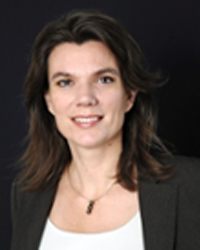
Karin Roelofs is Professor of Experimental Psychopathology at the Behavioural Science Institute (BSI) and chair of the PI-group “Affective Neuroscience” at the Donders Centre for Cognitive Neuroimaging (DCCN), Radboud University Nijmegen (RU).
Her true passion is to study psychological and neuroendocrine mechanisms underlying social-motivational behavior in healthy individuals and in various forms of psychopathology where social-motivational behavior is disregulated. Her group studies hormone-brain interactions in stress-related disorders (social phobia and PTSD), psychopathy and somatoform disorders (conversion and somatisation), using various neuroscience techniques: fMRI, EEG, and TMS.
Important research questions are: How do people regulate their emotional actions? Can we improve emotion control by administering hormones, such as testosterone or by directly influencing brain activity? Can we predict who will develop psychopathology on the basis of freeze-fight and flight tendencies? Answering these questions will eventually lead to increased insight in affective disorders and promises to advance early detection of symptoms and their treatment.
Karin Roelofs received several grants for her research from the Dutch Brain Foundation (NHS), the European Research Council (ERC-starting grant), the Netherlands Organization for Scientific Research (NWO: VENI, VIDI, VICI and ASPASIA grants). Furthermore, she is a registered GZ psychologist (BIG) and cognitive behavioral therapist (VCGT).


Affiliation: University of Cologne, DE
Keywords: Genome Stability in Ageing and Disease
Full profile:
Prof. Dr. Björn Schumacher’s research group uses the nematode worm Caenorhabditis elegans to understand the causal role of DNA damage in aging and disease. With increasing age, damage to the genome accumulates and leads to the degeneration of cells and tissues. DNA damage thus plays a causal role in aging-associated diseases. The risk of cancer also increases with age because erroneously repaired DNA leads to mutations that can trigger cancer. Schumacher’s team has identified mechanisms that antagonize the detrimental consequences of DNA damage by maintaining tissue integrity and maximizing lifespan, even when the DNA damage cannot be repaired. The Schumacher group has also shown that DNA damage in individual cells impacts the entire organism. The systemic DNA damage responses are mediated by the immune system and increase the general stress resistance of the tissues throughout the body. These findings are particularly important for understanding progeria, disorders that result in premature aging in childhood. Premature aging is caused by congenital dysfunction of the DNA repair processes. Understanding the mechanisms by which organisms respond to accumulating DNA damage with age is pivotal for developing novel therapies to prevent aging-asso-ciated diseases and contribute to optimizing cancer treatment.
Our research: The DNA in each cell of the human body experiences many damaging influences over a lifetime. Although the cells have very effective DNA repair mechanisms, DNA damage inevitably accumulates with age. DNA damage leads to a loss of tissue function and the onset of aging-associated diseases. Prof. Bjorn Schumacher’s research group explores how DNA damage affects cells, tissues, and the organism as a whole. This research is important in understanding several congenital diseases caused by defects in the highly complex nucleotide excision repair pathway (NER), including the childhood progeroid (premature aging) diseases, Cockayne syndrome (CS) and trichothiodystrophy (TTD), and xeroderma pigmentosum (XP), which increases the risk of skin cancer. Better understanding of the consequences of DNA repair defects may also lead to new therapeutic options for aging-associated disorders and cancer.
Affiliation: University College London, UK
Keywords: Neuroscience, Neuroimaging
Full profile:

 Affiliation: TU Munich, DE
Keywords: Molecular Magnetic Resonance Imaging
Full profile:
The work of Professor Westmeyer’s laboratory is focused on developing next generation molecular imaging and control technology for in vivo imaging of brain function. To this end, bioengineering, nanotechnological and synthetic techniques are combined with non invasive imaging methods such as Magnetic Resonance Imaging. This methodology is applied to questions in neuroscience and preclinical models of neuropsychiatric diseases. Professor Westmeyer studied medicine and philosophy in Munich and conducted his doctoral work on the molecular basis of Alzheimer’s disease in Professor Christian Haass’ laboratory in Munich before performing a part of his clinical education at Harvard Medical School. In 2005 he moved to Professor Alan Jasanoff’s laboratory at M.I.T. where he carried out postdoctoral research until he joined the faculty at TUM Medical School in 2011. Professor Westmeyer also leads a Helmholtz Young Investigators’ group on molecular imaging at the Helmholtz Center Munich.