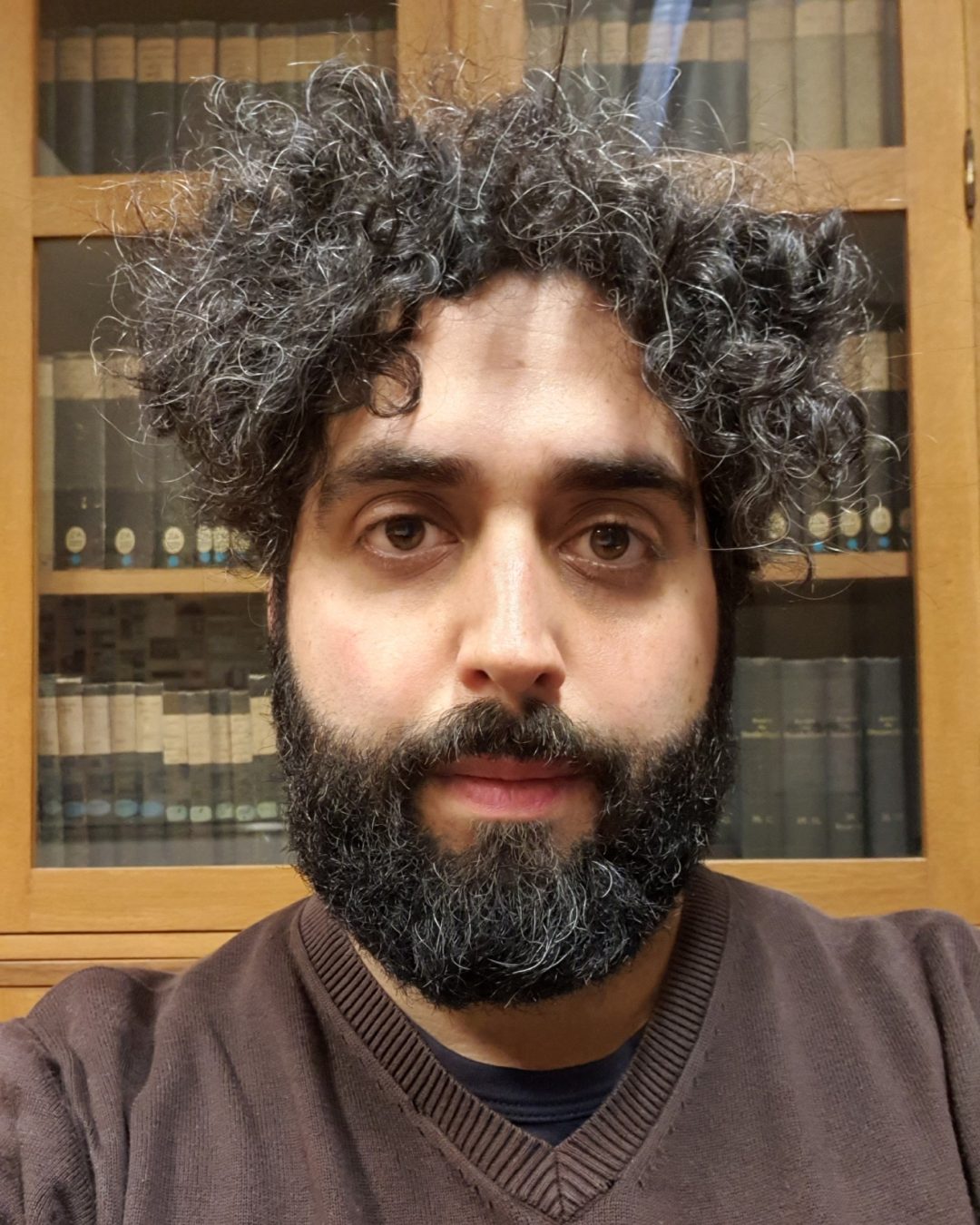
Sarikaya

Affiliation: Universität zu Lübeck

Keywords: Philosophy of AI, Philosophy of Mathematical Practice, Epistemology, General Philosophy of Science, later Wittgenstein. 
Webpage

Orcid identifier

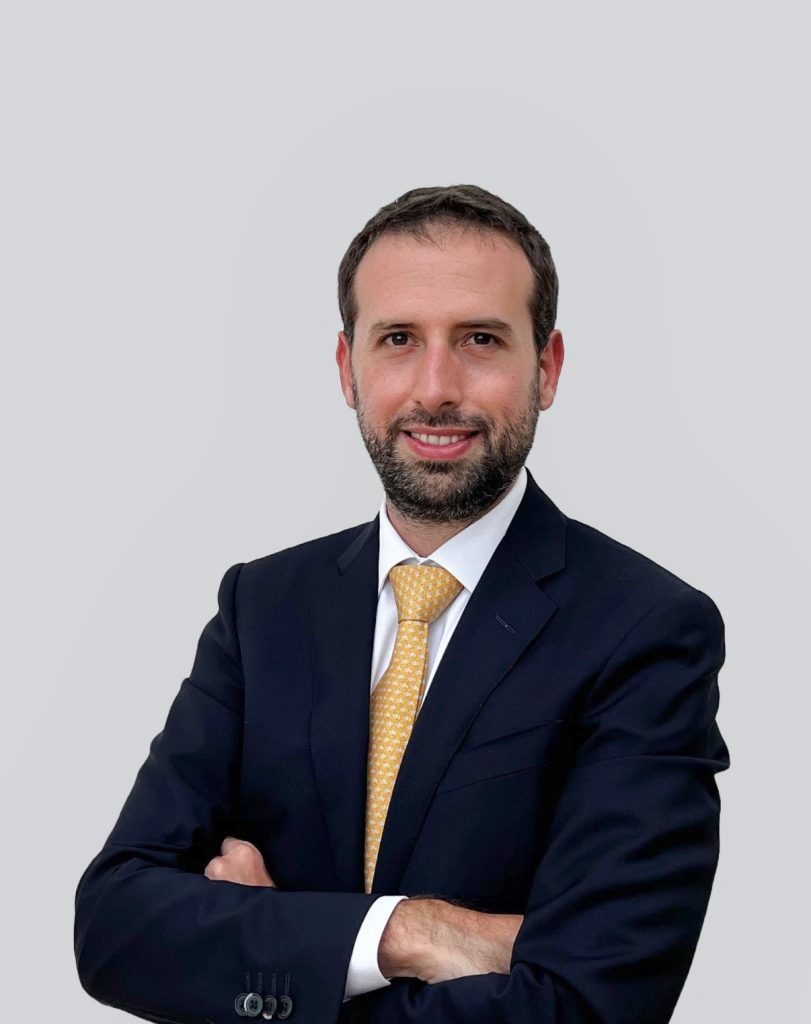
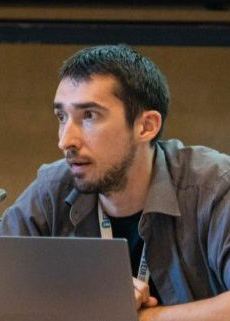
Full profile: Deniz Sarikaya is a philosopher of the formal sciences (AI, mathematics & logic) working at the intersections of epistemology, philosophy of language, ethics and cognition. He is a postdoctoral researcher at the Ethical Innovation Hub (EiH) of the Universität zu Lübeck (UzL) (Chair C. Herzog). His main goal is to understand technologies and their societal impact. More precisely, his current work connects (hinge) epistemology with the ethics of AI mainly in contexts of diversity and education. He furthermore studies mathematical practice drawing from frame semantics.

Previously, Deniz Sarikaya was a postdoctoral researcher within the FWO project “The Epistemology of Big Data: Mathematics and the Critical Research Agenda on Data Practices” (at the Vrije Universiteit Brussel) and a DAAD-funded postdoc at the University of Copenhagen and Technical University of Denmark working in his project “theoretical virtues of conjectures and open questions in mathematical practice”.

Deniz Sarikaya spent short research stays at the MCMP of the LMU Munich, the Universitat de les Illes Balears, the EiH at the UzL, the Ethics in IT Group of the University of Hamburg, and at the ETH Zurich.

Deniz Sarikaya earned a PhD in Philosophy (and the Moral Sciences) at the Centre for Logic and Philosophy of Science of the Vrije Universiteit Brussel, supervised by Ulrich Gähde (Hamburg) and Bart van Kerkhove (Brussels). The dissertation on the philosophy of mathematical practice was awarded the dissertation prize of the Deutsche Vereinigung für Mathematische Logik und Grundlagen der Exakten Wissenschaften (DVMLG), i.e. a talk at their PhD Colloquium. He studied philosophy (MA 2016, BA 2012) and mathematics (MSc 2019, BSc 2015) at the University of Hamburg, with stays at the Institute for Logic, Language and Computation (Amsterdam), the Universitat de Barcelona, as a visiting student researcher at UC Berkeley, and in a research internship at the University of British Columbia.

In addition to this, he serves as coordinator of the UNESCO World Logic Day (appointed by CIPSH after a nomination by the DLMPST), moderator of the LOGIC mailing list, co-founder of the Young Network for Wittgensteinian Philosophy, Zweiter Vorsitzender of the William‑Stern‑Gesellschaft e.V., organizing enrichment classes for mathematically gifted youth. He is a member of the Respect Research Group and DMRCP fellow. Deniz Sarikaya was elected a Young Academy Fellow (YAF) of the Akademie der Wissenschaften in Hamburg in 2024 and is currently spokesperson of the YAFs.
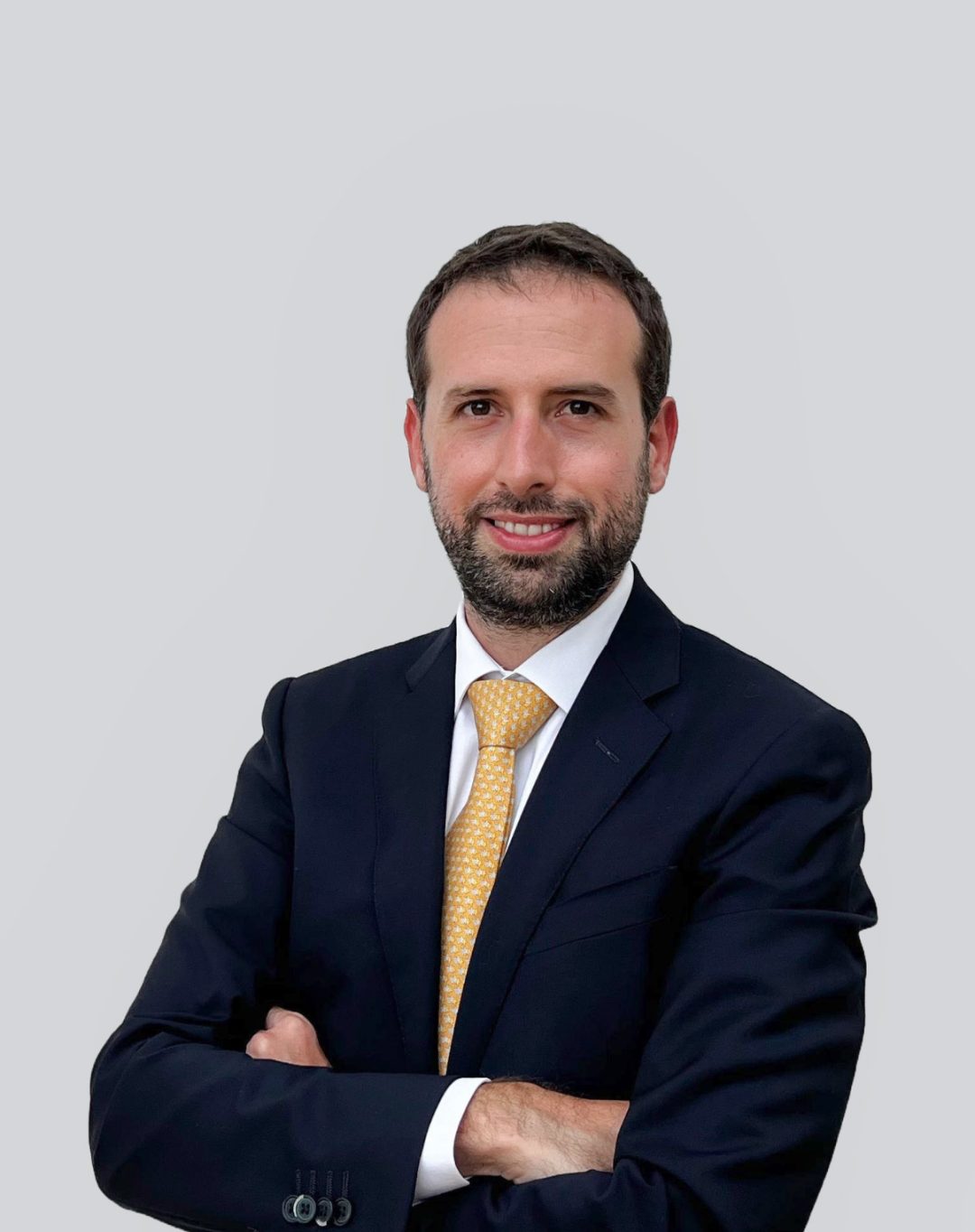
Giovannini

Affiliation: Department of Physics, University of Rome

Keywords: Quantum Chemistry; Condensed Matter Physics; Multiscale Modeling; Plasmonics; Light–Matter Interaction; Computational Spectroscopy

Webpage

Orcid identifier

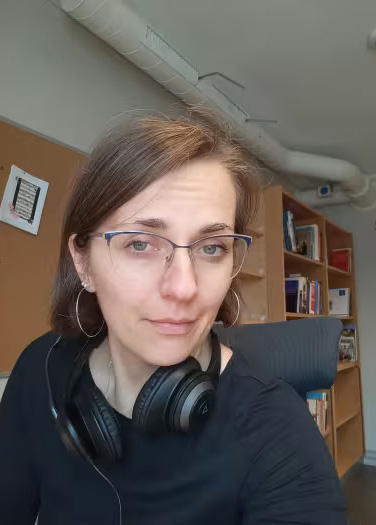
Full profile: Tommaso Giovannini is a tenure-track assistant professor in Theoretical Physics of Condensed Matter at the Department of Physics, University of Rome Tor Vergata (Italy). He studied Chemistry at the University of Pisa, graduating cum laude in 2015, while simultaneously obtaining the Diploma of the Scuola Normale Superiore (Pisa, Italy) as a “Studente Ordinario”. He then earned a Ph.D. in Methods and Models for Molecular Sciences (cum laude) at the Scuola Normale Superiore (2015–2019). After his Ph.D., he held a postdoctoral fellowship at the Norwegian University of Science and Technology (NTNU), Trondheim (2019–2021), followed by a fixed-term Junior Assistant Professorship (researcher) position at the Scuola Normale Superiore (2021–2024). In June 2024, he joined the University of Rome Tor Vergata as a tenure-track assistant professor.

His group works on the theoretical development, implementation, and application of multiscale computational methods to study spectral signals and response properties of complex, realistic systems, at the interface of quantum chemistry and condensed-matter physics. In particular, the group develops and applies quantum/classical strategies for condensed-phase molecular spectroscopy, especially for solvated molecules where strong and specific solute–solvent interactions (e.g., hydrogen bonding) require an accurate atomistic description of the environment together with a reliable treatment of the solute electronic structure. These methodologies can be combined with molecular dynamics sampling and applied to a wide range of observables, spanning UV/Vis absorption, vibrational spectroscopies, and Raman scattering. In parallel, the group develops fully atomistic, yet classical, models for nanoplasmonics to describe the optical response of realistic nanostructures (metal nanoparticles, aggregates, nanojunctions, alloys, and graphene-based materials). These models can be coupled to quantum descriptions of molecular adsorbates to quantify how plasmonic substrates modify adsorbate properties, from plasmon-induced changes in electronic structure to surface-enhanced spectroscopies.

Tommaso’s research has been recognized through several awards, including the Raman Award (2024) for Best Young Researcher, the Eolo Scrocco Award (2025), the Young Physical Chemistry Award (2022), and the Philip J. Stephens Award (2018). He was also selected as the IUPAC Young Observer for Italy (2024–25) and for the 2024 CAS Future Leaders Top 100 program.
He is the author of 80+ peer-reviewed publications in leading international journals (including Chemical Society Reviews, Physical Review X, Nature Communications, Nano Letters, and Chemical Science), is co-inventor of one granted Italian patent, and has delivered 40+ presentations at international conferences and workshops, including invited and keynote talks. He also contributes to the scientific community being member of the Nano Letters Early Career Advisory Board (American Chemical Society, since 2025). Alongside research and mentoring, he supports institutional and outreach activities at the University of Rome Tor Vergata, serving as a member of the Third Mission Committee and social media manager of the Department of Physics, and contributing to outreach initiatives and the organization of orientation activities for high-school students.

Since 2023, Tommaso has been actively raising competitive funding as Principal Investigator. He was awarded the Italian PRIN 2022 PNRR project POSEIDON (“hydroPhObic eutectic SolvEnts In water remeDiatiON”), where he serves as PI of the University of Rome Tor Vergata unit, focusing on the theoretical/computational investigation of hydrophobic eutectic solvents for sustainable water remediation. In 2025, he received a prestigious ERC Starting Grant for the project CHOPIN (atomistiC approacHes for plasmOnic Photo Induced phenomeNa), aimed at developing advanced theoretical methods to understand and predict plasmon-driven physics and chemistry, with a long-term perspective toward more efficient and sustainable chemistry in the context of plasmonic catalysis.

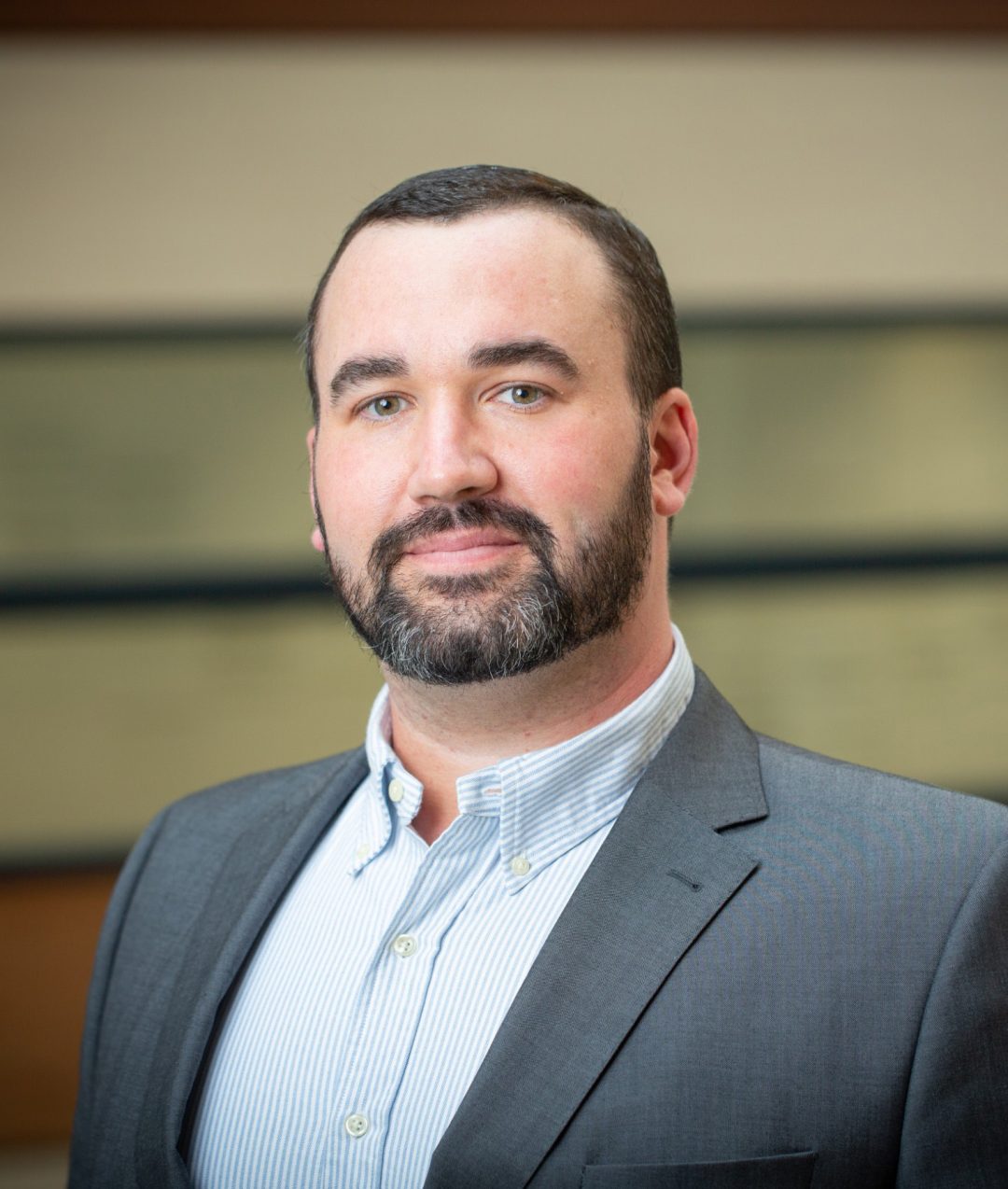
Uegaki

Affiliation: University of Edinburgh

Keywords: Linguistics, semantics, cognitive science, philosophy of language, semantic typology. 

Webpage

Orcid identifier

Full profile: Wataru Uegaki is a Reader and UKRI Future Leaders Fellow at the University of Edinburgh, where he is part of the Department of Linguistics and English Language within the School of Philosophy, Psychology, and Language Sciences. He earned his PhD in Linguistics from MIT in 2015. Following his doctoral studies, Wataru was a JSPS postdoctoral fellow at Keio University and Institut Jean-Nicod (CNRS/ENS) in 2016 and served as an assistant professor at Leiden University Centre for Linguistics from 2016 to 2019. He then joined the University of Edinburgh as a Lecturer in Semantics.

Wataru’s research focuses on semantics and pragmatics, exploring how humans infer meaning from natural language conversations. His work aims to uncover the systems that govern these inferences using theoretical tools from linguistics, logic, and cognitive science.

Wataru has led multiple research projects funded by organizations such as UK Research & Innovation (UKRI), the Arts and Humanities Research Council (AHRC) and the German Research Foundation (DFG) through the UK-German Collaborative Grant, the Netherlands Research Council, and the Japan Society for the Promotion of Science.

Passionate about the joys and complexities of language sciences, Wataru is dedicated to higher education teaching and public outreach, striving to share the excitement of his field with a broader audience.

Wrochna

Affiliation: Utrecht University

Keywords: Analysis, mathematical physics, partial differential equations, operator theory, Quantum Field Theory, differential geometry

Webpage

Orcid identifier

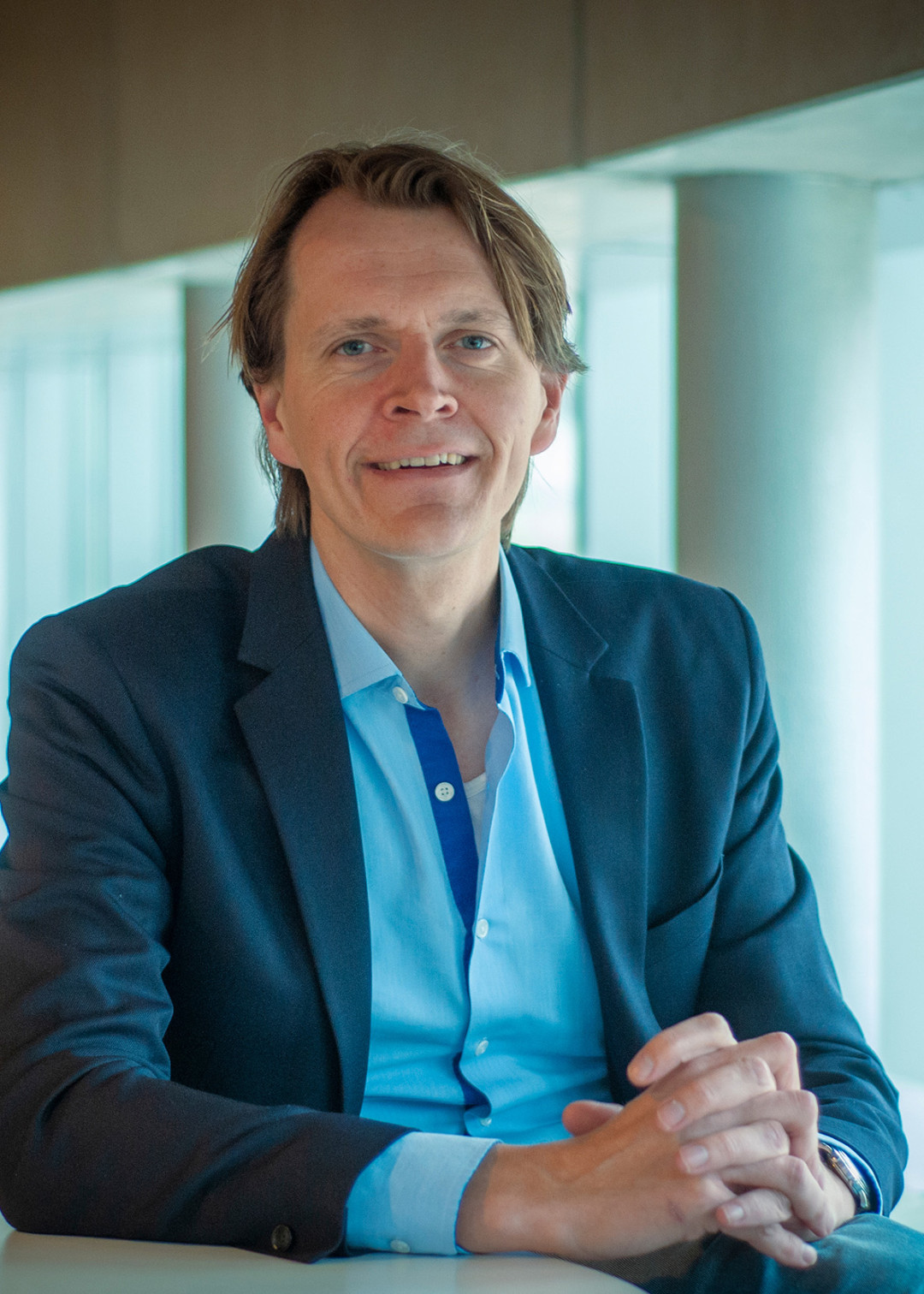
Full profile: Michal is a mathematician working at Utrecht University. He earned his PhD in Göttingen in 2013 and following his first post-doc in Orsay, he held permanent positions in Grenoble since 2014 (where he earned his habilitation in 2018) and then in Cergy Paris since 2019, where he is now on leave on absence from a professor position. He is currently also part-time research professor at the Vrije Universiteit Brussel. He has also held shorter visiting positions in Cambridge, Stanford, Bures-sur-Yvette (IHES) and in Freiburg (FRIAS), and has organized interdisciplinary conferences and thematic programmes at prestigious institutions including the Institut Henri Poincaré, the Mittag-Leffler Institute, the Institut Fourier and the Ecole de Physique des Houches. His work was funded by grants from national agencies including the French ANR and the Dutch NWO. In 2023 he was elected Junior Member of the Institut Universitaire de France, and in his early career he won in 2010 the Maria Bardadin-Otwinowska Prize for his work on Schrödinger operators.

His primary areas of research are mathematical analysis and mathematical physics, and his main interests lie in the application of methods from partial differential equations, microlocal or asymptotic analysis and spectral theory, often in geometric contexts. He specializes in Quantum Field Theory on curved spacetimes and has worked on problems including Hadamard states, renormalisation, AdS/CFT correspondence, QFT in external potentials, gauge theories and index theory. More generally, he is interested in various problems where there is a relationship between classical and quantum dynamics, or where local and global aspects are tied together in an intricate way.

Fung

Affiliation: Universiy College Dublin

Keywords: Science of Learning, Chemical Security, Science for Policy and Diplomacy, Educational Technology

Webpage

Orcid identifier

Full profile: Dr. Fun Man Fung is Assistant Professor leading Senpai Learn Research Group at the University College Dublin in Ireland since October 2024. He obtained his Ph.D. in the Department of Chemistry at the National University of Singapore (NUS) and earned his MSc. from NUS and Technische Universität München (TUM). He also holds a Certificate in Environmental, Social, and Governance (ESG) from Singapore Management University (SMU). He taught at the Faculty of Science at NUS and served as the Assistant Director of Education at a research institute within the university.

Dr. Fung’s research lies at the intersection of learning sciences and educational technology, focused on innovating technology-enabled learning in STEAM education. His work involves designing digital resources, including multimedia and eXtended reality, to enhance learning experiences, visualize complex concepts, and build sustainable learning communities. His research also explores AI as a learning partner and methods to foster inclusive education and critical thinking.

His research and educational activities have been recognized by several honours, including the Fulbright Scholars Program, Global Young Academy Membership (2019-2024), the CAS Future Leaders Program (2020), and the Thieme Chemistry Journals Award (2024). Other notable awards include the IUPAC Periodic Table of Younger Chemist (Fluorine), the D2L Innovation Award in Teaching and Learning (2019), and the YSEALI Professional Fellows Program in 2019.

Dr. Fung is heavily invested in the international chemical sciences community. He serves as an Associate Editor for the Open Access Chemistry Teacher International (IUPAC/ EuChemS) and holds positions on the editorial advisory boards of the Journal of Chemical Education (American Chemical Society, ACS) and JACS Au (ACS), and FEBS Open Bio (Federation of European Biochemical Societies). Since 2022, he is an elected council member of the Singapore National Institute of Chemistry (SNIC), served on the IUPAC Committee on Chemistry Education (2020-2024), and is the founding chair of the ACS International Chemical Sciences Chapter Singapore. He is also a Community Ambassador for the Green Chemistry Commitment Program. A passionate communicator, he has co-edited two books on chemistry education and outreach and contributed articles to outlets including The Conversation, The Straits Times, CNA, and the World Economic Forum.

Volacu

Affiliation: University of Bucharest

Keywords: Political Theory, Ethics of Voting, Electoral Policies, Democratic Theory, Democratic Resilience, Theories of Justice, Public Policy Analysis

Webpage

Orcid identifier

Full profile: Alexandru Volacu is an Associate Professor at the University of Bucharest. Primarily based at the Faculty of Business and Administration, he teaches a range of classes on governance, public policies, critical thinking, and academic ethics in four different departments of the university.

He has a PhD in Political Science, completed at SNSPA, in Bucharest (with one term as a Visiting Doctoral Student at the University of Oxford), and his main field of expertise is that of political theory, being interested in several topics such as electoral policies, the ethics of voting, democratic theory, democratic resilience, digital democracy, theories of justice, and the methodology of political theory.

He is currently a part of the Horizon Europe-funded PERYCLES Consortium (Participatory Democracy that Scales), and is a member of the Justice Everywhere cooperative of political theorists, a member of the ECPR Research Network on the Political Theory of Elections, and a member of the International Advisory Board at Critical Review of International Social and Political Philosophy. He previously held postdoctoral positions at the University of Bucharest and New Europe College, has been part of the H2020-funded REDEM Consortium (Reconstructing Democracy in Times of Crisis) and has been the director of several nationally funded research grants on electoral policies.

At the end of the 2025 he received the “Mircea Florian” Award of the Romanian Academy for his book, titled “Limits of the Electorate: Who Should Be Able to Vote in a Democracy?”, and

the Senate of the University of Bucharest Award for Most Prestigious Article of 2025, for the paper “Free-riding and Compulsory Voting” (published in the Journal of Politics).

Kochetkova

Affiliation: University of Bergen

Keywords: History of Technology and Science, Economic Development, Food, Food Security, Natural Resources, Chemistry, Eastern Europe, Cold War

Webpage

Orcid identifier

Full profile: Elena is associate professor of modern European economic history at the Institute of Archaeology, History, Cultural Studies, and Religion at the University of Bergen. She completed her PhD in Social Sciences (Economic and Social History) at the University of Helsinki in 2017. She has gained experience working as a research fellow at the Leibniz Institute for East and Southeast European Studies in Regensburg and as a lecturer and assistant professor at the Higher School of Economics in St. Petersburg.

Her first monograph, The Green Power of Socialism: Wood, Forest, and the Making of Soviet Industrially Embedded Ecology, was published in 2024 by MIT Press. The book critically reconsiders the environmental history of the Soviet Union by foregrounding engineers’ perspectives on nature. She has also published articles in Technology and Culture, Contemporary European History, Journal of Social History, Heritage and Society, and other leading journals. Her research has been supported by the Kone Foundation, the Research Council of Norway, and other funders.

Elena’s current book project focuses on scientific responses to food shortages and malnutrition in contemporary history. It examines the creation of synthetic food and the role of chemistry in addressing food insecurity.

Since 2016, Elena has been actively involved in professional networks and scholarly societies. From 2016 to 2022, she served as a member of the Management Committee and co-coordinator of the group on natural resources, environment, and technology within the Tensions of Europe Network for the History of Technology. From 2019 to 2021, she was Secretary of the European Society for Environmental History. She is currently a member of the Executive Committee of the Society for the History of Technology (2025–2027) and a board member of the journal Environment and History (2024–2027).

As a member of YAE, Elena engages with issues such as the future of open science in the age of artificial intelligence and the place of transnational history in contemporary academia.

Berkesi

Affiliation: Institute of Earth Physics and Space Science, Budapest

Keywords: Geofluids, geologic CO2 degassing, fluid inclusions, carbon cycle, deep carbon

Webpage

Orcid identifier

Full profile: Dr. Márta Berkesi is a geochemist and Earth scientist whose research focuses on deep lithospheric and upper-mantle fluid systems, with particular emphasis on CO₂-rich and complex C–O–H–N–S fluids, fluid–rock interaction, and fluid and melt inclusions. She obtained her PhD in Earth Sciences (summa cum laude) from Eötvös Loránd University in 2011. Her work integrates petrography, Raman microspectroscopy, synchrotron-based techniques, and experimental and 3D analytical approaches to trace lithosphere-scale fluid migration, metasomatism, and degassing processes from the mantle to the crust.
During her PhD studies, and afterwards as a post-doc researcher, she worked with Jean Dubessy at the GeoRessources Laboratoire Nancy (France), performing fused silica capillary experiments and Raman spectroscopy. She then returned to Hungary and was employed by Eötvös Loránd University.
Since 2022, she is a senior research fellow at the HUN-REN Institute of Earth Physics and Space Sciences (EPSS), where she leads the Lithosphere Physics Competence Group and heads the MTA – FI Momentum (Lendület) FluidsByDepth Research Group. Her research has been supported by multiple competitive national and international grants, including NKFIH and the Momentum programmes, and she is an active contributor to international collaborations addressing mantle dynamics, subduction-related fluid processes, and rift-related systems, natural hydrogen studies, and the application of Raman spectroscopy in Earth sciences.

Dr. Berkesi holds numerous leadership and service roles within the geoscience community. She is Chair of the Petrology Subcommittee of the Geochemical and Mineralogical Committee of the Hungarian Academy of Sciences (MTA), a voting member of several MTA public body, and a member of the Scientific Council of the HUN-REN EPSS. Internationally, she is a Council member of the European Association of Geochemistry, serves on the scientific committee of ECROFI (European Current Research on Fluid and Melt Inclusions) community, and is a member of the Hisashi Kuno Award Selection Committee of the Volcanology, Geochemistry and Petrology Section of the American Geophysical Union.

Her editorial contributions include serving as an editor of the peer-reviewed journal Acta Geodaetica et Geophysica (Springer), and she regularly reviews manuscripts for leading international journals. She has played a key role in organizing major international conferences and short courses, including acting as head of the organizing committee of ECROFI conference 2019 in Budapest, lead organizer of the IX Hungarian Petrology and Geochemistry Meeting, and co-organizer of e-CROFI 2021. She has also convened thematic sessions at Goldschmidt Conferences, the European Geosciences Union General Assembly, and the European Mineralogical Conference in 2023-2025.

Her scientific leadership is further reflected in invited keynote lectures at major international venues, including the ATLAS International Research Symposium at the University of Alberta (2024) and the 3rd IAGC International Conference on Water–Rock Interaction & Applied Isotope Geochemistry in Cagliari (2025), where she presented integrative, multi-scale perspectives on lithosphere-scale fluid transport and deep fluid–rock interaction.

Hamlin

Affiliation: Vrije Universiteit Amsterdam

Keywords: Photochemistry, radical chemistry; computational chemistry, reaction
mechanism elucidation, molecular orbital theory, research-inspired teaching.

Webpage

Orcid identifier

Full profile: Trevor A. Hamlin, born in Fountain Valley, California (USA) in 1988, is a theoretical chemist whose research integrates photochemistry, physical organic chemistry,
and computational modeling to reveal the fundamental principles that control chemical
reactivity. He holds a B.S. in Biochemistry from Albright College (2010) and a Ph.D. in
Chemistry from the University of Connecticut (2015), where he developed innovative
continuous-flow methodologies for incorporating fluorine into organic molecules. From
2015 to 2019, Hamlin was a postdoctoral research fellow at the Vrije Universiteit Amsterdam (VU), working with Prof. F. M. Bickelhaupt on quantum chemical models for reaction mechanisms. He joined the Theoretical Chemistry Department at VU in 2019 and is now a tenured Assistant Professor.

Hamlin’s research is driven by a desire to unify theoretical insight and experimental
design into a coherent framework for chemical discovery. His group applies energy
decomposition and activation strain analyses to decode how electronic structure dictates
reactivity in radical, pericyclic, and catalytic systems. A major focus is on photoinduced
electron transfer and electron-donor–acceptor (EDA) complexes as mechanistic gateways for light-driven bond activation. By combining high-level computational methods with experimental collaborations, Hamlin aims to develop quantitative design principles for
controlling selectivity and reactivity in organic and organic photochemical transformations.
His approach to “theory-driven experimentation” has helped rationally design novel
metallylene catalysts for small molecule activation. He has provided intuitive molecularorbital
frameworks for reaction design of radical additions, Diels–Alder reactions, and SN2
reactions.


Beyond his research, Hamlin is a Fellow of the Royal Society of Chemistry and a
member of the Young Academy of Europe. He serves on the Editorial Advisory Boards of
Chemistry – A European Journal and ChemPhysChem and has performed over 285 peer
reviews for leading journals including Science, Nature, JACS, and Angewandte Chemie. He
has authored more than 125 publications and delivered over 60 invited lectures across
Europe, Asia, and North America. His contributions to the understanding of chemical bonding and reactivity continue to influence both fundamental theory and applied
chemistry.
In teaching, Hamlin is known for his conceptually intuitive and highly interactive
courses in physical organic chemistry, nuclear magnetic resonances, and molecular
modeling at VU and UvA. He believes that intellectual challenge is the engine of confidence
and enjoys watching students push through tough times to discover something new —
moments he calls “invincible breakthroughs.” He has supervised over 90 BSc, MSc, and PhD
students, has served as Track Coordinator for the MSc Chemistry program at VU/UvA, and is
now a member of the Examination Board for the BSc and MSc Chemistry program at VU/UvA.
I am the proud husband of Mary Kate and father of Emerson. Our active lifestyle
keeps me energized and inspired. We are often found cycling on the amazing Dutch
infrastructure, walking the trails in the nearby park, tending to our back garden, or jumping
into the local plas (swimming lake).

Tijdink

Affiliation: Amsterdam UMC

Keywords: Research integrity, research culture, research quality, mental health in academia, reproducibility, open science

Webpage

Orcid identifier

Full profile: Joeri Tijdink is an associate professor and principal investigator at Amsterdam UMC, location VUmc, and is affiliated with VU University in Amsterdam, the Netherlands. After studying medicine at Utrecht University (1999–2006) and specializing as a clinical psychiatrist in Amsterdam (2007–2012), he completed his PhD (2012–2015), entitled Publish & Perish: Research on Research and Researchers. His thesis focused on the impact of publication pressure on research quality and the mental health of researchers.


His current research focuses on research integrity, reproducibility, research quality, mental well-being in academia, and research culture. He is involved in several national and international research projects, including the TIER2 project (www.tier2-project.eu), which explores the future(s) of reproducibility and develops tools to support reproducibility practices. He is also a principal investigator in the EU-funded TRUSTparency project, which implements promotion plans for different stakeholders to foster reproducibility practices. In addition, he leads several projects aimed at supporting a responsible research culture in diverse academic settings and studies how early career researchers can be empowered to speak up. He initiated the national Akademiethermometer survey, which investigates the mental health of academics in the Netherlands.


Joeri is also the author of the book The Happy Academic – How to Thrive and Survive in Academia (2023), which offers guidance to early career researchers navigating the challenges of academic life. In his work, he consistently focuses on individual, cultural, and systemic factors that can help improve academia, with a strong emphasis on promoting mental health among researchers.


Alongside his research, he continues to work as a clinical psychiatrist. In 2022, he was appointed as a member of The Young Academy of the Royal Netherlands Academy of Arts and Sciences, highlighting his commitment to improving research quality, strengthening the societal relevance of research, and fostering a more supportive academic environment for early career researchers.