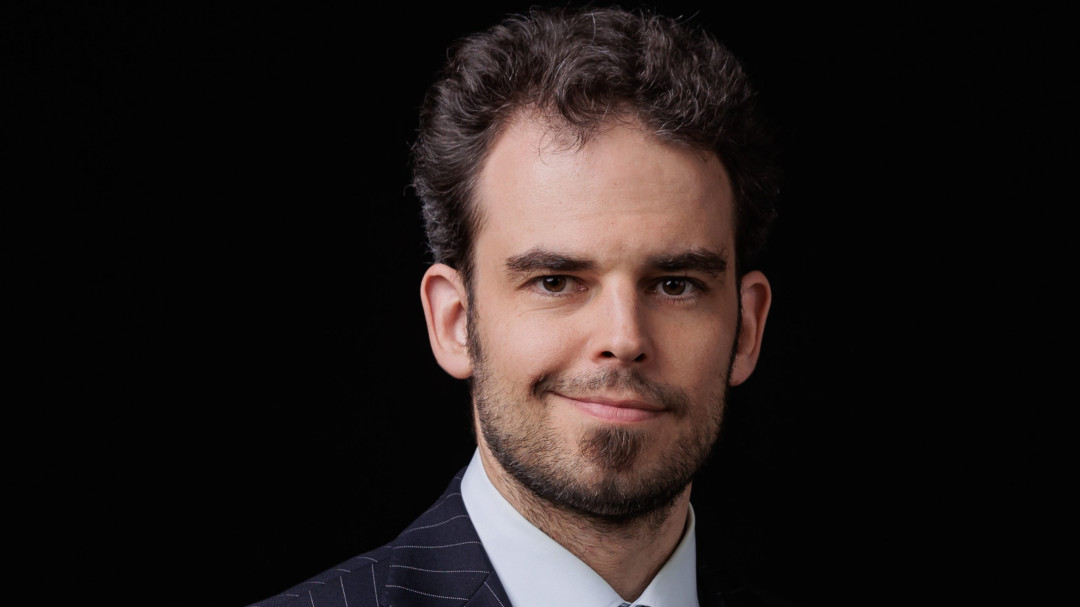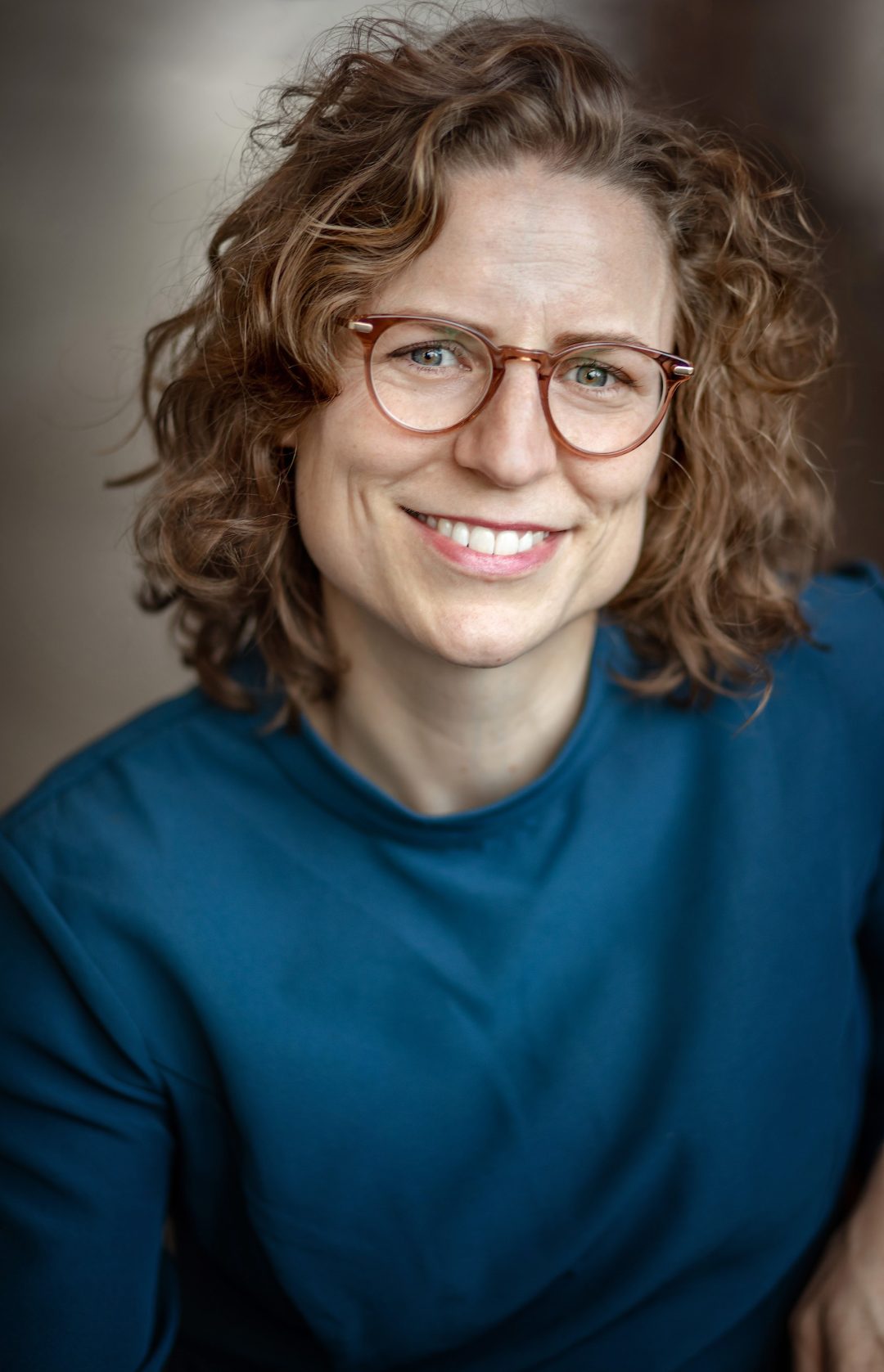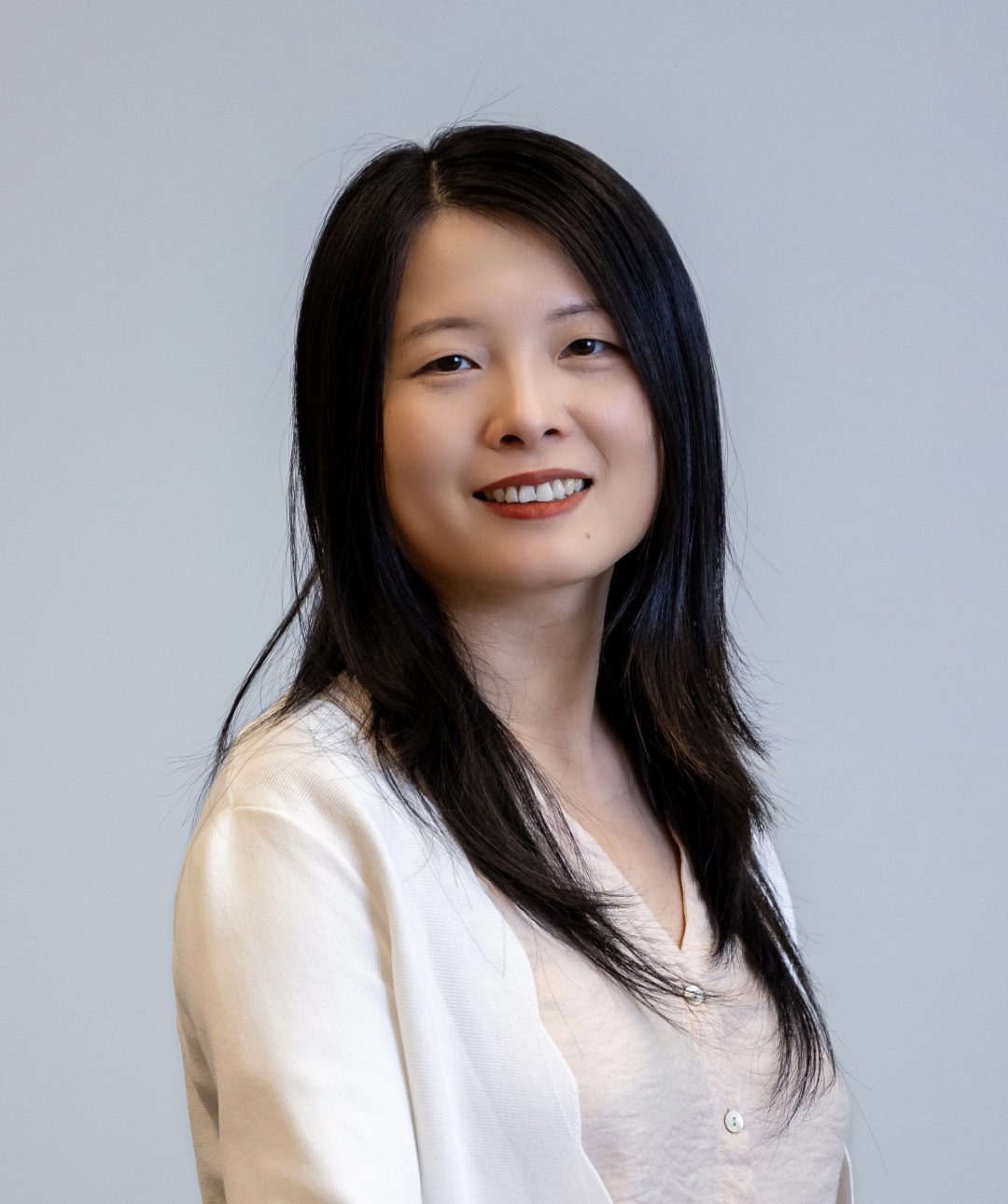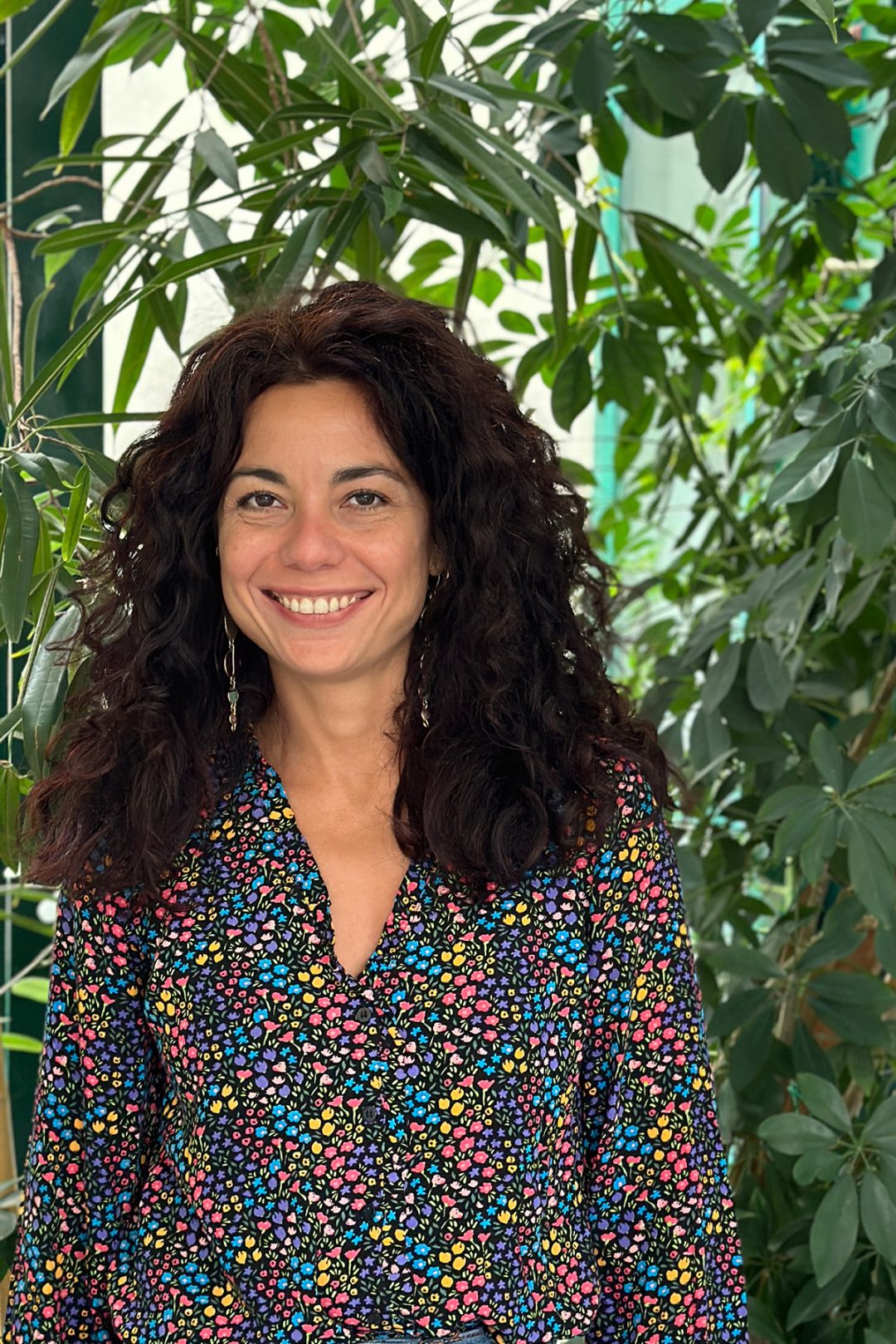
Pacchiarotti

Affiliation: Ghent University

Keywords: Historical linguistics, Niger-Congo languages, Chibchan languages, interdisciplinary approaches to the human past

Webpage

Orcid identifier

Full profile: My research trajectory has been led by fascination for why language structures are the way they are and what are the evolutionary pathways that made them be that way, including the impact that extralinguistic factors might have on language change.

The passion for understudied Amerindian languages pushed me to independently seek and obtain an MA in linguistics with special emphasis on indigenous Costa Rican languages (Chibchan) at the Universidad de Costa Rica (Costa Rica). Thanks to Fulbright, I could pursue a PhD in linguistics at the University of Oregon (USA) famous for linguistic functionalism and the study of underdocumented languages. A nine-month fieldwork class on Mòoré (Niger-Congo, Burkina Faso) during my doctoral training revived connections with Africa that were established during the seven years I spent in Nigeria in my early childhood.

This newly (re)discovered interest for Africa was kindled by an unexpected change in dissertation topic nine months before the due date which led me to write about applicative constructions in Bantu (Niger-Congo) languages. This seemingly haphazard shift in focus towards Africa gained a teleological dimension when I obtained a postdoctoral position in African historical linguistics within the ERC-funded interdisciplinary BantuFirst project at Ghent University (Belgium).

After obtaining my own FWO (Flanders Research Foundation)-funded postdoctoral project, in 2023 I was awarded an ERC-Starting Grant and became associate professor in linguistics at Ghent University. My ERC project (CongUBangi, 2024-2028) aims at understanding the present-day interconnections between language, material cultures and genes in the Congo-Ubangi watershed (northwestern Democratic Republic of Congo) and project them as far back into the past as possible through a holistic, localized and locally-enforced interdisciplinary approach featuring linguistics, archaeology, and genetics. The goal is to realize a breakthrough in our understanding of how linguistic diversity correlates with cultural and genetic diversity and why it originated and persisted in this specific ecoregion for millennia.
Frenkel-Pinter

Affiliation: The Hebrew University of Jerusalem, Israel

Keywords: Prebiotic chemistry, origins of life, chemical evolution, peptide self-assembly, biochemistry.

Webpage

Orcid identifier

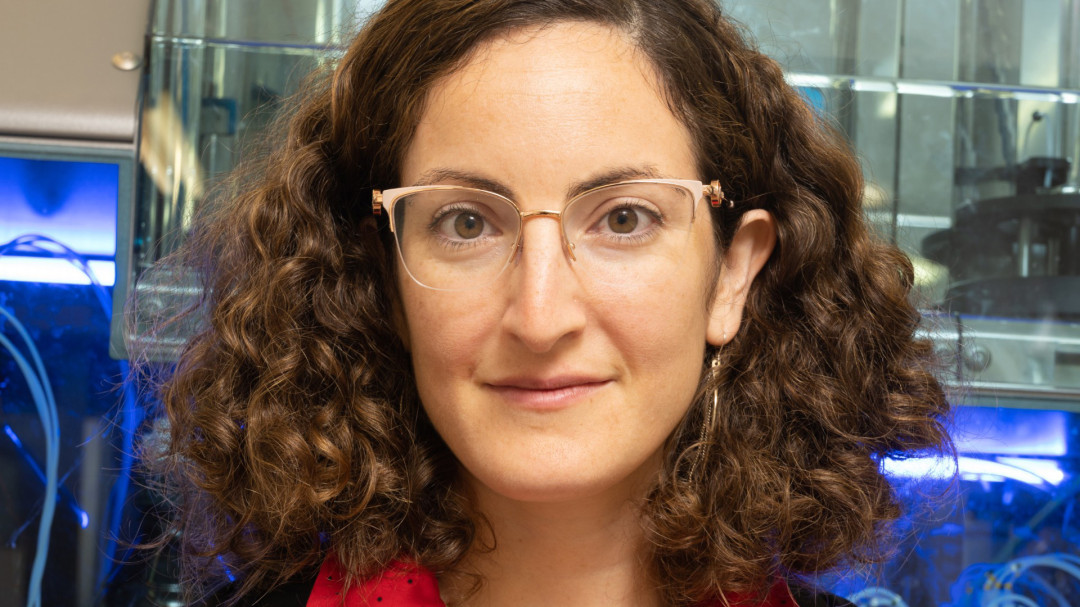
Full profile: Dr. Moran Frenkel-Pinter is an assistant professor in the Institute of Chemistry at the Hebrew University of Jerusalem. She received her BSc and PhD in biotechnology from Tel Aviv University. As a PhD student, under the supervision of Prof. Daniel Segal and Prof. Ehud Gazit, she studied the role of protein glycosylation in the pathology of Alzheimer’s disease, and in collaboration with Prof. Shai Rahimipour from Bar-Ilan University, she synthesized glycopeptides to study the effect of glycans on peptide self-assembly. She then became a NASA postdoctoral fellow at the Georgia Institute of Technology in Atlanta and, subsequently, a research scientist in its School of Chemistry. As a member of the Center for Chemical Evolution and team leader at the NASA Center for Origins of Life, she focused on elucidating mechanisms that lead to the formation of proto-peptides that can spontaneously polymerize, fold, and interact with nucleic acids under prebiotic conditions. As an Azrieli Early Career Faculty Fellow and Vice Director of the Minerva Center for the Planetary Emergence of Life, Frenkel-Pinter’s research merges concepts from biotechnology and origins of life chemistry, fields in which she specialized during her PhD and postdoctoral research, respectively. She harnesses the creative power of chemical evolution to develop evolving functional biodegradable polymers for biotechnological applications. She recently won the Stanley L Miller Early-Career Research Award. She received a FEBS Excellence Award, an ERC StG, and a FEBS Excellence Award.

Brami

Affiliation: Johannes Gutenberg University Mainz

Keywords: Prehistoric migrations, Kinship practices, Neolithic and Copper Age, Ancient DNA, Artificial intelligence

Webpage

Orcid identifier

Full profile: Maxime Brami is a prehistoric archaeologist at Johannes Gutenberg University Mainz, where he serves as substitute professor in the Department of Pre- and Early Historical Archaeology of the Institute for Ancient Studies. Since 2018, he has also been a researcher in the university’s ancient DNA laboratory. A French-Luxembourg national raised in Paris, he studied archaeology and anthropology in the UK, completing his PhD at the University of Liverpool in 2014, followed by postdoctoral positions at the Austrian Academy of Sciences.

His research explores the interaction between culture and genetics in Neolithic and Copper Age Europe, using innovative AI-assisted approaches for data collection and analysis. Besides initiating research at the intersection of archaeology, genetics and computer science, Maxime is writing on the methodological and interpretive challenges raised by recent advances in ancient DNA research. His work has been supported by the German Research Foundation, the Luxembourg National Research Fund, and the Marie Skłodowska-Curie Actions. He delivered the 2023 Curl Lecture, an award that is conferred biennially by the Council of the Royal Anthropological Institute (RAI) and is currently Associate Editor (archaeology) for JRAI, the Journal of the Royal Anthropological Institute.

Maxime is also active in supporting early-career researchers. He founded the Early-Career Archaeologists (ECA) Community within the European Association of Archaeologists, which promotes transparent and equitable professional practices. The 2021 international survey of early-career archaeologists organised by the ECA Community has received wide attention, and its mentoring scheme currently supports researchers across the discipline.

Hatvani

Affiliation: HUN-REN Research Centre for Astronomy and Earth Sciences, Budapest

Keywords: Geostatistics, geochemistry, stable water isotopes, water quality, spatiotemporal sampling frequency, spectral analysis

Webpage

Orcid identifier

Full profile: István Gábor Hatvani obtained his MSc degree in Environmental Science in 2010 from Eötvös Loránd University, Hungary, followed by a PhD in Environmental Earth Sciences in 2014, and received his habilitation in Environmental Science from the same university in 2022. He became the Doctor of the Hungarian Academy of Sciences in 2025. Since 2014, he has been working at the Institute for Geological and Geochemical Research of the HUN-REN Research Centre for Astronomy and Earth Sciences, where he currently holds the position of Scientific Advisor and Deputy Director. He also teaches both undergraduate and doctoral courses at the Faculty of Science, Eötvös Loránd University.

His research focuses primarily on investigating past climate changes through geostatistical and spectral analyses of geochemical and paleoclimate data series. In addition, he applies modern data analysis methods to optimize spatial and temporal sampling frequencies and to conduct comprehensive assessments of surface- and subsurface waterbodies with a special focus on (semi)constructed wetlands. As of 2025 he has co-authored more than 70 Scopus indexed papers receiving > 2000 citation, H-index: 25.

During his undergraduate studies, he was awarded the Dr. Imre Pauka Award (2010) and the Habilitas Scholarship of the Hungarian Development Bank (2011). As a doctoral student and early-career researcher, he received several recognitions, including the Junior Prima Award (2015), the Environmental Science Youth Award (2016), the Academy Youth Award and the Elemér Szádeczky-Kardoss Award (2018) awarded by the Hungarian Academy of Sciences, and the Sándor Vitális Scientific Literature Award (2022). In 2017, he received the “Danubius Young Scientist Award” granted by the Austrian Federal Ministry for Science, Research and Economy and the Institute for the Danube Region and Central Europe.

He serves on the editorial boards of the journals Open Geosciences, and the International Journal on Geomathematics. He was the secretary and later a board member of the Geomathematical Section of the Hungarian Geological Society for nearly a decade, as well as secretary of the Geological Science Committee of the Hungarian Academy of Sciences Section X. He is a member of the International Association for Mathematical Geosciences. He is also a regional coordinator and steering committee member of the SISAL working group under Past Global Changes (PAGES). He is a regular organizer of international scientific conferences and enthusiastically gives public science lectures both in Hungary and abroad and currently host the science podcast series #CurrentEarthSciences in Hungarian.

He was an elected member (2020–2025) and former board member (2023–2025) of the Hungarian Young Academy, and as such led and contributed to multiple initiatives aimed at supporting early-career researchers. These included: conducting national surveys on career inequalities and working conditions; publishing policy recommendations to address systemic issues such as low salaries, overload, and lack of transparency; assessing the impact of EU fund suspensions on young researchers; and raising awareness about regional and gender-based disparities within the research community.

van Bergen

Affiliation: Vrije Universiteit Amsterdam, University of Oslo

Keywords: Educational genetics, Neurodevelopmental conditions, Mental health, Twins, Intergenerational transmission, Learning differences, Psychiatric genetics, Social-science genetics

Webpage

Orcid identifier

Full profile: Why do neurodevelopmental conditions and educational outcomes run in families? This question drives the research of Dr Elsje van Bergen, an Associate Professor at the Vrije Universiteit (VU) Amsterdam and Visiting Professor at the University of Oslo. She leads an interdisciplinary team working at the intersection of genetics, psychology, psychiatry, education, and public health.


Elsje’s research investigates why some children find learning easier than others, and how genes and environments shape these outcomes across development. Her work spans language, reading, and mathematics, as well as neurodevelopmental conditions such as dyslexia, dyscalculia, ADHD, and autism. By disentangling genetic inheritance from environmental influences, her team aims to better understand the causes and consequences of learning differences, and how these relate to mental health. This work has important implications for educational practice, health interventions, and policy.


She currently holds several prestigious personal grants, including an ERC Starting Grant, NWO VIDI Talent Grant, and a Jacobs Foundation Research Fellowship, and has previously been awarded the Rubicon and VENI Talent Grants. Her research has appeared in leading journals including Nature Human Behaviour, Nature Mental Health, and Psychological Science. Elsje has received multiple early- and mid-career awards, including from the Society for the Scientific Study of Reading, the Association for Psychological Science, and the Federation of Associations in Behavioral & Brain Sciences.


At VU Amsterdam, she works in the Department of Biological Psychology, home to the Netherlands Twin Register, and is affiliated with LEARN! and Amsterdam Public Health. She earned her PhD in Child Development and Education from the University of Amsterdam (2013), and held postdoctoral fellowships in Developmental Psychology at the University of Oxford (2012-2015).


Beyond research, Elsje is committed to interdisciplinarity, science communication, and supporting early-career researchers. As a member of the Amsterdam Young Academy (2020–2024), she co-led interdisciplinarity initiatives, co-authored the AYA Interdisciplinarity Guide, advised the university board on strategic planning, and spoke at public events. She teaches science communication to MSc and PhD students, and regularly shares findings in accessible formats.


Her academic journey has taken her to Latvia, Scotland, England, Switzerland, and Norway, in roles ranging from exchange student to visiting professor. She has learned several European languages and describes herself as having “a truly European heart.” Outside work, she enjoys acrobatics, yoga, and pole sport, and spending time with her husband and two young children.

Li

Affiliation: University of Bergen

Keywords: Rogue waves, Wave-coupled processes, Mathematical modelling of multiscale systems, Hydrodynamics, Wave and current interaction, Offshore renewable energy

Webpage

Orcid identifier

Full profile: Yan Li is currently an associate professor of fluid mechanics, leading a research group working on diverse topics in fluid dynamics, coastal/ocean engineering, applied mathematics, and offshore renewable energy. She received her PhD in fluid dynamics/wave and current interaction from the Norwegian University of Science and Technology, and M.Sc. degree in ocean engineering from Shanghai Jiao Tong University. As PI, Co-I, and partner, she has received financial support for several research projects from national and international funding bodies, such as the ERC, Marie Sklodowska-Curie – DTU H.C. Ørsted co-fund, Research Council of Norway, and the UK EPSRC-NERC co-fund. She is currently a PI of an ERC-STG-2024 project (2024-2029) which aims to develop a novel multiscale approach for the two-way coupling within a wave-current-atmosphere system. She has authored and co-authored over 40 peer-reviewed journals and conference papers, and has been invited to presenting her research and (co-) chairing sessions in national and international conferences, workshops, seminars, and summer schools.

Nocentini

Affiliation: The National Metrology Institute of Italy

Keywords: Responsive polymers, integrated photonics, liquid crystal polymers, two-photon direct laser writing, nonlinear photonic materials, autonomous response, optical cryptographic functions

Webpage

Orcid identifier

Full profile: Sara Nocentini is a first-researcher at the National Institute of Metrological Research (INRiM) in Turin, within the Division of Metrology of Innovative Materials and Life Sciences. She received her International PhD in Atomic and Molecular Photonics from the European Laboratory for Nonlinear Spectroscopy (LENS) in Florence in 2017. Following a postdoctoral position at LENS, she then joined CNR-INO as a postdoctoral researcher and later on continued her research as a fix termed researcher at INRiM.

She was awarded with the Woman in Science Fellowship at Humboldt University in Berlin in 2022. She is the author of over 25 articles in international journals and a reviewer for several high-impact journals in material science and photonics.

Her research has received national and international support and recognition through various scholarships. She is the coordinator of a metrology project and the national PRIN 2022 project ‘Photag’. In 2024, she was awarded funding for the ERC Starting Grant project ‘3DnanoGiant’.

She is a physicist with a passion for material science and its application to advance the field of integrated photonics. Her research interests and activities include smart polymers for photonics, microrobotics, and cryptography in both linear and nonlinear regimes.

Amini

Affiliation: Max-Born Institute

Keywords: Ultrafast diffraction imaging, ultrafast photochemistry, ultrafast photophysics, femtosecond molecular dynamics, ultrafast phase transitions

Orcid identifier

Full profile: Kasra completed his PhD at University of Oxford in 2017 on laser-induced Coulomb explosion imaging and postdoctoral positions on laser-induced electron diffraction at The Institute of Photonic Sciences (ICFO, Barcelona). In 2021, Kasra was the junior group leader of the newly-established ultrafast electron diffraction group (UED) at Max-Born Institute (MBI, Berlin), focussing on high repetition rate UED imaging of transient gas-phase and condensed matter structures with high temporal resolution. In 2024, Kasra received the prestigious European Research Council (ERC) Starting Grant (€2.5 million) to continue his groups work on UED with exploring its extension to both time- and energy-resolved electron scattering (TERES).

Kvatinsky

Affiliation: Israel Institute of Technology

Keywords: Computer architecture, VLSI, circuit design, chip design, memristors

Webpage

Orcid identifier

Full profile: Shahar Kvatinsky is a Full Professor at the Andrew and Erna Viterbi Faculty of Electrical and Computer Engineering, Technion – Israel Institute of Technology and a Visiting Professor at the Edward S. Rogers Sr. Department of Electrical & Computer Engineering, University of Toronto. Shahar received the B.Sc. degree in Computer Engineering and Applied Physics and an MBA degree in 2009 and 2010, respectively, both from the Hebrew University of Jerusalem, and the Ph.D. degree in Electrical Engineering from the Technion – Israel Institute of Technology in 2014. From 2006 to 2009, he worked as a circuit designer at Intel. From 2014 to 2015, he was a post-doctoral research fellow at Stanford University. Kvatinsky is a member of the Israel Young Academy and a Fellow of the Young Academy of Europe. He is the head of the Architecture and Circuits Research Center at the Technion, chair of the IEEE Circuits and Systems in Israel, and an associate editor of Microelectronics Journal. Kvatinsky has been the recipient of numerous awards: the 2023 Uzi & Michal Halevy Award for Innovative Applied Engineering, the 2021 Norman Seiden Prize for Academic Excellence, the 2020 MDPI Electronics Young Investigator Award, the 2019 Wolf Foundation’s Krill Prize for Excellence in Scientific Research, the 2015 IEEE Guillemin-Cauer Best Paper Award, the 2015 Best Paper of Computer Architecture Letters, Viterbi Fellowship, Jacobs Fellowship, an ERC starting grant, the 2017 Pazy Memorial Award, 2014, 2017, 2021, and 2025 Hershel Rich Technion Innovation Awards, the 2013 Sanford Kaplan Prize for Creative Management in High Tech, 2010 Benin prize, and seven Technion excellence teaching awards. His current research is focused on circuits and architectures with emerging memory technologies and the design of energy-efficient architectures.

Yang

Affiliation:  University of Edinburgh

Keywords: Embodied AI, Soft sensors, Machine learning, Robotic Perception

Webpage

Orcid identifier

1

Full profile: Dr. Yunjie Yang is an Associate Professor at The University of Edinburgh. He is also an affiliate of the Edinburgh Futures Institute (EFI), the Edinburgh Generative AI Laboratory (GAIL) fellow, and part of the Edinburgh Centre for Robotics. He was the Chancellor’s Fellow in Data Driven Innovation (2018-2023) and Bayes Innovation Fellow (2023-2024). He received his PhD in Engineering Electronics from The University of Edinburgh, MSc in Control Science & Engineering from Tsinghua University, and BEng in Measurement & Control Engineering from Anhui University. After his PhD, he briefly worked as a Postdoctoral Research Associate in Chemical Species Tomography at The University of Edinburgh before he secured the lectureship.

His research interests focus on AI-powered sensing and imaging, machine learning, soft sensors & electronics for robotics. His research has led to over 130 peer-reviewed journal and international conference publications, many of which were published in high-impact journals such as Nature portfolio journals. His research has been licensed to overseas research institutes and industry partners and received wide media coverage, including BBC, EFE, USA Today and STV. He is the awardee of the prestigious European Research Council (ERC) Starting Grant (2024).

Dr. Yang serves as the Associate Editor of IEEE Transactions on Instrumentation and Measurement, the Editorial Board Member of Scientific Reports, the Guest Editor of IEEE Sensors Journal, and the regular reviewer for over 70 high-impact international journals. He served as the track/session chair of several international conferences. He is the recipient of the 2024 IEEE J. Barry Oakes Advancement Award (For demonstrated exceptional expertise, innovation and leadership in the field of Instrumentation and Measurement), 2015 IEEE I&M Society Graduate Fellowship Award, and multiple Best Paper Awards. He is a Senior Member of IEEE, a Fellow of the International Society for Industrial Process Tomography (FISIPT), and a Fellow of the Higher Education Academy (FHEA).