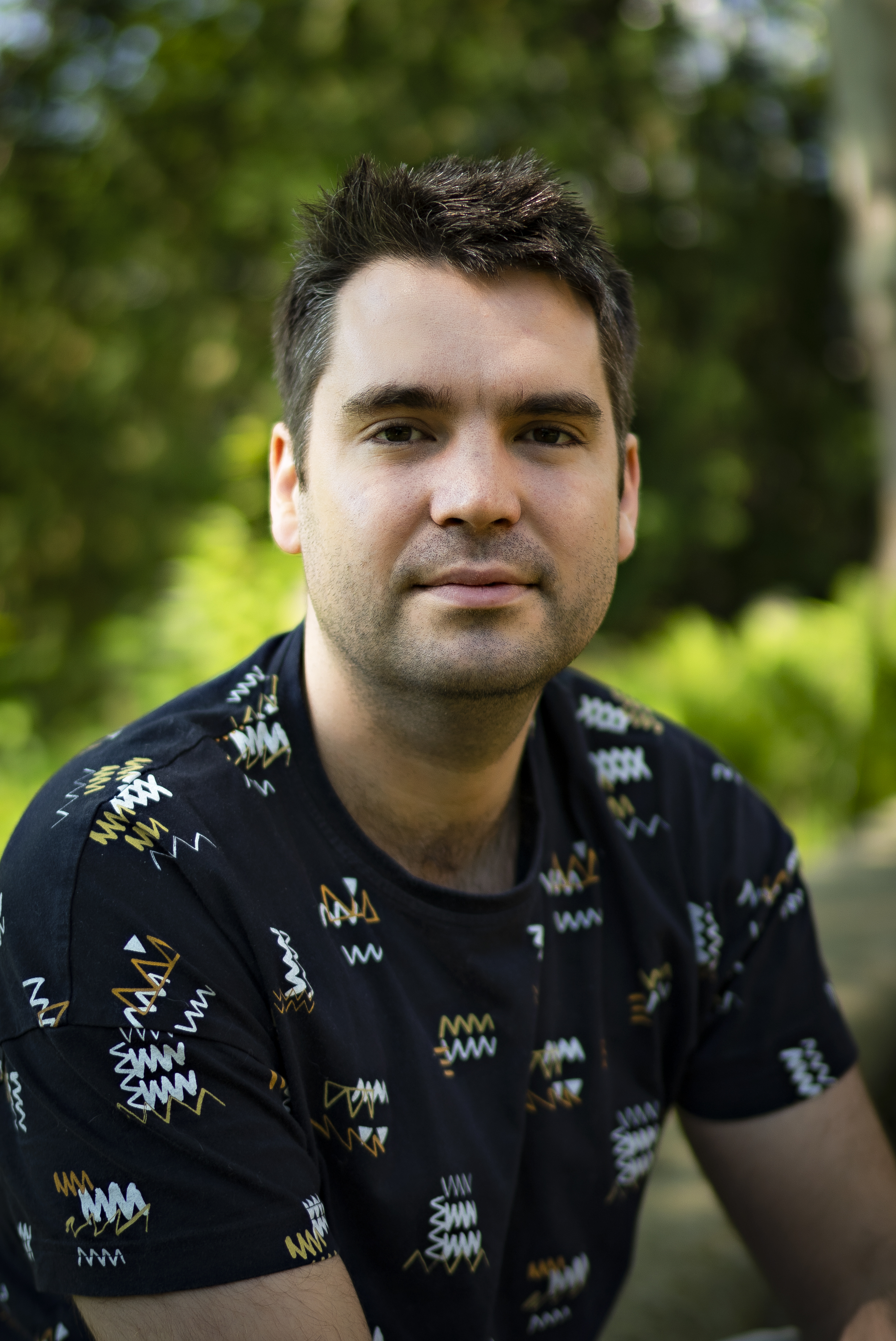
Roberts

Affiliation: Max Planck Institute for the Science of Human History, DE

Keywords: Archaeology, Archaeological Science, Stable Isotope Analysis, Palaeoecology, Tropical Forests, Climate Change


Webpage

ID_symbol_B-W_128x128 0000-0002-4403-7548

Full profile:

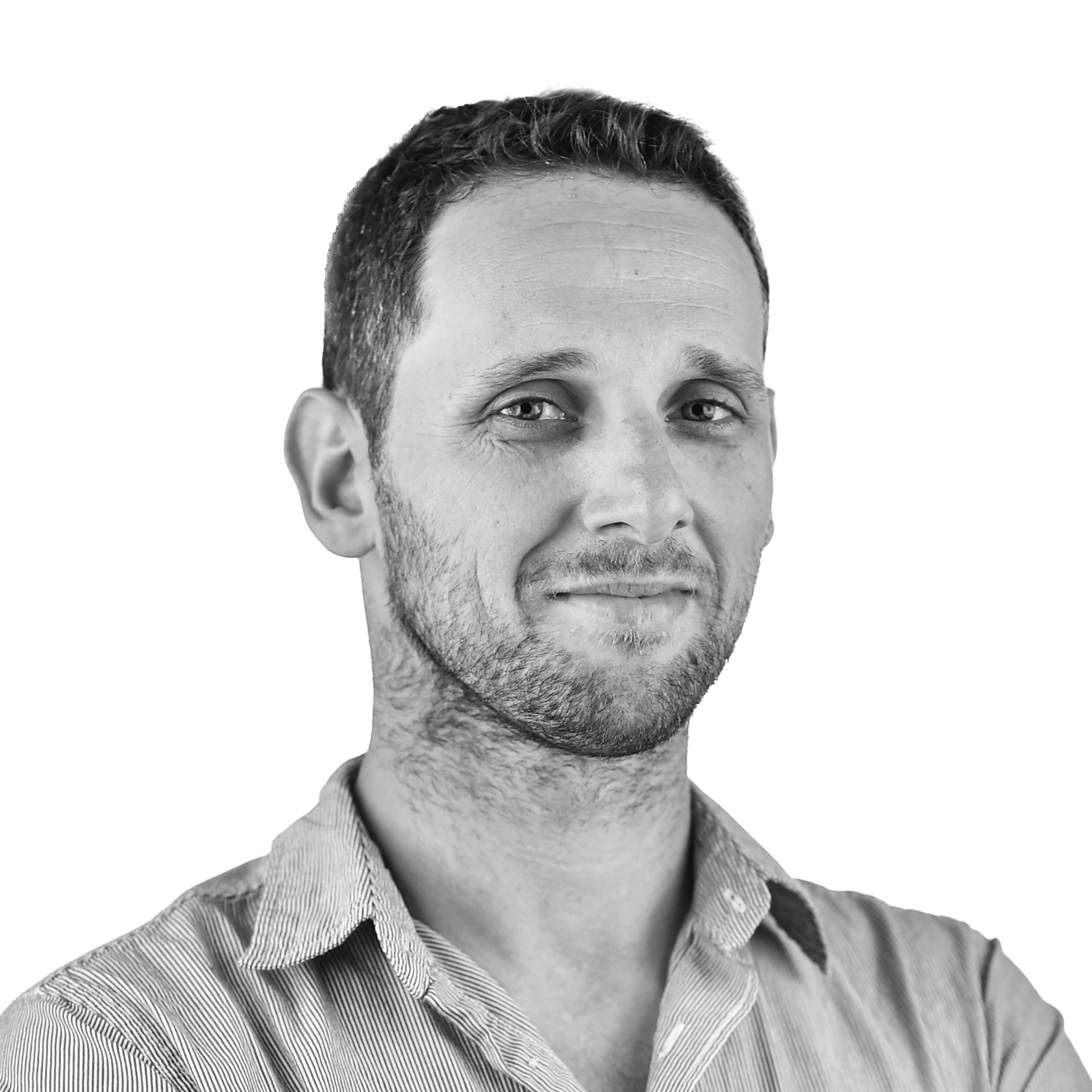
As Group Leader of the Stable Isotope Laboratory, Department of Archaeology, Max Planck Institute for the Science of Human History, Patrick is committed to innovatively applying stable isotope methods to questions of past human climate, environment, diet and mobility. This has led him to publish international peer-reviewed publications in a variety of archaeological research contexts: from reconstructing palaeoenvironmental conditions in East and South Africa, South Asia, and Saudi Arabia associated with Pleistocene human habitation of these regions to dietary complexities in 18th and 19th century historical populations.

Patrick’s main theoretical interest revolves around the importance of tropical forests throughout human history. Once considered ‘pristine’ or ‘unattractive’ to pre-industrial human occupation we now know that they have a long and diverse history of interaction with populations of hunter-gatherers, farmers, and even urban dwellers. He has undertaken fieldwork around the tropical world and published a number of papers focusing on rehabilitating tropical forests as key sites of our global human story. Summarising this work, Patrick recently wrote the book, ‘Tropical Forests in Prehistory, History, and Modernity’ published with Oxford University Press.

Patrick also believes it is important that knowledge from archaeology and past studies of human environments is brought to bear on the present and he has taken part in UNESCO symposia that bring together archaeologists and anthropologists, alongside policy makers and interest groups, to discuss potential solutions for the conservation of ecological and cultural heritage in global tropical forest environments. Patrick currently leads the ERC funded PANTROPOCENE project which seeks to determine when past human activities in tropical forests began to have feedbacks on the earth system, leaving legacies for sustainability and landscape use in the 21st century. He is also a founder of the multidisciplinary PANTROPICA research initiative.

Patrick has given many invited talks at world leading research institutions around the world including the University of Tokyo, the University of Cambridge, and the Australian National University. He is a Senior Research Fellow at the University of Queensland, Australia and a National Geographic Explorer. Patrick was also recently made a member of the renowned Global Young Academy which recognises scientific excellence and commitment to service among leading young scientists across six continents. He hopes to bring this commitment to using science to bring about practical ramifications for society to his work as part of the YAE.

Websites:

Max Planck Institute

Pantropica

Photograph by Hans Sell

Berlin

Affiliation: Technion Israel Institute of Technology, IL

Keywords: Optogenetics, NMDARs, Fluorescent reporters, MRI, Chemogenetics, Neuroscience

Webpage

ID_symbol_B-W_128x128 0000-0002-5153-4876

Full profile:

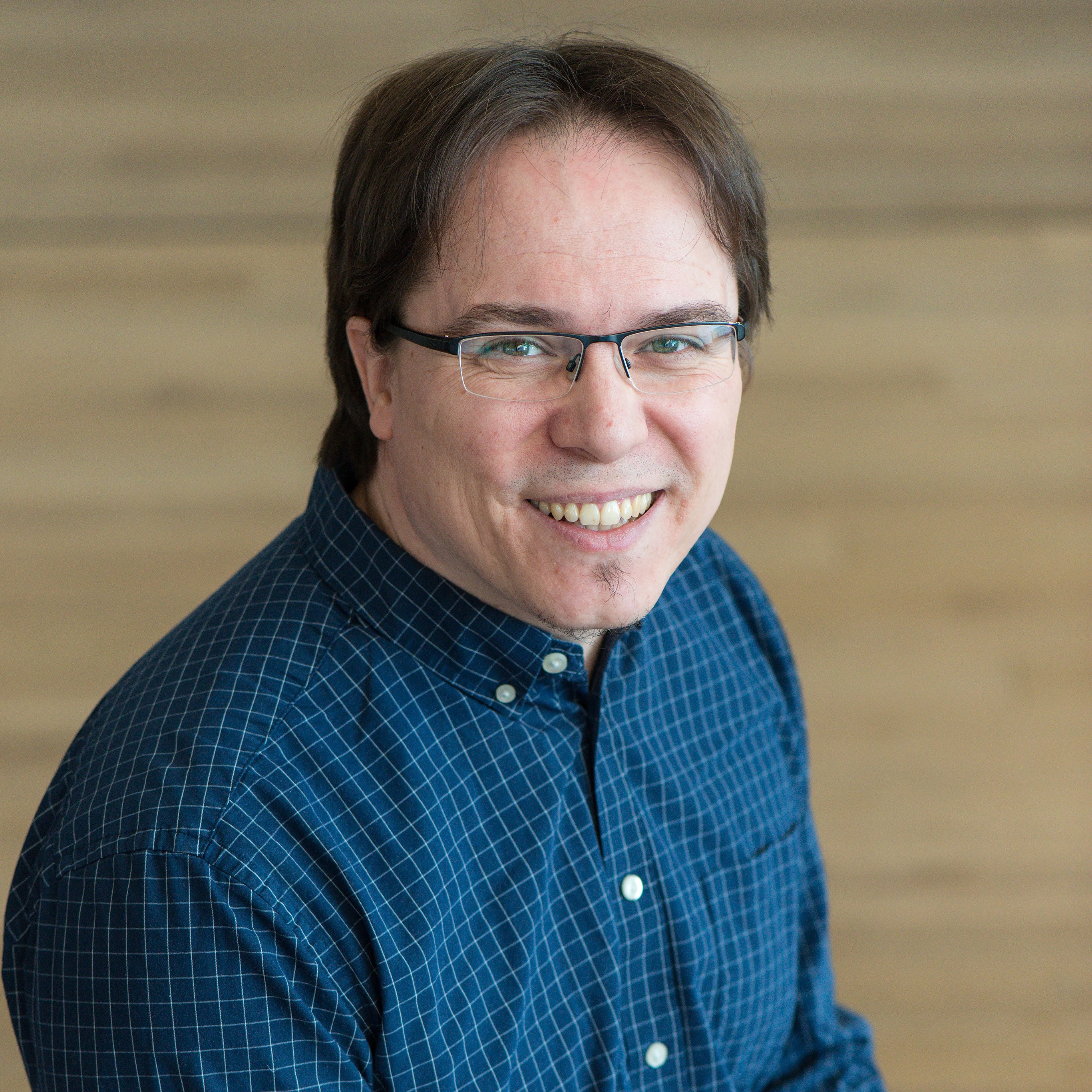
Shai was born in Israel and raised in Montreal, Canada. After his high school studies, he returned with his family to Israel where he completed his bachelor’s degree at Ben-Gurion University of the Negev, prior his military services at the air force’s Flight academy. He then served in the army as a medical research officer at the Medical Corps (Sheba Medical center), during which he also started his PhD studies in physiology and pharmacology at Tel Aviv University’s faculty of Medicine, under the supervision of Prof. Dascal N. He moved to the USA for a postdoctoral fellowship at the University of California at Berkeley (USA) in Neurosciences, where he studied NMDARs and developed novel optogenetic and optical tools for studying synaptic plasticity under the supervision of Prof. Isacoff EY. During 2016, Shai was recruited to the Neuroscience Department at the Rappaport faculty of Medicine at the Technion (Israel). His lab continues to study NMDARs and their implication in disease using electrophysiology, advanced imaging techniques (2-photon and digital holography) and high throughput screening methods. In parallel, his lab merges biology and chemistry to develop novel optical tools for light microscopy and MRI; funded by the European Research council starting grant.

Laustsen

Affiliation: Technical University of Denmark, DK

Keywords: Antibody discovery, Toxinology, Tropical pharmacology, Snakebite envenoming, Phage display technology, Infectious diseases

Webpage

ID_symbol_B-W_128x1280000-0001-6918-5574

Full profile:

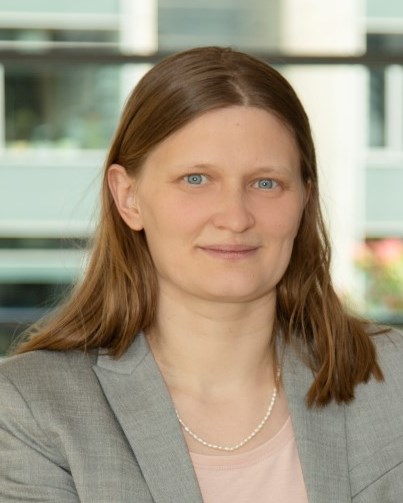
Andreas (born 1987) heads the Tropical Pharmacology Lab at the Department of Biotechnology and Biomedicine, Technical University of Denmark, and he is a Fellow of the Danish Royal Academy of Sciences and Letters (The Young Academy).

The Tropical Pharmacology Lab is an academic research group focusing on developing biotherapeutics and diagnostics against neglected tropical diseases and infectious diseases – with a particular focus on toxin neutralization. Andreas himself is specialized in antibody discovery, toxinology, antivenom, and neglected tropical diseases, and holds a PhD from the University of Copenhagen (2016) and an M.Sc.Eng. from the Technical University of Denmark (2012). He was an Advisor to the World Health Organization’s Working Group on Snakebite Envenoming, and he is a co-founder of the biotech companies Biosyntia (2012), focusing on metabolic engineering and fermentation processes for fine chemicals, VenomAb (2013-2017) that focused on recombinant snakebite antivenoms, Antag Therapeutics (2017), focusing on therapeutics against metabolic diseases, Chromologics (2017), focusing on fungal fermentation processes for natural colorants, Bactolife (2017), focusing on gastrointestinal infections and antimicrobial resistance, and VenomAid Diagnostics (2018), focusing on snakebite diagnostic tools.

Andreas is recognized as Denmark’s Coolest Engineer, a Top 6 Academic Entrepreneur under 35 in Europe 2017, and he was on Forbes 30 under 30 list for 2017 and MIT Technology Review’s list of the 35 Top Innovators under 35 in Europe 2017. Andreas’ chief scientific contribution is the development (in collaboration with IONTAS Ltd., UK, and Instituto Clodomiro Picado, Costa Rica) of the world’s first recombinant antivenom based on oligoclonal human IgGs targeting black mamba neurotoxins (Laustsen et al. Nature Communications 2018), as well as robust and simple methods for in vitro discovery of toxin-targeting broadly-neutralizing antibodies. Andreas spends most of his time with academic engagements, but also still plays an active role in several of the companies he co-founded.

Pirraco

Affiliation: University of Minho, PT

Keywords: Tissue Engineering, Scaffold-free, Cell Sheets, Vascularization

Webpage

ID_symbol_B-W_128x1280000-0001-5521-950X

Full profile:

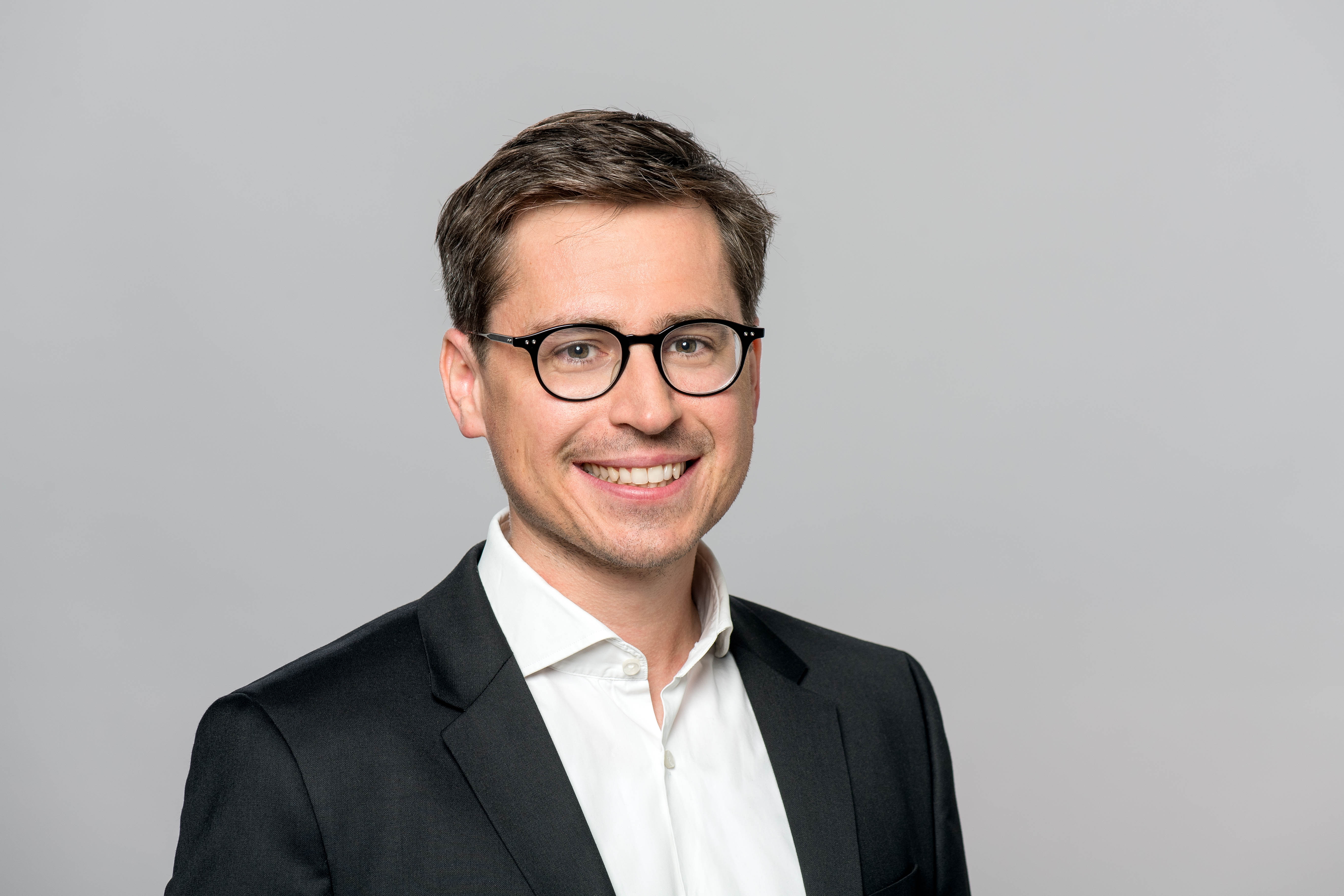
Rogério Pedro Pirraco was born in Porto, Portugal, where he currently lives. Rogério developed his PhD studies at the 3B’s Research Group of the University of Minho on the subjects of co-cultures of cells for Tissue Engineering purposes, cell sheet engineering using thermally responsive surfaces and stem cell culture. During this time, he spent a total of one year at Professor Teruo Okano’s Institute of Advanced Biomedical Engineering and Science of the Tokyo’s Women Medical University in Tokyo, Japan, where he acquired knowledge in cell sheet engineering and its application in animal models.
He presently serves as Assistant Researcher (equivalent to Assistant Professor) at the 3B’s Research Group of the University of Minho, Portugal, where he is supported since 2016 by an FCT IF contract (career starting grant from the Portuguese Science and Technology agency).

Rogério is part of the Scientific Council of the I3Bs Research Institute, of the Ethics sub-Commission for Life and Health Sciences and of the ICVS/3B’s Animal Welfare Body (ORBEA), all at the University of Minho.
He is Manager of the Microscopy Facilities and Manager of the Animal Facilities of the 3B’s Research Group, training prospective users in both cases.
Between 2010 and 2012, Rogério served as Chair of the Student and Young Investigator Section of the European Chapter of the Tissue Engineering and Regenerative Medicine International Society (TERMIS).
He received several awards such as the prize for “Outstanding Student Contribution” at the meeting of the European chapter of TERMIS (2007, London, UK), the Crioestaminal Best Oral Communication award at the 7th Meeting of the Portuguese Society of Stem Cells and Cellular Therapy (2012, Porto, Portugal) and Best Doctoral Thesis of 2012 of the School of Engineering of the University of Minho.
He has been deeply involved in the preparation of national and European research proposals, being a core team member of several H2020 projects.
In 2018, he was awarded a 1.5M € Starting Grant by the European Research Council, the most prestigious career starting grant awarded in Europe.

Currently, his research is focused on the use of cell sheet engineering, stem cells and hypoxia for Tissue Engineering strategies, with a strong emphasis on vascularization. He has published more than 65 works in international refereed journals, books and conference proceedings.

Sinnemäki

Affiliation: University of Helsinki, FI

Keywords: General linguistics, Language variation and universals, Language contact and change, Language and religion

Webpage

ID_symbol_B-W_128x1280000-0002-6972-5216

Full profile:

Kaius Sinnemäki is Associate Professor in Quantitative and Comparative Linguistics at the University of Helsinki and the director of the ERC-funded project “Linguistic Adaptation: Typological and Sociolinguistic Perspectives to Language Variation“. He obtained his PhD in general linguistics at the University of Helsinki in 2011. Since then he has been a lecturer in general linguistics at the University of Tampere (2012-2013), a fellow at the Helsinki Collegium for Advanced Studies (2013-2016), and Academy of Finland postdoctoral researcher (2016-2019).

Sinnemäki is working mostly on language comparison, language variation and universals, and language complexity by using data from tens or hundreds of languages at the same time. The data for this kind of research typically come from large annotated corpora or from reference grammars. His current research focuses on how the social environment in which languages are learned and used may affect the way languages change over time. Recently he has co-edited a four-volume work on methodology in language sciences (in Finnish, to appear in 2020) as well as a volume on the mutual relationship of religion and society in Finland (2019) that involved collaboration with historians, social scientists, economists, theologians, and educationalists.


Tchumatchenko

Affiliation: Max Planck Institute for Brain Research, Frankfurt am Main, DE

Keywords: Computational neuroscience, Neural networks, Protein distribution, mRNA, Spiking, Synapse

Webpage

ID_symbol_B-W_128x1280000-0001-9137-809X

Full profile:

Tatjana started her research career as a postdoctoral fellow at the Max Planck Institute for Dynamics and Self-Organization in Göttingen, Germany, followed by a position at the Center for Theoretical Neuroscience at Columbia University, USA. Since 2013, she is the leader of the group “Theory of Neural Dynamics” at the Max Planck Institute for Brain Research in Frankfurt, Germany.

The aim of her research group is to combine mathematics, physics and computer science to provide a better understanding of how neurons encode incoming information, and how they organize their global dynamics to achieve this. Her work focuses on modelling spiking activity in neurons, which includes the development of tools to quantify and interpret spiking patterns in both individual neurons and whole neural networks. Recently, the group has widened their focus area to include the study of dendritic protein distribution along neurons and how this influences their functionality. As part of her research, Tatjana has established several collaborations with scientists from institutions all over the world, which resulted in many interdisciplinary projects.

Tatjana wants to promote scientific advancement and provide the opportunity for her peers to thrive in their academic and research careers. Therefore, she has mentored over thirty MSc, BSc and PhD students since she started her position as a group leader. Moreover, not only does she promote scientific research among students, she also plays an active role in encouraging women in science by introducing integrative plans in multiple institutions.

Alongside her teaching and researching duties, Tatjana is also a member of the review editorship of several renowned journals, as well as a committee member for various institutions within the field of neuroscience. Her responsibilities include organizing and participating on the jury of various conferences and events, such as the Bernstein Conference 2019, organized by the Bernstein Network for Computational Neuroscience.

Her research is supported by grants provided by notable institutions, including the Max Planck Society, the German Research Foundation (DFG) and the Hessian Ministry of Science and Arts. Furthermore, she has been awarded several prizes, fellowships and grants for her work including the Computational Sciences Fellowship of the Volkswagen Foundation in 2011, the Dollwet Foundation Award in 2016, the Behrens-Weise-Foundation Award from 2013, and the Heinz-Maier-Leibnitz Prize in 2016. Recently, she was selected by the Focus Magazine as one of 25 young innovators who will shape Germany in the next 25 years.

Research interests: neurons, networks, computations, mathematics, physics, spikes, mRNA, proteins, neural computation, activity correlations, dynamics, synaptic transmission


Makarov

Affiliation: Helmholtz-Zentrum Dresden-Rossendorf e.V, DE

Keywords: Flexible electronics, Magnetic field sensors, Curvilinear magnetism

Webpage

ID_symbol_B-W_128x1280000-0002-7177-4308

Full profile:

Denys Makarov received his Master Degree (2005) at the National University of Kyiv in Ukraine, followed by a Ph.D. (2008) from the University of Konstanz in Germany. He is head of department “Intelligent materials and systems” at the Helmholtz-Zentrum Dresden-Rossendorf e.V. in Dresden, Germany. He pioneered the field of curvilinear magnetism and have made important contributions to the field of shapeable magnetoelectronics on flexible, bendable and stretchable surfaces. For the development of these novel research fields, Denys has received numerous national grants (German Research Foundation) as well as a European Research Council (ERC) Starting Grant, two ERC Proof-of-Concept Grants, and a European Information and Communication Technology (ICT) Grant. Denys is a Senior Member of the IEEE. He co-authored more than 150 papers and has 5 granted patents.

Egger

Affiliation: TU Munich, DE

Keywords: Theoretical physics, Functional energy materials, Solar cells, Electronic structure theory, Molecular dynamics

Webpage

ID_symbol_B-W_128x1280000-0001-8424-902X

Full profile:

David Egger works on atomistic theories of functional materials driving energy devices such as solar cells. One goal of his work is discovering new energy materials which would, for example, allow for a more efficient conversion of sunlight into electricity. His group develops and applies various theoretical methods, such as electronic-structure and molecular-dynamics techniques. These are used for calculations of molecules, solid-state materials as well as nanostructured interfaces.

David Egger received his PhD in Physics from Graz University of Technology (Austria) in 2013. He continued his scientific career as a postdoctoral fellow at the Weizmann Institute of Science (Israel), from 2014-2017. Between 2017 and 2019, he was leading a research group at the University of Regensburg (Germany), supported by the Sofja-Kovalevskaja Award of the Humboldt Foundation. In June 2019, he was appointed Tenure-Track Assistant Professor in the Physics Department at TU Munich. He has received a number of prestigious awards, including the Schrödinger Fellowship of the Austrian Science Fund, the Koshland Prize of the Weizmann Institute of Science, and the Sofja Kovalevskaja Award of the Alexander von Humboldt Foundation.

Offranc Piret

Affiliation: French National Institute for health and medical research – INSERM -, Braintech Lab, Grenoble, FR

Keywords: Medical science, Material science, Nanotechnology, Nanomaterial, Flexible implant, Microelectrode arrays, Sensor, imaging, Neural cells, Central nervous system, Immunochemistry

Webpage

ID_symbol_B-W_128x1280000-0002-3996-9455

Full profile:

Gaëlle Offranc Piret is a permanent researcher at the the French National Institute for Health and Medical Research, Braintech Laboratory (U1205 INSERM UGA, Grenoble, France) whose activities are spread over the CEA-LETI and UGA University sites. She obtained her Master in Physics and her PhD in 2010 (IEMN laboratory, Lille University, France). Then did a post-doctorate at polytechnique school, Palaiseau-Paris and at the University of Lund (Sweden) where she worked on the development of micro-nanotechnologies/materials and the study of their interactions with cells or biological organisms. She is currently the leader of the European project funded at 1.5M € over 5 years (2015-2020) ERC BRAIN MICRO SNOOPER – a mimetic implant for minimal disturbance, stable stimulation and recording of intra-cortical neural units. One billion people experience some disability making them more susceptible to adverse socioeconomic outcomes such as less education, lower levels employment, and higher poverty rates. These can become more perverse for people who live with some form of paralysis. Gaëlle is developing flexible, thin and nanostructured brain implants for therapeutic applications that could restore function for disabled people. She also promotes science to youth by teaching courses to primary schools and speaks publicly about the science behind neurotechnology research.

More reading:

Stagg

Affiliation: London School of Hygiene & Tropical Medicine

Keywords: Epidemiology, Population health, Global health, Infectious diseases, Tuberculosis, Epstein-Barr virus

Webpage

ID_symbol_B-W_128x1280000-0003-4022-3447

Full profile:

Professor Helen Stagg holds a Professorship in Infectious Disease Epidemiology at the London School of Hygiene & Tropical Medicine (LSHTM), UK. She originally trained in the laboratory-based life sciences (PhD, University of Cambridge, UK) before moving into population health and epidemiology via LSHTM (MSc). Her group’s main research interests are in optimising treatment regimens, treatment adherence, antimicrobial resistance, tuberculosis and Epstein-Barr Virus. She sits on various international, European and national committees, including those for the World Health Organization (WHO). She has worked as a consultant for industry, as well as with national and international policy making bodies (particularly the National Institute for Health and Care Excellence [NICE] UK, Scottish Parliament, European Centre for Disease Prevention and Control [ECDC], and the WHO).