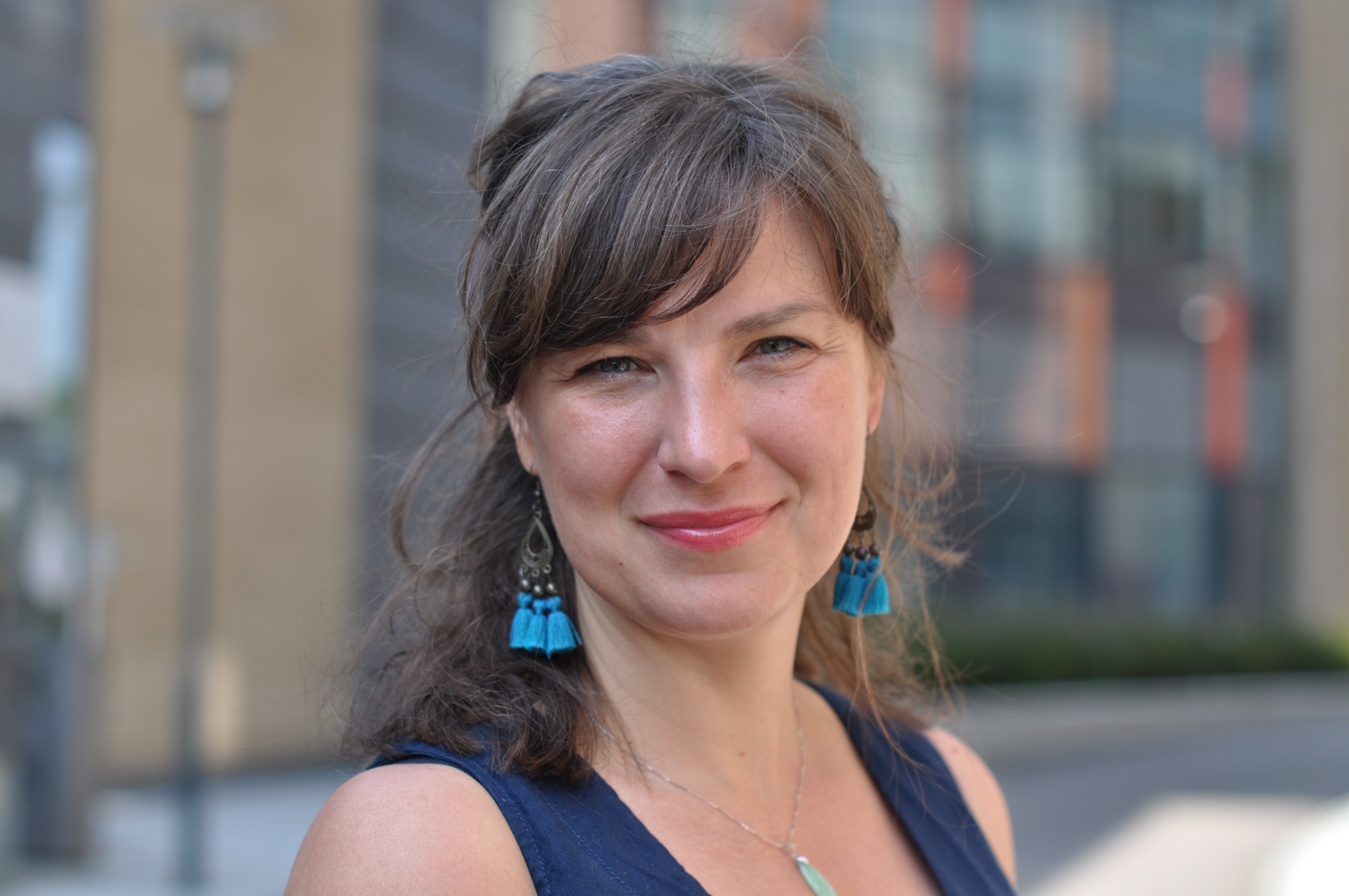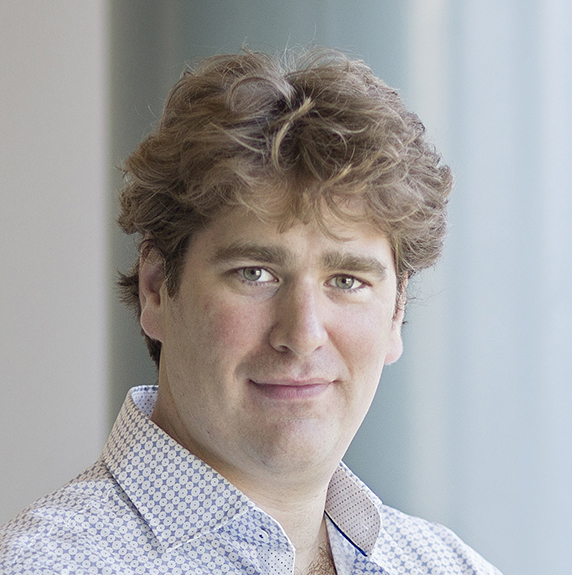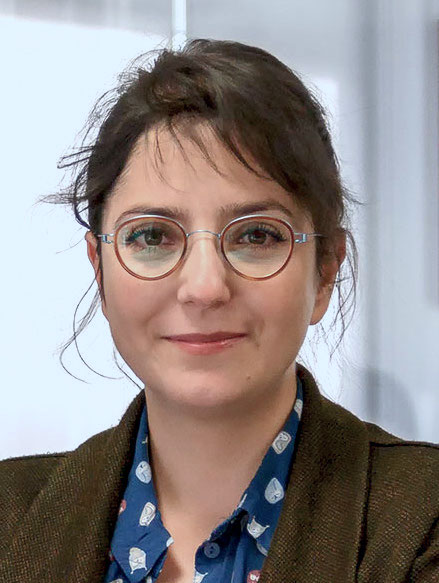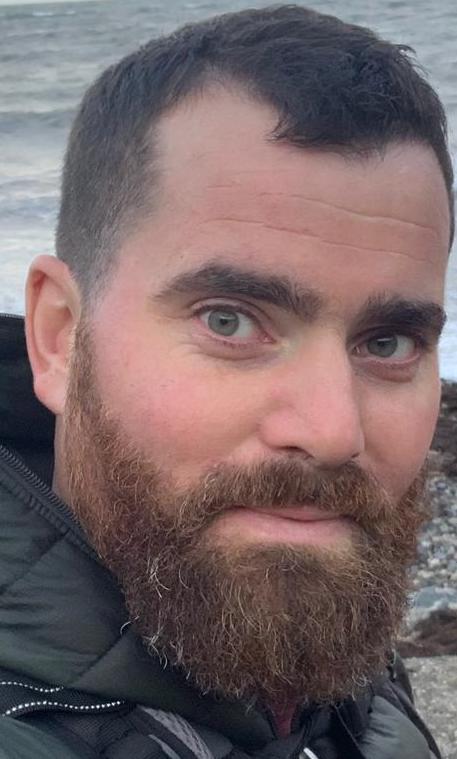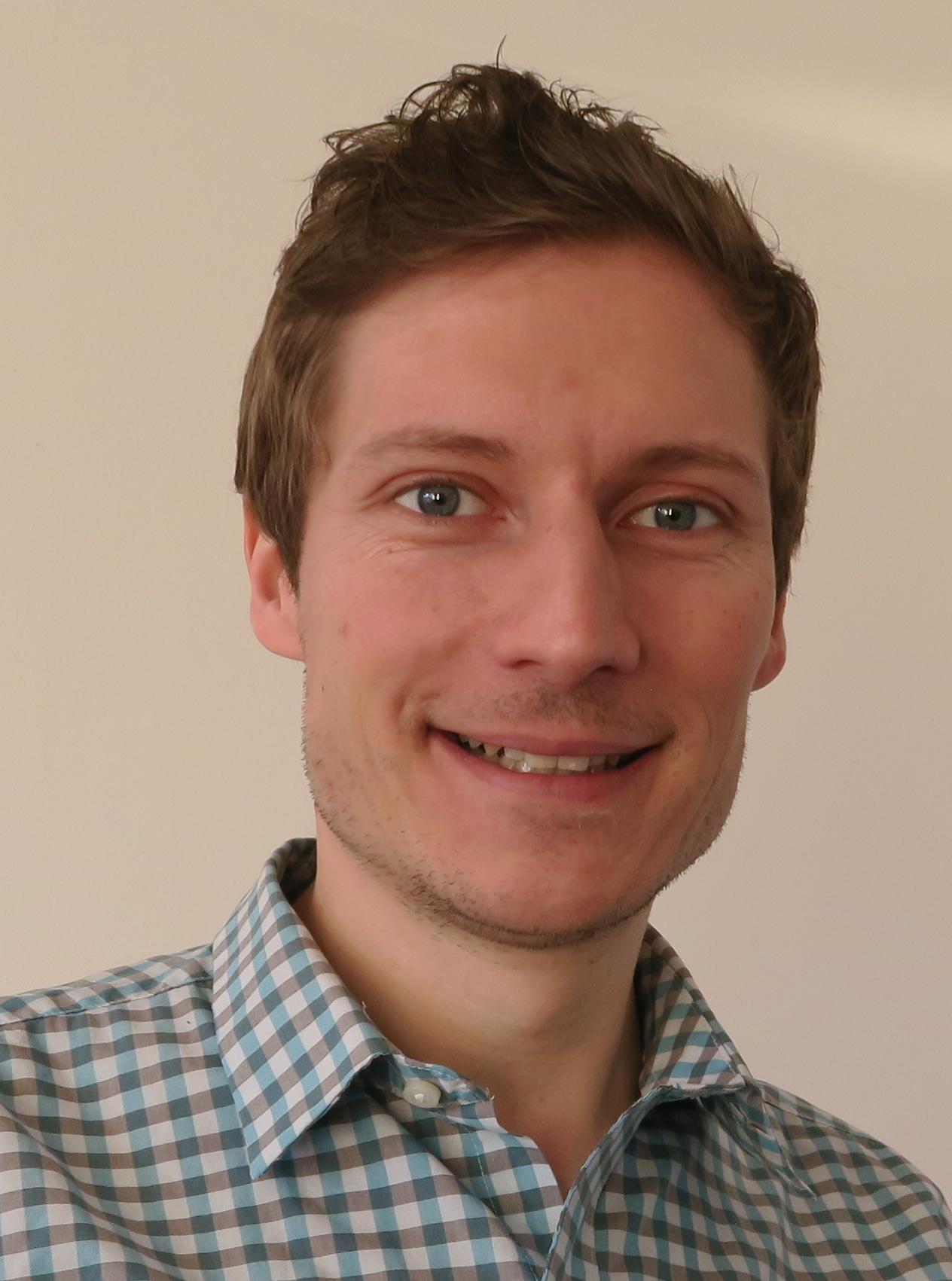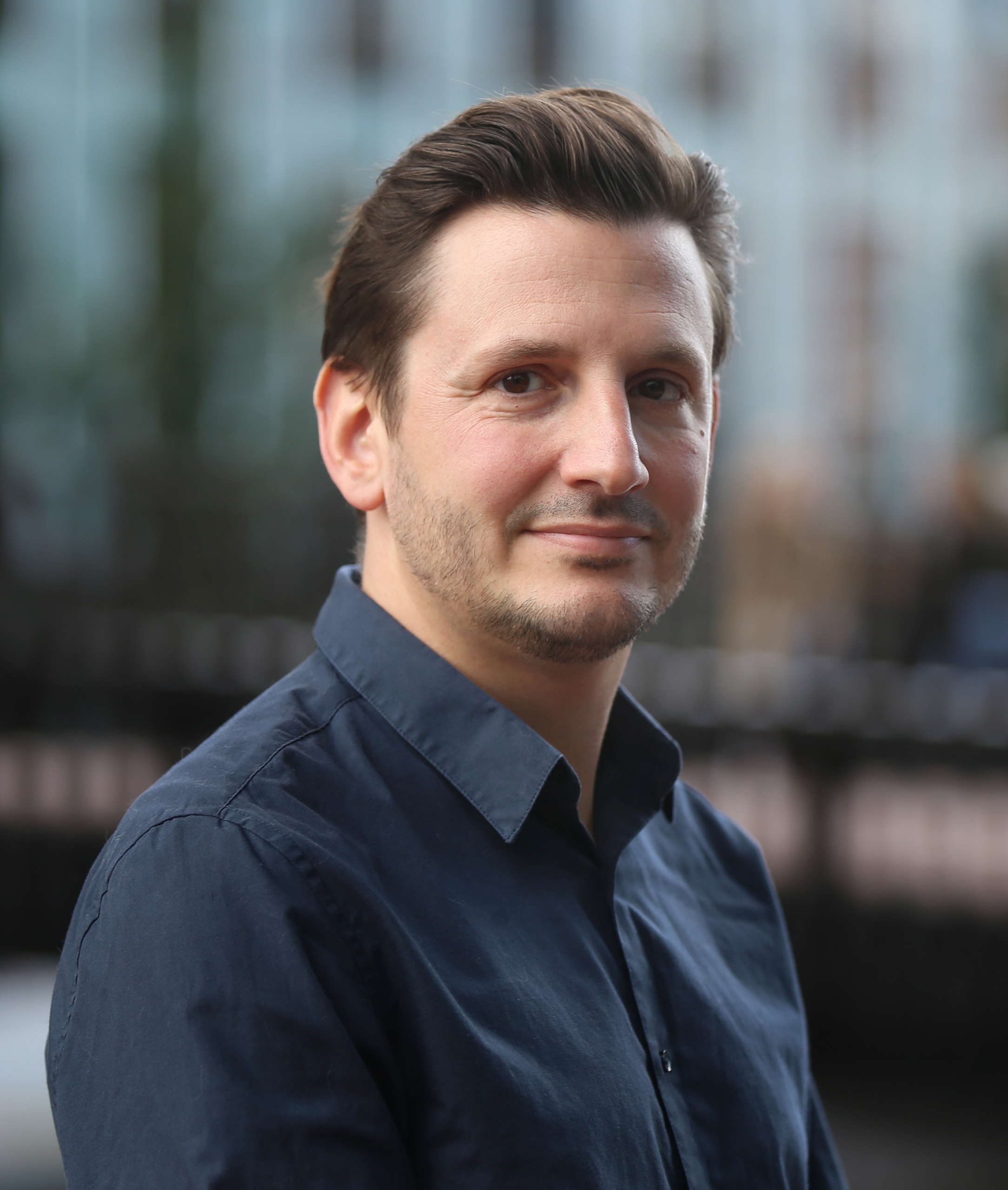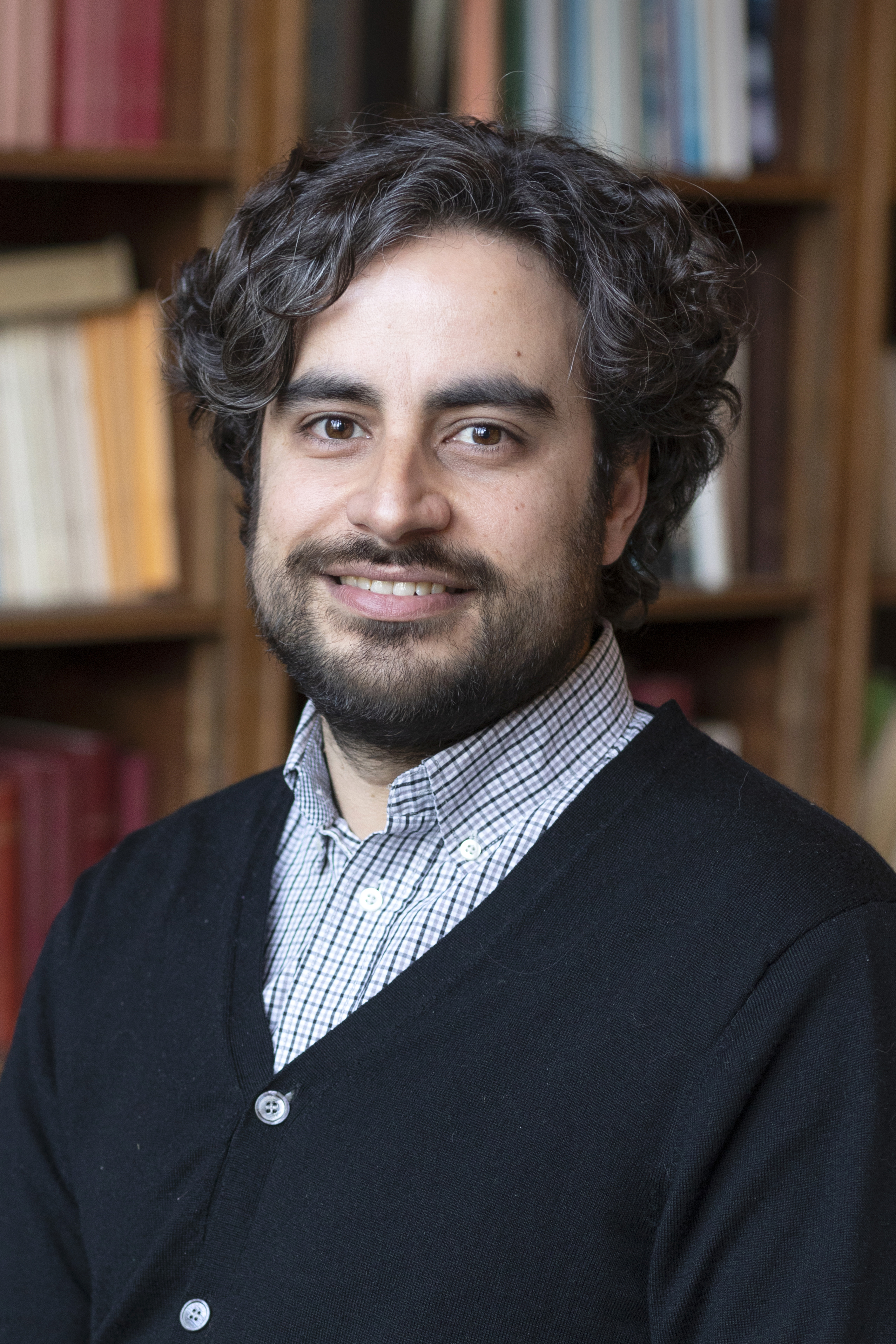
Miranda

Affiliation: Leiden University Medical Center, NL

Keywords: Cancer, Genomics, Immunology, Immunotherapy

Webpage

ID_symbol_B-W_128x1280000-0001-6122-1024

Full profile:

Noel is a cancer biologist with a long passion for the study of the evolutionary processes that occur in cancer. He obtained his PhD at Leiden University (NL) on tumour immunology and, later, was a postdoctoral fellow at the Karolinska Institutet (SE) where he specialized in cancer genomics. Since 2015, he is the Principal Investigator of the Cancer Immunogenomics research group at the department of Pathology of the LUMC. His group develops work on several aspects on cancer immunology and genomics with a particular focus on colorectal and pancreatic cancers. The group’s translational aims are to: 1) identify cancer-specific antigens that can be targeted by immunotherapy and 2) elucidate the potential of immune cell subsets other than T cells for immunotherapeutic exploitation. These aims are accompanied by a strong curiosity in understanding and mapping out the complex and multicellular nature of anti-cancer immune responses.

Noel holds an ERC Starting Grant and was a previously awarded the Bas Mulder Young Investigator Award by the Dutch Cancer Society and a VENI award by the Dutch Organization for Scientific Research.

Noel has for years been engaged in the representation of young academics: he was a board member of the Young Faculty Network of the Leiden University Medical Center and is a current member of the Young Academy Leiden.
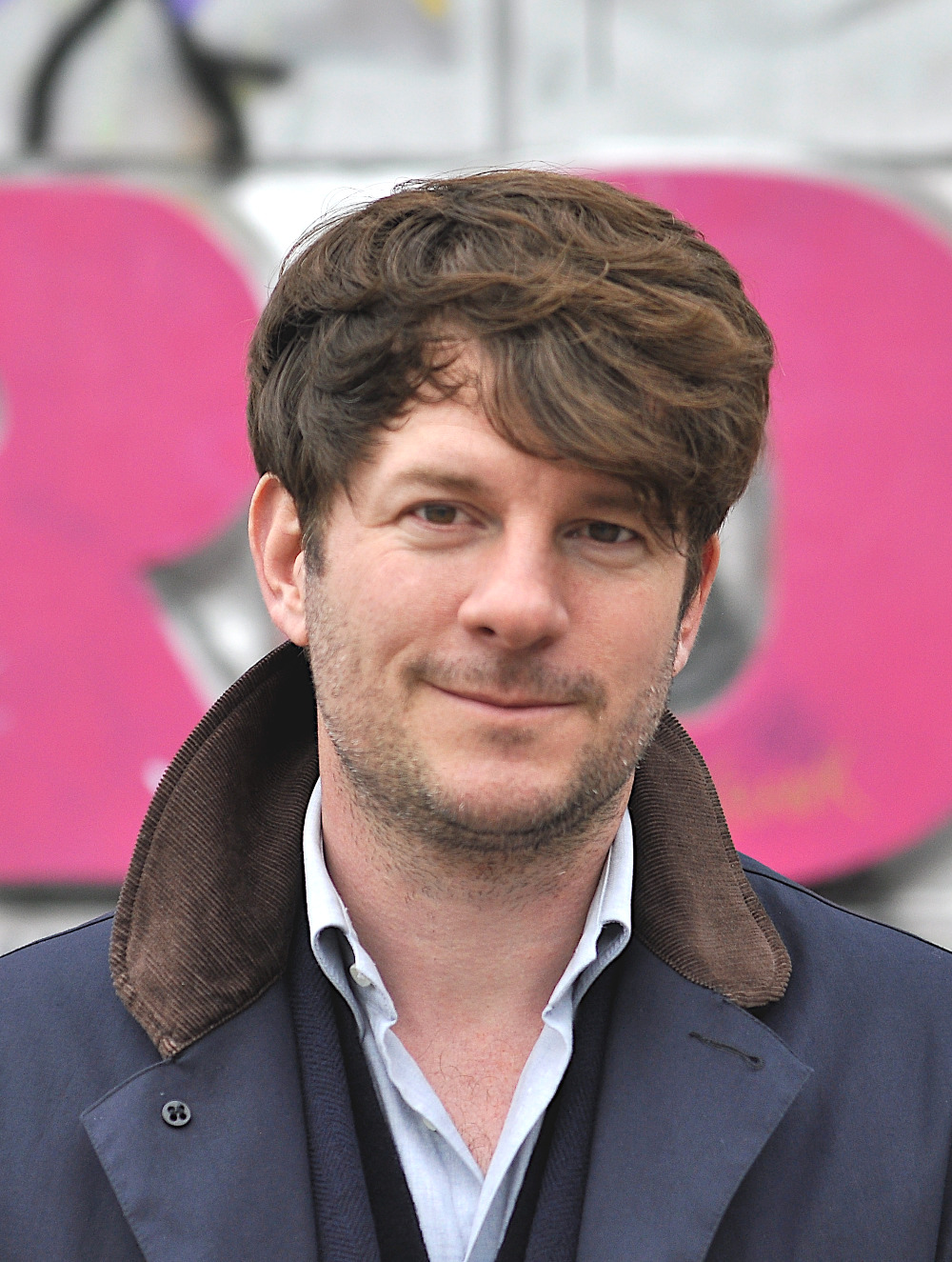
Monot

Affiliation: Ludwig-Maximilians-Universität München, DE

Keywords: Political theory, Literary history, Aesthetics, Social movements, Autonomy, Digital humanities

Webpage

ID_symbol_B-W_128x128

Full profile:

Pierre-Héli Monot received his PhD from the Humboldt University of Berlin in 2014 and teaches American Studies at the Ludwig Maximilians University of Munich. His thesis discussed the abolition of Slavery in the United States and the formation of academic literary studies during the same period. He has previously taught American Studies at the University of Göttingen, Comparative Literature at the Ludwig Maximilians University of Munich, and Philosophy at the University of Potsdam. After visiting fellowships at Brown University, Harvard University, and King’s College London, he received an ERC Starting Grant in 2019 for the research Project “The Arts of Autonomy: Pamphleteering, Popular Philology, and the Public Sphere, 1988-2018.” This project studies contemporary autonomist movements and the way the public sphere deals with highly polemical texts, such as political pamphlets, manifestos, viral statements, and open letters. The project uses a both basic Digital Humanities protocols and historical-critical methods. Pierre-Héli Monot’s other main research interests include the history of the University, the history of Socialism in Europe and the United States, and modern literary history.

Roszko

Affiliation: CMI-Chr. Michelsen Institute in Bergen, NO

Keywords: Social anthropology, Maritime territorialization, Transnational organized fisheries crime, Mobility, Marine ecologies, Blue heritage, Global commons, Ocean governance, Ocean literacy, Sustainability, Development

Webpage

ID_symbol_B-W_128x1280000-0003-4743-4212

Full profile:

Edyta Roszko is a Senior Researcher at the CMI-Chr. Michelsen Institute in Bergen, Norway and a social anthropologist with regional experience in East and Southeast Asia whose work cross-cuts different themes and disciplines. After her PhD at the Max Planck Institute for Social Anthropology and Martin Luther University, Halle (2011), which focused on religion and politics in Vietnam, she completed ethnographic research among Chinese and Vietnamese fishing communities in the common maritime space of the South China Sea. Bridging different historical periods and countries, the question of the mobility, migration, and connectivity of fishers compelled her to historicize fishing communities and to work beyond the framework of the nation state and area studies.

In the last ten years, Edyta’s research has been funded by various prestigious institutions such as Academia Sinica, Berlin Forum Transregionale Studien, Marie-Curie Sklodowska Actions – European Commission, the Danish Research Council for Independent Research, the British Economic and Social Research Council, the European Union’s Horizon 2020 Framework Programme and, more recently, by the European Research Council. Edyta’s newly awarded European Research Council (ERC) Starting Grant project Transoceanic Fishers: Multiple Mobilities in and out of the South China Sea (TransOcean) at Chr. Michelsen Institute expands her geographic field beyond Vietnam and China to include other global regions in Oceania and West and East Africa. By historicizing maritime disputes and conflicts over access to marine and submarine resources, spaces and markets within fishing communities in and out of the South China Sea Edyta’s new project offers a new perspective on how territorial disputes interact with pre-nation-state patterns of mobility and produce new versatilities that operate under radar of states. One of its objectives is to advance a transoceanic knowledge base of and approach to intractable marine problems that will be of strong interest to practitioners and policy makers within the EU Integrated Marine Policy and beyond. By combining anthropology, political science, economy and history Edyta seeks to contribute to a wider dialogue about oceans as political, social, and ecological spaces that may spark important global crises – not only in terms of geopolitics but also livelihoods security.

As a Senior Researcher at CMI, Edyta is developing a new research direction on oceans which focuses on how natural causes and human actions affect and shape oceans and seas and what solutions for ocean sustainable development could be put forward. This new research direction builds on and expends her ERC-funded project TransOcean that looks specifically on the issues of ocean governance and sustainability. The aim is to provide scientific knowledge and expertise that bridge the gap between theory and practices of sustainability and ocean development.

de Groot

Affiliation: Utrecht University, NL

Keywords: Earth Science, Geophysics, Geomagnetism, Rock physics

Webpage

ID_symbol_B-W_128x1280000-0002-1151-5662

Full profile:

Dr. Lennart de Groot is a geophysicist studying the behavior of the Earth’s magnetic field. The Earth’s magnetic field protects us against electromagnetically charged particles form the Sun that would strip away our atmosphere if they would not be deflected by the Earth’s magnetic field. Also, many technological advances such as wireless communication would not be possible without the protection that the Earth’s magnetic field provides. Although we often think of the Earth’s magnetic field as something stable, it is actually highly variable in space and time. Past configurations of the Earth’s magnetic field are recorded by rocks when they are formed. Lennart uses these magnetic signals of rocks to unravel the behavior of the Earth’s magnetic field on both short (decadal to centennial) and long (millions to billions of years) timescales, with the ultimate goal to predict future behavior the Earth’s magnetic field.

As a scholar, Lennart has a keen eye for outreach and scientific leadership. He regularly appears on (national) tv and radio, and contributes to articles in the science pages of national newspapers and popular scientific magazines. Lennart was actively engaged in the discussion on the transition to Open Access in the Netherlands. Moreover he serves on the board of the Geomagnetism, Paleomagnetism, and Electromagnetism section of the American Geophysical Union.

Lennart obtained his PhD from Utrecht University, where he now is an assistant professor. He built his research group with a series of grants from the Dutch Research Council (NWO), e.g. VENI and VIDI grants; and a Starting Grant from the European Research Council (ERC). He received the William Gilbert Award from the American Geophysical Union (AGU) in 2018, and the Vening Meinesz prize from the Dutch Research Council (NWO) in 2016. Lennart became a member of the Young Academy of Europe in 2020.

İlday

Affiliation: Ruhr University Bochum, DE

Keywords: Soft condensed matter; active matter; nonlinear dynamics; nonequilibrium statistical physics; complexity; laser-matter interactions.

Webpage

ID_symbol_B-W_128x1280000-0002-1620-6367

Full profile:

Serim’s research is at the intersection of soft condensed matter, nonequilibrium, and nonlinear physics and interfaces with materials science, nanotechnology, and mechanobiology. She is the founding director and the chair of the Simply Complex Lab at Ruhr University Bochum, Germany. She received prestigious awards and recognitions, including the L’Oreal-UNESCO For Women in Science (FWIS) Award in 2018, the European Research Council (ERC) Starting Grant (StG) in 2019, and the “International Special Honor” Prize by the Turkish Physical Society in 2022, which is typically given to senior scientists, she is the youngest recipient. She was also elected as an “Emerging Leader” in condensed matter physics by the Editorial Board of the Journal of Physics: Condensed Matter in 2020 and as a member of the Mediterranean Science Team in 2023. Her work has received considerable attention from the scientific community and media outlets by being featured in popular science books, highlighted by journal editors, and receiving accolades from prominent scientists across various research disciplines.

Goold

Affiliation: Trinity College, IE

Keywords: Quantum theory, Non equilibrium thermodynamics, Statistical mechanics

Webpage

ID_symbol_B-W_128x1280000-0001-6702-1736

Full profile:

John is theoretical physicist working on the non equilibrium thermodynamics of quantum systems. Following a PhD from University College Cork, Ireland – John worked as a postdoc at the Centre for Quantum Technologies at the National University Of Singapore and then moved later as a Marie Curie Fellow to the University of Oxford.  In August 2013 he moved to The Abdus Salam Centre for Theoretical Physics in Trieste Italy and remained there as a research scientist until 2017 where he moved back to Ireland to Trinity College Dublin (TCD) as a SFI-Royal Society University Fellow and an Assistant Professor. He was awarded a Starting Grant from the European Research Council and founded his group “Qusys” at Trinity in 2018.

John is interested in the interface of thermodynamics and quantum mechanics and in particular on how thermodynamics behaviour emerges from complex dynamics in complex many body systems. He has worked on a number of different areas including ultra cold atoms physics, statistical mechanics and quantum information.

Tress

Affiliation: Institute of Computational Physics, Zurich University of Applied Sciences, CH

Keywords: Renewable energy, Photovoltaics, Organic semiconductors, Device physics and modeling, Metal halide perovskites

Webpage

ID_symbol_B-W_128x1280000-0002-4010-239X

Full profile:

Wolfgang is currently a senior lecturer at Zurich University of Applied Sciences in Switzerland setting up his group on physics of novel semiconductor devices. He followed a multidisciplinary career, from studying electrical engineering to graduating in physics to working in physical chemistry groups. His general interests are developing and studying novel semiconductor materials and photovoltaic concepts and technologies. He has been working on several emerging semiconductor material systems for small-molecule and polymer solar cells and for perovskite optoelectronics. His focus is on analyzing and modeling performance limiting processes in these devices.

Wolfgang is one of the leading scientists in the field of device physics of emerging solar-cell technologies and listed as a Highly Cited Researcher by the Web of Science Group. He published a book on organic solar cells and several groundbreaking articles in the field of perovskite solar cells. For his postdoctoral work, he received national and international awards such as the Zeno-Karl Schindler prize in the field of environmental sciences and sustainability, the Award in Applied Physics by the Swiss Physical Society and the Energy & Environmental Science Readers’ Choice Lectureship by the Royal Society of Chemistry. Before having received an ERC Starting Grant and moved to ZHAW in 2020, Wolfgang was a Marie-Curie fellow at the Ludwig Maximilian University of Munich and an Ambizione fellow at the École polytechnique fédérale de Lausanne.

Beyond semiconductor physics, Wolfgang is broadly interested in renewable energies and applied research towards a more sustainable society. He is active as organizer of photovoltaics conferences and editorial advisory board member of the open-access journal “Advanced Energy and Sustainability Research”. He is alumnus of the Reiner Lemoine Foundation and became a fellow of the Young Academy of Europe in 2020.

Slater

Affiliation: University of Liverpool, UK

Keywords: Supramolecular chemistry, Materials science, Automation in synthesis, Molecular design

Webpage

ID_symbol_B-W_128x1280000-0002-1435-4331

Full profile:

Anna obtained her Ph.D. in supramolecular chemistry from the University of Nottingham (2011). Following PDRA positions at the University of Nottingham and University of Liverpool she took up her current post as a Royal Society-EPSRC Dorothy Hodgkin Fellow in December 2016.

Anna leads a team of supramolecular materials scientists at the Materials Innovation Factory and Chemistry Department at Liverpool. Her research interests center on the use of enabling technology to discover and exploit promising new materials, particularly those structured through non-covalent interactions. Drawing on expertise in flow chemistry, automation, organic synthesis, materials characterization, and supramolecular interactions, the Slater group is a multidisciplinary team who enjoy working with people from diverse fields and backgrounds. In January 2021, Anna will take up a Royal Society University Research Fellowship.

Alongside her research and teaching, Anna has strong interests in equality, diversity, and inclusion, mentorship, network building, and researcher development and support.

Thiele

Affiliation: Leibniz-Institut für Polymerforschung Dresden e.V., DE

Keywords: Microfluidics, Microemulsions, Hydrogels, Vesicles, Cell-free biosynthesis, Additive manufacturing, Microstereolithography, Bioprinting

Webpage

ID_symbol_B-W_128x1280000-0001-5449-3048

Full profile:

Julian is group leader at the Leibniz-Institut für Polymerforschung Dresden e.V. (Leibniz Institute of Polymer Research Dresden), and Young Investigator at the TU Dresden. He received his BSc from Lund University, and his diploma in Chemistry from Hamburg University in 2008. He joined the group of David A. Weitz at Harvard University, and graduated from Bayreuth University in the group of Stephan Förster in 2011, for which he was awarded the Culture Award Bavaria by E.ON. As a Feodor-Lynen fellow of the Humboldt Foundation, he worked with Wilhelm T. S. Huck at Radboud University Nijmegen before joining the TU Dresden from 2014 to 2015.

Julian’s research covers synthesis, processing, and application. In detail, functional monomers, macromers, surfactants and photopolymer formulations are designed, and translated into multifunctional, stimuli-sensitive polymer materials via additive manufacturing and microfluidics (with feature sizes from a few micrometers to the millimeter-scale and beyond). His group’s particular strength lies in the design of physicochemically and mechanically tailored hydrogel particles (microgels), fabricated by droplet microfluidics. The hydrogel’s polymer network allows for tailoring size, shape, porosity, elasticity and compartmentalization and is thus the ideal platform for recapitulating cellular functions in a cell-free environment, and for mimicking cell scaffolds. On this account, his group makes use of bio-orthogonal synthesis schemes and biocompatible material bases, as recognized by the Georg Manecke Prize 2019 by the German Chemical Society (GDCh).

He is also co-founder and now leader of the Leibniz Application Laboratory “Additive Manufacturing / 3D printing”. In April 2020, Julian started his ERC Starting Grant project to establish a radically new approach for polymer material design, rethinking additive manufacturing on both material and process level. Here, functionality will be already embedded at the building block level to emerge into larger scales. The exact methodology relies on polymer microparticles as material basis with arbitrary geometry, function, mechanics and responsiveness. These microparticulates will serve as voxel-like building blocks yielding hierarchical assemblies with spatially defined voxel position and programmable, adaptive properties. With that, 3DPartForm will address the current lack of additive manufacturing providing multifunctional, stimuli-responsive materials, in which not only strongly different, but most importantly functional building blocks with intrinsic time axis will be processed into true 4D multimaterials.

Research interest:

Rutjens

Affiliation: University of Amsterdam, NL

Keywords: Psychology of science, Social psychology, Cultural psychology, Attitudes to science, Worldviews, Beliefs

Webpage

ID_symbol_B-W_128x1280000-0003-3163-4156

Full profile:

Bastiaan Rutjens is an assistant professor at the Psychology
Research Institute of the University of Amsterdam, where he runs the
PsySci (Psychology of Science) lab. His research interests are in social
and cultural psychology, within which he focuses on the psychology of
belief systems and worldviews. Most of Bastiaan’s research targets the
psychology of science.

Website: Universiteit van Amsterdam