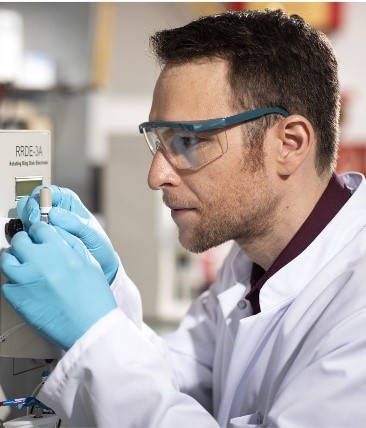
Conti

Affiliation: University of Padua, IT

Keywords: Security, Privacy, Networking, Blockchain and DLT

Webpage 1

Webpage 2

ID_symbol_B-W_128x1280000-0002-3612-1934

@mauroconti_

Full profile:

Mauro Conti is Full Professor at the University of Padua, Italy. He is also affiliated with TU Delft and University of Washington, Seattle. He obtained his Ph.D. from Sapienza University of Rome, Italy, in 2009. After his Ph.D., he was a Post-Doc Researcher at Vrije Universiteit Amsterdam, The Netherlands. In 2011 he joined as Assistant Professor the University of Padua, where he became Associate Professor in 2015, and Full Professor in 2018. He has been Visiting Researcher at GMU, UCLA, UCI, TU Darmstadt, UF, and FIU. He has been awarded with a Marie Curie Fellowship (2012) by the European Commission, and with a Fellowship by the German DAAD (2013). His research is also funded by companies, including Cisco, Intel, and Huawei. His main research interest is in the area of Security and Privacy. In this area, he published more than 350 papers in topmost international peer-reviewed journals and conferences. He is Area Editor-in-Chief for IEEE Communications Surveys & Tutorials, and has been Associate Editor for several journals, including IEEE Communications Surveys & Tutorials, IEEE Transactions on Dependable and Secure Computing, IEEE Transactions on Information Forensics and Security, and IEEE Transactions on Network and Service Management. He was Program Chair for TRUST 2015, ICISS 2016, WiSec 2017, ACNS 2020, and General Chair for SecureComm 2012, SACMAT 2013, CANS 2021, and ACNS 2022. He is Senior Member of the IEEE and ACM. He is member of the Blockchain Expert Panel of the Italian Government.

Font Paz

Affiliation: Universitat Autònoma de Barcelona, ES

Keywords: Gender, Early modern period, Women’s writing, Global intellectual history, Textual misogyny, Cultural heritage, Epistemic balance

Webpage

ID_symbol_B-W_128x1280000-0003-0752-1717

Full profile:

Carme Font Paz is Research Professor of English literature in the English Department at Universitat Autònoma de Barcelona. She is also Research Associate at the UCLA Center for Medieval and Renaissance Studies (CMRS). She completed her postdoctoral stage with research grants both at UCLA and Harvard University.

In 2018 Dr. Font was awarded a Starting Grant from the European Research Council (ERC) for her project WINK, “Women’s Invisible Ink: Trans-Genre Writing and the Gendering of Intellectual Value in Early Modernity”.

Font’s research studies the marginalization and recovery of women’s thought in the early modern period. Her research group is concerned with both local and comparatist approaches, as well as theoretical aspects of early modern women’s intellectual history and socio-economic considerations to early modern textual production, from manuscript poetry to political prose, letters, spiritual writing, miscellanies and novels. Her research integrates social history, historiography (debates on the canon), history of ideas (the need to trace a genealogy of women’s contributions to global thought), cognitive literary theory, religion and secularism in Reformed and counter-Reformation Europe, reception and textual analysis.

In addition to numerous short-term grants, publications, and participation in international research groups and networks, Font is editor of the book series Early Modern Women Writers in Europe: Texts, Debates, and Genealogies of Knowledge (Brepols) and sits in the editorial board of Prose Studies (Routledge). Her research has enjoyed wide media coverage in international outlets such as the BBC, The Guardian, or El País.

Apart from her participation in conference panels, Font is often invited to seminars and talks, such as Women of the Book in Johns Hopkins University, the Laboratoire d’Études et de Recherche sur le Monde Anglophone (Aix-Marseille Université), Wycliffe College at the University of Toronto, or the New Historia Symposia at the New School, New York.

Aside from her research activity, Font also has a background in literary translation, reading for international literary awards and creative writing.

Research interests: early modern women’s writing, Renaissance, global intellectual history, gender, feminism, textual misogyny, book history, cognitive literary theory, cultural heritage, epistemic balance.

Yeste

Affiliation: University of Girona, ES

Keywords: Cell Biology, Reproductive Biology, Cryobiology, Infertility, Sperm, Oocyte, Embryo, Animal Reproduction, Human Reproduction

Webpage 

ID_symbol_B-W_128x1280000-0002-2209-340X

Full profile:

Marc graduated with a Bachelor of Science (Biology) from Girona University, an MSc in Biotechnology, and earned a European PhD in Reproductive Biology. He also graduated with a Bachelor of Political and Social Sciences from UNED. He was a Visiting Researcher at the Institute of Zoology, Zoological Society of London (2006-2007) and was promoted to Assistant Professor of Cell Biology at the Faculty of Human Medicine, University of Girona (2008). In 2011, he moved to the Department of Animal Medicine and Surgery, Autonomous University of Barcelona, as a Juan de la Cierva Postdoctoral Research Fellow. He lectured Reproductive Technology and Physiology of Obstetrics, and Animal Reproduction at the Faculty of Veterinary Medicine. In 2014, Marc joined the Nuffield Department of Women’s & Reproductive Health, University of Oxford, as a Marie Curie Fellow, and began to lecture in the MSc in Clinical Embryology, in which he is still involved. In 2016, he moved back to Girona University as a Senior Research Fellow (Ramón y Cajal). Currently, Marc is an Associate Professor of Cell Biology at the Department of Biology, University of Girona, and Director at TechnoSperm, TECNIO Centre for Reproductive Biotechnology. He teaches at the Faculties of Human Medicine, Nursing and Sciences, at the Polytechnic School, and for the MSc in Food Biotechnology, and in Molecular Biology and Biomedicine. In addition, he has been a Guest Lecturer at Oxford University (UK), University of Santiago de Compostela (Spain). University of Sao Paulo (Brazil), University of Alicante (Spain), Antonio Nariño University (Colombia), Federal University of Lavras (Brazil) and University of Murcia (Spain).

Marc is a Senior Editor of Scientific Reports (the multidisciplinary journal of Nature publishing group); an Associate Editor of Reproduction, Fertility and Development (CSIRO Publishing), Frontiers in Physiology (Frontiers), Frontiers in Endocrinology (Frontiers), and Animal Reproduction Science (Elsevier); a Section Editor of the International Journal of Molecular Sciences (MDPI) and Biology (MDPI); and an Editorial Board Member of Theriogenology and Cryobiology (Elsevier). He has been a peer reviewer for more than 90 scientific journals, and an expert evaluator for research grants at different funding agencies, including AEI, Spain; BBRSC, UK; Teagasc, Ireland; Marie Curie-COFUND, EU; NSERC, Canada; CONCYT, Argentina; MRC, UK; NSC, Poland; Lalor Foundation, USA; NWO, The Netherlands; and GACR, Czech Republic.

His research has tackled different angles of Reproductive Biology in mammals (including humans, pigs, cattle, horses, donkeys, sheep, mice, cats and dogs): sperm physiology (including sperm capacitation), interactions of sperm with epithelial cells from different reproductive tissues (epididymis and fallopian tube/oviduct), presence and growth of microbes in semen and implications for its preservation, sperm cryopreservation, cryopreservation of oocytes and embryos, genetics of infertility, oocyte activation deficiency, in vitro maturation of oocytes and fertility preservation.

Marc’s track-record includes more than 270 publications: >160 papers and >90 abstracts in SCI/JCR-indexed journals, mostly Q1-ranked. In addition, he has authored 5 articles in non-scientific, dissemination journals, 12 book chapters (editor in 3), and >180 contributions to congresses (20 as invited, plenary speaker), and is an inventor of a patent. He has taken part in more than 100 research grants and contracts with companies (national and international), including funding from the European Commission (FP7 and H2020 schemes), retaining the PI role in >35. Thus far, Marc has supervised 8 PhD students, 5 post-docs, 21 MSc students and >40 undergraduate students.

Finally, Marc’s teaching and research activities have been recognized at both national and international levels. He was habilitated as a Full Professor by the Catalan Agency for Quality Assessment of Universities (AQU) and by the National Agency for Quality Assessment and Accreditation, Spain (ANECA), and was awarded with the I3, Outstanding Research Certificate (Ministry of Science, Innovation and Universities, Spain) in 2019. In addition, he was elected as a Fellow of the Higher Education Academy (HEA, UK) in 2015, and as a Fellow of the Royal Society of Biology (RSB, UK) in 2020.

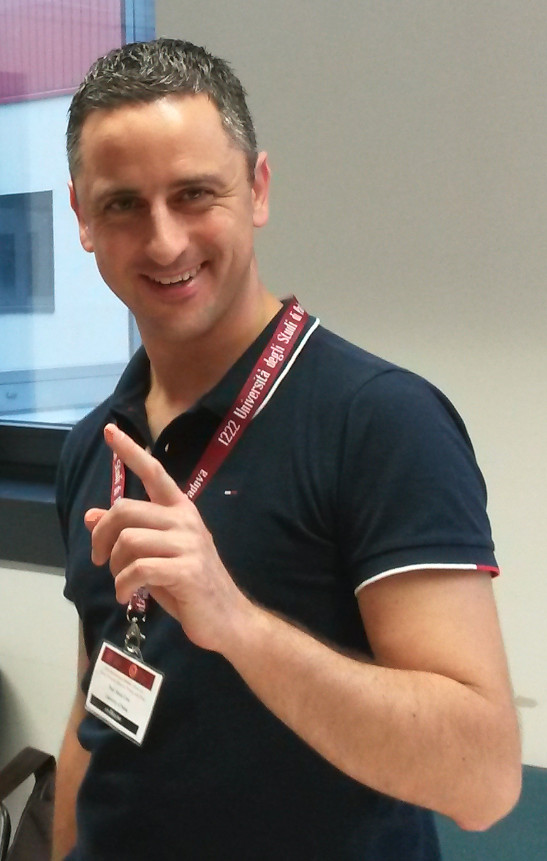
Ciesielski

Affiliation: Institut de Science et d’Ingénierie Supramoléculaires (I.S.I.S.), Université de Strasbourg & CNRS, FR
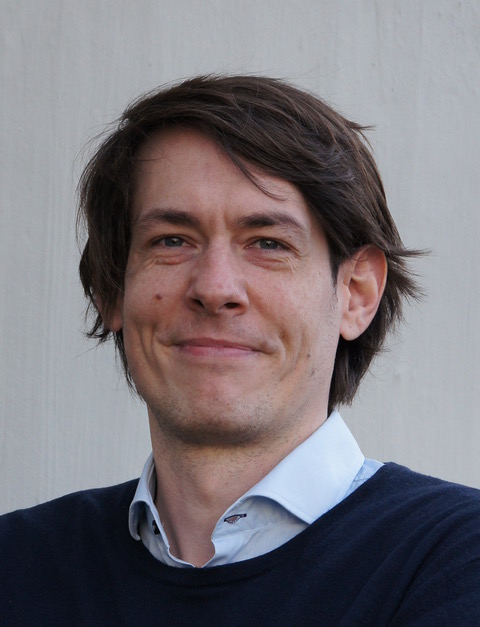
Visiting Professor at Center for Advanced Technologies, Adam Mickiewicz University in Poznań, PL

Keywords: 2D Materials, Supramolecular Chemistry, Functional Hybrid Structures, Sensing, Energy

Webpage 1, Webpage 2

ID_symbol_B-W_128x1280000-0003-3542-4092

Full profile:

Artur Ciesielski obtained his M.Sc. degree from Adam Mickiewicz University, followed by his PhD degree from the University of Strasbourg (P. Samorì). In 2016, he became a research associate at the Institut de Science et d’Ingénierie Supramoléculaires (ISIS) and Centre National de la Recherche Scientifique (CNRS). In 2018 he has been appointed as visiting professor at the Centre for Advanced Technologies of Adam Mickiewicz University in Poznań (Poland). His broad area of research interest lies in design of hybrid supramolecular systems, self-assembly of nanopatterns, and production and chemical modification of 2D materials by exploiting supramolecular approaches and their exploration in (nano)devices including health monitoring and environmental sensing as well as in energy storage/conversion. He has been awarded twice with the prestigious ‘Outstanding Pole in France award’ in science (2015 and 2019).

Langen

Affiliation: Atominstitut, TU Wien

Keywords: Quantum physics, Quantum technologies, Ultracold quantum gases, Cold molecules, Quantum many-body systems

Webpage

ID_symbol_B-W_128x1280000-0003-2561-0326

Full profile: Prof. Dr. Tim Langen is a professor of experimental quantum physics at TU Wien, where he is leading the research division on Cold Molecules and Quantum Technologies. Before that, he was a group leader and deputy professor at the University of Stuttgart, a postdoctoral fellow at JILA in Boulder, and studied physics in Vienna, Paris, Mainz and Marseille.

Tim Langen has made a large number of important and widely recognized contributions to many aspects of atomic, molecular, and quantum physics. These include the observation of a novel supersolid state of matter, advances in direct molecular cooling and landmark studies of the non-equilibrium dynamics of quantum many-body systems. He has received several prestigious international prizes and fellowships, among them an ERC Starting Grant, the Rudolf Kaiser Prize 2019, the Runner-up New Journal of Physics Early Career Award 2017, and the QEOD Thesis Award of the European Physical Society 2015. He has authored over 50 peer-reviewed publications and is an Editorial Board member for New Journal of Physics.

Lomfeld

Affiliation: Free University Berlin, DE
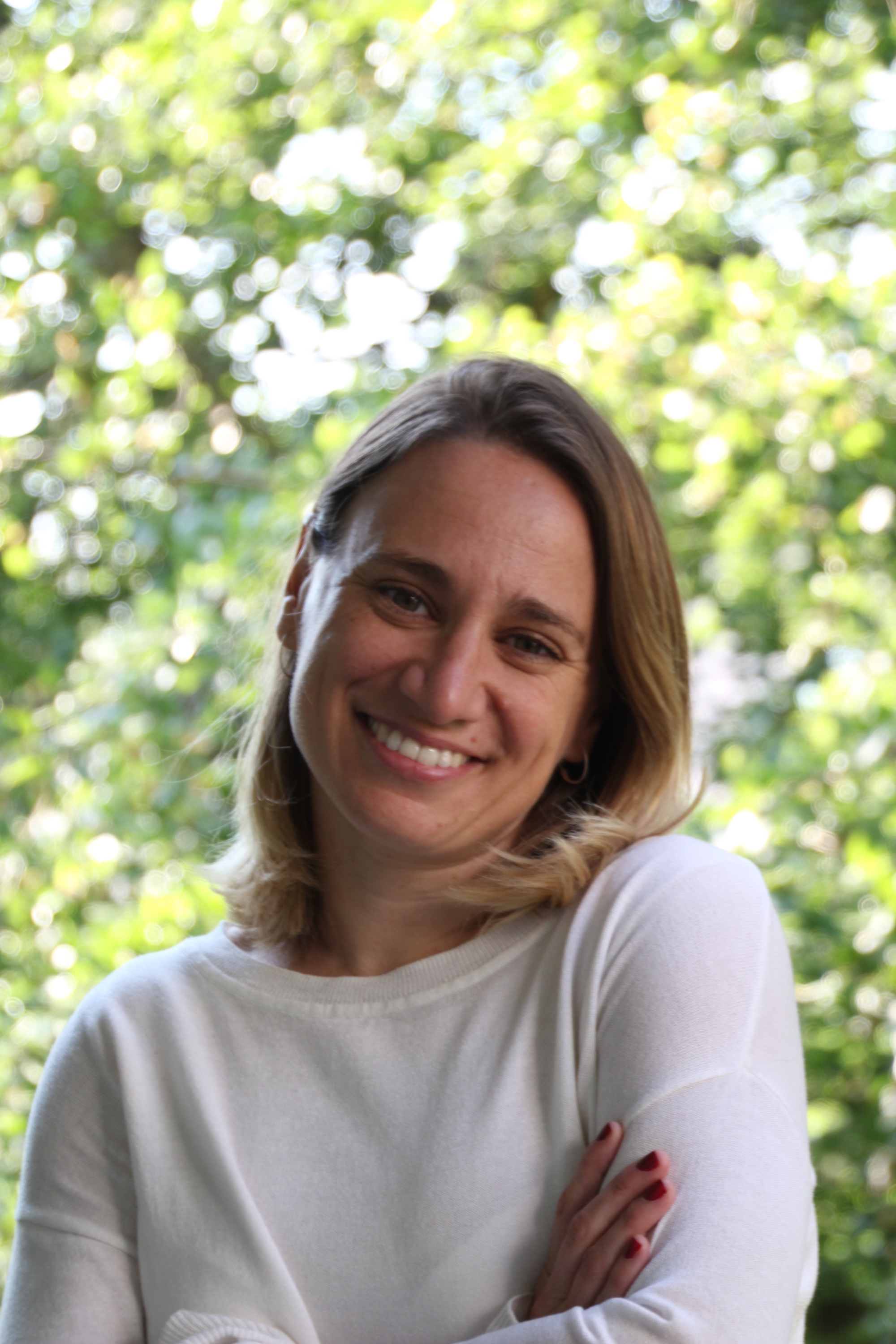
Keywords: Private & economic law; Comparative & global law; Law & philosophy, Sociology, Economics, IT, AI

Webpage

Full profile:

Bertram studied law, philosophy, sociology and economics in Heidelberg, Frankfurt, Cambridge, Paris, Vienna and Rome. He is currently a professor of law at Free University Berlin and co-founder of the Free University Empirical Legal Studies Center (FUELS). Bertram held visiting positions at and fellowships from Sciences Po Paris, Columbia University, Harvard University and Humboldt University Berlin. In his work, Bertram is searching for the social grammar of society, i.e. basic normative structures and judgements and what role law plays within the self-organization of society. He developed a comprehensive structure of basic values for practical argumentation, a formal coding of deep normative balancing within legal reasoning and a judicial decision theory including emotions and reasons. From that genuine theoretical perspective, he focuses on social effects and normative design of private law institutions like contract, (intellectual) property, debt or corporations and tries to reveal their deliberative democratic potential. Bertram is strongly interested in working at cross-disciplinary boundaries and employing approaches that bridge different fields and mind sets. In his actual ERC starting grant project “Resolvency – A Global Theory of Reflexive Debt (Deliberation)”, he strives with economists and political scientists for a rethinking of the concept of debt as a more sustainable socio-economic medium. In an upcoming cooperation with computer and cognitive scientists, he works on the vision of “reasonable machines”, i.e. the ability of artificial intelligent systems to give and take (communicate) practical reasons.

Rus-Calafell

Affiliation: Mental Health Research and Treatment Center, Faculty of Psychology, Ruhr-Universität Bochum, DE

Keywords: Psychosis, Schizophrenia, Digital interventions, Auditory hallucinations, Avatar therapy, Youth mental health

Webpage

Full profile:

Mar Rus-Calafell completed her studies in psychology at the University of the Balearic Islands (Spain). She then moved to the University of Barcelona to continue with her MSc degree in Clinical Psychology. In Barcelona, she also trained as a clinical psychologist and completed her PhD in Clinical Psychology (Cum Laude and Best Thesis Award). She complemented her PhD studies with a scholarship from the League of European Research Universities (LERU), to attend the distinguished training on Development of Leadership Skills from Employment in Enterprise, Government and Academia at the Sorbonne University (Paris).

She then started as a post-doc and clinical psychologist at the Institute of Psychiatry, Psychology & Neuroscience (IoPPN), King’s College London (UK), where she coordinated a large clinical trial to test the efficacy of AVATAR therapy (a novel digital intervention for auditory hallucinations in psychosis). In 2016, she was awarded the National Institute Health Research Independent Researcher Award. In 2017, she started working as a clinical psychologist and research fellow with the Oxford-Cognitive Approaches to Psychosis (O-CAP) team, Department of Psychiatry, University of Oxford. In 2020, she was awarded the prestigious Sofja Kovalevskaja Award (Alexander von Humboldt Foundation and Ministry of Education and Research, Germany) and she became the independent research group leader of the Young VOices Research and Interventions (YVORI) research group, which is based at the Mental Health Research and Treatment Center (MHRTC, Ruhr-Universität Bochum).

Her research focus through her clinical and research career is the understanding and treatment of mental health disorders, and psychosis specifically, and the application of digital technologies to improve assessment and treatment of these disorders. She is a lecturer at the Ruhr-Universität Bochum and invited lecturer at other European universities, has been part of tribunals for PhD ceremonies and is a reviewer of more than 20 journals and science organisations.

Plümper

Affiliation: Department of Earth Sciences, Utrecht University, NL

Keywords: Earth Science, Mineral Physics, Petrology

Webpage

ID_symbol_B-W_128x1280000-0001-9726-0885

Full profile:

Oliver Plümper’s research interest spans the fields of fluid-rock interaction, nanogeosciences, mineral physics and rock deformation. He combines these fields to specifically investigates how the fundamental parts of rocks, minerals, respond to changes in their local environment that are caused by the introduction of fluids and stress. Critically, he uses this often nanometer (~100,000 times smaller than the width of a hair) scale information to understand how changing the environment alters the critical properties of rocks. This knowledge allows him to address fundamental earth science questions related to the deep Earth water and carbon cycle as well as topics that we have all come across in the news, including earthquakes and carbon sequestration. Oliver addresses his research questions by drawing upon an interdisciplinary approach, interacting with traditional geoscience of natural observations, with the chemistry of experiments, computational science using numerical simulations and the high-end physics of next-generation micro- and nano-analytics. Specifically, translating new methods and cutting-edge electron microscopy technologies to answer earth science questions is one of Oliver’s greatest passions.

Oliver also has a keen interest in outreach and scientific leadership. He regularly appears in national and international newspapers and popular scientific magazines. Oliver is also actively engaged in coordinating open science efforts within the European Earth science landscape. He as also served as a science advisory officer at the Geochemistry, Mineralogy, Petrology and Volcanology section of the European Geoscience Union and is on the editorial board of “Geology”, one of the leading geology journals. In addition, Oliver has organized numerous scientific symposia and sessions at national and international conferences.

Oliver studied geosciences at the University of Münster (Germany) before he joined the Marie Skłodowska-Curie Actions Innovative Training Network “Delta-Min” at the Center for Physics of Geological Processes (PGP), University of Oslo (Norway) in 2008. He completed his PhD at PGP in 2012 and soon after moved to the Department of Earth Sciences at Utrecht University where he has been an assistant professor since 2013. Oliver has been awarded multiple research grants to build his own group, including personal grants from the Dutch Research Council (NWO), the European Research Council (ERC) as well as industry funding. He received the Goldschmidt award from the German Mineralogical Society (DMG) in 2018 and the 2021 Research Excellence Medal from the European Mineralogical Union.

Fernandez Rivas

Affiliation: University of Twente, NL

Keywords: Microfluidics, Cavitation, Needle-free injections, Electrolysis, Solar-to-fuel technologies, Process intensification, Sonochemistry

Webpage

ID_symbol_B-W_128x1280000-0003-4329-3248

Full profile:

David Fernandez Rivas (BS: 2004; MS: 2006 in Nuclear Engineering, Higher Institute of Science and Technology in Havana, Cuba) obtained his PhD at the University of Twente in 2012. He was assistant professor (2014-2019) and associate professor since 2020 in the Mesoscale Chemical Systems Group, and is research affiliate at the Mechanical Engineering Department, Massachusetts Institute of Technology, United States of America, since 2017.

He has co-authored over 50 reviewed journal papers and is inventor of a patent commercialized by the spin-off BuBclean (2013) of which he is cofounder. His research interest and expertise are in the areas of microfluidics, transdermal drug delivery alternatives, solar-to-fuel cells, process intensification, acoustic cavitation and sonochemistry. In 2019, he obtained the European Research Council Starting Grant for his project BuBble Gun, aimed at penetrating microjets in soft substrates, towards controlled needle-free injections. He is co-chair of the COST Action Greenering: Green Chemical Engineering Network towards upscaling sustainable processes, from the European Cooperation in Science & Technology.

He has received several recognitions, such as the Pieter Langerhuizen Lambertuszoon Fonds prize (2016) awarded by the Royal Holland Society of Sciences and Humanities (KHMW), and elected to the Global Young Academy (2020).

Risch

Affiliation: Helmholtz-Zentrum Berlin für Materialien und Energie GmbH, DE

Keywords: Sustainable energy, Renewable energy, Green hydrogen, Hydrogen economy, Solar fuels, Artificial photosynthesis, Electrochemical Energy storage and conversion, Fossil-free chemicals, Electrocatalysis, Energy materials, Energy electrochemistry, Materials science, X-ray spectroscopy, Spectroelectrochemistry, Operando spectroscopy, Reaction mechanism

Webpage

ID_symbol_B-W_128x1280000-0003-2820-7006

Full profile:

Marcel Risch studied physics at the Technical University Darmstadt (Germany) and the University of Saskatchewan (Canada) where he worked on plasma ion implantation for materials modification. He moved to Berlin in 2008 to begin his doctoral studies on artificial photosynthesis under the guidance of Prof. Holger Dau at Free University Berlin (Germany). In Berlin, Marcel also deepened his interest in chemistry by joining the Berlin Graduate School of Natural Sciences and Engineering (BIG NSE) of the cluster of excellence “Unifying Concepts in Catalysis” (UniCat). After receiving his doctorate in 2011 with the highest distinction (summa cum laude), he joined the Electrochemical Energy Lab (EEL) at the Massachusetts Institute of Technology headed by Prof. Yang Shao-Horn to develop oxide nanomaterials for energy storage and conversion, in particular low temperature oxygen electrocatalysis, and to advance operando X-ray spectroscopy. In 2015, Marcel returned to Germany for a postdoc position at the Institute of Materials Physics University of Goettingen to combine his passions for physics, materials and energy research in the group of Prof. Christian Jooss and within the collaborative research centre (CRC/SFB) 1073 “Atomic scale control of energy conversion”. He became a junior group leader the following year. In 2019, Marcel moved back to Berlin where he leads the young Investigator group “Oxygen Evolution Mechanism Engineering” (NOME) funded by the ERC Starting Grant ME4OER. The oxygen evolution reaction by water oxidation is the starting point of the value chain for the production of sustainable fuels and fossil-free chemicals. His vision is drawing an accuate “hiking map” for the energy landscape of this reaction so that the most favorable path can be chosen by materials design.

The bandwidth of Marcel’s published works spans electrocatalysis, photocatalysis, aqueous metal-air batteries, non-aqueous metal-air batteries, electrosynthesis of fuels, and aqueous supercapacitors. He has received the Carl Ramsauer Prize of the Physical Society of Berlin and the Hans-Jürgen Engell Prize of the International Society of Electrochemistry where he is an active member and was the coordinator of symposium 18 of the 71th annual meeting.