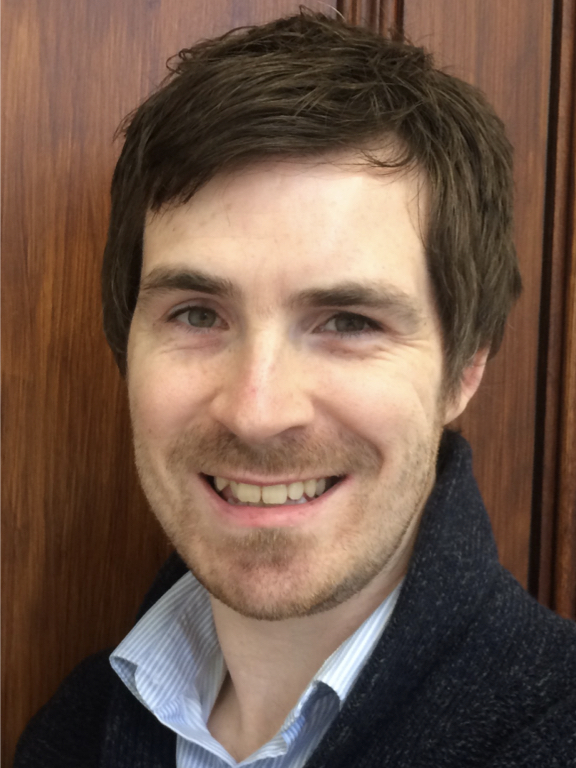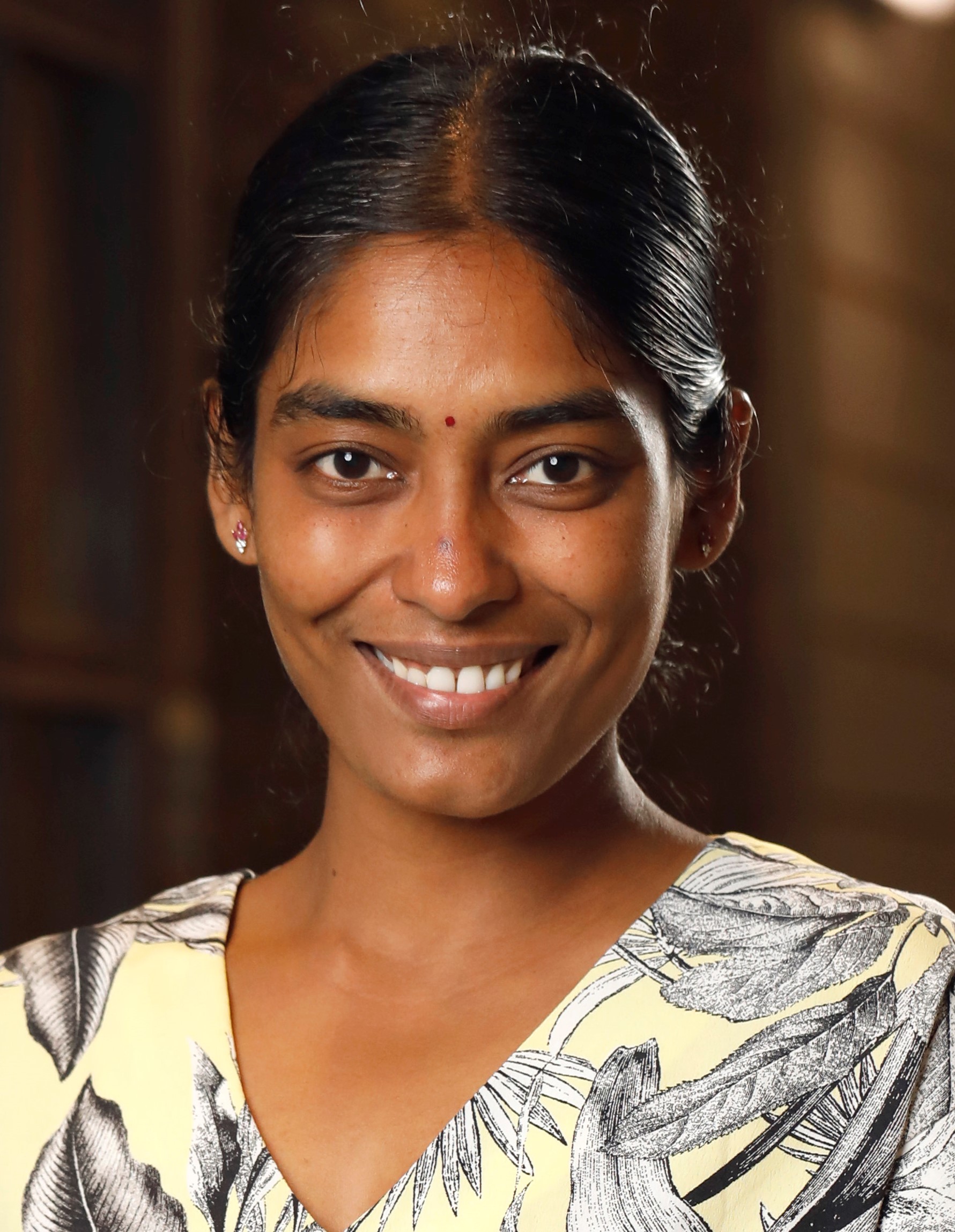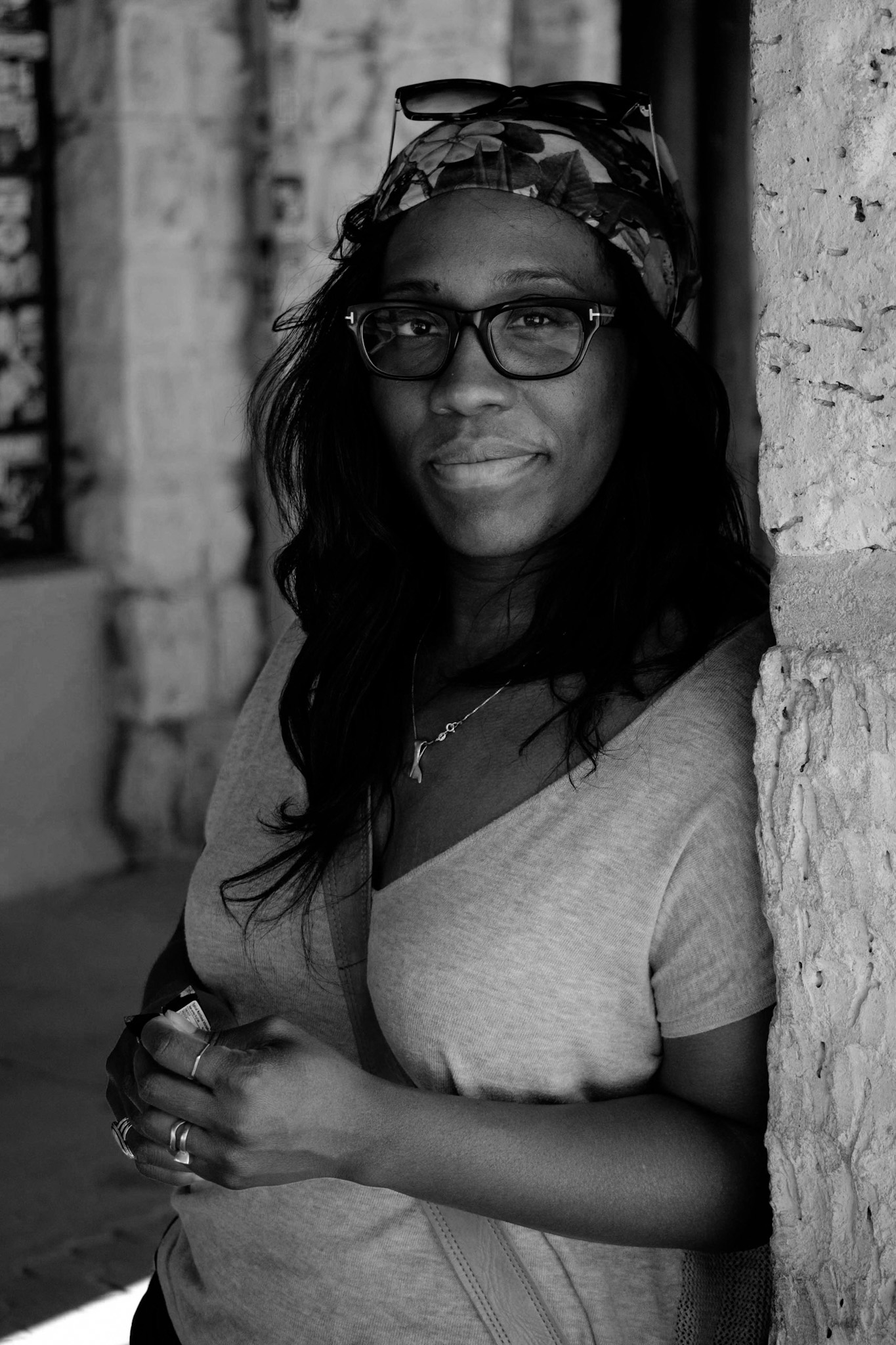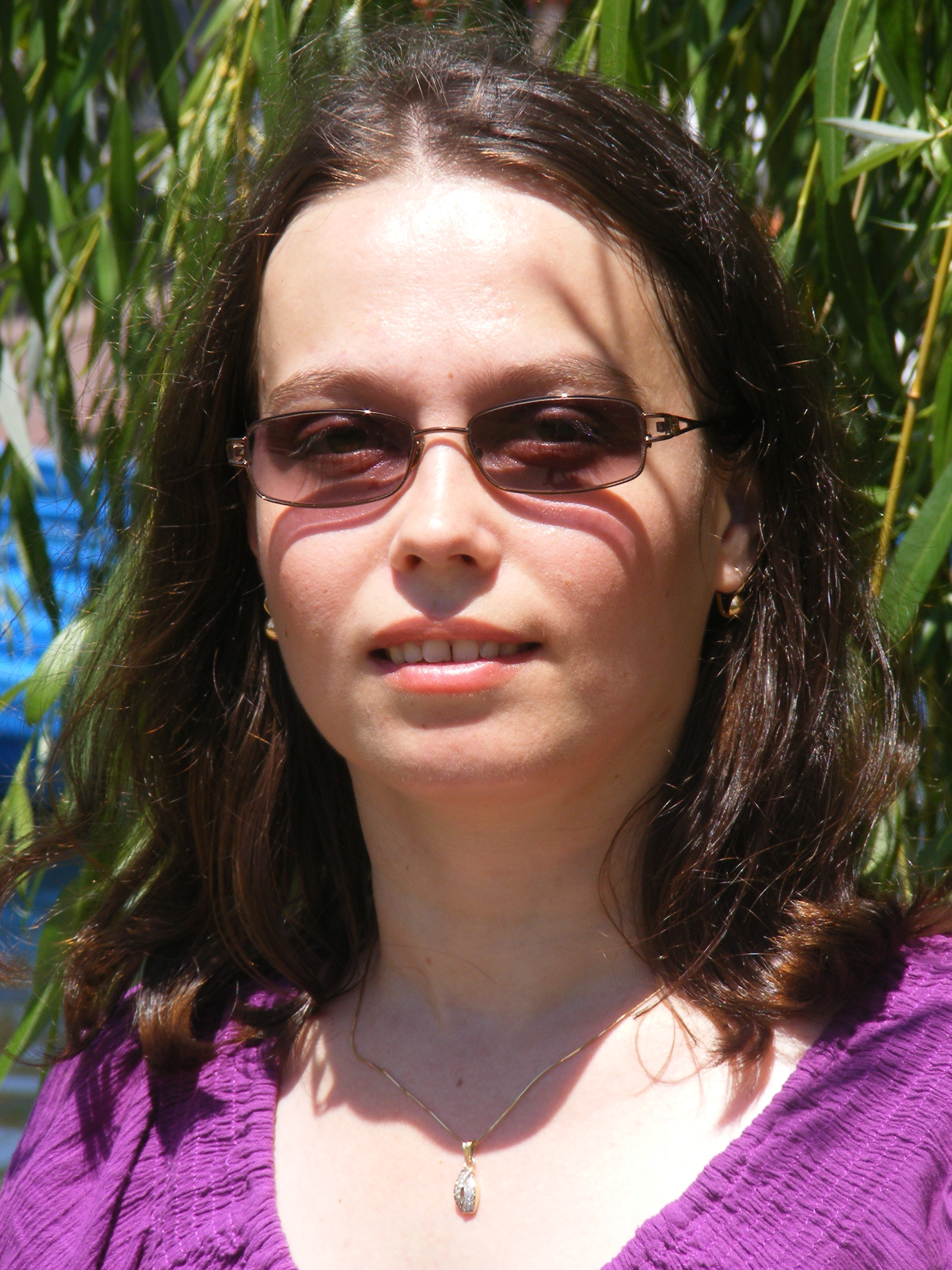
Urban

Affiliation: Center for Advanced Studies ‘Words, Bones, Genes, Tools’, University of Tübingen, DE

Keywords: General Linguistics, Historical Linguistics, Language Contact, Linguistic Typology, Andean Linguistics, Human Prehistory

Webpage: www.langdynand.org

ORCID: 0000-0001-7633-7433

Matthias Urban received undergraduate and graduate training in linguistics at the University of Cologne and the department of linguistics of the Max Planck Institute for Evolutionary Anthropology in Leipzig.

His postdoctoral work at Leiden University in the Netherlands focused on the historical linguistics of the Central Andes and sought to investigate the use of different types of linguistic information –the areal distribution of linguistic features, place and personal names, substrate effects, other contact phenomena including lexical and grammatical borrowing, and the spread of language families–as windows to the prehistory of this culture area.

Emphasizing the need to interpret the linguistic record against an interdisciplinary background, he continues to pursue this approach as principal investigator of the Junior Research Group “The languages of the Central Andes” (funded by the German Research Foundation’s Emmy Noether Program) and a project that explores linguistic evidence for the prehistoric spread of cultivated plants in northwestern South America (funded by the Daimler and Benz foundation).

He is (co)-author of numerous articles that have appeared in prestigious linguistics journals or interdisciplinary outlets, and has produced three full length monographs, one of which written in an accessible non-technical style and directed at a broader audience in the humanities.
Alpár

Affliation: Semmelweis University, HU

Keywords: molecular oncohematology, cancer evolution, treatment response monitoring, next-generation sequencing, automated microscopy

Webpage: https://scholar.semmelweis.hu/alpardonat/en/introduction/

ORCiD: 0000-0002-2638-5418

Full profile:

Donát Alpár studied biology & chemistry and received his PhD in molecular pathology from the University of Pécs, Hungary. After serving as the head of a cancer cytogenetic laboratory for nearly five years, he spent altogether eight years at the Institute of Cancer Research (London) and at the Center for Molecular Medicine of the Austrian Academy of Sciences (Vienna). His research at the Semmelweis University focuses on the genome, epigenome and transcriptome based evolutionary scrutiny of hematological malignancies, and on the development of automated microscopy and next-generation sequencing based applications with an ultimate goal to improve cancer diagnostics and refine personalized treatment strategies.

He published 50+ scientific papers/book chapters and completed 100+ reviews, mainly for hematology and pathology focused journals. His scientific activity was supported and recognized nationally and internationally with various scholarships (Fulbright, Marie Curie, János Bolyai, ISAC Marylou Ingram Program, Hungarian National Excellence Program), basic research and R&D grants, as well as awards from the University of Pécs, the Hungarian Cancer Society and the International Society of Paediatric Oncology. He is a former Novartis International Biotechnology Leadership Camp attendee, Falling Walls Lab finalist, Lindau Nobel Laureate Meeting participant and STEM ambassador in the Greater London Area. His students received 10+ prizes at various national and international scientific competitions, and two of them earned their PhD with excellent grade in 2020. He is also a founding member of the Hungarian Young Academy and served as its board member between 2019 and 2021.

Green

Affiliation: Queen’s University Belfast, Northern Ireland, UK

Keywords: Positron and positronium interactions with atoms, Molecules and condensed matter; Quantum (diagrammatic) many-body theory, Theoretical and computational atomic, Molecular and optical physics, Ultra cold molecule theory, Ultra-intense laser-plasma interactions (strong-field QED)

Webpage

ID_symbol_B-W_128x1280000-0001-7106-8326

Full profile:

Dermot is a Reader in Theoretical Physics and group leader at Queen’s University Belfast, Northern Ireland, UK.

A first-generation university student, he graduated 1st class MPhys from University of Oxford (Balliol College) and PhD in Theoretical Atomic Physics from Queen’s University Belfast. He has been a Visiting Fellow to Harvard University (ITAMP) and a Research Fellow in the ultracold molecule theory group of Prof Jeremy Hutson FRS at Durham University, UK.

His primary research interests are in quantum many-body theory and theoretical and computational atomic, molecular and optical physics, and specifically low-energy antimatter-matter interactions, though he has also made significant contributions to ultra-intense laser-plasma theory and ultra cold molecule theory.
He has been awarded numerous internationally competitive Fellowships including the UK EPSRC Fellowship in Theoretical Physics and an ERC StG for the project `ANTI-ATOM’, and numerous prizes including the 2019 Institute of Physics David Bates Prize and the 2017 ICPEAC Sheldon Datz Prize, both for outstanding contributions to atomic and molecular physics, the 2018 Queen’s University Vice Chancellor’s Research Prize, and the 2010 Institute of Physics Rosse Medal for graduate research communication.
His chief achievement is the development of many-body-theory approaches to describe antimatter interactions with atoms and molecules. Positron interaction with many-electron atoms is a formidable theoretical problem, owing to strong correlations that produce orders-of-magnitude enhancements of the scattering, annihilation and binding characteristics. His approaches have enabled the full account of these effects, and have predicted scattering cross sections, annihilation spectra, and thermalisation rates in complete agreement with experiment, which remained poorly understood for decades. Most recently, he has developed the first accurate ab initio description of positron-molecule binding, elucidating the essential role of virtual-positronium formation. Overall, his work aims to develop fundamental insight, which is ultimately required to develop of antimatter traps and beams, and numerous applications of positron annihilation in condensed-matter spectroscopies and positron emission tomography.
Beyond antimatter, he solved the fundamental problem of the motion of an electron in an ultra-intense laser field accounting for the key QED effect of photon emission, and he predicted the emergence of quantum chaos in ultracold collisions involving simple atomic and molecular systems.

He is a member of the International Scientific Advisory Board for the International Workshop for Positron and Positronium Physics (the flagship subject-specific conference in the field), Treasurer of the Institute of Physics Ireland and Secretary of the Institute of Physics Atomic and Molecular Interactions Group.

Yaffe

Affiliation: Department of Chemical and Biological Physics, Weizmann Institute of Science, IL

Keywords: Lattice Dynamics; Optical Spectroscopy; Semiconductors; Electron-Phonon Interaction; Ion Conductors

Webpage

ID_symbol_B-W_128x1280000-0003-4114-7968

Full profile:

Omer Yaffe’s group includes chemists, physicists, and engineers that use optical spectroscopy to investigate the structure-function relationship in functional materials such as semiconductors, ionic-conductors, and ferroelectrics. Specifically, they are interested in phenomena that stem from strongly anharmonic thermal motion.

Omer Yaffe is a principle investigator in Department of Chemical and Biological Physics at the Weizmann Institute of Science, Israel. He obtained a dual B.Sc. in chemistry and chemical engineering at Ben Gurion University in 2005. He then completed his Ph.D. in the Department of Materials and Interfaces at the Weizmann Institute of Science in 2012. From 2013 to 2016 he worked as a postdoctoral fellow in the Columbia University, Energy Frontier Research Center.

He has received a number of prestigious awards, including an ERC-starting grant, Marie Curie International outgoing Fellowship and the John F. Kennedy Prize.

Kuppuswamy

Affiliation: University College London, UK

Keywords: Fatigue, Brain stimulation, Motor neurophysiology, Brain imaging

Webpage

ID_symbol_B-W_128x1280000-0002-4288-0814

Full profile:

Anna Kuppuswamy is a motor neurophysiologist investigating the neurophysiology of affect. Her particular interests are in understanding the neurophysiological basis of pathological fatigue. She completed her PhD at Imperial College London, and after a brief stint at National Institutes of Health in the US, she started her lab in 2016 at University College London. She is a Royal Society and Wellcome Trust Sir Henry Dale Fellow based at the Institute of Neurology, Queen Square, London.

To investigate fatigue in disease, her lab combines brain stimulation and brain imaging with behavioral and modelling techniques. Aside from her scientific work, she is passionate about public engagement activities to raise awareness about fatigue, and contributing to policy surrounding fatigue, healthcare and employment.

Burgess

Affiliation: UCL Institute for Global Health, UK

Keywords: Community, Health Psychology, Participation and engagement, Power, Mental health, Non-Communicable Diseases, Multi-Morbidity, Political Economy, Racism, Global Health, Public Health, Social Change, Southern Africa, Colombia, United Kingdom

Webpage

ID_symbol_B-W_128x1280000-0001-9749-7065

Full profile:

Dr. Rochelle Burgess is a leading community health psychologist who specialises in community-based approaches to health. Her work studies the social and psychological dynamics of health using qualitative, participatory, and transformative methodologies.

She is interested in the promotion of community approaches to health globally, and views communities as a route to understanding and responding to the political economy of poor health, with a particular emphasis on the impacts of broader development issues such as power, poverty, gender, systems of governance, and community mobilisation (civil society). For the past decade she has focused largely on mental wellbeing and common mental disorders and is a leading voice in the emerging field of social interventions in Global Mental Health. She has led a range of projects that focus on the development of community mental health interventions (in South Africa, Colombia, UK and Zimbabwe) and has contributed her methodological and mental health expertise to projects on community led responses to other health challenges, such as child health in Nigeria. Following the COVID-19 outbreak, she has written extensively to advocate for community oriented and locally driven responses to the pandemic, leading pieces in The Lancet and Nature.

She is a Lecturer in Global Health and Deputy Director of the UCL Centre for Global Non-Communicable Diseases, at the Institute for Global Health at UCL. She holds a BSc(hons) in Psychology from McMaster University, an MSc and PhD in Health, Community and Development from the London School of Economics and Political Sciences in the UK. She is the founder and Director of UCL’s Global Network on Mental Health and Child Marriage.   She has held visiting fellowships at LSE Centre for Africa, University of KwaZulu Natal, and is a Research Associate at University of Johannesburg. She is a Fellow of the Royal Society of Public Health, member of the ESRC peer review college, the UK Trauma Council, among other affiliations.

Ercsey-Ravasz

Affiliation: Babes-Bolyai University, Transylvanian Institute of Neuroscience, RO

Keywords: Complex networks, Structural and functional networks of the brain, Continuous- time dynamical systems, Optimization problems, Analog computing

Webpage

ID_symbol_B-W_128x1280000-0003-4428-9953

Full profile:

Mária Ercsey-Ravasz received the B.Sc. and M.Sc. degrees in physics from Babes-Bolyai University, Cluj-Napoca, Romania, and the Ph.D. joint degree in Physics from Babes-Bolyai University and in Information Technology (infobionics) from Péter Pázmány Catholic University, Budapest, Hungary in 2008. She was a Post-Doctoral Researcher with the iCeNSA, University of Notre Dame, Notre Dame, IN, USA. She is currently a Researcher with Babes-Bolyai University and the Transylvanian Institute of Neuroscience, Romania. She has authored or co-authored more than 46 ISI articles, has more than 1700 citations, h-index 18. Her current research interests include network science with applications in different domains, especially in neuroscience; analog computing, optimization problems, and nonlinear dynamics. Dr. Ercsey-Ravasz was a recipient of the „Junior Bolyai Prize” in 2003, the „Award of Young Researchers” of the Transylvanian Committee of the Hungarian Academy of Sciences, a Marie Curie Fellowship between 2012-2014, the UNESCO- L’Oreal National Fellowship “For Women in Science” in 2013, and the Constantin Miculescu Award of the Romanian Academy of Sciences in 2015 and the QP Award for Young Researchers of the Hungarian Academy of Sciences in 2019. She is a member of the Hunagrian Young Academy.

Inguglia

Affiliation: Austrian Academy of Sciences, Vienna, AT

Keywords: Electron-positron collisions, Low mass dark matter, New forces, Violation of symmetry law, Lepton flavor violation, Lepton flavor universality violation

Webpage 1Webpage 2

ID_symbol_B-W_128x1280000-0003-0331-8279

Full profile:

I am a tenure track junior group leader at the Institute of High Energy Physics of the Austrian Academy of Sciences, Vienna. Originally from Palermo, I have studied astronomy at the University of Bologna (Bsc, 2008), experimental nuclear physics at the University of Groningen (MSc, 2011), and particle physics at the Queen Mary University London (PhD, 2014). After a research fellowship at the DESY as a postdoc (Hamburg 2014-2017) I finally moved to Vienna in 2017, initially as a postdoc. Since 2018 I am leading a team working on dark matter searches at Belle II thanks to successful third-party funding acquisition (FWF P31361 – Searches for dark matter and dark forces at Belle II). More recently an ERC starting grant ( StG 947006 InterLeptons: A search for new physics at Belle II using leptons) has allowed me to introduce a new research line in Austria, in terms of high energy physics, which deals with the search of new physics phenomena analyzing collision data of the Belle II experiment containing leptons. This of course extend and complement my previous research activities. Since 2018 I am the convener of the dark sector physics group of the Belle experiment and I am also one of the coordinators of JENNIFER2 (MSCA-RISE project funded by EU under grant n.822070) task 1.4 about Dark Sector searches at Belle 2. In 2021, I was nominated and appointed as one of the Austrian delegates of the Early Career Researcher Panel (ECR) of European Committee on Future Accelerator (ECFA) and was elected member of the plenary group.

The main focus of my research is the search for new physics phenomena in electron-positron collisions at the Belle II detector of the Super-KEKB collider. These searches for new physics are done in the context of dark sector, low mass dark matter, new forces, violation of symmetry law, lepton flavor violation, lepton flavor universality violation. These searches can be done by following two different approaches: either by directly searching for new particles or by looking for small deviations from the theoretical predictions in high precision measurements. I follow both approaches and in order to boost the sensitivity and the potential of all these searches I use machine and deep learning techniques such as, but not limited to, deep neural networks.

Wardekker

Affiliation: Utrecht University, NL; University of Bergen, NO

Keywords: Urban & Community Resilience, Climate Change Adaptation, Science-Policy-Society Interfaces, Environmental Governance, Environmental Communication & Visualisation, Policy under Uncertainty, Framing

Webpage

ID_symbol_B-W_128x1280000-0001-7974-4835

Full profile:

Dr. Arjan Wardekker has an interdisciplinary background in environmental studies, social science in particular, but with ties to humanities and natural science. He’s affiliated as a Senior Researcher and Project Leader with the Copernicus Institute of Sustainable Development at Utrecht University (NL), and with the Centre for the Study of the Sciences and the Humanities at University of Bergen (NO). He also has extensive experience working in the science-policy interface, at science-policy boundary organisations such as: PBL Netherlands Environmental Assessment Agency, RIVM National Institute for Public Health and the Environment, and the Health Council of the Netherlands (Health & Environment Surveillance Committee), where he led and developed scientific advice to the Dutch Cabinet and Parliament.

Currently, Wardekker runs a high profile independent research line on ‘Urban Resilience & Climate Change Adaptation under Uncertainty’. He and his team explore how cities and communities deal with climate-related shocks, disasters, stresses and long term change, and how they imagine and
frame a ‘climate resilient future’. One core interest is in the role of knowledge in societal decision-making: how science, policy and society interact and communicate in the process of building urban resilience and adapting to climate change. This type of work inherently involves a high degree of interdisciplinarity and transdisciplinarity: working with scientists from many fields, and with policymakers, citizens and other societal actors.

Wardekker’s work resulted so far in nearly 50 peer-reviewed publications, over six million euros in competitive grants from national and international funding agencies, regular invitations to review journal articles, books, and policy advice, as well as regular invited talks and panel memberships at
conferences, symposia and PhD schools. He is a Senior Fellow of the Earth System Governance Project, and was admitted to the Young Academy of Europe in 2021.

Crivillers Clusella

Affiliation: Institute of Materials Science of Barcelona (ICMAB-CISC), ES

Keywords: Organic chemistry, Surface Science, Molecular electronics, Charge Transport, Self-Assembly

Webpage

ID_symbol_B-W_128x1280000-0001-6538-2482

Full profile:

Núria Crivillers received her PhD Thesis in 2008 from the Institute of Materials Science of Barcelona (ICMAB-CSIC) (Materials Science program from the University Autonomous of Barcelona). In 2009 she was awarded with an IEF Marie Curie Fellowship for a post-doctoral stay at the Institute de Science et d’Ingénierie Supramoléculaires (ISIS, University of Strasbourg, France) in the group of Prof. Paolo Samorì (2009-2011). In 2011 she returned back to ICMAB with a Juan de la Cierva and later with the prestigious Ramón y Cajal contract. Since April 2017 she has a permanent position as Tenured Scientist at ICMAB-CSIC. She has participated in several national and international projects. It is worth to highlight that she was the sole coordinator of a FET OPEN project for young Researchers (2014-2016). In 2013 she was awarded with the prize for Young Researcher of the Spanish Royal Society of Chemistry (RSEQ). This award is given annually to four young researchers in recognition of their scientific contributions in the different fields of chemistry. During her research career she has performed 8 stays in renowned national and international laboratories highlighting National University of Singapore (Graphene Center, 2014) and University of Twente (MESA+ Institute for Nanotechnology, 2005). Currently, she is part of the Molecular Electronics and Devices group from the Molecular Nanoscience and Organic Materials department at ICMAB-CISIC.

Research Interest: N. Crivillers research efforts are currently devoted to the preparation of organic functional molecular materials for molecular electronics applications. She has a particular interest on the synthesis of novel organic radicals for exploring their magnetic and redox properties as potential key components in (spin)electronic devices. Currently, the use of liquid metals as alternative electrodes for studying charge transport across functional organic layers is one of her focus of research.