Milić

Affiliation:  University of Turku

Keywords: Smart and sustainable materials, renewable energy conversion, science for policy and diplomacy

Webpage

Orcid identifier

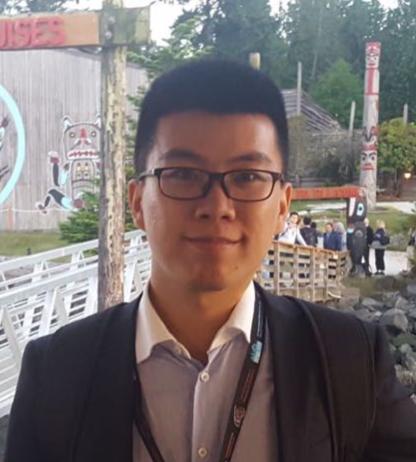
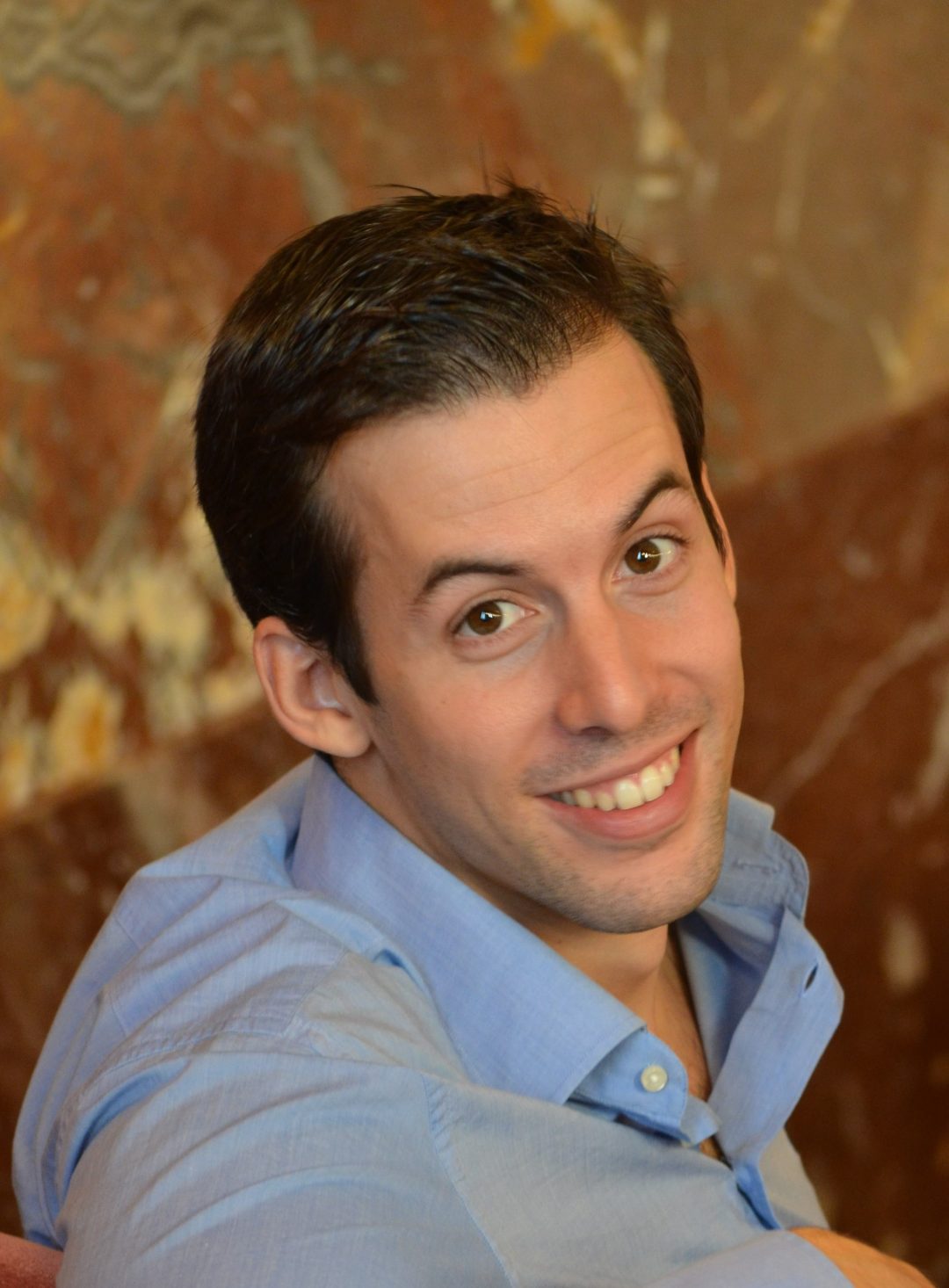
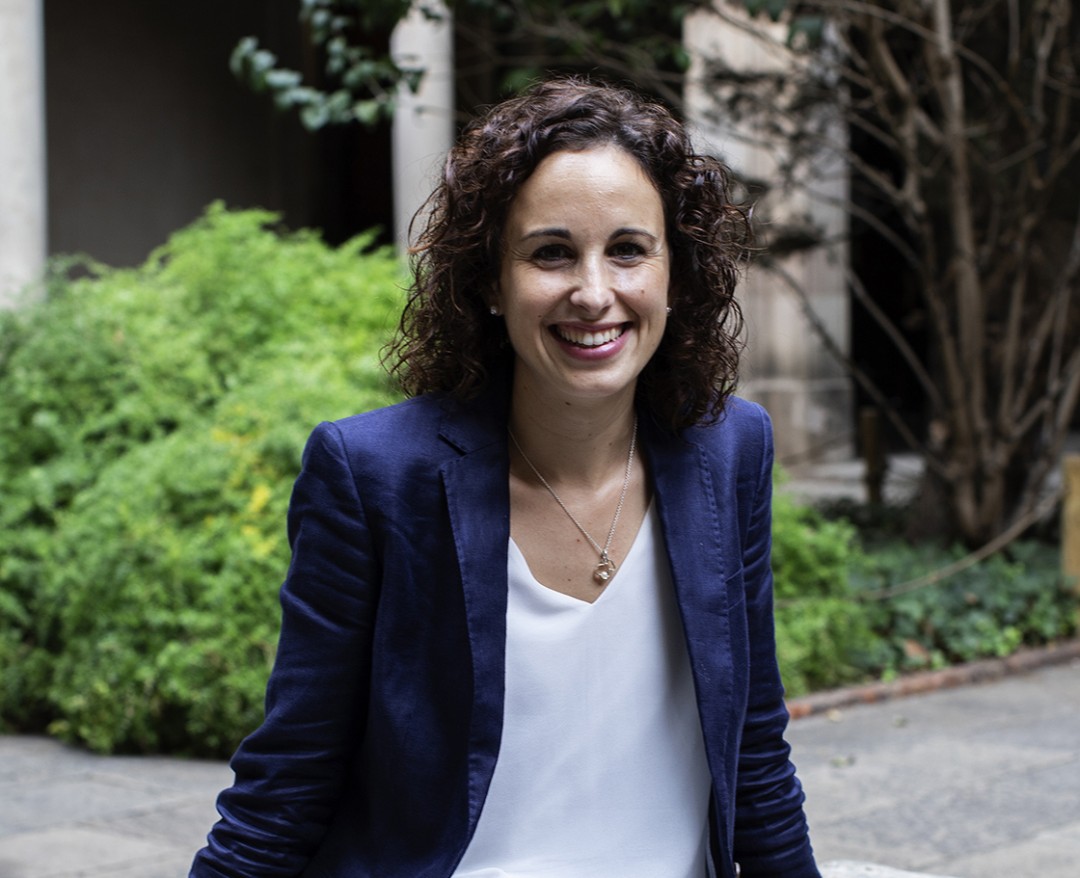
Full profile: DR. Jovana V. Milić is Associate Professor leading the Smart Energy Materials Group at the University of Turku in Finland since
September 2024 and the University of
Fribourg in Switzerland since January 2021. She obtained her Ph.D. in the Department of Chemistry and Applied Biosciences of ETH Zurich in 2017. She then worked as a scientist in the Laboratory of Photonics and
Interfaces at EPFL until taking on a GroupLeader position at the Adolphe Merkle Institute as the Swiss National Science
Foundation PRIMA Fellow in September 2020. Her research is centered around developing
stimuli-responsive (supra)molecular materials for smart and sustainable energy conversion.
This involves a multidisciplinary approach at the interface of chemistry, physics, material
science, and engineering. Her research activities have been recognized by numerous honors
and awards, including the CAS Future Leader 2019, Green Talents Award in 2020, Zeno Karl
Schindler Prize in 2021 for research contributions to sustainable development, and the ERC
Starting Grant in 2023. In addition to research and international collaborations, she has been
invested in science outreach, policy, and diplomacy as a member of the European Young
Chemists’ Network (EYCN) and the International Younger Chemists Network (IYCN) in 2019
2021, Global and Swiss Young Academies since 2022, and the International Science Council
(ISC) Fellow since 2023, invested in connecting and supporting young scientists globally.

Lei

Affiliation:  Uppsala University

Keywords: Geohazards, rock mechanics, nuclear waste disposal, underground energy storage, geothermal energy, geotechnical engineering

Webpage

Orcid identifier

Full profile: Short description: Qinghua Lei is a tenured Associate Professor in the Department of Earth Sciences at Uppsala University, Sweden. He obtained his bachelor’s degree (2009) in Civil Engineering and master’s degree (2012) in Geotechnical Engineering from Tongji University, China, and his PhD (2016) in Rock Mechanics from Imperial College London, UK. He once worked as a Postdoctoral Researcher in Fluid Mechanics at Imperial College London between 2016 and 2018, and as a Senior Researcher & Lecturer in Engineering Geology at ETH Zurich, Switzerland between 2018 and 2023. Dr Lei is the recipient of the 2024 Chin-Fu Tsang Coupled Processes Award and the 2019 Manuel Rocha Medal from the International Society for Rock Mechanics and Rock Engineering as well as the 2016 NGW Cook PhD Dissertation Award and 2015 Rock Mechanics Research Award from the American Rock Mechanics Association. His research interests include geohazards (landslides, rockbursts, earthquakes, glacier breakoffs, and volcanic eruptions), rock mechanics, multiphysics modelling, underground excavation, nuclear waste disposal, geothermal energy, and underground energy storage.

Borges

Affiliation:  University of Aveiro, Portugal

Keywords: Supramolecular biomaterials,Macromolecular and interfacial self-assembly, Nanobiotechnology, Peptides, Carbohydrates, Nucleic acids, Layer-by-Layer technology, Supramolecular hydrogels, Drug delivery, Tissue engineering, Regenerative medicine

Webpage

Orcid identifier

Full profile: Dr. João Borges is a Senior Researcher at the Department of Chemistry and CICECO – Aveiro Institute of Materials at the University of Aveiro, Portugal. He graduated and received his PhD in Chemistry from the University of Porto. His research focuses on the molecular design, synthesis and development of biofunctional supramolecular multicomponent biomaterials to interface with living systems. In particular, he and his team have been developing bioinspired, chemically programmable and dynamic supramolecular hydrogels and layer-by-layer-driven soft self-assembling nanobiomaterials by combining polysaccharides, self-assembling peptides, proteins and nucleic acids, to be used as bioinstructive matrices to control cell functions and as platforms for controlled drug/protein/therapeutics delivery.

João has been also lecturing on supramolecular biomaterials for tissue engineering and regenerative medicine strategies in Portugal and abroad at undergraduate and graduate levels, as well as on communication and presentation skills. He has been Principal Investigator of major R&D projects funded at European (e.g., SUPRALIFE) and national Levels (e.g., SUPRASORT), and team member in several other funded EU and national projects.

He is an Editorial Advisory Board Member of the Journal of Materials Chemistry B (Royal Society of Chemistry, RSC), Associate Editor for Frontiers in Medical Technology, and he has served as guest editor for several international peer-reviewed journals, including the Journal of Materials Chemistry B and Pure and Applied Chemistry.

He has been elected Member of the Biomaterials Chemistry Group at the RSC and he is the recipient of several honors and awards. He has been elected Chemistry Europe Fellow (Class of 2022/2023), Member of the RSC (MRSC), Journal of Materials Chemistry B Emerging Investigator (2023), and received the IUPAC Periodic Table of Younger Chemists Award (2019).

Beyond his academic activity and scientific impact, João has been devoted to connecting, mentoring, and empowering early-career scientists globally in advancing their professional development. In addition, he has been strongly committed to delivering a positive social impact by being invested in science communication, outreach, policy and diplomacy as a Member of the Global Young Academy (GYA), Young Academy of Portugal of the Lisbon Academy of Sciences, International Younger Chemists Network (IYCN), European Young Chemists’ Network (EYCN), and Young Chemists Group of the Portuguese Chemical Society (GQJSPQ). He is co-chair of the Global Conversation on Sustainability (GCS), a joint project by the IYCN and the International Union of Pure and Applied Chemistry (IUPAC) which aims to tackle the United Nations Sustainable Development Goals by raising awareness and implementing sustainable practices globally, and a National Representative of the IYCN Standing Committee at IUPAC. João is a member of several professional scientific organizations, including the RSC, the American Chemical Society (ACS), the European Society for Biomaterials (ESB), SPQ, and IUPAC.

Agapiou

Affiliation:  Cyprus University of Technology

Keywords: Remote sensing, earth observation, geoinformatics, cultural heritage, archaeological prospection, archaeological proxies

Webpage

Orcid identifier

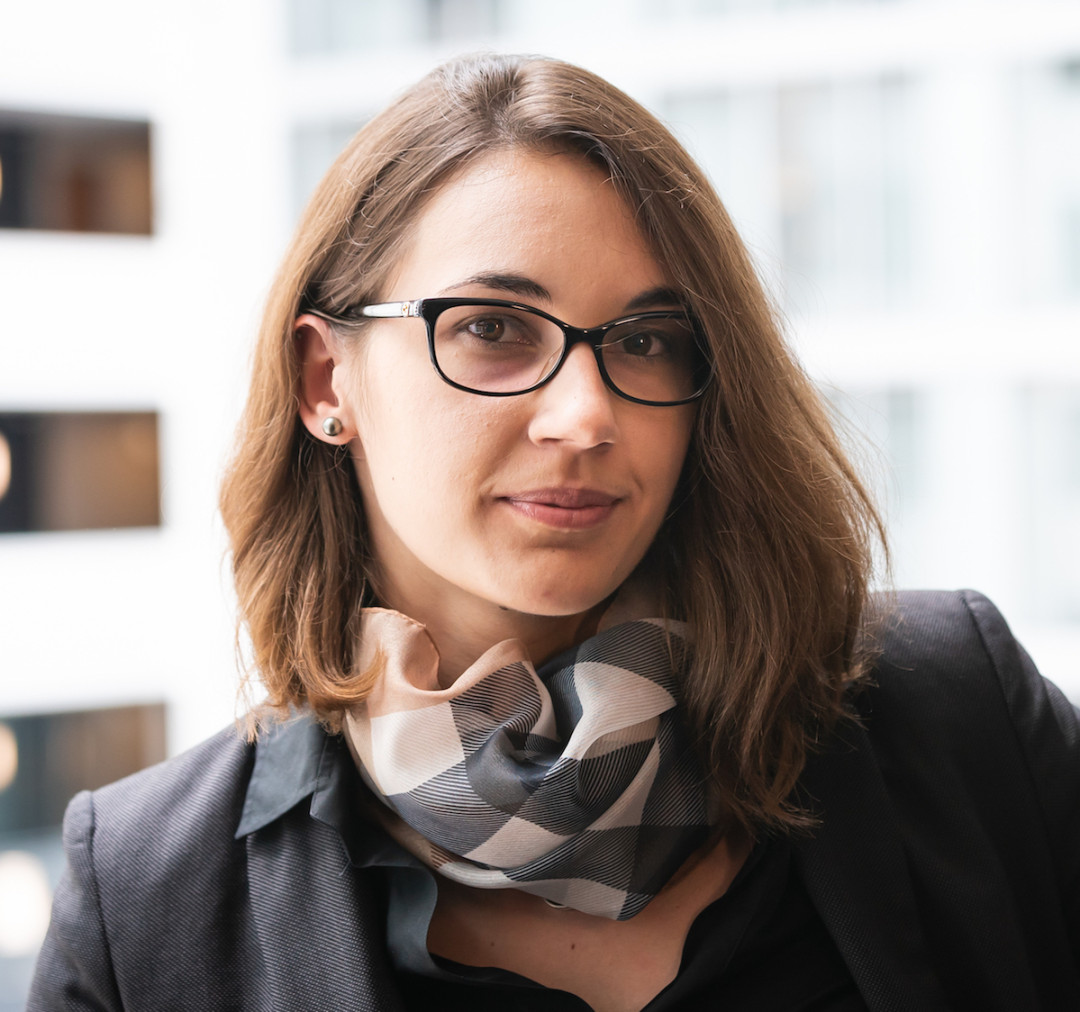
Full profile: Dr. Athos Agapiou is an Assistant Professor at the Department of Civil Engineering and Geoinformatics, Cyprus University of Technology, where he holds the “Geoinformatics and Earth Observation” chair. He also serves as the Deputy Director of the UNESCO Chair on Digital Cultural Heritage and coordinates the EOCult Laboratory, a cutting-edge research group specializing in the application of Earth Observation and Geoinformatics for archaeological research and the study of cultural heritage landscapes. Dr. Agapiou has played a leading role in numerous high-profile research initiatives at both European and national levels, including Horizon Europe and Horizon 2020 projects, as well as programs funded by the Research and Innovation Foundation (RIF) in Cyprus. His work focuses on developing and applying innovative remote sensing technologies for cultural heritage, addressing challenges posed by environmental and anthropogenic factors.

Dr. Agapiou’s academic and professional achievements have been widely recognized with numerous awards and honors. In 2023, he received the Young Scientist Award from the International Society for Digital Earth (ISDE), acknowledging his contributions to innovative research in the field of Geoinformatics. Earlier, in 2018, he was awarded the Young Researcher Award by the Cyprus Research Awards for his work in cultural heritage studies. His impact is further demonstrated by his inclusion among the top 2% of researchers worldwide in his field, as documented in Stanford University’s annual studies from 2020 to 2024. Additionally, bibliometric studies published in the esteemed journal Heritage Science in 2024 highlighted his influence as one of the top three global researchers in the application of Geoinformatics to cultural heritage, showcasing the extensive reach and importance of his scientific contributions. In corresponding independent research (2022) published in the same journal about the rapid developments taking place in the field and related to the fourth industrial revolution and its applications in cultural heritage studies, the name of Dr. Agapiou was included in the list of the first ten researchers worldwide whose research influences the scientific community.

Gahan

Affiliation:  University of Galway

Keywords: Evolution, EvoDevo, Chromatin, Gene regulation

Whttps://gahanlab.com/

Orcid identifier

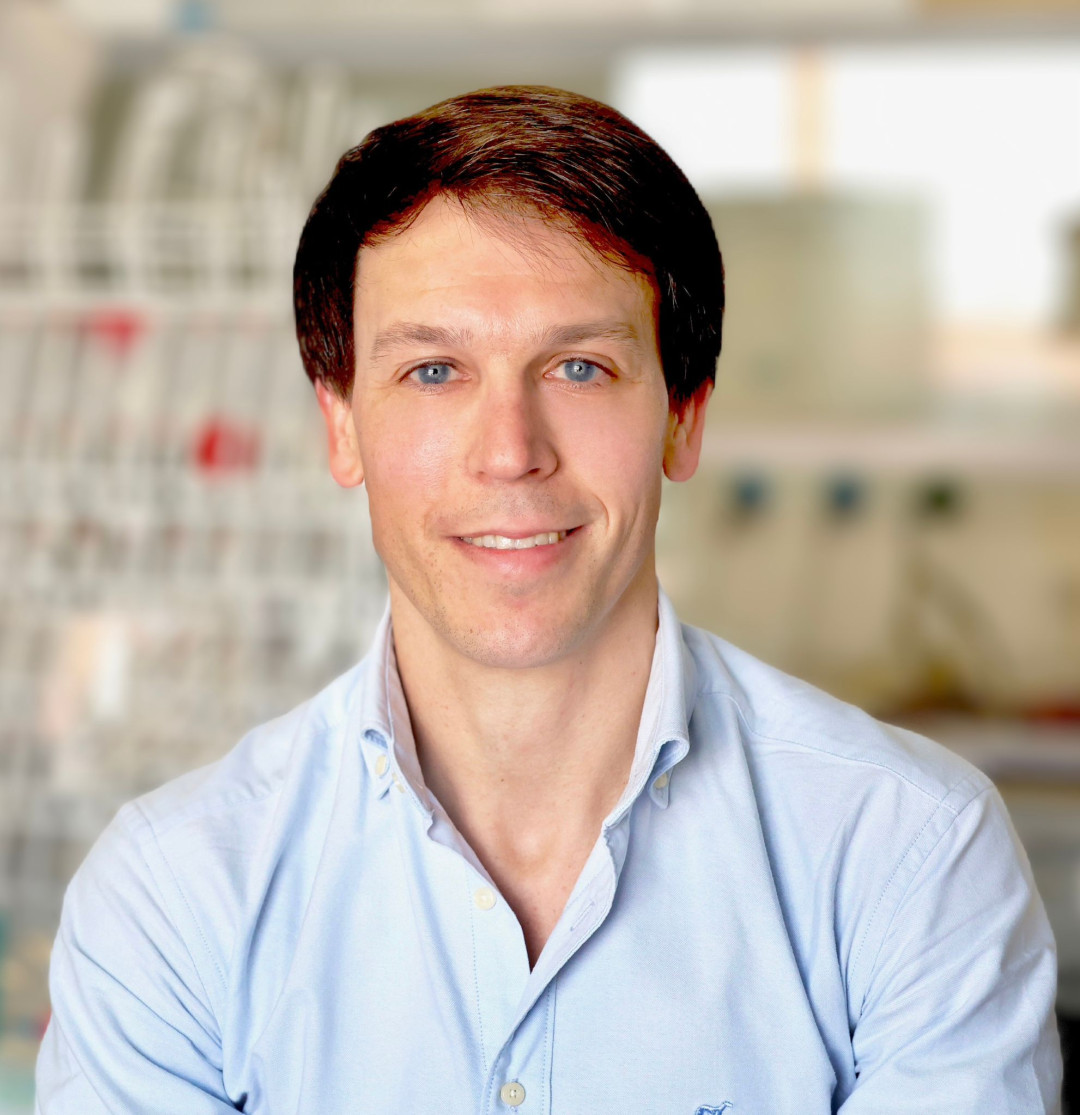
Group Leader Marios Chatzigeorgiou, Paula Miramón-Puértolas and James Gahan photographed at Media City in Bergen, Norway on March 31, 2023.

Full profile: James received his PhD in Biochemistry from University of Galway in Ireland in 2016. Following this, he spent 5 years as a Postdoc in the Michael Sars Centre at the University of Bergen in Norway where he worked on chromatin regulation in the nervous system of the cnidarian Nematostella vectensis. He then received a Sir Henry Wellcome Postdoctoral fellowship from the Welcome Trust to work on chromatin-based gene regulation in Choanoflagellates and was based at the University of Oxford, UK. In addition, he spent 1 year as a visiting scholar in UCSF. In 2023, James was awarded a prestigious ERC Starting Grant from the European Research Council and, since April 2024, is an Associate Professor at the Centre for Chromosome Biology in the School of Biological and Chemical Sciences at the University of Galway. 

James’s team work on understanding gene regulation in two evolutionary-interesting groups. Firstly, they work on cnidarians (jellyfish, sea anemones etc) where they dissect gene regulation during development and neurogenesis. Cnidarians are the sister group to bilaterian animals and therefore provide insights into early animal evolution. The group also works on choanoflagellates, the closest unicellular group to animals. They dissect the regulation of chromatin and gene expression in this clade to decipher how changes in these processes may have contributed to the emergence of animals.

Andics

Affiliation:  University of Budapest

Keywords: Voice and speech perception, language evolution, comparative cognitive neuroscience, dog, EEG, fMRI

Webpage

Orcid identifier

Full profile: After obtaining master’s degrees in cognitive neuroscience, psychology, mathematics and teaching, Andics pursued a PhD on voice neurocognition in the Max Planck Institute for Psycholinguistics, Nijmegen. He joined the ELTE Department of Ethology, Budapest in 2012 to play a central role in laying the foundations for dog brain imaging. His ERC-funded research group (Neuroethology of Communication Lab) takes a comparative perspective, combining ethological, psycholinguistic and cognitive neuroscientific methods to investigate the evolution of the neural mechanisms underlying voice and speech perception in dogs, pigs and humans.

Nawrotek

Affiliation:  Warsaw University of Technology

Keywords: Biomedical engineering, tissue engineering, regenerative medicine, (bio)polymers, drug delivery, 3D bioprinting, neuroscience, epigenetics

Webpage

Orcid identifier

Full profile: Katarzyna currently holds the position of assistant professor at the Centre for Advanced Materials and Technology (CEZAMAT) at the Warsaw University of Technology in Poland. She obtained her doctoral degree and habilitation in chemical engineering from the Lodz University of Technology in Poland in 2014 and 2022, respectively.

Katarzyna’s research is dedicated to exploring cutting-edge technologies and materials for nerve tissue engineering. Our research primarily involves the design and fabrication of devices for manufacturing personalized medicine materials and the development of complex structures that mimic the natural cell-supporting environment of tissues in need of replacement. Additionally, we focus on creating devices and in vitro models to assess materials for nerve tissue engineering, with the potential to contribute to advancements in diagnostics, disease modeling, and drug discovery. Furthermore, our research examines how materials equipped with DNA-modifying enzymes may promote nerve cell regeneration by influencing epigenetic processes.

Katarzyna has led interdisciplinary research projects funded by Polish organizations such as the National Science Centre, the National Centre for Research and Development, and the Foundation for Polish Science. She has undertaken fellowships at Aix-Marseille Université in France, McGowan Institute for Regenerative Medicine in the USA, University of Oslo in Norway, and University College London in the UK. Katarzyna has been recognized with national and international awards, including the MIT Technology Review’s Innovators Under 35 and the World Intellectual Property Organization award for the best female inventor, along with accolades from the Polish Chitin Society and the Minister of Science and Higher Education.

Throughout her career, Katarzyna has been actively involved in various non-profit activities aimed at supporting young scholars interested in STEM fields.

Rojo

Affiliation:  Spanish National Research Council

Keywords: Multiscale thermal engineering; solid-state thermal devices; nano- and micro-scale thermal sensing; energy harvesting; thermal management

Webpage

Orcid identifier

Full profile: Miguel Muñoz Rojo received his PhD (2015) in Condensed Matter Physics & Nanotechnology from the Spanish National Research Council (CSIC) and M.S./B.S. in Physics from the Autonomous University of Madrid. He obtained a JAE pre-doctoral Fellowship from CSIC to study during his PhD how the reduction of dimensionality affects the transport properties of organic and inorganic thermoelectric materials. During this period of time, he carried out scientific stays at the Rensselaer Polytechnic Institute (New York, USA), the University of Bordeaux (France) and the University of California Berkeley (USA). In 2012, he participated in the 62nd Lindau Nobel Laureate Meeting in Physics after qualifying in an international competition among young talent scientists. From 2016 to 2018, he became a postdoctoral researcher at Stanford University, studying two dimensional (2D) materials and devices based on them for thermal, electrical, and thermoelectric applications. From 2018 to 2021, he was a Tenure Track Assistant Professor at the University of Twente. He has been successful in obtaining funding for his research in USA and Europe, including the prestigious ERC Consolidator Grant 2023, in the field of thermal conversion and management processes with national and international academic and industrial partners. He is now a permanent researcher at the National Research Council of Spain (CSIC) working at the Institute of Materials Science in Madrid (ICMM). His research focuses on multiscale thermal engineering, thermal management, energy harvesting, nano- and micro-scale thermometry and thermal sensing.

Sánchez de la Torre

Affiliation:  University of Barcelona

Keywords: Prehistory, chert, human mobility, geochemistry, mountain environments

Webpage

Orcid identifier

Full profile: Marta Sánchez de la Torre is an associate professor at the Department of History and Archeology of the University of Barcelona and a researcher at the Seminari d’Estudis i Recerques Prehistòriques (SERP) and the Institute of Archeology of the University of Barcelona (IAUB). She holds a doctorate in Prehistory from this same university (2015) and has worked as a postdoctoral researcher at this same center (2020-2023) and previously at the University of Zaragoza (2018-2019) and the Université Bordeaux Montaigne, in France (2015-2017). She has also done research stays at the Université Toulouse Jean Jaurès, in France, the Université de Montréal, in Canada and the Università degli Studi di Trento, in Italy.

Her main line of research focuses on the study of the mobility of prehistoric societies through the geochemical analysis of lithic materials. As an archaeologist, since 2013 she is co-directing archaeological interventions in prehistoric sites in the NE peninsula.

She is the author of more than 45 scientific articles and in 2022 she received funding through a Starting Grant from the European Research Council (ERC) to investigate human mobility in the Pyrenean Mountains during the last glacial episode.

In 2023 became Full member of the Young Academy of Spain and in 2022 was also selected as member of the Platform Scientific and Innovative from the Unity of Women and Science of the Spanish Ministry of Science.

Papadopoulos

Affiliation:  International Hellenic University

Keywords: Language, Multilingualism, Literacy, Early Childhood Education

Webpage

Orcid identifier

Full profile: Isaak M. Papadopoulos is an Assistant Professor in the Department of Early Childhood Education and Care at the International Hellenic University. He holds a degree from the Department of Primary Education (University of Western Macedonia) and a Master’s degree in Educational Sciences with an emphasis on language teaching for students with learning disabilities from the University of Degli Studi Roma Tre in Italy. His doctoral dissertation was conducted at Aristotle University of Thessaloniki and focused on the rhetoric and persuasive communication of young Greek students, while his postdoctoral research (Department of Primary Education, University of Ioannina) concerned language teaching and communication among young students in linguistically and culturally diverse classrooms.

Regarding his academic teaching experience, he has taught at various universities both nationally (Hellenic Open University) and internationally (European University Cyprus), while he has served as the Head of the Department of Education and Associate Dean for the School of Doctoral Studies at UNICAF University in Cyprus. His research and teaching interests focus on language teaching for children, bilingualism/multilingualism, and the teaching of reading/writing skills in kindergarten and primary school. He has presented his research at international and national conferences. He has published four scientific books, edited eight academic volumes, and written chapters in books/collective volumes, as well as articles in international journals and conference proceedings.