Cantone

Affiliation: University of Naples Federico II (Italy)

Keywords: Epigenetic, system biology, sex differences, X chromosome inactivation, immunity

Webpage

Orcid identifier

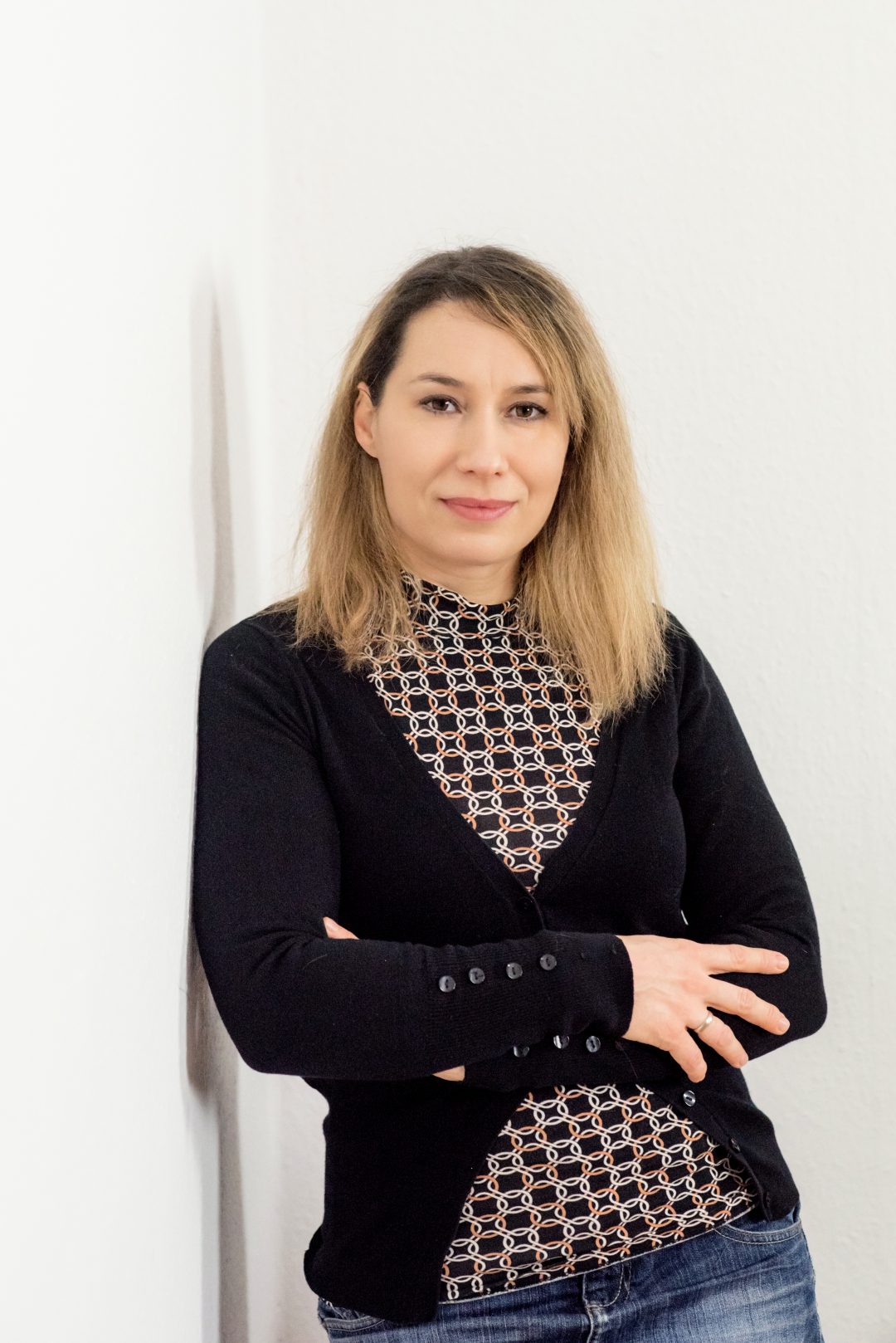
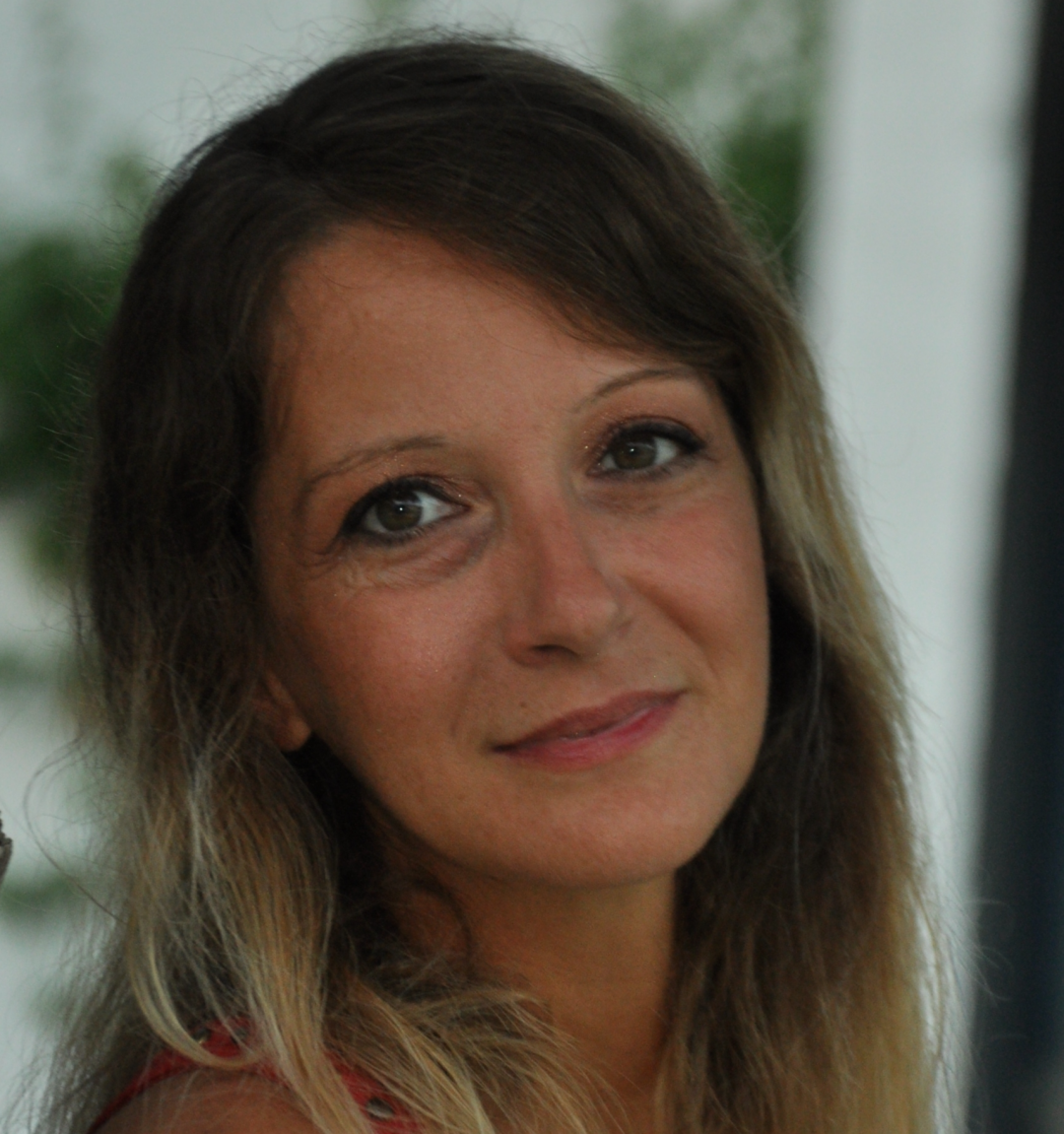
Full profile: Dr Cantone is an expert of transcription regulatory networks and epigenetics. She has done PhD studies in the field of system and synthetic biology establishing one of the first synthetic network in eukaryotes in order to benchmark computational tools aimed to reconstruct and predict the structure of gene regulatory networks (Cantone et al., Cell 2009). For her postdoc she was awarded Marie-Curie, EMBO and HFSP long-term fellowships to investigate epigenetic reprogramming. In particular, she has used X chromosome inactivation to disentangle the relationship between different steps of chromatin remodeling and gene reactivation. She discovered that reactivation of gene loci along the human inactive X chromosome (Xi) can occurr ahead/during mitosis upon the de-localization of XIST RNA and is conined to a specific set of loci (Cantone et al., Nature Comm 2016). In addition, she established a method for allele-specific RNA sequencing in clonal populations to investigate the extent of Xi gene reactivation and showed that that Xi gene loci have an intrinsic susceptibility to activation/reactivation partly depedend upon the specific chromatin context. Notably she suggested that stochastic transcriptional events can arise along the human Xi in somatic cells ahead of reprogramming and be stabilized throughout cell divisions in rare clonal population  (Cantone* et al., Genome Biol, 2017 – corresponding author). She had a career break due to maternity (3 months) and sickness from Oct 2016- Sept 2019. Since October 2019, she has established her independent group at the University of Naples Federico II thanks to a career development award of the Italian Foundation for Multiple Sclerosis (FISM). Dr Cantone has now established her independent group investigating the epigenetic mechanisms of sex differences in autoimmunity and the possible role of Xi gene escape/reactivation. Her lab makes use of single cell genomic and imaging approaches combined with computational tools to dissect both chromatin-mediated and system control (i.e. network structure) in epigenetic inheritance. Her team recently reported sex-differences in development of mice exposed to environmental contaminants containing heavy metals and suggested to determine transgenerational inheritance in human (Li et al., Adv Mater 2023).
Riris

Affiliation: Bournemouth University, UK

Keywords: palaeontology, archaeology, palaeoenvironmental modeling, historical ecology

Webpage

Orcid identifier

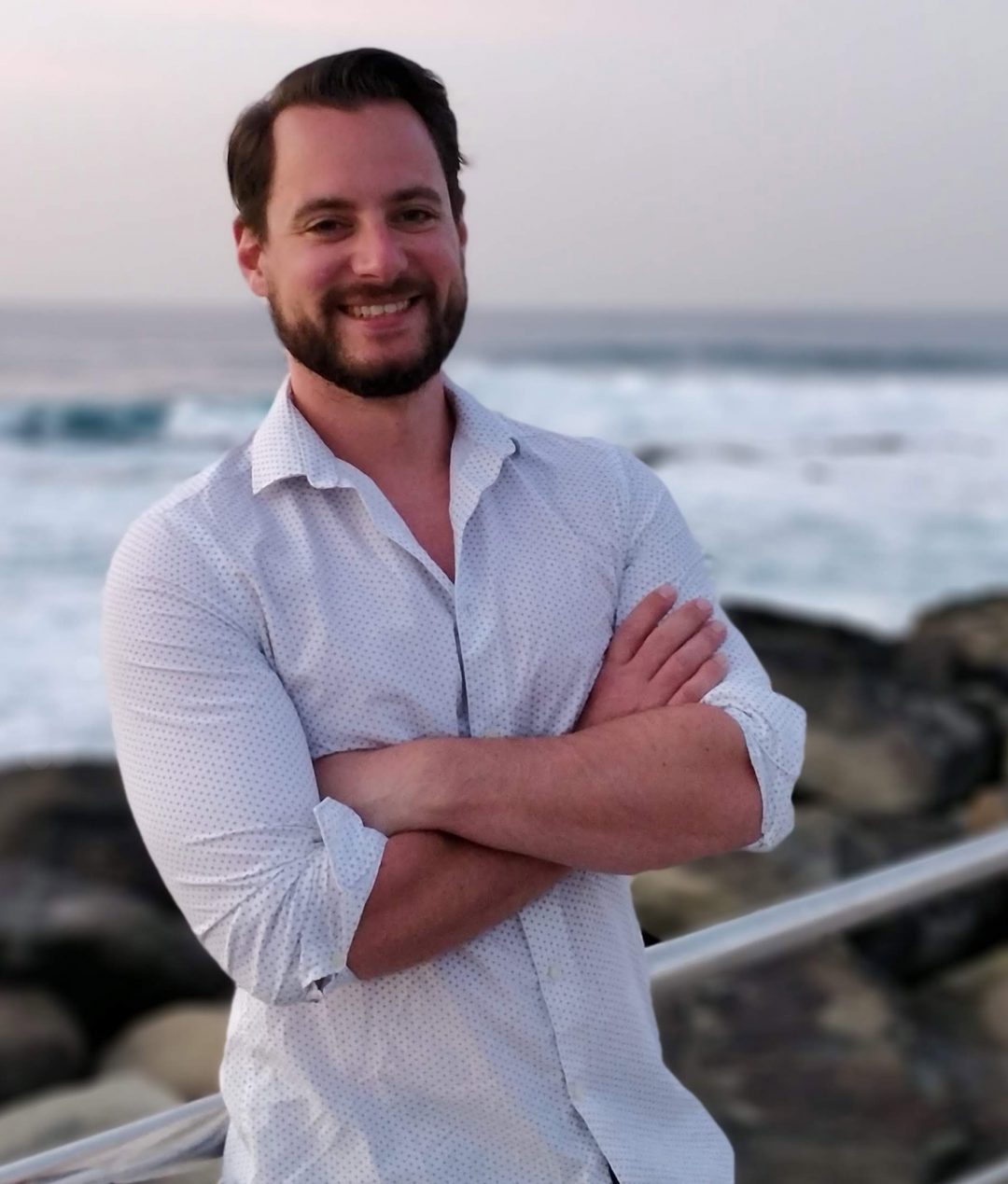
Full profile: Philip Riris is a Senior Lecturer in Archaeological & Palaeoenvironmental Modelling at the Institute for the Modelling of Socio-Environmental Transitions, following several postdoctoral fellowships at the UCL Institute of Archaeology.

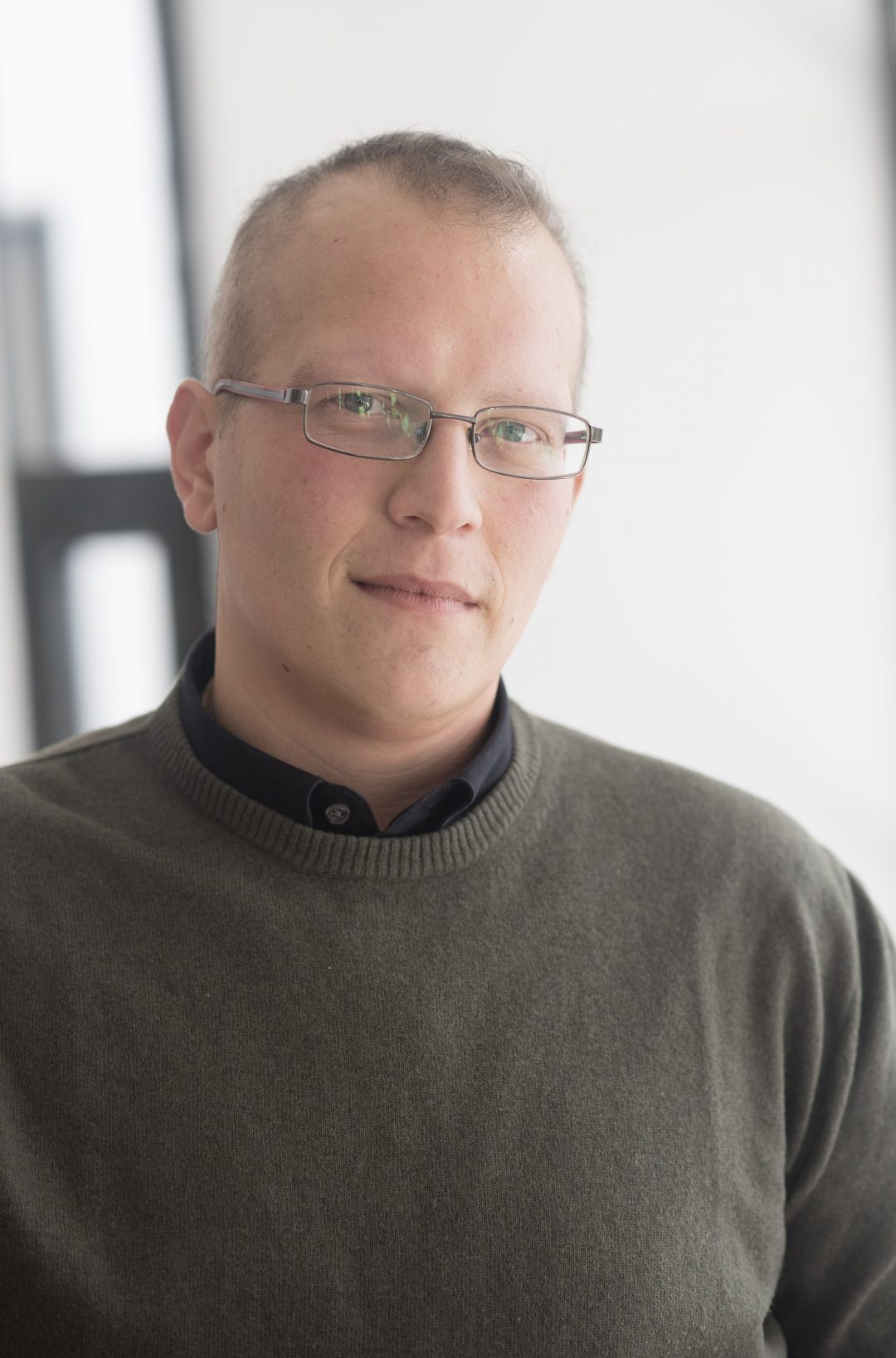
He earned his PhD in 2015 from the University of Southampton, focusing on long-term patterns of hunter-gatherer land use in northern Argentina. He specializes in the archaeology and historical ecology of tropical South America, with a focus on quantitative analyses and computational modelling. He has conducted fieldwork in Argentina, Brazil, Venezuela, Colombia, and Oman.

His two principal areas of research focus on: 1) coupled human-environmental systems, and 2) computational approaches to rock art and sacred landscapes. He maintains an especial interest in spatial analysis and agent-based modelling, drawing especially on physical geography, quantitative ecology, and complex adaptive systems to understand past human societies. Recently, he has focused on the interface between climate change, ancient demography, and population resilience.

Kun

Affiliation: Eötvös Loránd University, Hungary

Keywords: psychology, personality psychology, addiction, substance use, behavioral addiction, work addiction, clinical psychology

Webpage

Orcid identifier

Full profile: Bernadette Kun is a psychologist and habilitated associate professor at the Department of Clinical Psychology and Addiction at the Institute of Psychology of Eötvös Loránd University (ELTE). She studied at the Faculty of Education and Psychology at ELTE and obtained her doctoral degree from the ELTE Doctoral School of Psychology in 2012. From 2012, she has worked as an assistant professor and, since 2021, as a habilitated associate professor. She served as the head of the Department of Clinical Psychology and Addiction from 2021 to 2024. She is a founding member of the Addiction Research Group at ELTE. Her research interests include substance-related and behavioral addictions and their psychological mechanisms, with a specialization in the psychology of work addiction. She leads the Hungarian research team of the international project Global Research on Work Addiction.

Since 2022, she has been a member of the board of the Hungarian Association on Addictions. In 2015, she was elected “Promising Researcher” of ELTE. From 2017 to 2020, she was awarded the Bolyai János Research Fellowship of the Hungarian Academy of Sciences, and in 2019-2020, she received the Bolyai+ Fellowship of the National Research, Development and Innovation Office. In 2024, she was awarded the Bolyai János Research Fellowship for the second time. She has been a senior researcher in seven Hungarian Scientific Research Fund (OTKA) projects. In 2020, she was awarded the OTKA Young Researcher Excellence Programme grant as a Principal Investigator for her project entitled “Exploring the cognitive profile of different addictive behaviours (work addiction, problematic video game use, and
cannabis use disorder)”.

She has been a member of the Hungarian Young Academy since 2023 and a board member since 2024. She supervises several PhD students at the Doctoral School of Psychology, ELTE. She is the author of more than 80 scientific papers, book chapters, or volumes, and her total number of scientific publications exceeds 230. Her work has been cited in more than 2500 publications (Hirsch index: 24).

Gonen

Affiliation:  The Mina and Everard Goodman Faculty of Life Sciences and Institute of Nanotechnology and Advanced Materials, Bar-Ilan University, Ramat Gan, Israel

Keywords: Sex Determination, Testis, Organoids, Stem Cells, Gene Regulatory Networks, Enhancers, Transgenic Mice

Webpage

Orcid identifier

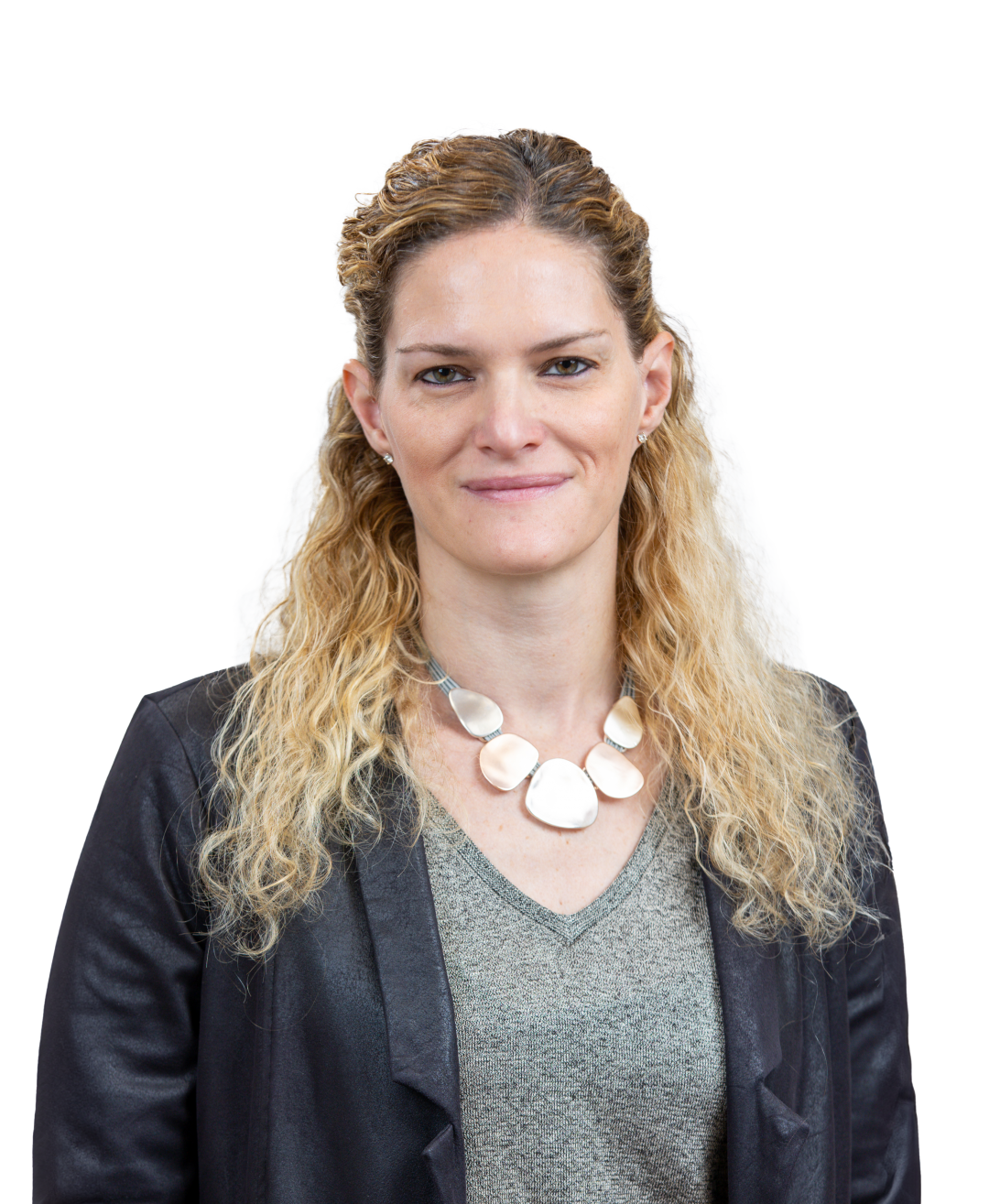
Full profile: Nitzan did her PhD at the Technion in Israel working on resistance of cancer cells to antifolate anticancer treatments. She then moved to the Francis Crick Institute in London, UK, for a post-doc with Prof. Robin Lovell-Badge where she worked on sex determination. in 2019, Nitzan established her lab at the Life Sciences Faculty at Bar-Ilan University in Israel. Her work focuses on gonad development and sex determination in mammals, and they study the contribution of the non-coding genome to the process of sex determination. They also employ stem cells in order to generate stem-cell derived artificial testis. The lab has recently developed testis organoids from mice with high resemblance to the in vivo testis. The lab uses cutting-edge techniques including CRISPR-Cas9 genome editing, transgenic mice production, genetics, high-throughput approaches, computational biology, molecular biology, microscopy as well as employing stem cells work and differentiation protocols.

The work carried in the lab is supported by the ERC Starting Grant, the Israel Science Foundation (ISF) grants and the ISF/SNSF grant. Nitzan was awarded with the prestige Krill Award by the Wolf Foundation for excellence in scientific research in 2023.

In addition to her lab, Nitzan is also the head of the Bar-Ilan University Transgenic Facility where they perform Assisted Reproductive Techniques in mice along with genome editing.

Nitzan is a Board member if the Israeli Stem Cell Society and an active advocator for promoting women-in-science and young PIs.

Nitzan has given many invited talks and actively serves on the panels of committees and grant agencies. Among the talks she has given recently are the European Human Genetic Conference, the Gordon Research Conference on Mammalian Reproduction, the Israeli Endocrinology meeting, the Center of Reproductive Medicine and Andrology (CeRA), the European Testis Workshop, The European Symposium on Sex Determination in vertebrates (ESSDV) and others.

Palikaras

Affiliation: University of Athens

Keywords: ageing, age-related diseases, autophagy, cell biology, cellular physiology,
DNA damage response, energy metabolism, healthspan, homeostasis, in vivo
imaging, model organisms, mitochondria, mitophagy, neuron,
neurodegeneration, stress, nematodes, longevity, lysosomes, oxidative
stress, organismal physiology, peroxisomes

Webpage

Orcid identifier

Full profile: Konstantinos Palikaras is Assistant Professor of Experimental Physiology
at the Medical School of the National and Kapodistrian University of Athens, in Athens, Greece. He is a molecular biologist who has great experience in energy metabolism, autophagy and ageing. His research
focuses on studies of autophagy, mitophagy and cellular homeostasis investigating the role of energy metabolism in neuronal physiology and
survival. His main interests are the molecular mechanisms of necrotic and mitophagic cell death and their interplay between cellular metabolism and ageing, and the development of novel genetic tools for biomedical
research.

For his scientific accomplishments, Konstantinos Palikaras has
received several notable scientific prizes including ERC Starting Grant (2022). He is also the recipient of the “Fotis Kafatos” Award for excellence in biology from Hellenic Society of Bioscientists, a Research Grant from Fondation Santé, the Hellenic Foundation for Research and Innovation (HFRI) grant for youg investigators, the AXA Research Fund Post-doctoral fellowship, the Bodossaki Foundation Post-doctoral fellowship, the DeLill Nasser Award for Professional Development in Genetics form Genetic Society of America and the Manasaki Doctoral Fellowship from the University of Crete. He is also a member of Genetics Society of America (GSA), the Hellenic Society of Biochemistry and Molecular Biology (HSBMB), the Hellenic Society for Neuroscience (HSfN) and the Hellenic Initiative Against Alzheimer’s Disease (HIAAD).

Valtolina

Affiliation:  Fritz-Haber-Institut der Max-Planck-Gesellschaft

Keywords: Ultracold atoms and molecules, quantum degenerate gases, quantum simulation

Webpage

Orcid identifier

Full profile: 

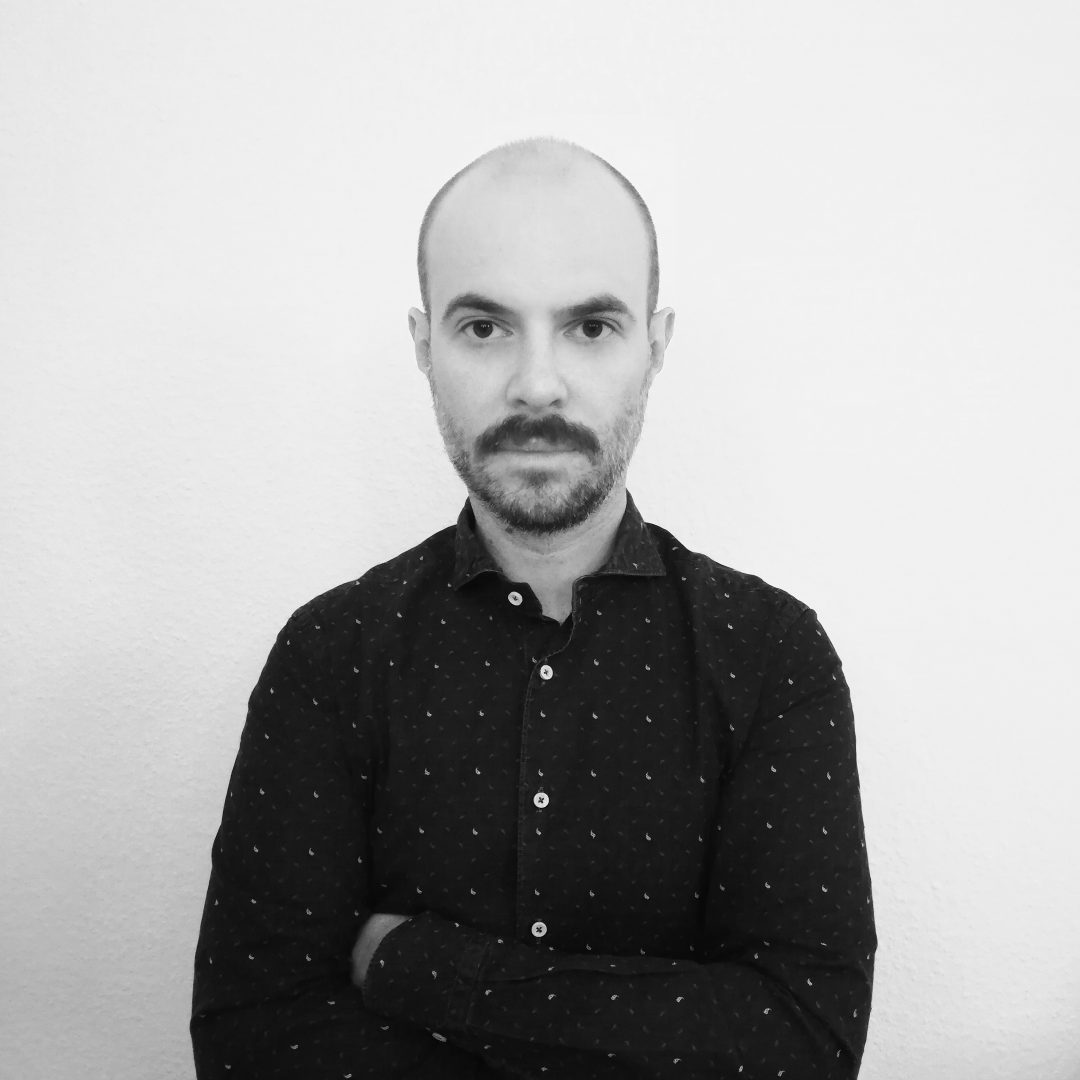
Giacomo is currently a group leader at the Fritz Haber Institute in Berlin, Germany. His work focuses on new methods to control polar molecules at ultracold temperature. The research activity of Giacomo’s group is strongly interdisciplinary, sitting at the interface of quantum many-body physics, ultracold chemistry, and quantum optics. Since 2024, his research is supported by an ERC Starting Grant and an Alexander von Humboldt Fellowship.


Prior to Berlin, Giacomo was a postdoctoral research associate at JILA, in the lab of Dr. J. Ye. During his time he participated in the realization of the first ever quantum degenerate gas of polar molecules by direct evaporation. He obtained his PhD from Scuola Normale Superiore di Pisa, with a thesis on ultracold Fermi gases in the group of Prof. M. Inguscio and Dr. G. Roati.

Georgiou

Affiliation:  University of Nicosia

Keywords: Experimental phonetics, speech acquisition, language acquisition, cognitive processing, communication disorders, machine learning.

Webpage

Orcid identifier

Full profile: Dr Georgios (George) Georgiou is an Assistant Professor of Linguistics at the University of Nicosia. He is the founder and Director of the Phonetic Lab. He has been awarded the prestigious Cyprus Research Award – Young Researcher 2023 in the thematic area of Social Sciences and Humanities by the Cyprus Research and Innovation Foundation, in recognition of his outstanding research and academic profile. He obtained a BA in Greek Philology (2007-2011), an MA in Education (2011-2013) with distinction, and a PhD in Linguistics (2014-2018) with distinction from the University of Cyprus. During his studies, he received MA and PhD scholarships from the Cyprus State Scholarship Foundation. He has also worked as a postdoctoral researcher at RUDN University (2018-2020) and the Cyprus University of Technology (2021).

His research interests include speech and language acquisition, cognitive processing, communication disorders, and machine learning. Between 2018 and 2024, he published more than 40 refereed articles in high-impact journals such as Ampersand, Attention, Perception and Psychophysics, Acoustics, Applied Acoustics, Behavioral Sciences, Canadian Journal of Linguistics, Clinical Linguistics and Phonetics, Cognitive Processing, Epidemiology and Health, International Journal of Bilingualism, Journal of Autism and Developmental Disorders, Journal of Multilingual and Multicultural Development, Journal of Public Health, Journal of Second Language Pronunciation, Language Learning and Development, Journal of Psycholinguistic Research, Languages, Language Sciences, Quarterly Journal of Experimental Psychology, Scientific Reports (Nature), Speech Communication, Speech, Language and Hearing, and others. He has also published several monographs, edited volumes, book chapters, and articles in conference proceedings.

He has presented papers at over 70 conferences worldwide. He has won several research grants as a PI, notably securing postdoctoral research fellowship grants at the Cyprus University of Technology (with a score of 91/100, ranking 5th out of 38) for the project “Linguistic processing in Cypriot Greek children with developmental language disorder” (2021) and RUDN University (provided by the Russian Government) for the project “Perception of nonnative segments by Russian speakers” (2018-2020). Additional accolades include a research grant from the Cyprus Research and Innovation Foundation for the project “Diagnosis of communication and neurological disorders based on speech elements” (60.000 euros) (2024-2026), the Seal of Excellence for a project submitted to the Marie Skłodowska-Curie Action (2021), etc.

Picek

Affiliation:  Radboud University, Nijmegen

Keywords: Security, artificial intelligence, security of AI, cryptography, hardware security

Webpage

Full profile: Stjepan Picek is an associate professor at Radboud University, The Netherlands. His research interests are security/cryptography, machine learning, and evolutionary computation. Prior to the associate professor position, dr. Picek was an assistant professor at TU Delft, and a postdoctoral researcher at MIT, USA and KU Leuven, Belgium. Dr. Picek finished his PhD in 2015 with a topic on cryptology and evolutionary computation techniques. He also has several years of experience working in industry and government. Up to now, dr. Picek has given more than 50 invited talks and published more than 180 refereed papers.

He is a program committee member and reviewer for a number of conferences and journals, and a member of several professional societies. His work has been featured in the mainstream media and popular technology blogs. He received the Vera Johanides Award for young scientists in 2018, the Rikard Podhorsky Award for outstanding scientific contributions in 2023 (both awards by the Croatian Academy of Engineering), and the IEEE Croatia section award for outstanding engineering contributions in 2023. Dr. Picek received several best paper awards, most recently the NDSS 2023 Distinguished Paper Award. Dr. Picek is a senior member of IEEE and associate editor for the IEEE Transactions on Information Forensics and Security, Journal of Cryptographic Engineering, International Journal of Information Security, and IEEE Transactions on Emerging Topics in Computing. He is a member of ELLIS and a Fellow of the Young Academy of Europe.

Levato

Affiliation:  Utrecht University

Keywords: Biofabrication, 3D printing, bioprinting, regenerative medicine, tissue engineering, biomaterials, hydrogels, stem cells, synthetic biology, photonics, additive manufacturing, volumetric printing, organ-on-chips

Webpage

Orcid identifier

Full profile: Riccardo Levato is Associate Professor of Translational Bioengineering and Biomaterials at the Department of Clinical Sciences (Faculty of Veterinary Medicine, Utrecht University), and at the Department of Orthopaedics of the University Medical Center Utrecht, in the Netherlands.

He is also Principal Investigator at the Regenerative Medicine Center Utrecht, were he coordinates a multidisciplinary team of engineers, materials scientists, chemist, physicists, and biologists (https://www.levatolab.eu/team), focusing on the development of novel 3D bioprinting technologies, biomaterials and cell engineering techniques to build in the lab tissues for regenerative medicine, and as advanced in vitro models for drug discovery, disease modelling, biomedical research, and as replacement of animal experimentation.

He pioneered the development of several light-responsive hydrogels and volumetric bioprinting techniques able to print cell-laden constructs of multi-centimeter size in few seconds. Since 2020 he was awarded a Starting grant from the European Research Council on the development of a novel volumetric bioprinting technology for organoid research and to engineer functional bone marrow analogues in vitro, and in 2023 he received a VIDI grant from the Dutch Research Council, for the development of smart bioprinting techniques and dynamic, stimuli-responsive materials that mimic native tissue development. Since 2021, he is coordinator of a European consortium (ENLIGHT, Future and Emerging Technologies scheme, European Innovation Council pilot), aiming at developing biofabricated pancreas to study treatments for diabetes.

Prior to moving to Utrecht, he worked in several research groups across Europe: 3Bs, University of Minho (Portugal); BioMatLab, Technical University of Milan (Italy), Institute for Bioengineering of Catalonia (IBEC, Spain), and he holds a cum laude PhD in Biomedical Engineering from IBEC and from the Technical University of Catalonia. For his reasearch, he was conferred several awards including the 2016 Wake Forest Institute for Regenerative Medicine Young Investigator Award, the 2021 Jean Leray award from the European Society for Biomaterials, the 2022 Robert Brown award from the Tissue Engineering and Regenerative Medicine International Society, and the 2023 Mid-career Investigator Award from the International Society for Biofabrication (ISBF). Riccardo is also serving on the Board of Directors of ISBF, and as Editorial Board Member of the journals Biofabrication and Materials Today Bio.

Sardo

Affiliation:  University of Genova

Keywords: Legal Theory – Law and Economics – Comparative Law – Urban Inequalities – Urban Studies

Webpage

Orcid identifier

Full profile: Alessio Sardo (B.A., M.A. in Law Trieste; PhD in Law, Genoa, 2015) is currently a Full Professor at the University of Genova (Italy), Law Department. He is an ERC Starting Grant winner, with the project HABITAT. Previously, he was Alexander von Humboldt Fellow at the University of Heidelberg (Germany), Department of Public Law, Constitutional Theory and Philosophy of Law and Research Visiting Associate at the London School of Economics. In 2014-2019, he served as a Researcher and Lecturer at Bocconi University (Milano).

His research works at the intersection on legal theory, comparative law, and economic analysis of law. Alessio Sardo’s published works have appeared on The Modern Law Review, The American Journal of Jurisprudence, The Canadian Journal of Law and Jurisprudence, The German Law Review, Archiv für Rechts und Sozialphilosophie, Rechtstheorie, The European Journal of Migration and Law, Jurisprudence, The Kanazawa Law Journal, the European Convention of Human Rights Law Review, and Ratio Juris.

Dr. Sardo is also a course convenor and tutor on the Master in Global Rule of Law and Constitutional Democracy, LLM co-run by the Universities of Genoa and Girona, where he teaches social media Law. Alessio Sardo has recently been awarded a Nawa Ulam Grant from the Polish National Agency and a Research Distinction (Honorary Professorship) from the University of Ica (Perù).