Saliba

Affiliation:  University of Stuttgart

Keywords: Optoelectronics, semiconductors, materials research, plasmonics, perovskites, photovoltaics, solar cells, sustainability

Webpage

ORCID: 0000-0002-6818-9781

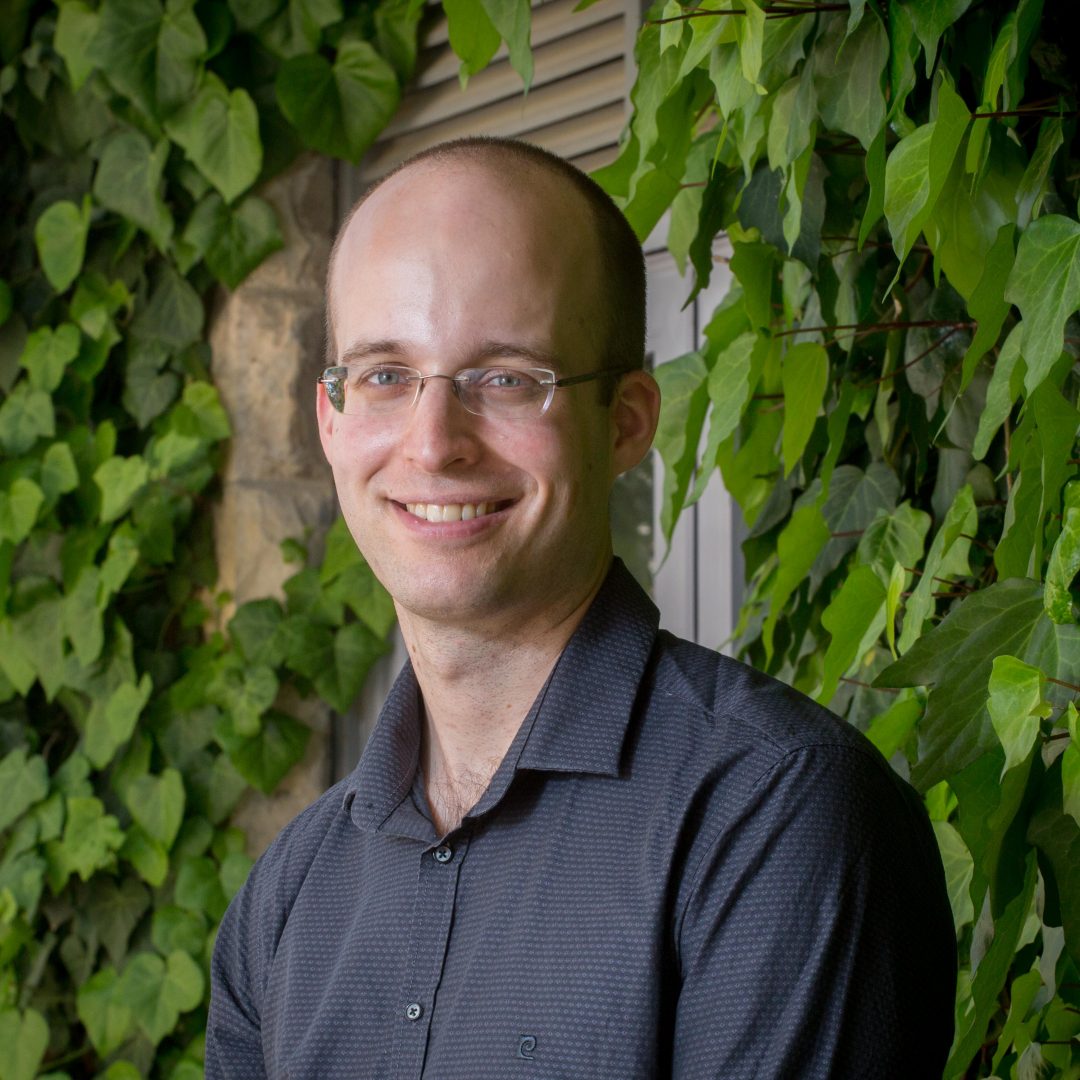
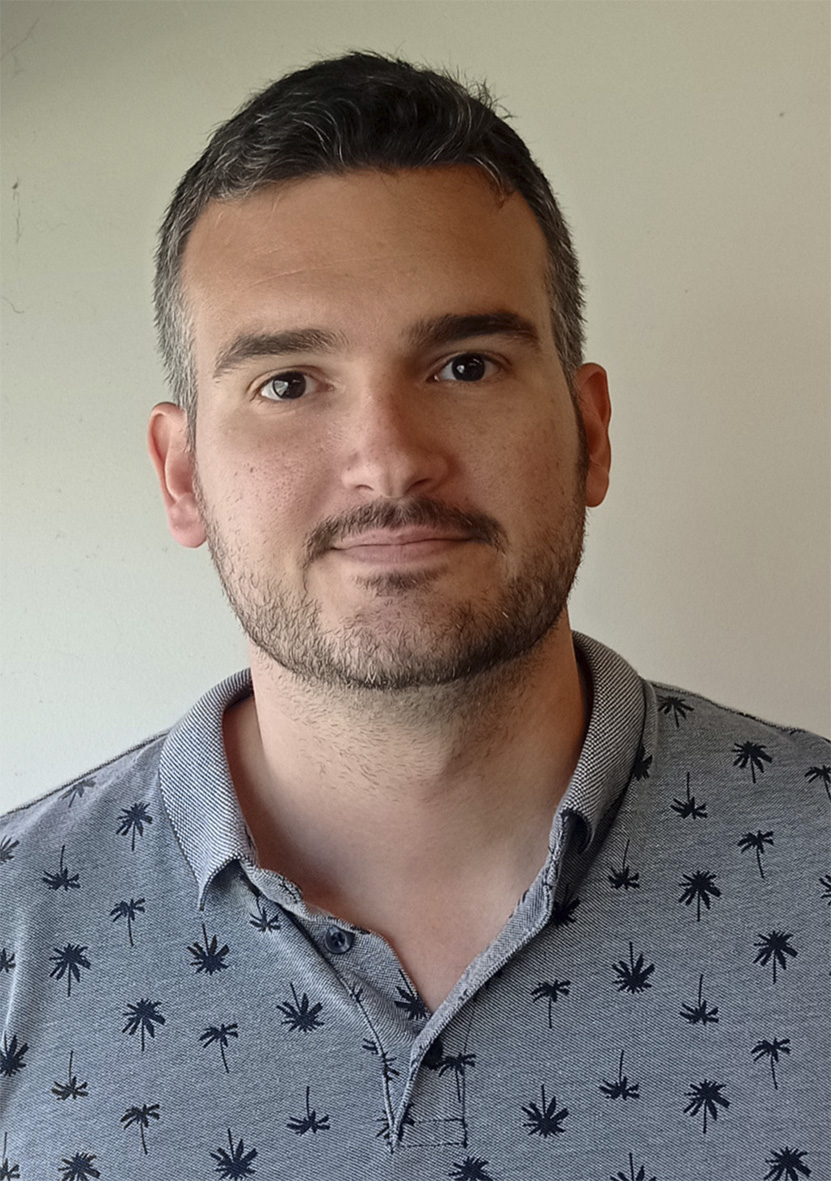
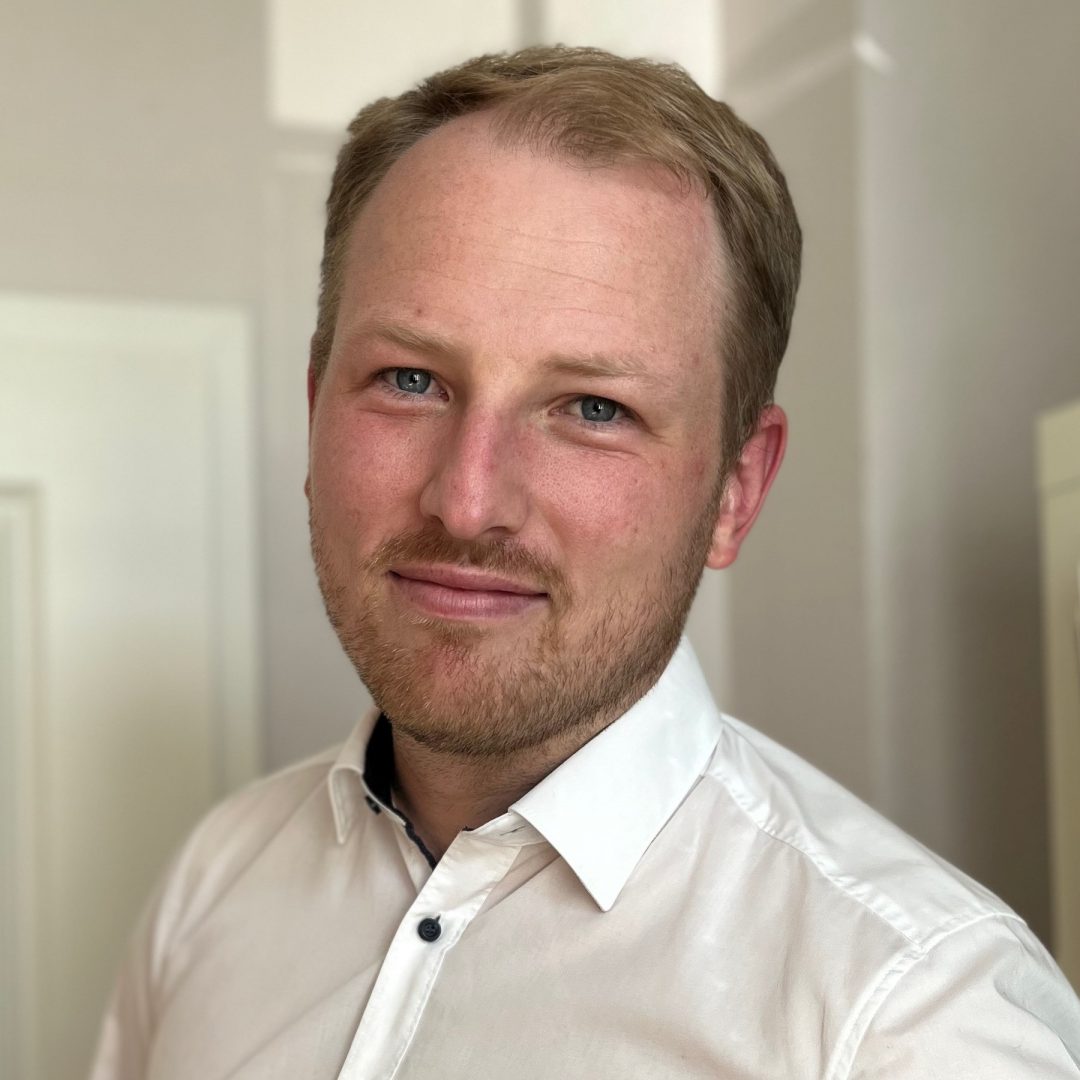
Full profile: Prof. Michael Saliba is a full professor and the director of the Institute for Photovoltaics (ipv) at the University of Stuttgart. He holds a dual appointment at the Helmholtz Research Center Jülich, Germany. His research focuses on a deeper understanding and improvement of optoelectronic properties of photovoltaic materials with an emphasis on emerging perovskites for a sustainable energy future. One example for his groundbreaking research is the development and pioneering of a general strategy for the combinatorial synthesis and exploration of novel perovskite compositions. Michael is the Speaker of the Graduate School for “Quantum Engineering”. He was awarded a Starting Grant by the European Research Council.

Previously, Michael was an Assistant Professor at TU Darmstadt, a Group Leader at Fribourg University and a Marie Curie Fellow at EPFL with research stays at Cornell and Stanford. He obtained his PhD at Oxford University and MSc degrees in Physics and Mathematics at Stuttgart University together with the Max Planck Institute for Solid State Research.

Michael has published 200 works attracting 50’000 citations and filed 5 patents in the fields of plasmonics, lasers, LEDs and perovskite optoelectronics. He was on the Early Career Board of Nano Letters, is on the Editorial Advisory Board of ACS Energy Letters and a Senior Editorial Board Member of Materials Today. Clarivate lists him as Highly Cited Researcher for six times in a row since 2018. He was awarded the Heinz-Maier-Leibnitz prize by the German Research Foundation (DFG), the Early Career Prize in Semiconductors by IUPAP, and named as one of the World’s 35 Innovators Under 35 by the MIT Technology Review; he is also a Fellow of the Internation Science Council. In addition, Michael received the Kavli Foundation Early Career Lectureship in Materials Science from the Materials Research Society, the Curious Minds Award from Merck, the EU-40 Materials Award from the European Materials Research Society, and the High Impact Award from the Helmholtz Association.
Chrysanthou

Affiliation:  University of Cyprus

Keywords: Ancient Greek Literature, Narratology, Literary Theory, Cognitive Studies, Group Minds

Webpage: https://www.ucy.ac.cy/groupminds/people/

ORCiD: 0000-0002-9843-1153

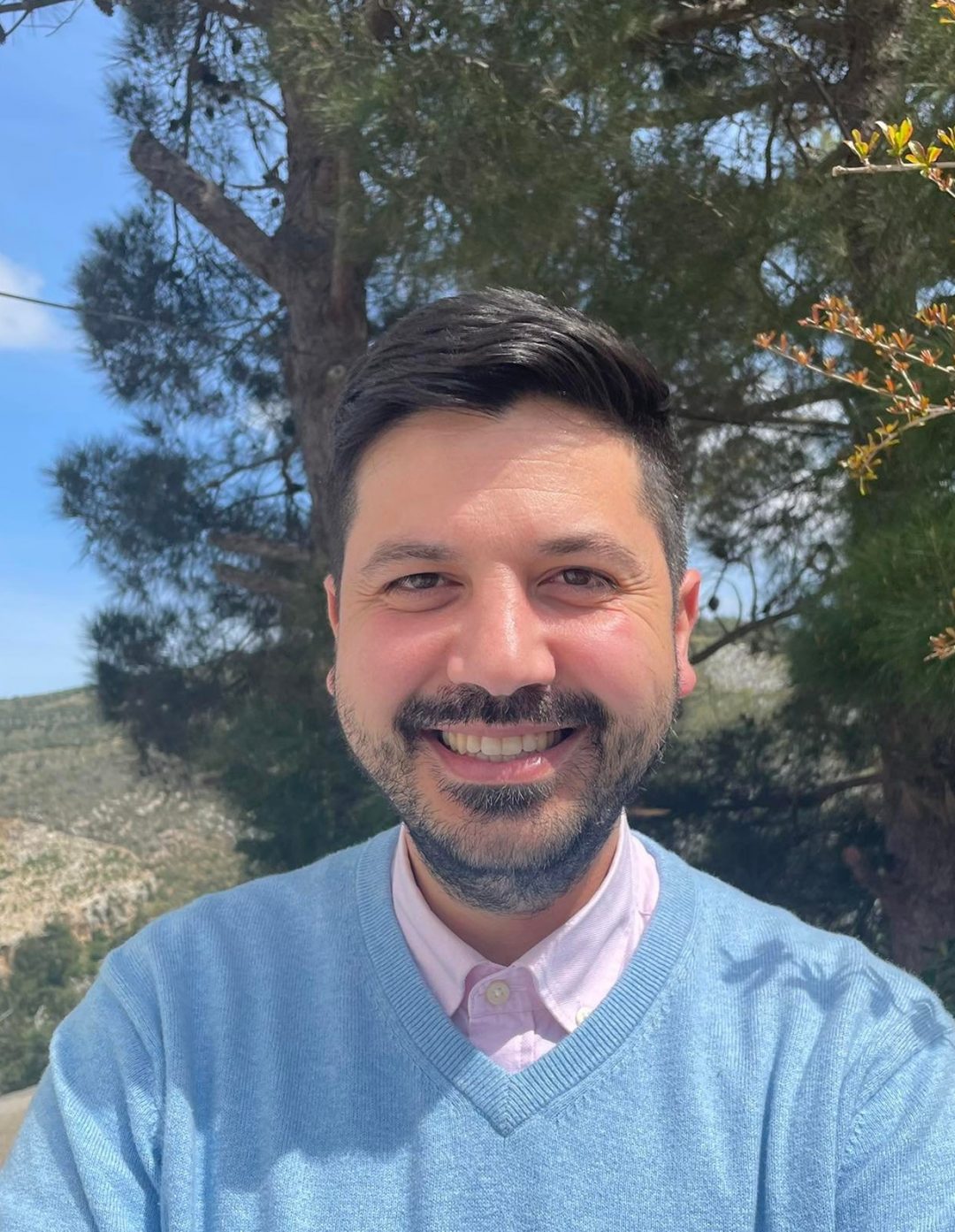
Full profile: Chrysanthos S. Chrysanthou is Assistant Professor of Ancient Greek at the University of Cyprus. He studied Classics at the University of Athens (2007-2011; Class Valedictorian with final average mark 9.67/10). He completed his postgraduate studies at the University of Oxford with Distinction (2012) and his Doctorate of Philosophy with no corrections at the same University (2016). During his studies he received scholarships and grants from the Onassis Foundation, the A.G. Leventis Foundation, the State Scholarships Foundation of Greece, the State Scholarship Foundations of Cyprus, and the DAAD.

He is the author of three monographs and numerous articles and chapters on ancient Greek historiography and biography, narratology, and cognitive classics. He was the principal investigator of a research project on “Social Minds in the Ancient Greek Novel and Imperial Greek Historiography” funded by the Deutsche Forschungsgemeinschaft (DFG) at the University of Heidelberg (2019–2022). He is also the founder and PI of the international research network “Fictional and Factual Narratives in Antiquity” funded by the Excellence Strategy of the University of Heidelberg (2019–). In 2023 he was awarded research funding of 1,49 million euros from the European Research Council (Starting Grants) for his project “Group Minds in Ancient Narrative”.

Katz

Affiliation:  Hebrew University of Jerusalem

Keywords: Verification; deep neural networks; software engineering; scenario-based programming

Webpage

Orcid identifier

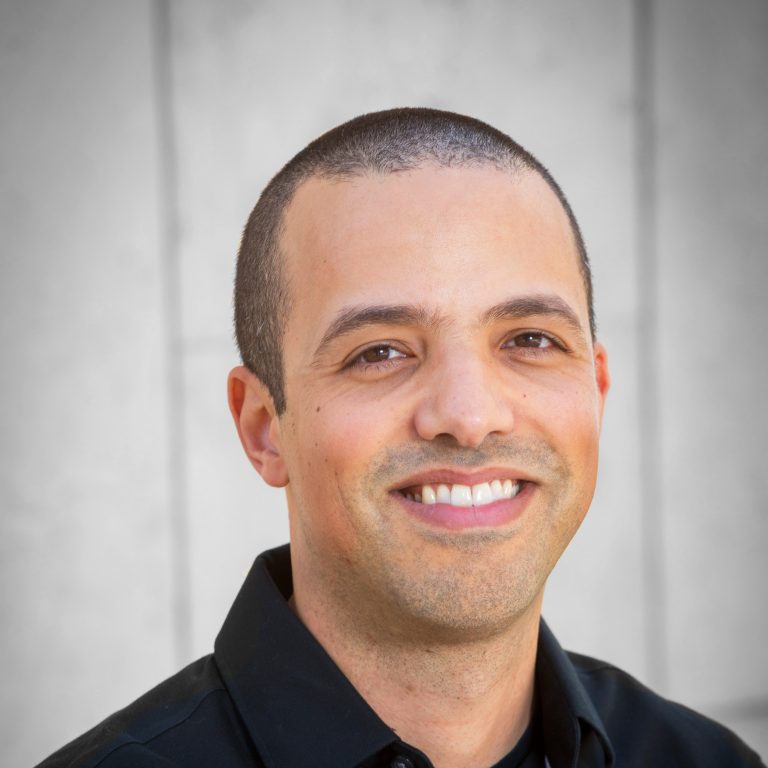
Full profile: Prof. Guy Katz is a faculty member at the School of Computer Science and Engineering, at the Hebrew University of Jerusalem, Israel. He completed his B.Sc. in 2007, at the Open University of Israel, and went on to obtain his MSc (in 2012) and PhD (in 2015) degrees at the Weizmann Institute, where he was advised by Prof. David Harel. He then took up a postdoctoral position (2016-2017) at Stanford university, hosted by Prof. Clark Barrett, and returned to Israel to join the Hebrew University in 2018.
Prof. Katz’s research is focused on developing techniques for verifying the correctness of complex computer systems – specifically, systems that involve the use of machine learning components, such as deep neural networks. With the rise in prominence of deep learning, such systems are likely to dominate many aspects of our everyday lives in the coming years, and so ensuring their correctness and reliability is of utmost important. In order to tackle this challenge Prof. Katz employs techniques from the field of formal methods (such as SAT and SMT solving, abstraction techniques, and others), and also studies their integration and synergies with advanced techniques for software engineering, such as scenario-based programming.

The work of Prof. Katz has been generously supported by the European Research Council (a Starting Grant, award in 2023), by the Israel Science Foundation (ISF), the binational science foundation (BSF), the Israeli Innovation Authority, as well as by multiple industrial partners – such as Airbus, Elbit, and the Semiconductor Research Corporation (SRC). Guy is married to Itamar, and has two sons, Alon and Eyal.

Viotti

Affiliation:  Lund University

Keywords: Ultrafast optics, laser physics, nonlinear optics, attosecond science, XUV light, pump-probe schemes, Free Electron Lasers, photoemission electron microscopy.

Webpage

Orcid identifier

Full profile: Anne-Lise graduated with a double engineering degree from Institut d’Optique Graduate School IOGS in France and the Royal Institute of Technology KTH in Stockholm, Sweden in 2014. She defended her PhD in applied physics at KTH in 2019. She then completed a joint post-doctoral position under the Swedish Research Council international postdoc grant between the Attosecond Physics group at Lund University and the Laser Science and Technology group at DESY in Hamburg during the period 2020-2022. She now holds a tenure-track professorship at the department of Physics of Lund University since January 2023, where her work focuses on the development of ultrafast optical schemes applied to the generation of high-order harmonics and photoelectron emission microscopy. In 2022, she was awarded a prestigious starting grant from the Swedish Research Council aiming at developing ultrafast optical platforms for time-resolved characterization of novel 2D materials.

Qin

Affiliation:  ETH Zurich

Keywords: Materials science, biomedical engineering, microtechnologies

Webpage

Orcid identifier

Full profile: Dr Xiao-​Hua Qin is the Professor (Assistant) of Biomaterials Engineering in the Institute for Biomechanics (IfB) at ETH Zurich. He is currently leading a multidisciplinary research team in the Laboratory for Bone Biomechanics to develop advanced bone in vitro models for medicine, with the long-term goal to replace animal experimentation. Dr Qin’s research uniquely combines novel biomaterials with tissue biomanufacturing, addressing fundamental questions in mechanobiology and developmental biology. His contribution to research has been recognized by a number of awards, including a European Research Council (ERC) Starting Grant. Dr Qin is currently serving at the Editorial Board of Biomedical Materials as well as the Guest Editor for ‘Engineering with Living Materials’ special issue of Biofabrication. He co-​teaches the MaP Distinguished Lecture Series on Engineering with Living Materials and the Multiscale Bone Biomechanics courses at ETH Zurich. 

Soman

Affiliation: Polish Academy of Sciences

Keywords: Structural health monitoring, damage detection, optical fiber based sensing, optimization, data fusion

Webpage

Orcid identifier

Full profile: Dr Rohan Soman has a background in Structural Engineering. He completed his bachelor studies in Mechanical Engineering at the University of Pune, India and obtaining his Master degree in Engineering Design with research in the area of damage detection in 2010 from the University of Manchester, UK.


He has been a Marie Curie Fellow on multiple occasions as well as the Humboldt fellow. He has received several recognitions for his research including recognition among top 2% of researchers in the world since 2020. He has also received several national recognitions as one of the top young researchers in Poland.

His current scientific interest is mainly focused on:
•    Guided wave-based damage detection using FBG sensors,
•    Optimization of sensor placement for different SHM applications,
•    Strain based SHM using FBG sensors,
•    Vibration based SHM in offshore structures,
•    Electromechanical impedance technique,
•    Baseline free damage detection in structures.


He has been a Principal Investigator of several national and international projects attracting over 1M Euros in funding. He actively publishes research articles in top peer reviewed journals and has more than 45 journal papers and more than 50 papers in conference proceedings.
He has been a reviewer for more than 30 different journals from the JCR list, and also served as a guest editor for 2 different journals. He works actively for the popularization of science and has served as the Chair of Polish Chapter of the Marie Curie Alumni association from (2017-2021).

Salom

Affiliation:  University of Santiago de Compostela, ES

Keywords: Molecular Materials, Electroactive Polymers, Framework Materials, Organic Batteries, Molecular Electronics

Webpage

Orcid identifier

Full profile: Manuel Souto Salom (Valencia, 1988) is an Oportunius Research Professor and Principal Investigator at CIQUS (University of Santiago de Compostela). He is also a Guest/Visiting Professor at the University of Aveiro. He holds a double degree in Chemistry and Chemical Engineering from the University of Valencia (Spain) and from the École de Chimie, Polymères et Matériaux (ECPM) de Strasbourg (France), respectively, doing a research internship at PLAPIQUI (Argentina). He also earned a Master’s degree in Molecular and Supramolecular Chemistry (2011) from the University of Strasbourg conducting his Master thesis at Instituto Superior Técnico (IST, Lisbon). He obtained his PhD in Materials Science at Institut de Ciència de Materials de Barcelona (ICMAB-CSIC) with Prof. Jaume Veciana in 2016 conducting two research stays at the National University of Singapore (NUS) and at the University of Antwerp. In 2017, he started to work as a postdoctoral researcher at the Institute of Molecular Science (ICMol-UV) with a Juan de la Cierva fellowship. In 2019, he started his independent research career as an Assistant Professor at the Chemistry Department of the University of Aveiro and CICECO-Aveiro Institute of Materials. In 2022 he was promoted to Principal Researcher (tenure, Permanent Researcher/Assoc. Prof.) at the same institution. He received, among other distinctions, the NanoMatMol PhD award (2017), the PhD Extraordinary award (2018), and the European Award on Molecular Magnetism Doctoral Thesis (2020).


Research Interests: His research interests encompass molecular electronics, electroactive polymers and organic batteries. His main current research interest is the design and synthesis of new functional electroactive porous frameworks (e.g., COFs & MOFs) based on redox-active organic building blocks for electronics and energy storage applications. In 2021, he was awarded an ERC Starting Grant with the project ELECTROCOFS, which aims to design new redox-active COF-based electrodes for rechargeable batteries.


Twitter: @SoutoManel

Harel

Affiliation:  University of Jerusalem, Israel

Keywords: Aging, Genetics, Genome editing, Killifish, Age-related disease.

Webpage

Orcid identifier

Full profile: Itamar is an Assistant Professor of Genetics at the Hebrew University of Jerusalem in Israel (2018 – ). He earned his PhD from the Weizmann Institute of Science in Israel in 2012 and completed his postdoctoral training with Prof. Anne Brunet at Stanford University in California (2013-2017). His research primarily focuses on unraveling the molecular mechanisms underlying vertebrate aging and age-related diseases. The aging field, paradoxically, is relatively nascent and lacks core explanatory paradigms found in more established disciplines. Experimental vertebrate aging presents additional challenges, particularly as classical models are relatively long-lived. Therefore, the Harel lab is pioneering a genetic platform using the naturally short-lived turquoise killifish, which lives only twice as long as Drosophila. Through this model, Itamar aims to explore the scaling of aging across species and its dimorphism between sexes, why aging is such a strong driver of disease, and the correlation between longevity and species-specific traits (such as age at maturity). Itamar’s research has received funding from a range of national and international grants, including the Israel Science Foundation (ISF) and the European Research Council (Starting Grant awarded in 2023). In 2018, he was honored with a Faculty Scholar Award from the Zuckerman STEM leadership program. Itamar is married to Guy and is the proud father of Alon and Eyal.

Türkelli

Affiliation:  University of Antwerp

Keywords: International law, human rights, sustainable development, development finance, children’s rights, multistakeholder partnerships, accountability

Webpage

Orcid identifier

Full profile: 

Gamze Erdem Türkelli is an Associate Research Professor in International Law, Human Rights and Sustainable Development at the University of Antwerp, Faculty of Law, Law & Development Research Group. She is also the Principal Investigator of the ERC Starting Grant 2023 funded GENESIS (www.genesis-erc.eu) project.

Her work is situated in the interface of international law, human rights law and sustainable development. She conducts research into transnational human rights obligations (including business and human rights), hybrid public-private actors in international law such as multistakeholder partnerships, ‘innovative’ development financing, children’s rights as well as accountability and responsibility.

She holds a PhD in Law from the University of Antwerp, a Master of Arts in International Relations from Yale University Graduate School of Arts and Sciences where she was a Fulbright Fellow, a Diplôme d’Etudes Approfondies from Université Paris 1 – Panthéon Sorbonne and a BA in Political Science and International Relations from Boğaziçi University

Gamze is a member of the Academic Circle on the Right to Development established in March 2024 by the United Nations Special Rapporteur on the Right to Development Professor Surya Deva. She is also a Steering Committee member of the International Economic Law (IEL) Collective, a Steering Committee member of the international research project New Frontiers in Development Finance (NeFDeF) and its sub-project Climate Finance for Equitable Transitions (CliFT).

Her research seeks to transcend disciplinary boundaries and has appeared in the Business and Human Rights Journal, Development and Change, Global Policy, the Hague Journal on the Rule of Law, Human Rights Law Review, the International Journal of Children’s Rights, the Journal of Human Rights Practice and Transnational Environmental Law. She is the author of Children’s Rights and Business: Governing Obligations and Responsibility (Cambridge University Press 2020), co-author of Children’s Rights: A Commentary on the Convention on the Rights of the Child and its Protocols (Edward Elgar 2019, 2nd ed. forthcoming 2024) and of Advanced Introduction to Children’s Rights (Edward Elgar 2022). She is co-editor of the Encyclopedia of Law and Development (Edward Elgar 2021) and the Routledge Handbook of Extraterritorial Human Rights Obligations (Routledge 2022, Open Access).

Keefer

Affiliation:  Max-Planck-Institute, Mainz

Keywords: Theoretical Chemistry, Quantum Molecular Dynamics, Ultrafast Spectroscopy, Quantum Optimal Control, Photochemistry, Quantum Computing.

Webpage

Orcid identifier

Full profile: Daniel Keefer studied and graduated at LMU Munich, obtaining his PhD in theoretical chemistry in 2019 with distinction and awards. He then moved to the United States to perform his postdoctoral studies at the University of California in Irvine, supported by a Feodor Lynen Research Fellowship of the Alexander von Humboldt foundation. In the group of Prof. Shaul Mukamel, he worked on the design and simulation of ultrafast X-ray spectroscopy for the probing of molecular photochemistry. Besides laying an excellent foundation for a scientific career, he explored the beautiful Californian nature, learned surfing and became a father, equally sharing care responsibilities with his wife.


In 2023, Daniel joined the Max-Planck-Institute for Polymer Research in Mainz, Germany to start his own research group. In the same year, Daniel was awarded the ERC Starting Grant “QuantXS”. His research utilizes a “Ménage à trois” of quantum molecular dynamics, ultrafast spectroscopy and quantum optimal control to push spectroscopic capabilities – specifically from X-ray free-electron laser sources – to new frontiers.