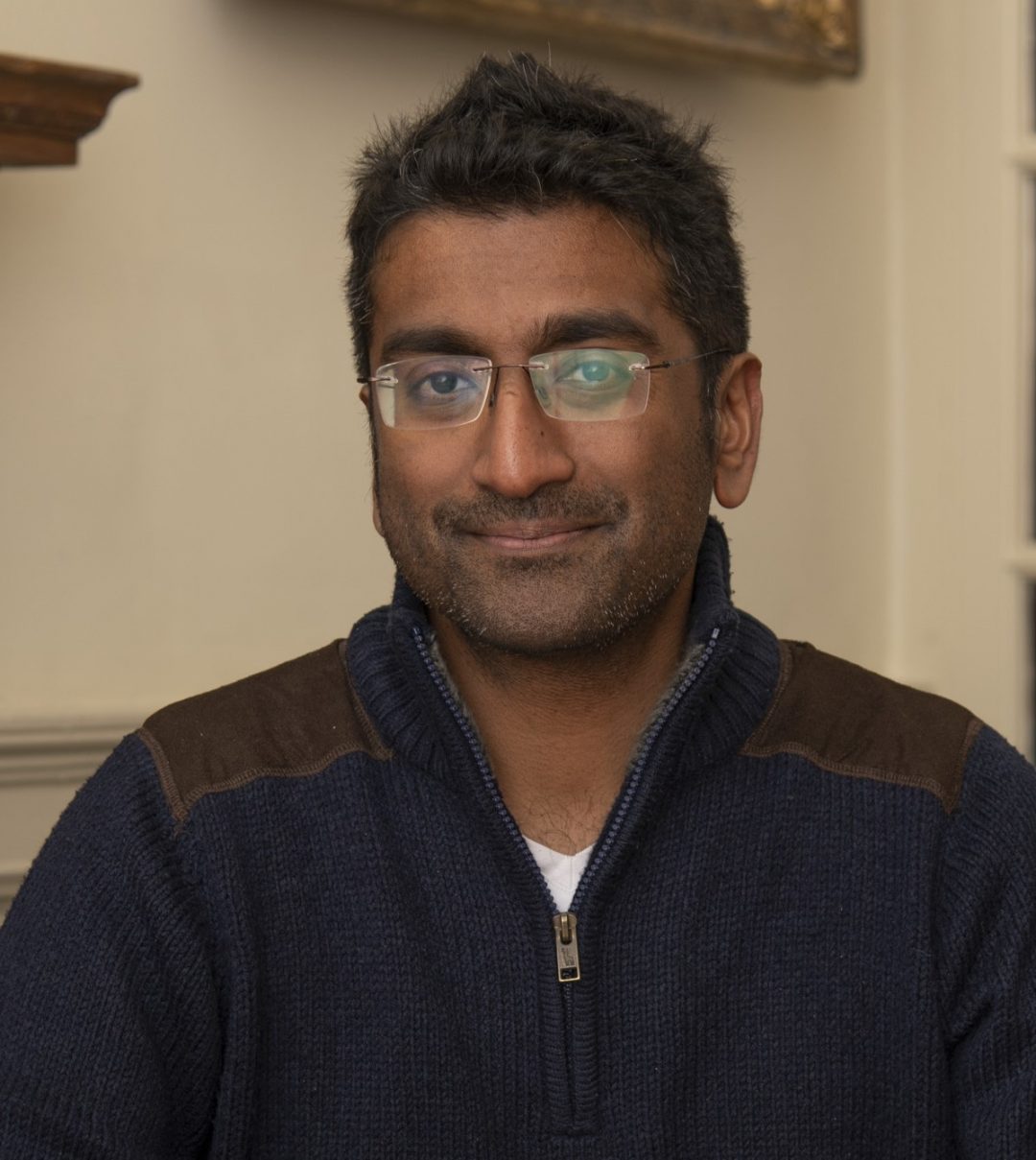
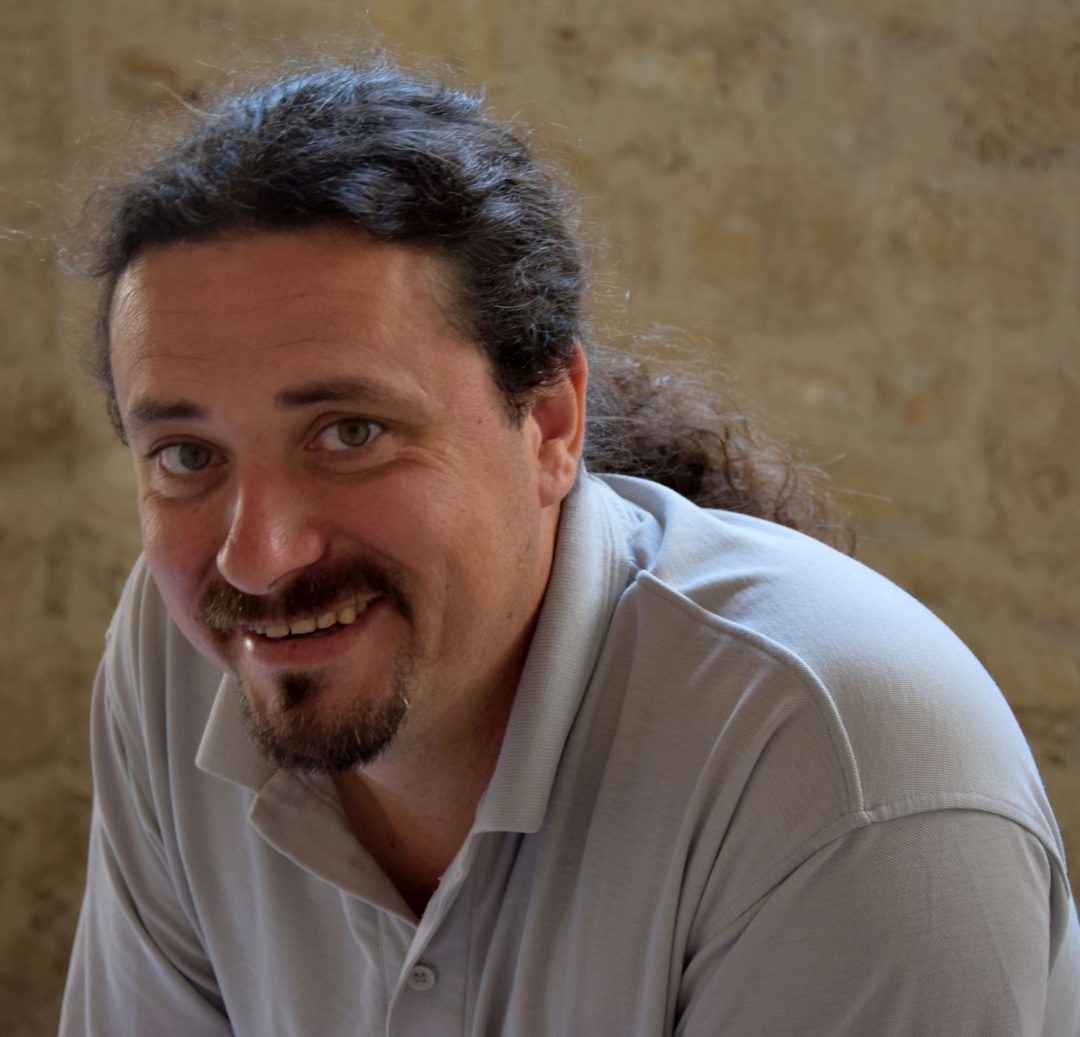
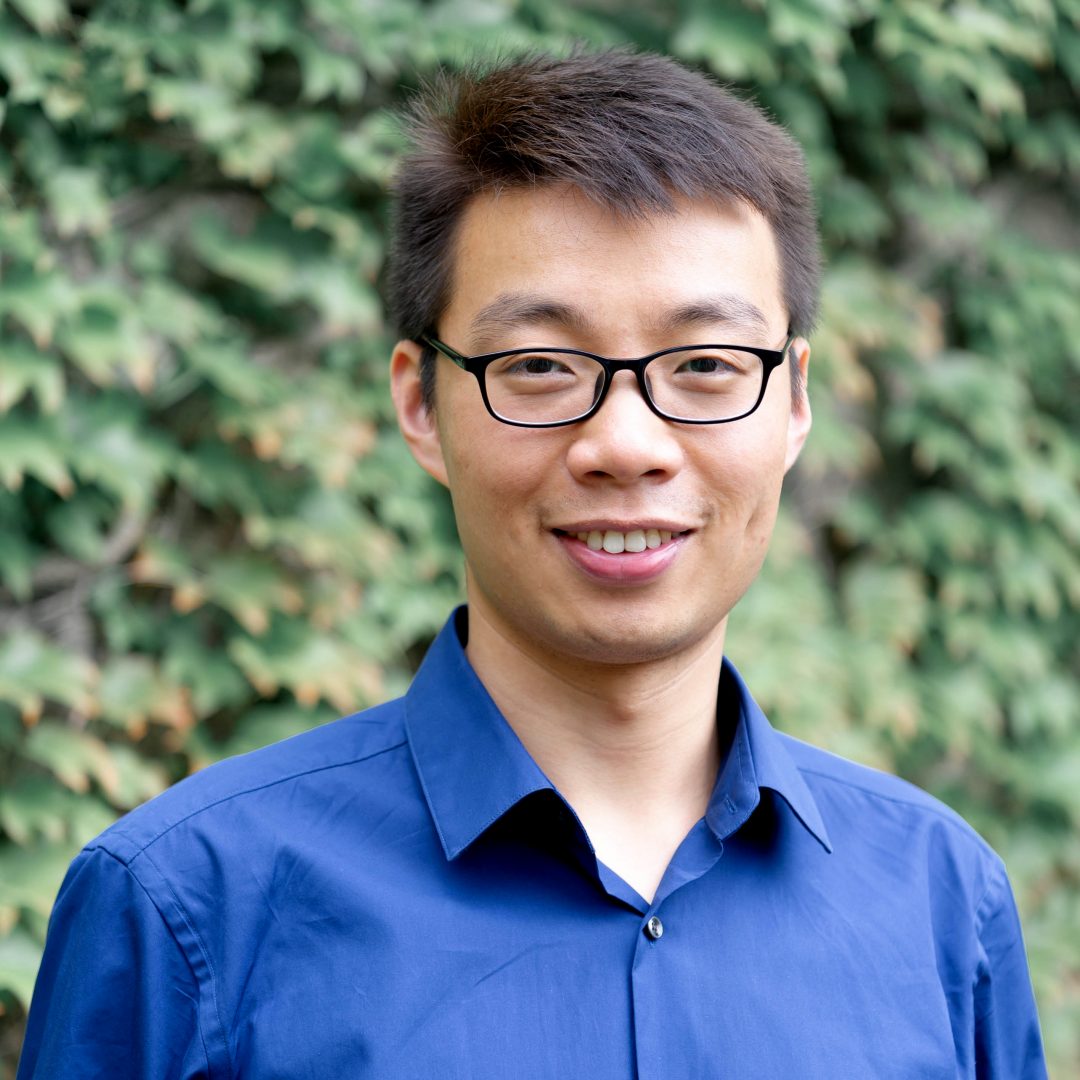
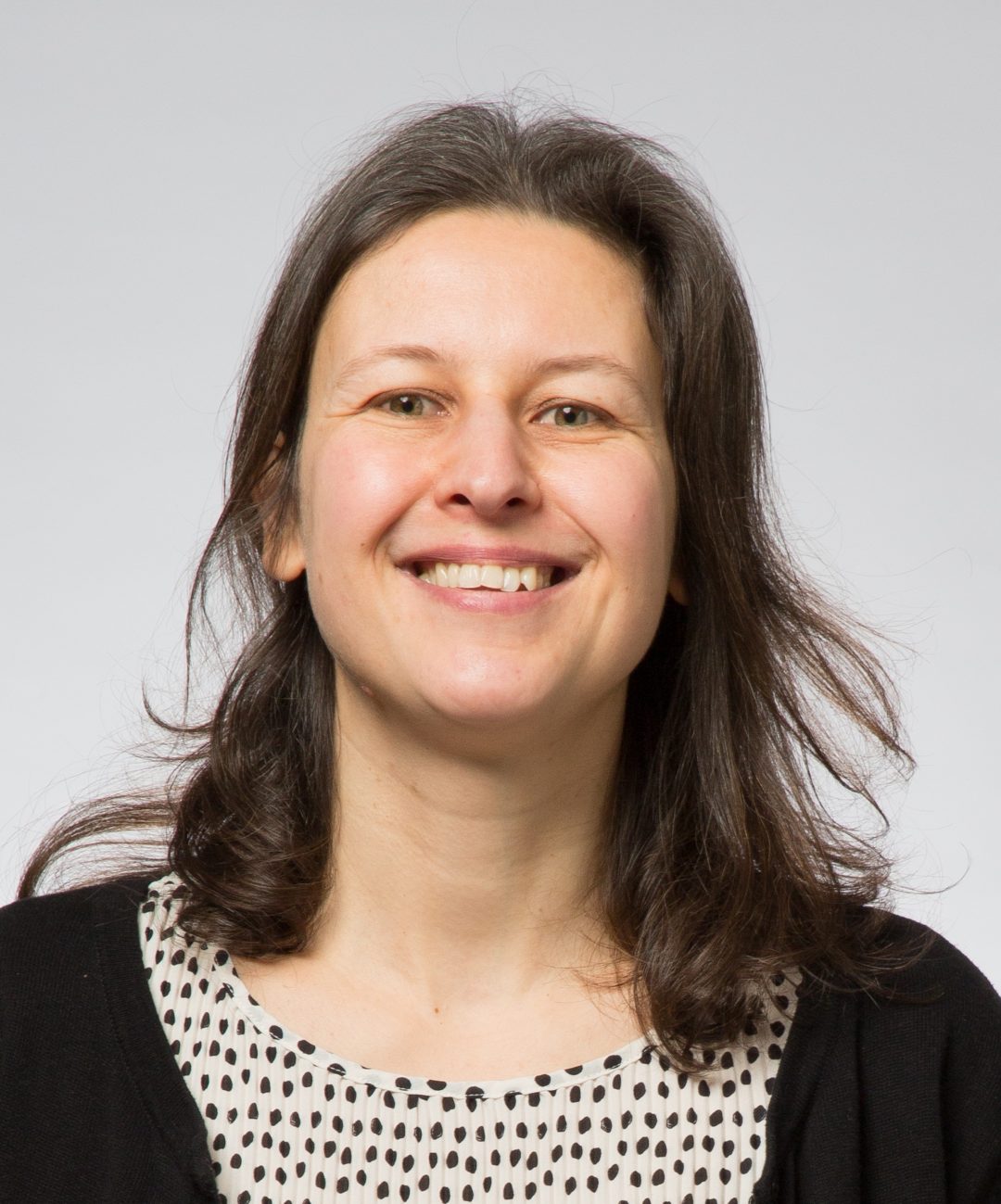
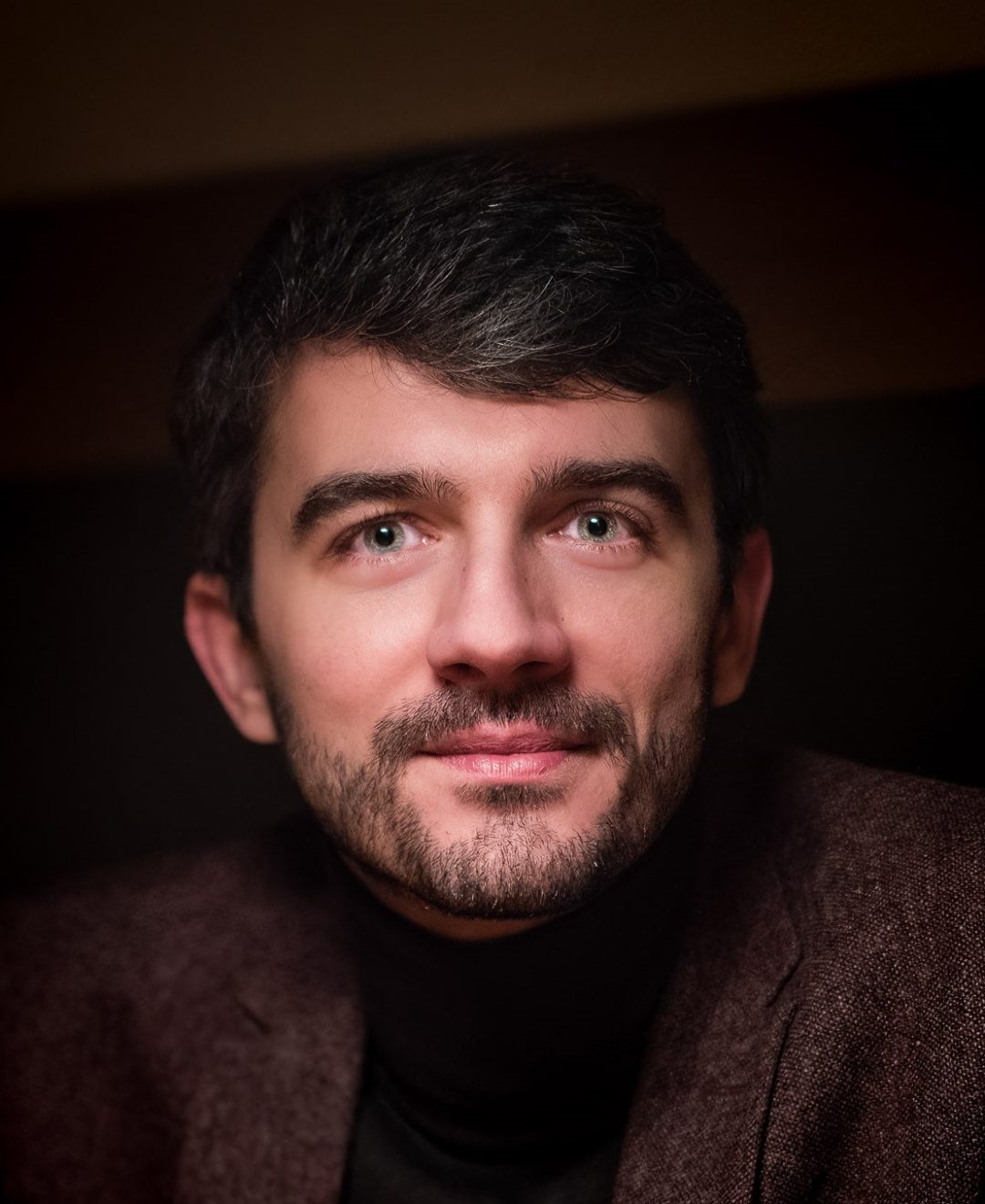
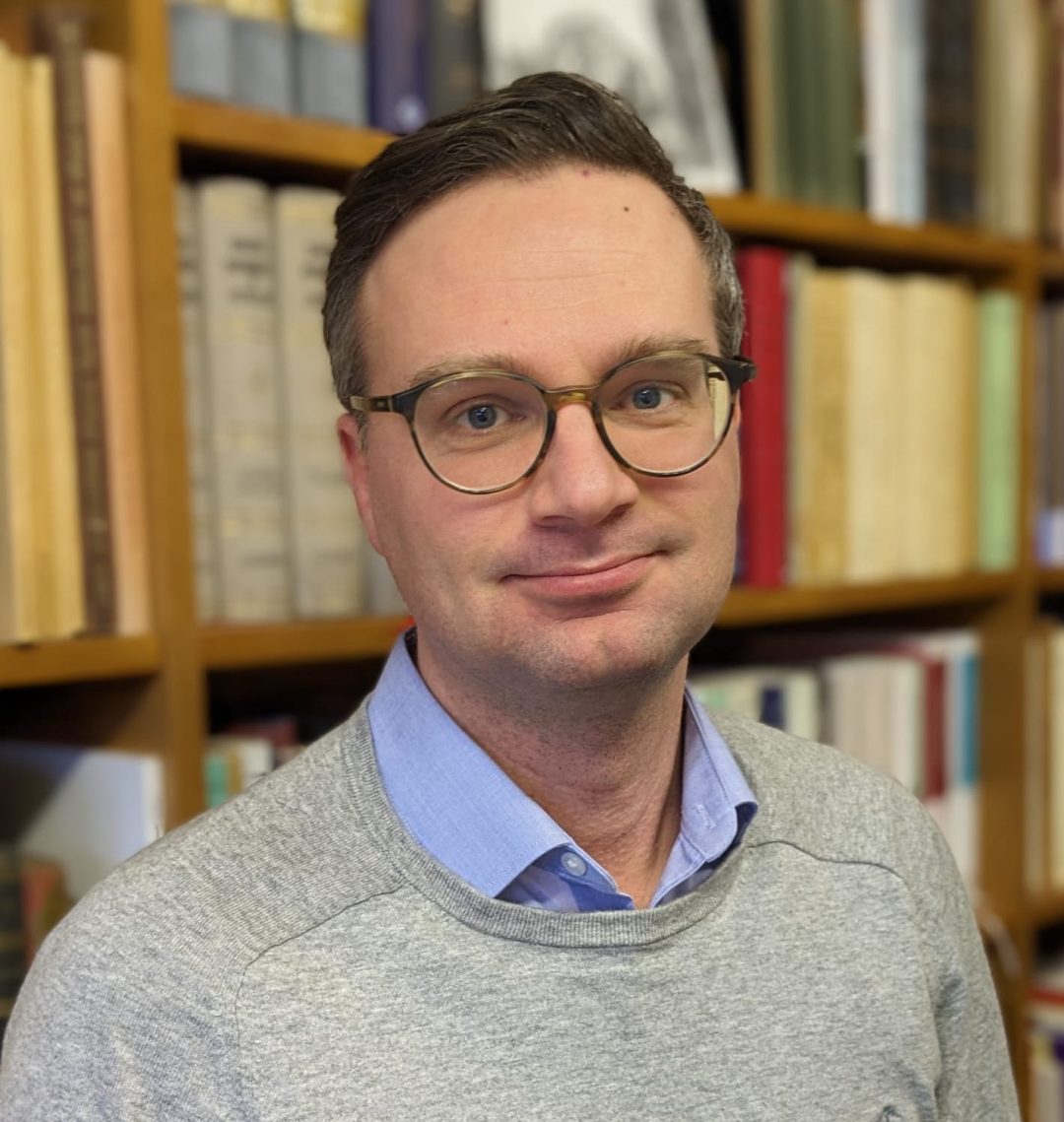
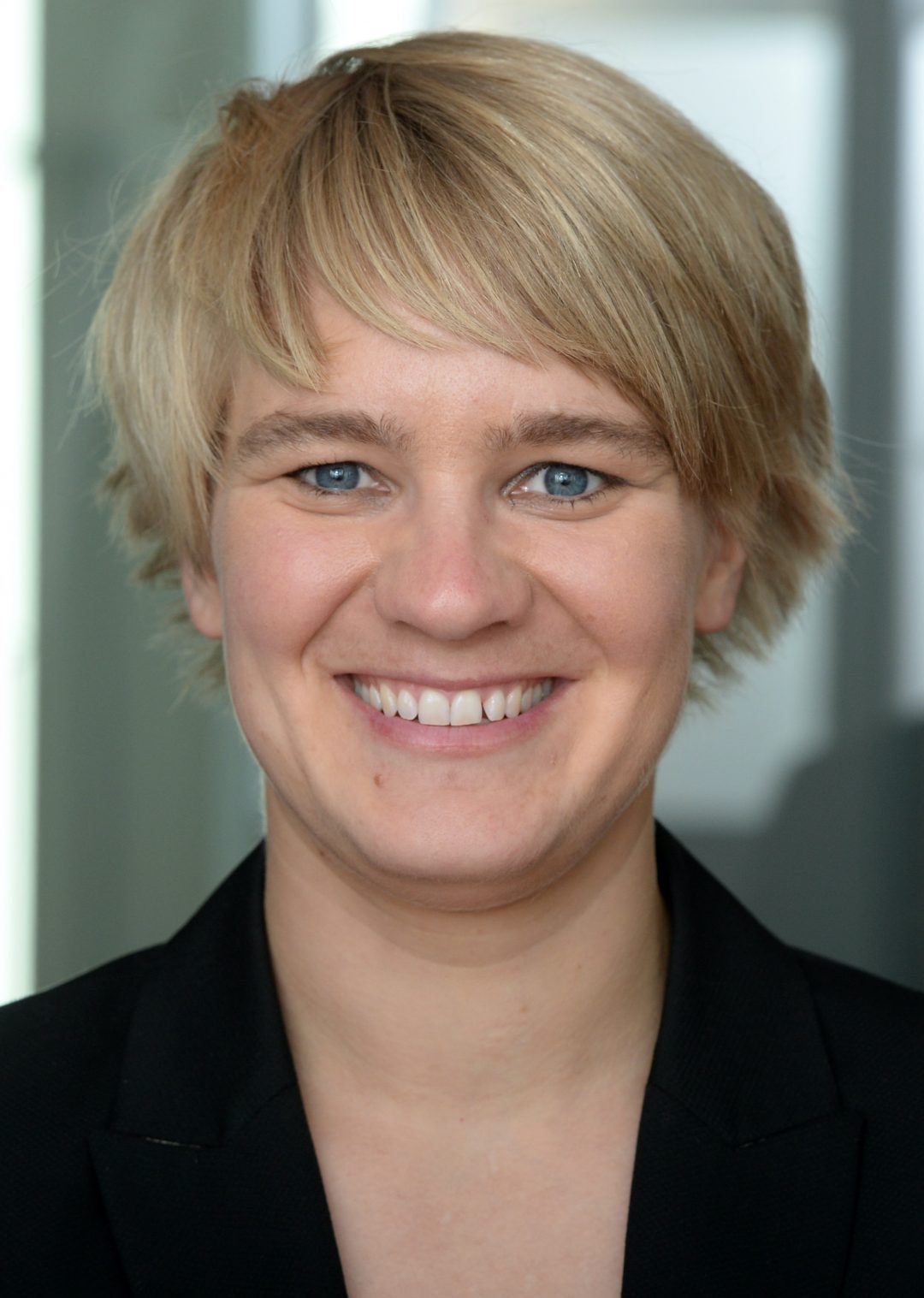
Deval is Reader in International Economic Law at Edinburgh Law School, where he was Lecturer from 2020-2023. He held a personal postdoc at the Geneva Graduate Institute from 2017-2020, prior to which he took his doctorate in law from Harvard Law School. He also has a decade of experience working for the World Bank on rule of law and governance in sub-Saharan Africa; as well as advising the UN on rule of law issues.
Deval’s work focuses on law and development, administrative law and regulation, theories of the state, and patterns of knowledge and authority across the Global North and South. His articles appear in leading journals in law, political science, and development studies. His work has been recognised in a range of venues: he is a Member of the Young Academy of Scotland and a Fellow of the Royal Society of Arts; and he received a “Chancellor’s Award” from the University of Edinburgh (one of the university’s highest honours). His work has also been supported by grants from funders in the Netherlands, Switzerland, UK, and USA; including as a PI on a major SNSF Sinergia grant called “Reversing the Gaze”. He is also a committed mentor to early career researchers from underrepresented communities in the academy, and was highly commended for this work by the University of Edinburgh’s Susan Manning Award.
Full profile: Tamás Hajdu is an associate professor and the head of the Department of Biological Anthropology at the Institute of Biology, Faculty of Sciences, Eötvös Loránd University. His research field is biological anthropology and paleopathology. He specializes in population history of the Carpathian Basin in Prehistory and in Migration Period, as well as in evolution of infectious diseases and in paleooncology.
Full profile: Borja Franco Llopis is Associate Professor at the UNED (Spain) and his research is devoted to the visual and literary representation of the otherness in Europe. His research explores topics such as race, migration and otherness in the late medieval and early modern periods and their understanding in contemporary societies. He has published 5 books in Spanish and Italian, coordinated 9 more (two in press) in important presses such as Brill, Leuven University Press, Genoa University Press.
He has also published almost 100 articles and book chapters. He combined this work with the production of documentaries about Muslim-Christian relations, which were broadcast on RTVE TV2 and its international station in Iberoamerica, as well as in youtube. He was the Principal Investigator of 3 Spanish Research Projects, and he was the working group leader of the COST Action COST Action 18129: Islamic Legacy: Narratives East, West, South, North of the Mediterranean (1350-1750). He has been a visiting scholar in several institutions such as the School of History and Archaeology in Rome, the Istituto Storico per el Medievo (Rome), the Warburg Institute (London), Johns Hopkins University, University of California (Berkeley), Harvard University, Columbia University, Universidade Nova of Lisbon and NYU; and Visiting Professor at the University of Genoa.
He has obtained important scholarships such as the Ramón y Cajal, Santander Iberoamérica, José Castillejo, Leonardo Scholarship (BBVA Foundation) and the Gondra Barandiarán Junior at the Museo Nacional del Prado. He is a member of the evaluation panel in Art History and Literature of the State Research Agency of Spain, that oversees the research projects and postdoctoral grants granted by the Spanish Ministry of Sciences. Since 2022 he is a fellow member of the Young Academy of Spain.
Full profile: Agnieszka holds a master’s degree in chemical technology. She received her Ph.D. in 2012 and her habilitation in 2018 as a young scientist in materials science, to finally become appointed as a university professor at the Warsaw University of Technology, Poland. She leads an interdisciplinary research group, ‘Bioactive nanomaterials’, at the Faculty of Materials Science and Engineering. Agnieszka research is primarily centered on novel two-dimensional (2D) materials for multifunctional nanocomposite hybrid structures. Among my most recent investigations, Agnieszka engaged in bridging the gap in understanding their stimuli-responsiveness concerning their electronic, optical, and catalytic features. She also delves into 2D materials’ self-assembly processes in complex environments, emphasizing their cyto- and ecotoxicological effects observed at relevant exposures. Beyond her research endeavors, Agnieszka is actively championing the principles of ‘safe-by-design’ and ‘sustainable-by-design’ in developing advanced nanomaterials. The cross-disciplinary nature of Agnieszka research reflects her background as a chemist, further knowledge achieved in materials engineering, and broad knowledge gained in collaboration, scientific visitations to fellow materials scientists, biotechnologists, and the MXene community. Her research group has published many high-tier articles and demonstrated proficiency in acquiring and executing third-party-funded projects funded by the National Science Centre (NCN), Excellence Initiative – Research University, and Horizon. Agnieszka also actively participates in European COST Action. Agnieszka is also a spin-off company founder, shareholder, and CEO, which licenses patents for obtaining novel silver and copper nanoparticles, surface modified with aluminum nano-oxide and nano-silica. Her commercialization endeavors were awarded in 2021 by a Minister of Education and Science through an Award for industrial implementations. She also actively participates in scientific associations, being a member of the Materials Research Society and the American Chemical Society, USA, the Council of the Faculty of Materials Engineering, and the Council of the Materials Engineering Discipline. At the turn of 2020/21, she became a member of the working group of policymakers for academic promotion criteria and researchers’ assessment. From 2022, she has been a member of the Council for Science, Higher Education, and Innovation within the National Development Council of the President of the Republic of Poland. Agnieszka is also an expert in Polish and foreign institutions financing science, such as the European Research Council (ERC), Horizon 2020, the National Center for Research and Development (NCBR), the Polish National Agency for Academic Exchange (NAWA), as well as the Polish and Czech Fulbright foundations as part of the MoRePro program, Slovak Academy of Sciences. She has also been reviewing scientific articles submitted to high-tier JCR journals for many years. Throughout her career, Agnieszka has actively advocated for the inclusion and advancement of women in these disciplines, recognizing the immense value they bring to research and innovation. As a YAE member, she amplifies the voice of women in science. She promotes initiatives encouraging their participation and leadership in this collective effort to create a more inclusive and vibrant scientific landscape. All these make Agnieszka well-suited to provide specific guidance and mentorship in fostering evidence-based policy and play a valuable role in YAE towards supporting young scientists, especially in STEM. She strongly believes in the fresh perspective of young researchers and champions their involvement in shaping the future of research in the EU and transformative processes.
Full profile: Francesco holds a PhD in Fluid Dynamics from the University of Naples Federico II (Italy). Afterwards, he moved to Delft University of Technology (the Netherlands) where he worked first as PostDoc and later as Assistant Professor. Since May 2023, he is Full Professor in Fluid Dynamics at Politecnico di Torino (Italy).
Francesco works with his team on several topics related to aeroacoustics ranging from wind turbine to propeller noise (both for drone and aircraft applications) prediction and reduction, conventional and novel acoustic liners flow physics, and noise propagation in complex scenario with both experimental and numerical methods.
His work has been supported by the ERC Starting Grant and the Aeroacoustics Research Consortium. Francesco is working on several national and international projects ranging from research to education. Francesco is co-funder of Mutech, a startup company developing noise reduction technologies for wind turbines. Francesco was board member of the Delft Young Academy in 2022.
Full profile: Dr. Minghao Yu, PI, research group leader at Technische Universität Dresden. He received his doctoral degree in Material Physics and Chemistry from Sun Yat-sen University in June 2017.
He joined Technische Universität Dresden as a postdoctoral researcher under the support of Humboldt Research Fellowship in November 2017. In March 2019, he was appointed as a research group leader of the Chair of Molecular Functional Materials at Technische Universität Dresden.
His research interest includes 1) development of novel organic and inorganic 2D layered materials, 2) development of advanced artificial interphases and electrolytes for next-generation batteries, 3) fundamental charge and ion dynamics during electrochemical energy storage processes, and 4) sustainable energy storage device fabrication, including supercapacitors, hybrid-ion capacitors, aqueous batteries, dual-ion batteries, and multivalent metal (Zn, Mg, Al) batteries. Besides, he is also an associated member of cfaed, associated group leader at MPI-Halle, highly cited researcher (Clarivate Analytics, 2018-now), 2023 ERC Starting Grant winner.
Full profile: Kinga is a cognitive developmental psychologist, with a focus on complex thinking processes. She completed her undergraduate and MSc degrees at the Lorand Eotvos University in Hungary before obtaining a PhD from the University of Plymouth (UK). She subsequently worked as a post-doctoral researcher at the University of Geneva (Switzerland) and at the University of Cambridge (UK), before taking up the position of Lecturer in Psychology at Queen’s University Belfast (Northern Ireland).
She is currently a Senior Lecturer in Mathematical Cognition at Loughborough University (UK). Kinga’s main research focus is on mathematics learning, but her research interests also encompass reasoning and decision-making, the motivational and emotional aspects of learning, and educational approaches to improving thinking skills. Kinga also researches the atypical development of cognitive skills, in autism and in developmental dyscalculia. Kinga has secured 18 research grants since the start of her research career, with a total value of over £8 million as a co-investigator, and over £350,000 as principal investigator. She has authored or co-authored more than 60 peer-reviewed publications, and works as Associate Editor or Editorial Board Member of several scientific journals. She is also a member of the UK Young Academy.
Full profile: Emilian Mihailov is an associate professor at the Faculty of Philosophy, University of Bucharest. In 2012 he obtained his Ph.D. title with a thesis on Kant’s moral philosophy, under the supervision of Valentin Mureșan. Emilian Mihailov has published numerous articles in prestigious journals about the nature of moral judgement, impartial beneficence, neuroenhancement, online moral outrage. In 2018 he took the position of director of the Research Centre in Applied Ethics, at Faculty of Philosophy, University of Bucharest, developing research partnerships with the Oxford Uehiro Centre for Practical Ethics, University of Oxford, and the Institute of Biomedical Ethics, University of Basel. Emilian has given many invited talks and been on advisory panels for legislative bodies, such as at the Health Commission of the Romanian Parliament, where he offered expertise on draft legislation concerning assistive reproductive technologies.
Christopher Markiewicz is an associate research professor in Ottoman and Islamic Studies in the Department of Languages and Cultures and the Department of History at Ghent University.
Previously, he was an associate professor in History at the University of Birmingham and a junior research fellow at Exeter College, University of Oxford. Christopher Markiewicz completed his doctoral studies in 2015 at the University of Chicago in the Department of Near Eastern Languages & Civilizations. His dissertation was awarded the Malcolm H. Kerr Dissertation Award from the Middle East Studies Association of North America (2016).
His research focuses on the political culture of late medieval and early modern Islamic lands, especially with respect to the Ottoman Empire. In this regard, his past work explored how ideas about history and the nature of kingship in the Ottoman Empire were connected with wider intellectual, cultural, and religious currents across the Islamic world in the early modern period. These interests resulted in the publication of his first book, The Crisis of Kingship in Late Medieval Islam: Persian Emigres and the Making of Ottoman Sovereignty (Cambridge University Press, 2019). He has also published on aspects of diplomatic history, the circulation of intellectuals and ideas, and historical writing in Islamic lands in the fifteenth and sixteenth centuries.
Christopher Markiewicz is the principal investigator of an ERC Starting Grant, ‘Islamic Endowments (Waqf) and State Formation in the Ottoman Empire (1450-1650)’, a project which examines the role of pious endowment in the development of the Ottoman state within the wider context of the transition within Islamic lands from a long period of political fragmentation to the imperial consolidation of the early modern period. He is the series editor of The Ottoman Empire and the World (I.B Tauris in collaboration with the British Institute at Ankara), and a trustee of the EJW Gibb Memorial Trust.
Full profile: Anna studied law at the universities of Frankfurt/Main (Germany) and Linköping (Sweden). Following the completion of the German legal clerkship, she worked on and completed her PhD at Maastricht University (The Netherlands). Anna currently holds the Chair in Private Law and Social Theory at the Faculty of Law of Maastricht University. This appointment follows previous positions at the same Faculty, as an Associate (2022-2023) and Assistant (2015-2022) Professor. Prior to her faculty appointment, Anna was a postdoctoral Max Weber Fellow at the European University Institute Florence (2015-2016).
In her work, Anna researches the interaction between the central institutions of private law, such as contract, tort, company, and current societal transformations. For this purpose, she uses methods from law and sociology to conduct comparative, doctrinal, and theoretical-normative research. Anna’s research was awarded prizes (German Dissertation Prize by the Körber Foundation) and has been offered grants by prestigious funders (ERC, MSCA, European Commission). Currently, Anna is the Principal Investigator of the ERC Starting Grant CHAINLAW, which aims to develop a normative legal language to respond to the current socio-economic phenomenon of global value chains. Besides this larger project, she also interested researches appropriate private law responses to the digital transformation of society.