Vilarrasa

Affiliation: Spanish National Research Council (CSIC), Spain

Keywords: Geo-energies, geothermal energy, geologic carbon storage, subsurface energy storage, hydrogeology, geomechanics, induced seismicity

Webpage

Orcid identifier

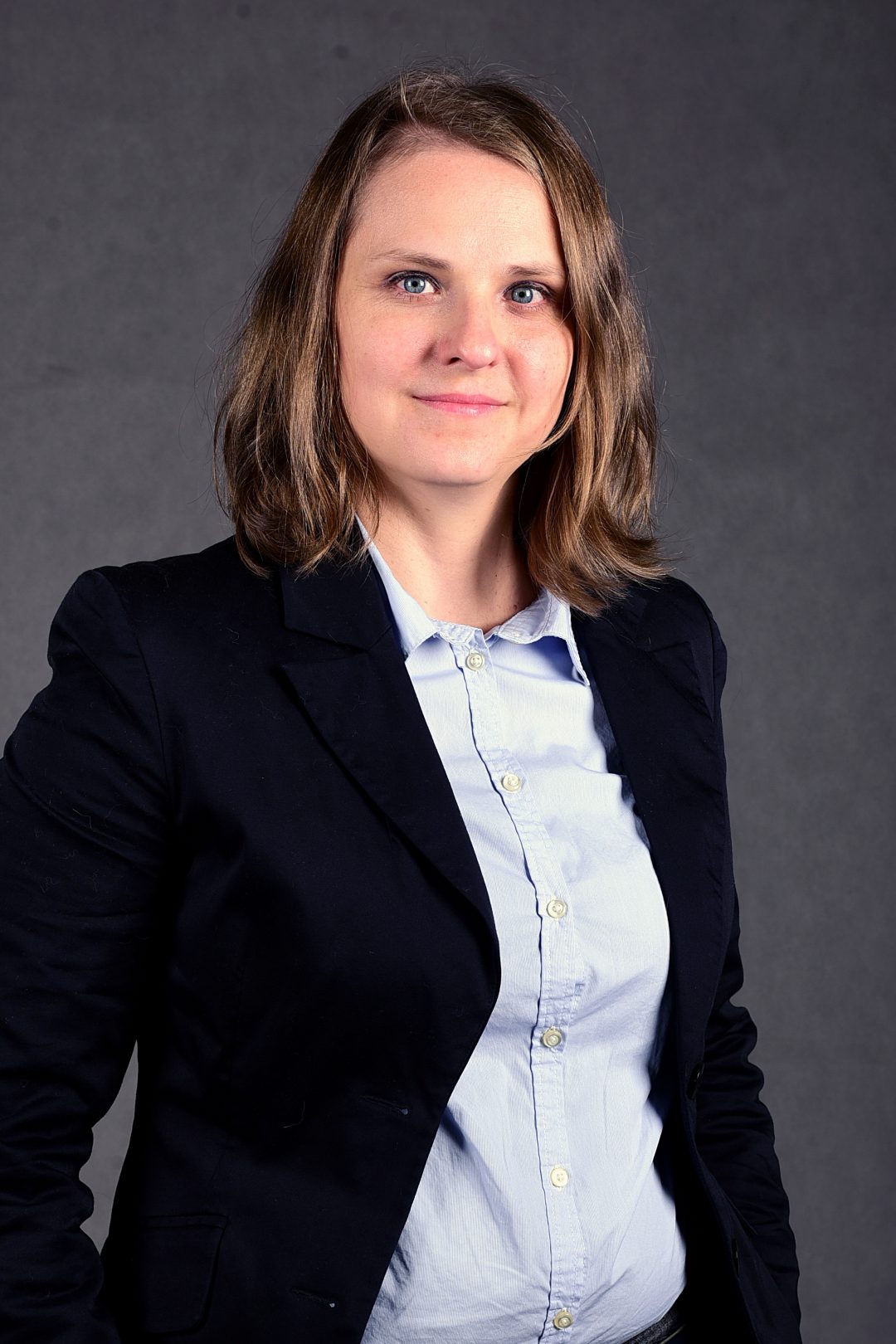
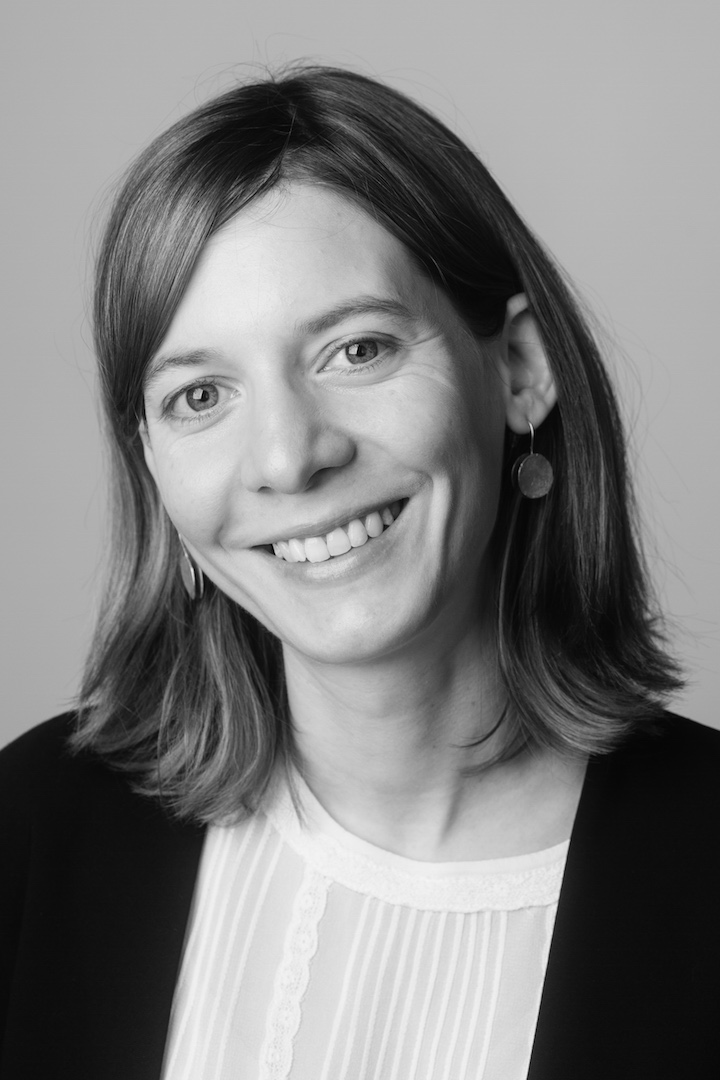
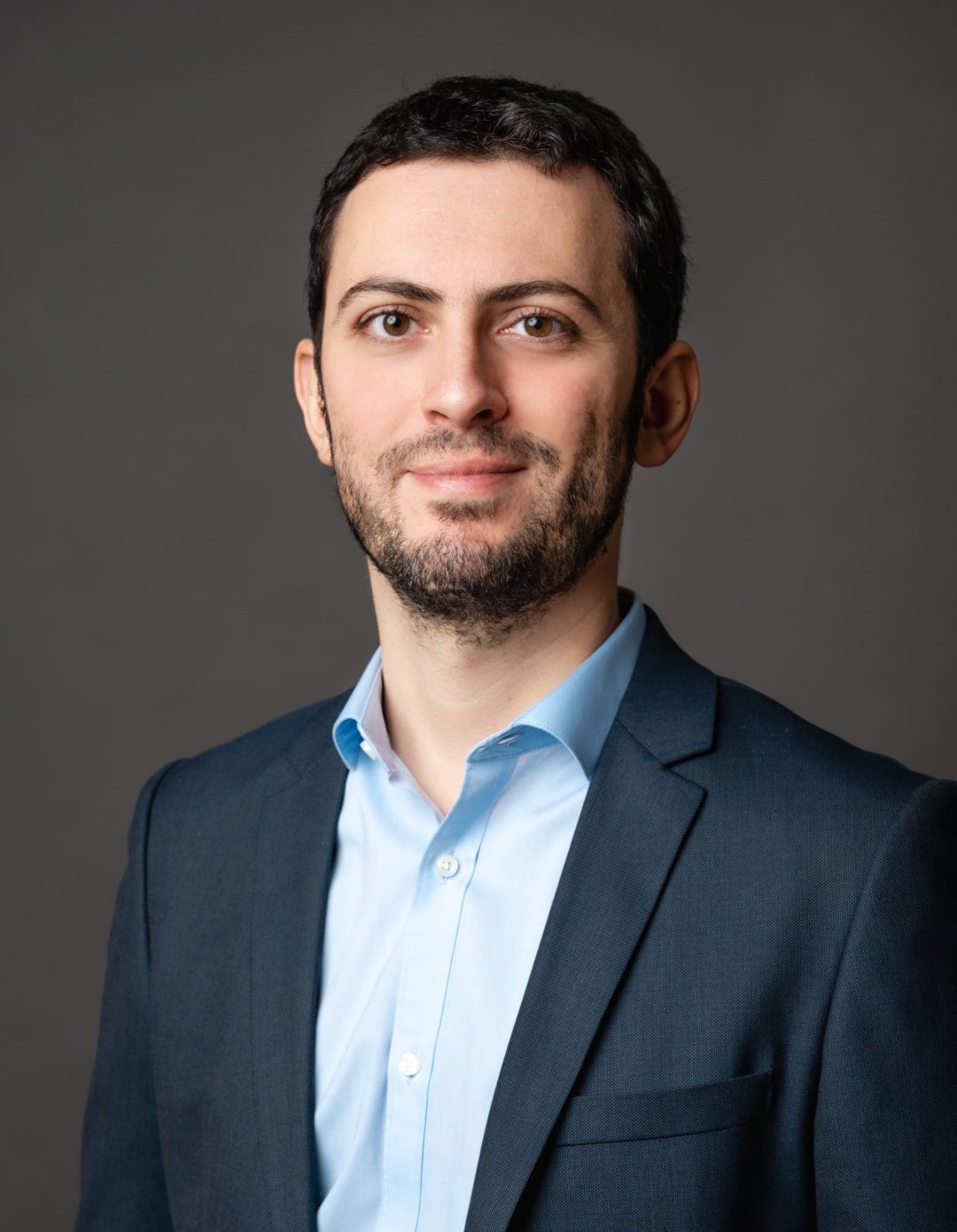
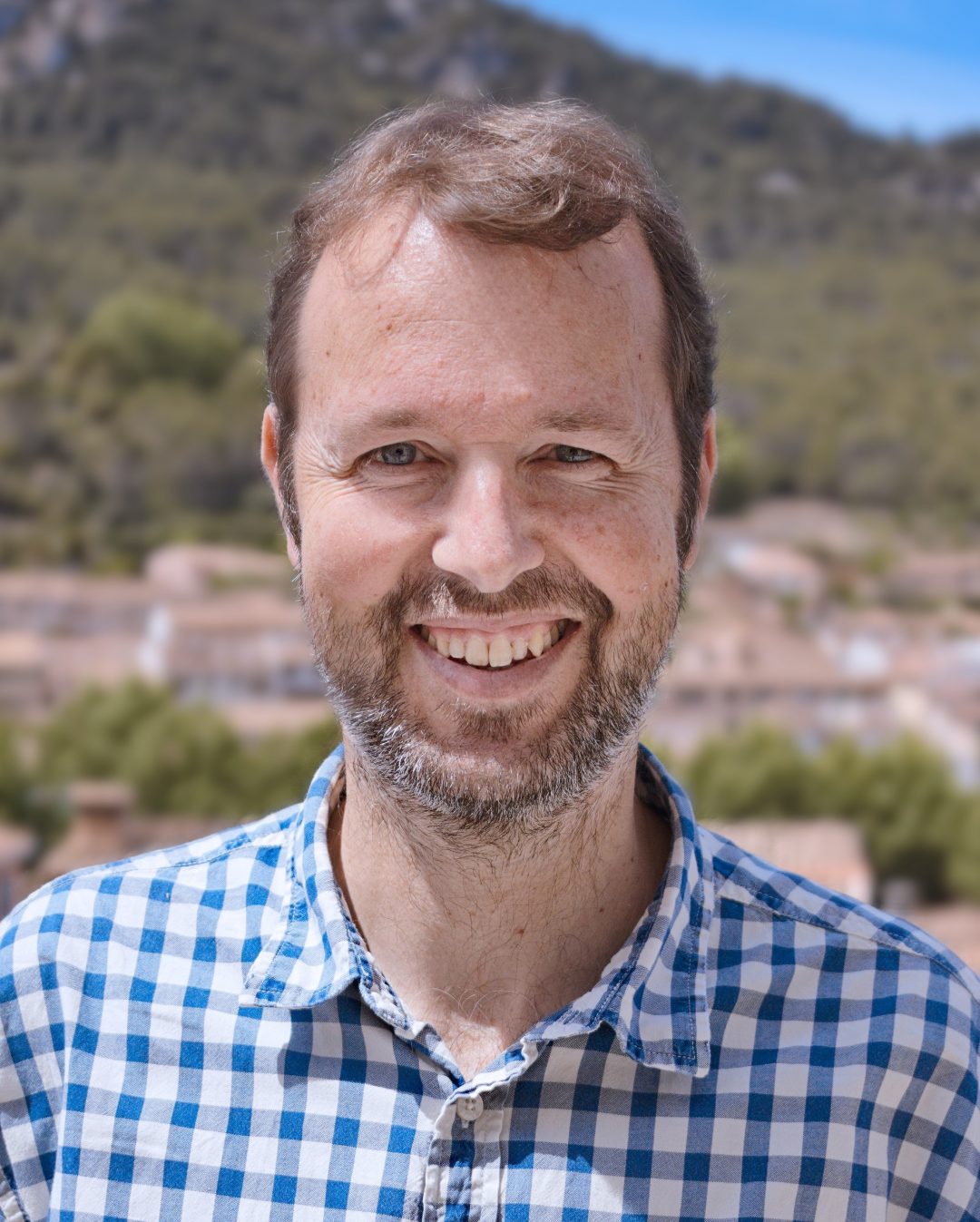
Full profile: Víctor Vilarrasa is a tenured scientist at the Spanish National Research Council (CSIC) and a full member of the Young Academy of Spain, the Global Young Academy and the Young Academy of Europe. He leads an international research group, currently composed by 16 members. He performs interdisciplinary research in a collaborative environment, combining concepts of hydrogeology, geomechanics, geochemistry and seismology, which allows him to address complex geoengineering challenges.

His group is part of CSIC’s Interdisciplinary Thematic Platform PTI-TRANSENER, which aims at contributing to the global challenge of the transition of the energy model. He counts with an extensive network of international collaborators and is very active disseminating and communicating his findings. His research has been supported by prestigious grants, such as the Starting Grant and Proof of Concepts of the European Research Council (ERC) and Doctoral Networks of the Marie Skłodowska-Curie Actions (MSCA-DN), being coordinator of one MSCA-DN.

His main scientific contributions are related to the understanding of coupled thermo-hydro-mechanical-chemical processes involved in deep fluid circulation: (1) the proposal for cold (dense) injection of CO2 for geologic carbon storage, which reduces energy requirements by a factor around 5 and improves mechanical stability; (2) the concept of high pressure injection test, to characterize geomechanical properties of caprocks; and, most importantly, (3) his advances on the understanding of induced (micro)seismicity required to minimize the risk of inducing felt earthquakes, which will permit a successful deployment of geo-energy projects – a necessary step to reach net-zero emissions of GHGs. His scientific achievements have been recognized by several awards.
Ogrodnik

Affiliation: Ludwig Boltzmann Research Group, Austria

Keywords: Aging, cellular senescence, wound healing, regeneration, skin aging, inflammation.

Webpage

Orcid identifier

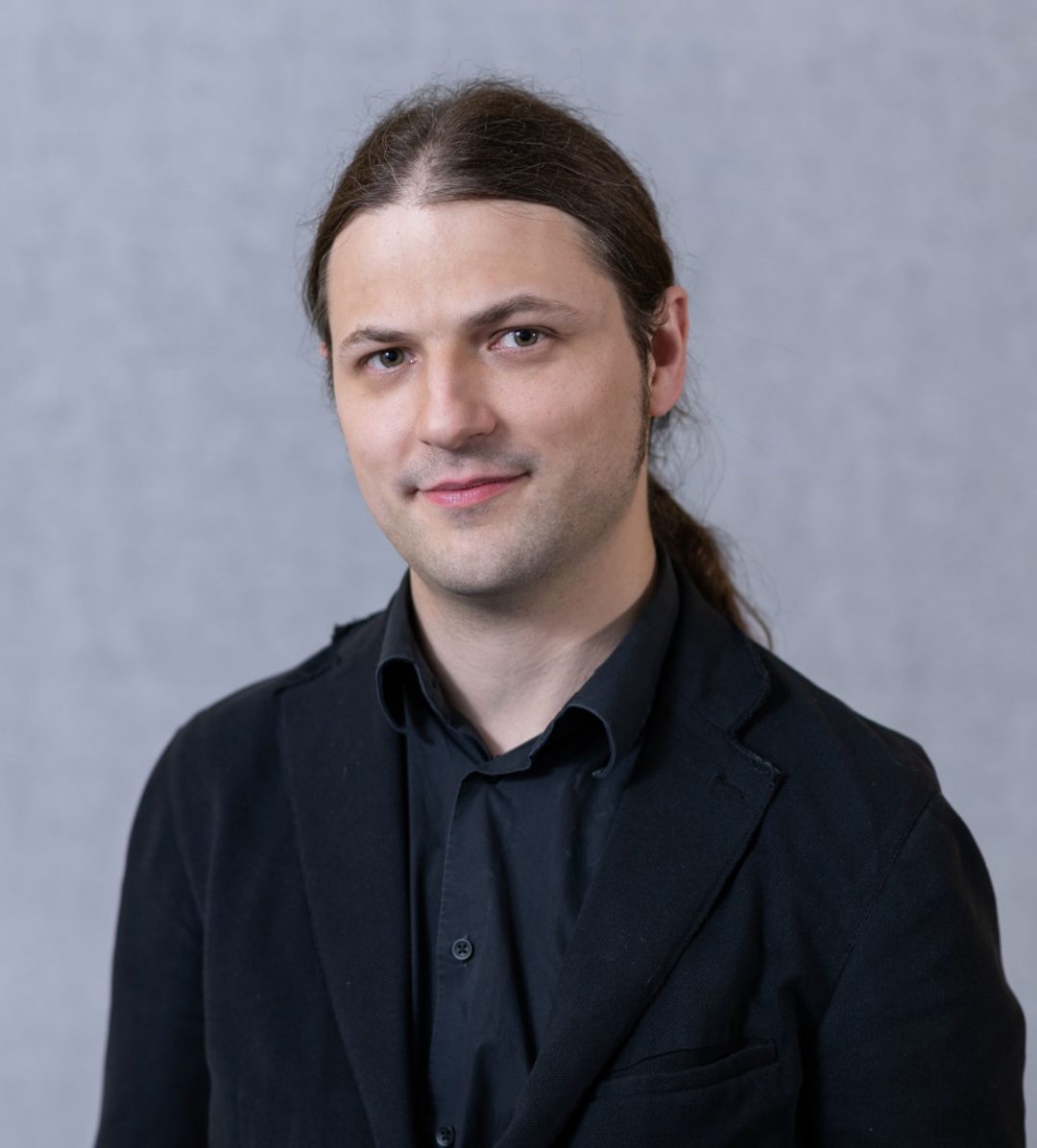
Full profile: Mikolaj Ogrodnik is a group leader at the LBG Senescence and Healing of Wounds. He received his PhD at the Newcastle Institute for Ageing (Newcastle upon Tyne, UK) and did his post-doctoral research at the Mayo Clinic (Rochester, MN, US). Ogrodnik’s laboratory explores a wide range of subjects including the early-onset responses of skin to injury, the mechanisms of scar formation, molecular basis of cell senescence in skin, relationship between cytoskeletal proteins and cell migration and engineering of artificial skin. For that, the laboratory utilizes methods including high-resolution histology, in vitro cell culture, transgenic and wild-type pre-clinical models of wounding and ageing, bioinformatics including single-cell RNA sequencing and tissue engineering. The aim of this research is to broaden our understanding about healing and aging of skin and to improve the lives of people with non-healing wounds.

Tarnoki

Affiliation: Semmelweis University

Keywords: Twin research, thoracic imaging, epigenetic twin studies, atherosclerosis

Orcid identifier

Full profile: I work as a radiologist at Semmelweis University and the National Oncology Institute. In addition to general radiology, my specialty is thoracic imaging and cardiovascular ultrasound examinations. As a radiologist at Semmelweis University, I am a consultant radiologist of interstitial lung diseases (pulmonary fibrosis) board at the University. I am a board member of the Hungarian Section of the American Hungarian Medical Association, and I am also a member of the Hungarian & European Society of Radiologists and Pulmonogists. I regularly attend international and Hungarian conferences.

In addition to patient care, I also do research, my main topics are imaging, genetics and epigenetic research, especially twin research. I have published more than 100 Hungarian and international publications so far, I obtained my PhD degree in 2013 at Semmelweis University. I completed professional internships in several countries, obtained a professional qualification in chest wall ultrasound in Oxford, and also gained professional experience in imaging interstitial lung diseases. I am a member of the public body of the Hungarian Academy of Sciences. I speak English and German, I take part in the education of Hungarian, German and English medical students at Semmelweis University. I also take part in resident and specialist training in radiology. Between 2016-2020, I was the head of the Department of Ultrasound at the Semmelweis University Radiology Clinic. In November 2016, I received the Junior Prima award at the MTA. Since 2018, I have been an editorial member of the Hungarian Radiology journal. In 2019, I completed my habilitation at the University of Szeged. From 2020, I became the head physician of the Diagnostic Imaging Department of the National Oncology Institute.

Wolff

Affiliation: École Polytechnique Fédérale de Lausanne

Keywords: Chemical engineering; advanced oxidation processes; water reuse; wastewater treatment; water quality; catalysis;  plasma deposition; Emerging contaminants degradation;  disinfection; reactive oxygen species; identification of transformation products

Webpage

Orcid identifier

Full profile:

Christian Wolff is a physicist and researcher specializing in the field of photovoltaics, solar energy harvesting and spectroscopy.

Currently, he leads a group at the Ecole Polytechnique Federale de Lausanne with a research focus on highly efficient tandem solar cells, setting new standards in the field of emerging photovoltaics. Before that he pursued postdoctoral research at EPFL based on a Marie Skłodowska-Curie fellowship, after pursuing a doctorate at the University of Potsdam, focusing on halide perovskite solar cells. He graduated in Physics from Ludwig-Maximilians-Universität München, focusing on nanoparticular photocatalysts for water splitting.

Dr. Wolff’s career is marked by several awards including the prestigious Marie Skłodowska-Curie Actions individual fellowship, the Carl-Ramsauer-Price of the Physical Society of Berlin, and several Publication/Conference Awards.

He is dedicated to research and innovation, promoting diversity and inclusion in science, and scientific communication, and contributing to global solutions through science.

Gmurek

Affiliation: Lodz University of Technology

Keywords: Chemical engineering; advanced oxidation processes; water reuse; wastewater treatment; water quality; catalysis;  plasma deposition; Emerging contaminants degradation;  disinfection; reactive oxygen species; identification of transformation products

Webpage

Orcid identifier

Full profile:

Marta Gmurek received her MSc degree in Environmental Engineering from Lodz University of Technology (TUL) and also PhD and DSc degrees in Environmental Engineering in 2014 and 2018, respectively. Since 2020, she has been Associate Professor at TUL (Department of Molecular Engineering).

After PhD her scientific research concentrated on chemical engineering with elements of environmental engineering. One of her scientific interest is application of advanced oxidation processes for the purification of real textile wastewater and attempts to integrate them with biological/chemical purification processes and/or separation techniques, enabling the reuse of water in textile factories. Due to long-term cooperation with textile factory, her research team have knowledge what are the main problems during textile wastewater treatment as well as the possible problems with implementations. Her research is focused on the textile wastewater purification by advanced processes (electrocoagulation, ozonation, catalytic and photocatalytic as well its recombination etc.) with a deep chemical engineering approach on the mechanism and process influence on the possible reuse. 

She took part in three-month internship at Charles University in Prague, Department of Inorganic Chemistry and two- and one-month DAAD internship in Karlsruhe Institute of Technology (KIT), Chair of Water Chemistry and Water Technology (under Prof Harald Horn supervision, 2014, 2017). She worked as a Visiting Researcher at the University of Coimbra for 20-months (2019/2020). In 2021/2022, she was working at the Karlsruhe Institute of Technology  as an Alexander von Humboldt Fellow.

She took a part as a contractor or main contractor in several project funded from NCN (National Sience Centre) and NCBiR (National Centre for Research and Development).

Zakarriya

Affiliation: Aarhus University

Keywords: Migration, collaborative writing, multilingualism, comparative literature, translation

Webpage

Jihan Zakarriya

Orcid identifier

Full profile: Jihan started her career in Cairo University (Beni-Suef Branch) in Egypt, before completing her Ph.D. on comparative literature at Cardiff University (UK). In her Ph.D., she explored Edward Said’s postcolonial theory to compare forms of violence and apartheid in modern South African and Palestinian novel, with a specific focus on women’s resistance. Jihan had a Fulbright Scholar Fellowship (2016-2017) at the University of Michigan (USA), where she explored ecocritical and ecofeminist studies in Arabic literature and critical studies.

She is currently an assistant professor, at Aarhus University, Denmark. Her current research project focuses on aspects of gendered and environmental violence in modern and contemporary Arabic literature. Jihan has published on feminist activisms, gender violence, and political change in the Middle East and North Africa (MENA).

In October 2023, Jihan will start a new position as associate professor at the Faculty of Theology, University of Oslo, Norway. She will be leading a research group to work on her ERC Starting Grant (the largest European grant available to early stage researchers) project GulfFeminisms that examines the genealogies of feminisms in the Arabian Gulf, analyzing the mobilization of laws as a form of feminist activism and positive social change.

Backes

Affiliation: University of Kassel

Keywords: Nanomaterials- colloids – 2D materials – liquid exfoliation – functionalization – spectroscopy

Webpage

Claudia Backes

Orcid identifier

Full profile: Claudia has received her Ph.D with honors in 2011 from the University of Erlangen, Germany. From 2011-2012, she supported the Erlangen Cluster of Excellence “Engineering of Advanced Materials” as deputy executive director and scientific coordinator. After receiving a fellowship grant from the German Research Foundation (DFG) in 2012, she moved to Jonathan Coleman’s group at Trinity College Dublin, Ireland where she began her research activities on the production, processing and functionalization of 2D nanomaterials in the liquid phase. In 2015, Claudia returned to Germany and joined Heidelberg University at the Chair of Applied Physical Chemistry. In 2016, she was awarded with the prestigious Emmy Noether funding from the German Research Foundation (~1.3Mio Euros) to establish her independent research group at Heidelberg University. During this time, she won several awards for junior researchers (Hengstberger Award, Lautenschläger Award, ETH Young Materials Scientist Award). In October 2021, Claudia was appointed Chair Professor of Physical Chemistry of Nanomaterials at Kassel University, Germany.

Claudia’s research combines aspects of colloid science, surface chemistry, organic and inorganic chemistry and condensed matter physics. She has made substantial contributions to the development of exfoliation and characterization of 2D materials in the liquid phase, which will be of crucial importance for long-term practical applications. The exfoliation and workup protocols she has developed, as well as the simple characterization methods for spectroscopic determination of flake size or the quantitative description of possible degradation of the materials are not only used by researchers worldwide, but also contribute significantly to the understanding of this increasingly important manufacturing process. Particular emphasis is given to studying unexplored, novel 2D materials. Her work thus provides a permanent supply of interesting nanomaterials that have largely not yet been investigated

Claudia is a true believer that networking is key to tackle interdisciplinary problems and has a broad collaborative network within Europe. To foster collaborations, establish new ones and support and encourage young researchers, Claudia is extremely active in participating at conferences, workshops and symposia. Over the past 5 years, she has presented ~45 invited talks at international conferences and departmental seminars. Claudia has also been very involved as reviewer of articles for a range of journals (including Nature, Nature Chem., Nature Commun., Angew. Chem., J. Am. Chem. Soc., ACS Nano) or grant proposals (ERC Starting, Consolidator, Synergy Grants, EC FET-Open, German research foundation, Humboldt foundation). In 2022, she became liaison office of the German research foundation (DFG) at Kassel University and Chairwoman of the German Chemical Society (GDCh) at Kassel University.

Dzimitrowicz

Affiliation: Wroclaw University of Science and Technology

Keywords: Cold atmospheric pressure plasma; food chemistry; nanotechnology, environmental protection; agriculture

Webpage

Anna Dzimitrowicz

Orcid identifier

Full profile: 

Anna Dzimitrowicz currently holds the position of Associate Professor at the Faculty of Chemistry within the Wroclaw University of Science and Technology. Her area of expertise lies in Chemical Sciences, and she is an esteemed member of Academia Iuvenum (group of young ambitious scientists representing different disciplines).


Dzimitrowicz’s research primarily focuses on the development, optimization, and application of cold atmospheric pressure plasma systems for various purposes. These applications include the production of functional food, synthesis of nanoparticles with specific properties, wastewater purification, and the creation of novel fertilizers.


In November 2017, Dzimitrowicz successfully defended her Ph.D. thesis, titled “Application of atmospheric pressure glow discharge generated in contact with liquid for synthesis of metallic nanostructures,” receiving honors for her exceptional work. She further pursued postdoctoral visits at prominent institutions such as the Centre for Molecular Biophysics CNRS in Orleans, France, the Department of Biology at the University of Florence in Florence, Italy, and the Intercollegiate Faculty of Biotechnology at the University of Gdansk in Gdansk, Poland. In March 2022, Dzimitrowicz obtained the title of Ph.D. D.Sc. based on her thesis titled “Studies on the possibility of application of cold atmospheric plasmas in nanotechnology, environmental protection, food chemistry, and medicine.”
Dzimitrowicz’s research endeavors have been recognized with various prestigious awards and scholarships. These include the Young Outstanding Scientists scholarship from the Ministry of Science and Higher Education, the START scholarship from the Foundation for Polish Science, the BGF scholarship from the French Embassy, and an award from the Rector of Wroclaw University of Science and Technology for her exceptional scientific achievements. In 2016, she was the recipient of the esteemed Max Born scholarship, recognizing her outstanding contributions in the fields of chemistry and physics.


Throughout her career, Dzimitrowicz has served as the Principal Investigator or Co-principal Investigator in four research projects funded by the National Science Centre (Poland). Additionally, she is currently engaged in an international research project in collaboration with the University of Florence, specifically with the research group led by Prof. Massimo Bonini (Canaletto, Nawa). Dzimitrowicz’s expertise and reputation have led her to be a member of the Stanislaw Lem European Research Prize Committee. She has co-authored 60 research articles with a cumulative impact factor of 306.08 (as of June 5, 2023). She holds 6 national patents, as well as 1 international patent application in PCT mode.
As an accomplished researcher, Dzimitrowicz has been invited to deliver talks at various conferences and events, including the 3rd Workshop on Plasma Applications for Smart and Sustainable Agriculture in Slovenia (financed by COST).

Codina

Affiliation: KU Leuven

Keywords: Migration, collaborative writing, multilingualism, comparative literature, translation

Webpage

Nuria Codina Sola

Orcid identifier

Full profile: Núria Codina Solà is Assistant Professor of Transnational and Multilingual Literatures in a European Context at KU Leuven. She is the Principal Investigator of the ERC Starting Grant project “COLLAB: Making Migrant Voices Heard through Literature. How Collaboration is Changing the Cultural Field” (2023-2028), which looks at a wide array of collaborative practices across Europe that create spaces for literary participation of migrants. Her previous research, funded by the Research Foundation Flanders (FWO), studied the role of refugee writing as well as multilingualism and minor languages in contemporary world literature. Núria received a PhD in Comparative Literature from the University of Tübingen and is the author of Verflochtene Welten. Transkulturalität in den Werken von Najat El Hachmi, Pius Alibek, Emine Sevgi Özdamar und Feridun Zaimoglu (2018). She has also published in journals such as Interventions: International Journal of Postcolonial StudiesResearch in African Literatures and Textual Practice. Before joining KU Leuven, Núria taught at the University of Barcelona and the Institute for European Studies at Chemnitz University of Technology. She has also worked as an editorial fellow for Words Without Borders, New York’s magazine for international literature in translation.

Vilé

Affiliation: Politecnico di Milano

Keywords: Catalysis, Materials, Chemical processes, Surface science, Photochemistry, Chemical engineering, Technical chemistry

Webpage

Orcid identifier

Full profile:

Gianvito Vilé studied Chemical Engineering in Italy and received his PhD from ETH Zurich with a thesis on the design of nanostructured catalysts for selective hydrogenation with Javier Pérez-Ramírez. During his time at ETH Zurich, he pioneered stable single-atom catalysts and contributed to the discovery and understanding of several hydrogenation catalysts. From 2016 to 2019, he was group leader at Idorsia Pharmaceuticals, where he was responsible for leading a team in chemistry technologies. Since 2020, he has been a faculty member at Politecnico di Milano and, as of 2023, he holds the position of Associate Professor of Chemical Engineering.

His research focuses on understanding the physicochemical effects governing the properties and mechanisms of industrially-relevant catalytic processes and materials. His work is contributing to the replacing of complex homogeneous systems with novel, earth-abundant heterogeneous catalysts. A special focus of his research is the discovery, understanding, design, and use of single-atom catalysts.

Gianvito has received numerous awards, including the ETH Medal, the Dimistris N. Chorafas Award from the Weizmann Institute of Sciences, and the Felder Award from Fondazione Bracco. In 2023, he was granted the ERC Starting Grant for his project SAC_2.0, which aims to unravel some of the mysteries surrounding the structure and reactivity of single-atom catalysts. In addition to that, he has acted as a coordinator for several Marie Skłodowska-Curie Actions (GreenDigiPharma, SSEFR, SACforCO2) and he is partner for the Horizon Europe SusPharma project.

He has (co-)authored numerous peer-reviewed scientific papers focusing on catalyst design, with an average citation per paper of 83. Furthermore, he serves on the Early-Career Editorial Board Member of important journals in the field of catalysis, including Applied Catalysis B (IF 24.319), ACS ES&T Engineering, and ChemCatChem (IF 5.501). He is also an expert in the fields of catalysis and chemical engineering for the European Commission and other scientific foundations.