February YAE Newsletter is out, featuring our mental health webinar series!

Read about our next events and future plans including the first webinar of our academic mental health related webinar series, our upcoming AGM, the Building Bridges 2024 Conference, as well as the science policy related activities of our collaborating partners in our February 2024 Newsletter. The February Newsletter was prepared by Scott Bremer (YAE Vice-Chair) and Katalin Solymosi (YAE Chair) and was approved by the Board.

If you would like to receive our newsletters, please subscribe. You can unsubscribe from these emails at any time by contacting us at office@yacadeuro.org. For more information on how we process and secure your data, please view our Privacy Policy.

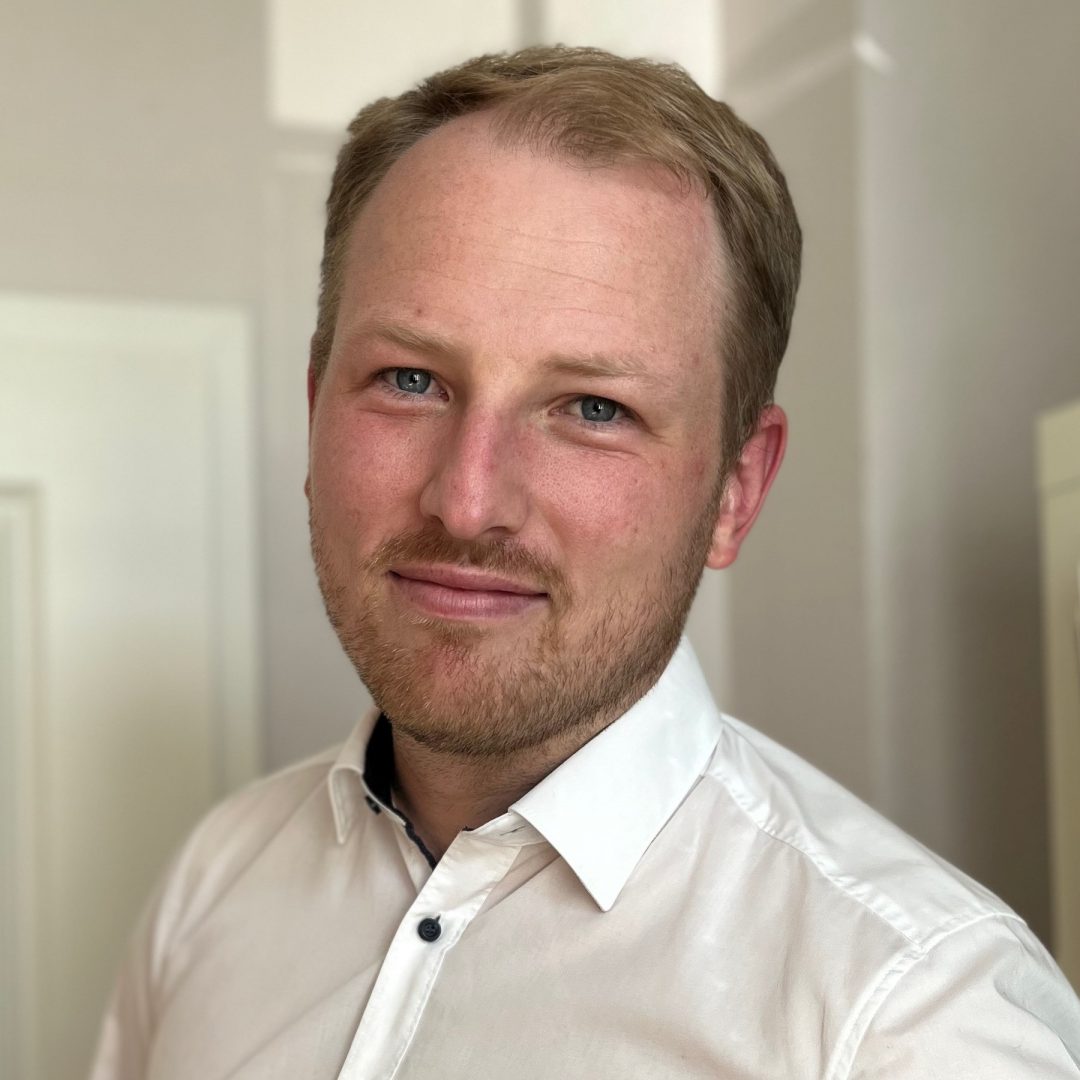
Keefer

Affiliation:  Max-Planck-Institute, Mainz

Keywords: Theoretical Chemistry, Quantum Molecular Dynamics, Ultrafast Spectroscopy, Quantum Optimal Control, Photochemistry, Quantum Computing.

Webpage

Orcid identifier

Full profile: Daniel Keefer studied and graduated at LMU Munich, obtaining his PhD in theoretical chemistry in 2019 with distinction and awards. He then moved to the United States to perform his postdoctoral studies at the University of California in Irvine, supported by a Feodor Lynen Research Fellowship of the Alexander von Humboldt foundation. In the group of Prof. Shaul Mukamel, he worked on the design and simulation of ultrafast X-ray spectroscopy for the probing of molecular photochemistry. Besides laying an excellent foundation for a scientific career, he explored the beautiful Californian nature, learned surfing and became a father, equally sharing care responsibilities with his wife.


In 2023, Daniel joined the Max-Planck-Institute for Polymer Research in Mainz, Germany to start his own research group. In the same year, Daniel was awarded the ERC Starting Grant “QuantXS”. His research utilizes a “Ménage à trois” of quantum molecular dynamics, ultrafast spectroscopy and quantum optimal control to push spectroscopic capabilities – specifically from X-ray free-electron laser sources – to new frontiers.

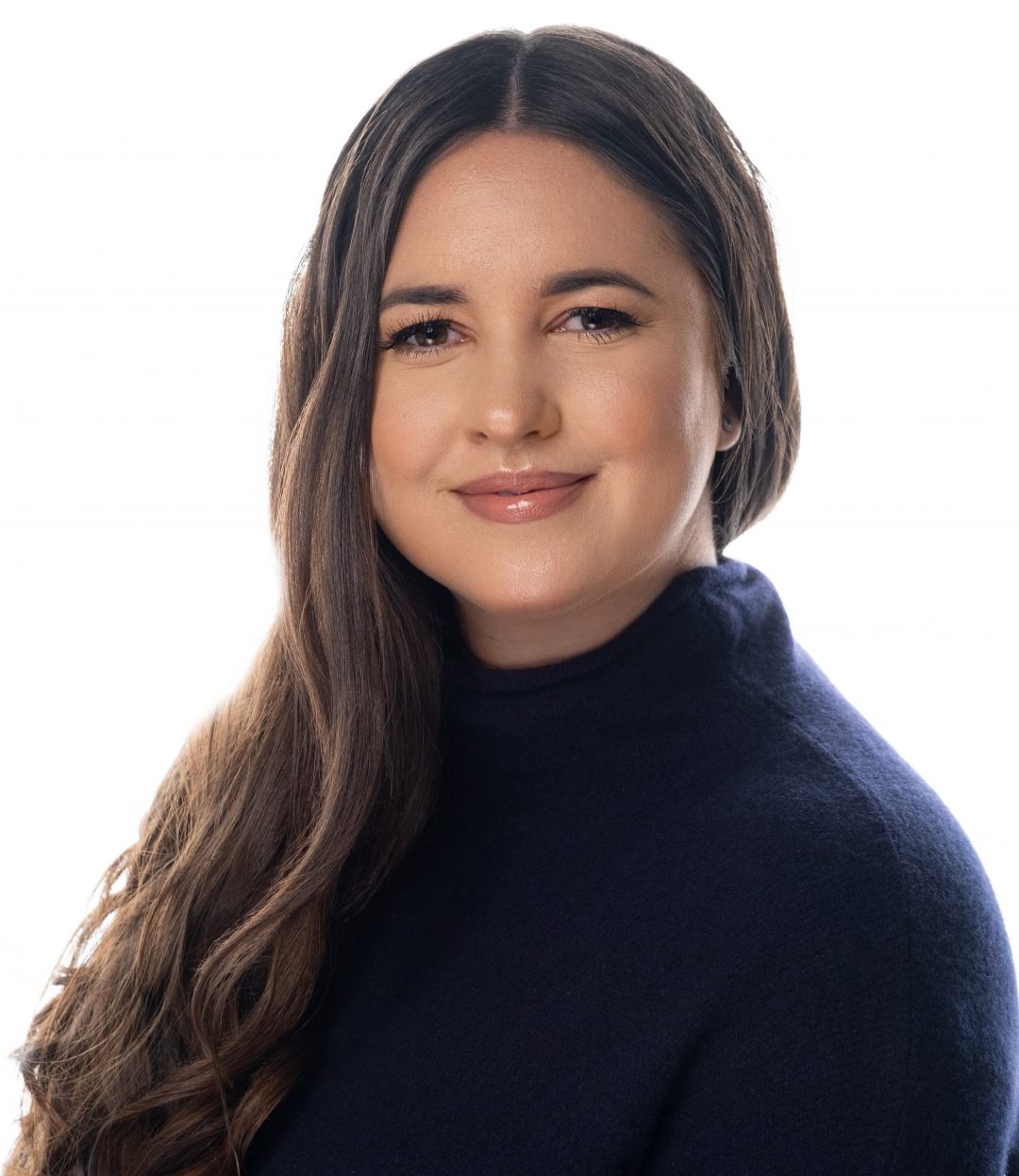
Gordon

Affiliation: University of Glasgow

Keywords: Bioethics, human enhancement, cognitive enhancement, love, trust, moral enhancement, emotional enhancement, philosophy of technology

Webpage

Orcid identifier

Full profile: Emma is a Lecturer in Applied Ethics in the Department of Philosophy at the University of Glasgow, and Director of Interdisciplinary Research Collaborations at the COGITO Epistemology Research Centre. Before this, she was a Research Fellow at COGITO, and at the Eidyn Research Centre (University of Edinburgh).

Her main research interests are in applied ethics (especially bioethics, medical ethics, and the philosophy of technology), normative ethics (moral psychology, trust, emotions, and wellbeing), and epistemology (understanding, social epistemology, assertion, and intellectual virtues). Her work is often interdisciplinary, combining philosophy with medicine and psychology (including counselling and psychotherapy).

Her monograph Human Enhancement and Well-Being: A Case for Optimism was released by Routledge in 2022.

First mental health webinar: “Navigating academic pressure: Strategies for self-care and well-being”

Image: https://cen.acs.org/careers/employment/How-to-cope-with-burnout/99/i25

Webinar Series on Mental Health in Academia

This years’ YAE webinar series focuses on mental health. In the competitive and demanding world of academia, pursuing knowledge and academic excellence often comes at a price – the mental well-being of academics. To address this crucial aspect of academic life, and break the stigma around mental health, we present a three-part webinar series dedicated to the mental health of early and mid-career researchers and academics.

The first webinar will be on Monday the 25th of March, from 14.00-15.00 CET, on Zoom. Sign up here:

Webinar 1: “Navigating academic pressure: Strategies for self-care and well-being”

25 March 14.00-15.00 CET (On Zoom)

This webinar explores strategies for we as individuals to thrive in academia without compromising our mental health. Two expert speakers will discuss (among other things) approaches to time management, setting boundaries, stress reduction techniques, and the importance of work-life balance, tailored to young academics’ unique challenges. It will also be an opportunity for attendees to share their own strategies. 

Bernadette Kun (Eötvös Loránd University, Hungary): Risk Factors of Work Addiction

The issue of work addiction can impact individuals across various professions, including academia. Personality traits, socio-demographic characteristics, motivations, organizational aspects of the workplace, and other factors may contribute to this phenomenon. All of these factors underscore the heightened susceptibility to work addiction among those employed in academia. The presentation will elaborate on these factors and also propose treatment options.

Darragh McCashin (Dublin City University, Ireland): Mental health in academia – what we know and what we can do.

There have been growing concerns over the sustainability of academic careers due to increasing mental health difficulties. This talk discusses the experience of the ReMO COST Action, with reference to how mental health has become a hot topic at individual, institutional, and policy levels. We will discuss what the evidence indicates, and what individuals can do to address this issue.

The video of the event is available here.

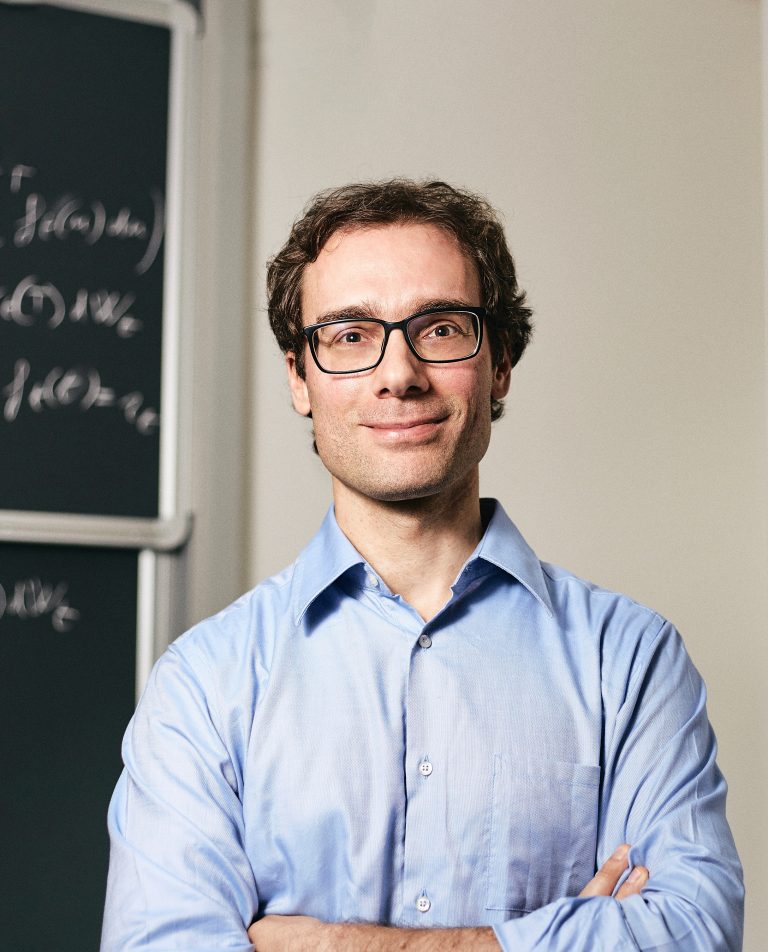
Liguori

Affiliation: The Institute of Photonic Sciences (ICFO), Castelldefels, Spain

Keywords: Ultrafast spectroscopy | Molecular Dynamics simulations | Conformational changes | Photosynthesis | Photobiology

Webpage

Orcid identifier

Full profile: Nicoletta is a physicist with experimental and computational experience in biomolecular physics, especially in photosynthesis. She graduated cum laude in physics at Università degli Studi Roma Tre (IT), after an MSc thesis in molecular dynamics (MD) simulations at UC Berkeley (US) in Head-Gordon’s group. For her Ph.D., she joined the group of Biophysics of Photosynthesis headed by R. Croce at the VU Amsterdam (NL). During her Ph.D., she combined ultrafast spectroscopy with MD simulations to investigate how photosynthetic antenna avoid photooxidation.

In 2018 she obtained a competitive national grant (VENI) from the Dutch Research Council (NWO), that allowed her to lead her independent research line at the VU Amsterdam. She developed a new spectroscopic tool able to probe in real time the role of the environment in modulating the spectroscopic properties of molecules.

In October 2022, Nicoletta was appointed Prof. and Group Leader at ICFO (ES), within the elite CELLEX NEST fellow program. The group that she leads, called “Photon Harvesting in Plants and Biomolecules” (PHPB), develops novel spectroscopic and computational tools to study the functional response of photoactive systems to changes in structure, light and environment. The PHPB is an international (IT, DE, IE, ES, CN, PL), fast-growing research group that in short time has already attracted several national and European funds and international talent: Nicoletta is PI on a La Caixa Junior Leader fellowship, an MSCA doctoral network on computational photosynthesis (101119442, PhotoCaM), a FLIGHT MSCA-COFUND to ICFO for a PhD project in collaboration with IRTA, a BIST-Ignite grant in collaboration with ICIQ and a RES grant for computational resources. The PHPB group has been awarded 2 MSCA Postdoctoral fellowships (2023 Call), a Juan de la Cierva, a Severo Ochoa MINECO and 2 SPIE student fellowships.

Nicoletta has a great passion for supporting the next generation of scientists and the outreach and dissemination of science. She was one of the chairs and organizers of international meetings such as: GRS Photosynthesis 2023, “Computational methods in Photosynthesis: from atoms to the mesoscale, from theory to experiment” 2021, “Jam session in photosynthesis: bridging the gap between experimental and theoretical spectroscopy” 2014, each meeting reflecting her drive to promote the benefits of combining   experimental and computational approaches in photosynthesis and biophysics.

Also, she was an invited speaker at outreach events for the future generation of researchers: ICFO-UNAM International School on the Frontiers of Light (Queretaro, MX, 2023), CARLA the Photonics Career Hub (2022, 2021), EU-funded eTwinning (2022), International Talent Event Amsterdam (2014). During her PhD she was Chair for iProVu: the organization representative of international PhD and Postdocs at the VU Amsterdam.

Lockwood

Affiliation: University of Birmingham

Keywords: Decision-making, learning, computational modelling, neuroimaging, social behaviour, psychiatric disorders, neurological disorders, development, ageing.

Webpage

Orcid identifier

Full profile: Dr Patricia Lockwood is a Professor of Decision Neuroscience, Sir Henry Dale Fellow, and Jacobs Foundation Research Fellow at the University of Birmingham, UK. She was previously a Junior Research Fellow at Christ Church and Somerville College, University of Oxford, and a Medical Research Council Fellow at the University of Birmingham, University of Oxford, and University of Zurich.

She holds a PhD in Psychology from University College London and a BSc in Psychology and Philosophy from the University of Bristol. Her lab investigates social learning and decision-making across the lifespan and in neurological and psychiatric disorders using a mixture of computational modelling, behavioural measures, self report, patient studies and neuroimaging.

She is passionate about using theories, findings and tools from psychology and neuroscience to develop new experimental paradigms that test how, when and why we help or fail to help other people. Her work has received multiple awards (S4SN Early Career Award, APS Award for Transformative Early Career Contributions), she is a Fellow of the Association for Psychological Science and a member of the Women of the Future Network. You can read more about the lab here: www.sdn-lab.org. You can read her blog “The Helpful Brain” at Psychology Today here: tinyurl.com/Helpful-Brain.

Fontana

Affiliation:  University of Padova, IT

Keywords: Mathematical finance, stochastic analysis, financial markets, probability.

Webpage

Orcid identifier

Full profile: Claudio Fontana is full professor of probability at the Department of Matheamtics of the University of Padova (Italy). He holds a Master of Advanced Studies in Finance (ETH and University of Zurich, 2010) and a PhD in Mathematics (University of Padova, 2012). His research interests are in the theory of stochastic processes and their applications in finance, in particular interest rate and credit risk modeling, enlargement of filtrations and the modeling of information, arbitrage theory. He has worked as a post-doctoral researcher at the University of Évry (France) and at INRIA Paris-Rocquencourt, as assistant professor at Paris VII University (2014-2018) and as scientific collaborator at École Polytechnique (2022-2023). He was awarded the Bruno de Finetti prize by the Accademia Nazionale dei Lincei (Rome, 2008), the AMASES award for the best paper (2010), the Nicola Bruti Liberati fellowship (UTS Sydney, 2016) and the Europlace prize for the best paper in finance (Paris, 2017). His research has been supported by CNRS, the Europlace Institute of Finance, a STARS grant from the University of Padova and a Marie Curie intra-European fellowship. In 2021 he has been elected Academic Fellow of the Louis Bachelier Institute. Together with E. Barucci, he is the author of the monograph “Financial Markets Theory: Equilibrium, Efficiency and Information” (Springer Finance, 2nd ed., 2017).

Hafner

Affiliation:  University of Graz

Keywords: 

Greek literature, collaborative authorship, anonymity, satire, rhetoric of consolation, cognitive theory, history of Classics

Webpage

Orcid identifier

Full profile:

Markus studied Classics, Philosophy and Education at LMU Munich, Germany, and the University of Athens, Greece. He received his doctorate in Munich in 2016 with a thesis on Lucian the satirist. After teaching and research activities at the University of Heidelberg and the Humboldt University of Berlin, he became Alexander von Humboldt Fellow at the University of North Carolina at Chapel Hill, USA, in 2018/2019. Since then, Markus has been Lecturer, Assistant Professor and, since 2023, Associate Professor of Classics specializing in Greek literature at the University of
Graz, Austria.


In the years 2024-2028, Markus is PI in a research group as part of an ERC project that deals with questions of anonymous authorship in ancient literature. His research interests include the bilingual Graeco-Roman educational culture and rhetoric of the first centuries CE, e.g. satire and consolation literature, the history of Classics, especially in the 20th century, and concepts of authorship in ancient literature, including forms of anonymity, author fictions, and gender aspects. He is also interested in forms of collective creativity and cognition.

Bukov

Affiliation:  Max Planck Institute for the Physics of Complex Systems

Keywords: Out-of-equilibrium dynamics, quantum many-body dynamics, quantum simulation, quantum control, machine learning for quantum technologies, optimization landscapes

Webpage

Orcid identifier

Full profile: 

Following his undergraduate studies at the Ludwig Maximilians University of Munich, Marin obtained a PhD in physics from Boston University in 2017. He then joined UC Berkeley’s Condensed Matter Theory Center as a Gordon and Betty Moore postdoctoral fellow. After a short stay at Sofia University as a Marie Sklodowska-Curie fellow, he is now a research group leader at the Max Planck Institute for the Physics of Complex Systems in Dresden, Germany.

His group works on various aspects of out-of-equilibrium dynamics, including quantum engineering, thermalization and equilibration, and control of interacting few and many-body systems. Together with his students and postdocs, he develops analytical theories and numerical approaches to understand the bizarre behavior of collective phenomena away from equilibrium. He has made significant contributions to the field of periodically driven systems and optimal control, and has pioneering applications of reinforcement learning in quantum physics. Marin is also a co-developer of the open-source Python package for quantum many-body systems — QuSpin (https://quspin.github.io/QuSpin/) — a widely used tool to investigate the dynamics of quantum many-body systems.

Marin is a recipient of several prestigious awards, including the DAAD Prize ‘for the outstanding achievements of a foreign student at German universities’, the Gertrude and Maurice Goldhaber Prize, the Alvaro Roccaro Memorial Prize ‘in recognition of outstanding achievement overall in physics by a graduate student’, and the John V. Atanasoff President Award ‘for outstanding contributions to the field of artificial intelligence applied to quantum technologies’. He is a holder of a VIHREN grant (2020) and an ERC Starting Grant (2023). He serves as an editorial board member of the journal Communications Physics (Nature) and as a reviewer for prestigious journals and scientific panels across the world.

Criado

Affiliation:  Universidade da Coruña

Keywords: Graphene; Polycyclic aromatic hydrocarbons; 2D Materials, Carbon Nanotubes; Functionalization; Organic synthesis; Tailored properties; Biomedical applications; Biosensing, Graphene FET.

Webpage

Orcid identifier

Full profile: 

Dr Alejandro Criado received his Ph.D. in Organic Chemistry (2013) at the University of Santiago de Compostela (Spain). From 2013 to 2020, he conducted postdoctoral research at the University of Trieste and CICbiomaGUNE research center. In 2021, he started his independent research career as Distinguished Researcher at CICA – Interdisciplinary Center of Chemistry and Biology at Universidade da Coruña, co-leading NanoSelf group. Currently, he is a Ramon y Cajal Assistant Professor at Chemistry Department at Universidade da Coruña. His research interests focus on the new methods for modifying low-dimensional materials to tailor their properties, along with the development of graphene-based sensors.
In summary, his research has had a major impact on the field, contributing with new synthetic procedures to prepare particular aromatic structures, novel methodologies to modify CNMs and related nanomaterials, and outstanding devices to detect several biomarkers.