Felipe Cava

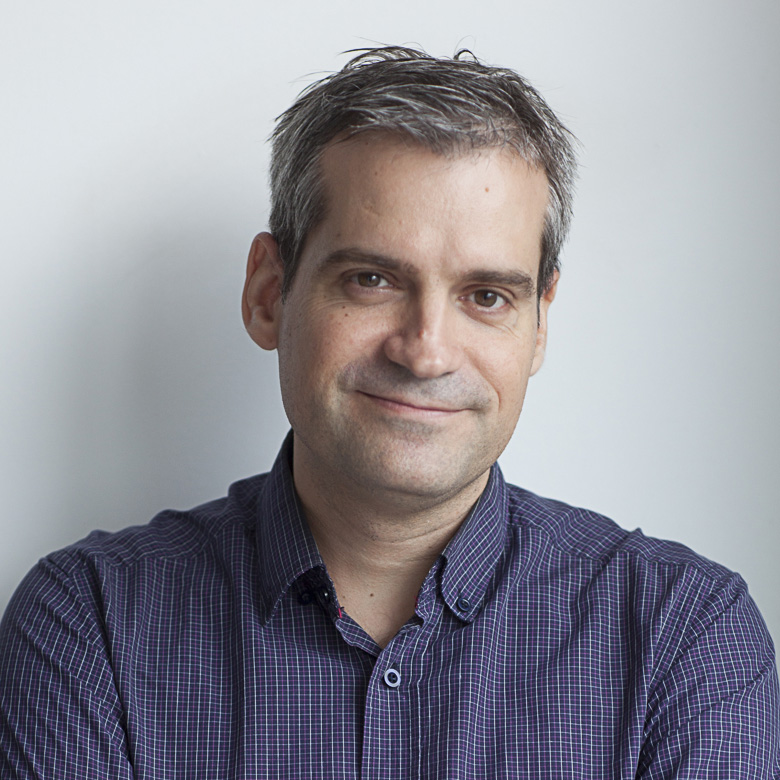
Felipe Cava
Affiliation: Umeå University, SE

Keywords: Bacterial cell biology, molecular biology, biochemistry and genetics, infection biology, systems biology and bioinformatics, development of novel antimicrobial therapies, Next generation sequencing technologies

Webpage

ID_symbol_B-W_128x128

Full profile:

Felipe Cava is MIMS group leader and Wallenberg Academy Fellows at Umeå University, two of the most prestigious long-term programme for young researchers in Sweden.

My lab in Umeå University/MIMS-UCMR aims at deciphering new knowledge on one of the major “Achilles heels” of bacteria – their cell wall – both to provide answers to scientific fundamental questions and to improve our options to combat long-standing and emerging infectious diseases. We use an arsenal of advanced analytical technologies and cell imaging tools (optical, fluorescence and correlative SEM-FL microscopy, MATLAB and ImageJ based image analysis), combined with genetics and next generation sequencing technologies (including RNA-seq, Tn-seq), biochemistry, bioinformatics (MATLAB and R based-chemometrics) and molecular biology to study how bacteria regulate their cell wall to adapt to (and infect) the host in some of the most relevant bacterial models.

To approach this, we have launched an integrative research program to uncover and exploit the unnoticed variability of the bacterial cell wall. This investigation is imperative for a realistic understanding of cell wall biology in nature, in particular its role in environmental adaptation and signalling. Moreover, this research might lead to the discovery of new metabolic and regulatory pathways with great potential in the development of new species-specific antimicrobials therapies.

This is the first time that a project of such magnitude has been actually launched in the cell wall research field, and therefore has generated immediate collaborative networks amongst fairly unconnected disciplines in life sciences, both in academia and in the public health field.
Cosma

Cosma Maria Pia
Affiliation: Centre for Genomic Regulation, Barcelona, ES

Keywords: Reprogramming and Regeneration

Webpage

ID_symbol_B-W_128x128

Full profile:

In our group, we are investigating the mechanisms controlling the reprogramming of somatic cells, and our final goal is to determine if this reprogramming contributes to tissue regeneration in higher vertebrates.

Differentiation from zygotes has been considered as a unidirectional route in all cells of the body. Recently, however, it has become clear that the reverse path is also possible: the reprogramming of somatic nuclei, i.e. the de-differentiation of somatic cells into pluripotent stem-like cells. To date, reprogramming has been induced in vitro by transferring somatic nuclei into enucleated oocytes, by fusing embryonic stem cells (ESCs) with somatic cells, and by transferring specific factors into different types of somatic cell.

Whether reprogramming can occur in vivo in higher vertebrates and what the molecular mechanisms and genes driving reprogramming are remain to be defined. We have recently shown that activation of the Wnt/β-catenin signalling pathway enhances reprogramming of somatic cells after their fusion with ESCs. Remarkably, the activation of this signalling pathway also controls regeneration in response to damage in lower and higher vertebrates; furthermore, cell fusion is one possible mechanism of regeneration in vertebrates. Our main goal is to determine whether in mice activation of Wnt/β-catenin signalling controls tissue regeneration by enhancing cell-fusion-mediated reprogramming.

Doeller

Christian Doeller
Affiliation: Radboud University Nijmegen, NL


Keywords: Neuroscience


Webpage


Full profile:
In our research group, we leverage modern neuroimaging techniques such as functional magnetic resonance imaging (fMRI) and magnetoencephalography (MEG) to investigate brain systems that support transformation of experience into enduring memories. We seek to understand how mnemonic networks help us to map and navigate our geographical and memory landscapes and to assemble our rich inventory of knowledge.

Elsner

Martin Elsner
Affiliation: Helmholtz Zentrum München, DE


Keywords:


Webpage


Full profile:

Forstmann

Birte Forstmann
Affiliation: University of Amsterdam, LS

Keywords:

Webpage

ID_symbol_B-W_128x1280000-0002-1005-1675

Full profile:
Our general research goal is to understand the brain mechanisms that allow people to adapt quickly to changes in their environment. Our work combines mathematical modeling with functional magnetic resonance imaging (fMRI), diffusion weighted imaging (DWI), ultra-high resolution 7T MRI, electroencephalography (EEG), and postmortem work. Our general research strategy capitalizes on individual differences in psychological processes involved in decision-making and interference control. Process models and descriptive models quantify the process of interest for each individual separately, and structural and functional brain imaging techniques subsequently relate inter-individual variation in psychological processes to inter-individual variation in the neural substrate.

Frieler

Katja Frieler
Affiliation: Potsdam Institute for Climat Impact, DE

Keywords:

Webpage

ID_symbol_B-W_128x1280000-0003-4869-3013

Full profile:
Development of impact functions that allow for probabilistic projections of regional climate changes in the occurrence of extreme events in terms of global mean temperature change (see PRIMAP)

Gabaldon


Affiliation: Centre for Genomic Regulation, Barcelona, ES


Keywords:


Webpage


Full profile:
I’m biochemist and molecular biologist by training (Universities of Valencia and Mainz). After several years working on a molecular biology lab, and attracted by the emerging fields of genomics and bioinformatics, I moved to the comparative genomics group of Martijn Huynen in 2001 (NCMLS), NL). In 2005, I obtained a PhD in the Medical Sciences (Radbout University Nijmegen), and then moved to the bioinformatics department at CIPF (Valencia). In September 2008 I started my own group at CRG. I have always used an evolutionary perspective to address different biological questions. I am not only interested in understanding how complex biological systems work, but also how they have came to be as they are.

Gazzola

Valeria Gazzola
Affiliation: University of Amsterdam, NL

Keywords: Cognitive Psychology, Neuropsychology, Cognitive Science

Webpage

ID_symbol_B-W_128x1280000-0003-0324-0619

Full profile:

Hapfelmeier

Siegfried Hapfelmeier
Affiliation: University of Bern, CH


Keywords:


Webpage


Full profile:
“Good” and “bad” gut bacteria – the notion of how much both influence human health has marked a new era of Microbiology.

The intestine gives home to trillions of friendly bacteria and battles disease-causing bacteria. The intestinal immune system reacts to all species that inhabit us. Millions of years of co-evolution formed it to become a learning bio-containment system that allows the disease-free coexistence with the broadest possible diversity of microbes. Our human-microbial health depends on it.

Our beneficial bacterial “partners” and disease-causing pathogens require entirely different treatments. We would like to better understand which bacterial features and behaviors tell the immune system what to do.

Marc Himmelbach

Marc Himmelbach
Affiliation: University of Tübingen, DE


Keywords:


Webpage


Full profile:
The Research Group “Neuropsychology of Action” is dedicated to investigations of human action control. We study clinical impairments of action control and their neural substrates in patients with brain damage due to stroke or neurodegenerative diseases. Through the observation of typical characteristics of their diseases and their participation in our experimental behavioural studies, these patients help us to understand not only the particular consequences of disorders of the sensory and motor systems but also to draw conclusions on the normal functioning of the intact systems in healthy humans. Our work with the patients motivates functional neuroimaging studies that explore the neuronal foundations of human motor behaviour. We are particularly interested in the cortical systems of reach-to-grasp movements, tool use and tool evaluation, and sensorimotor functions and networks of the human tectum.