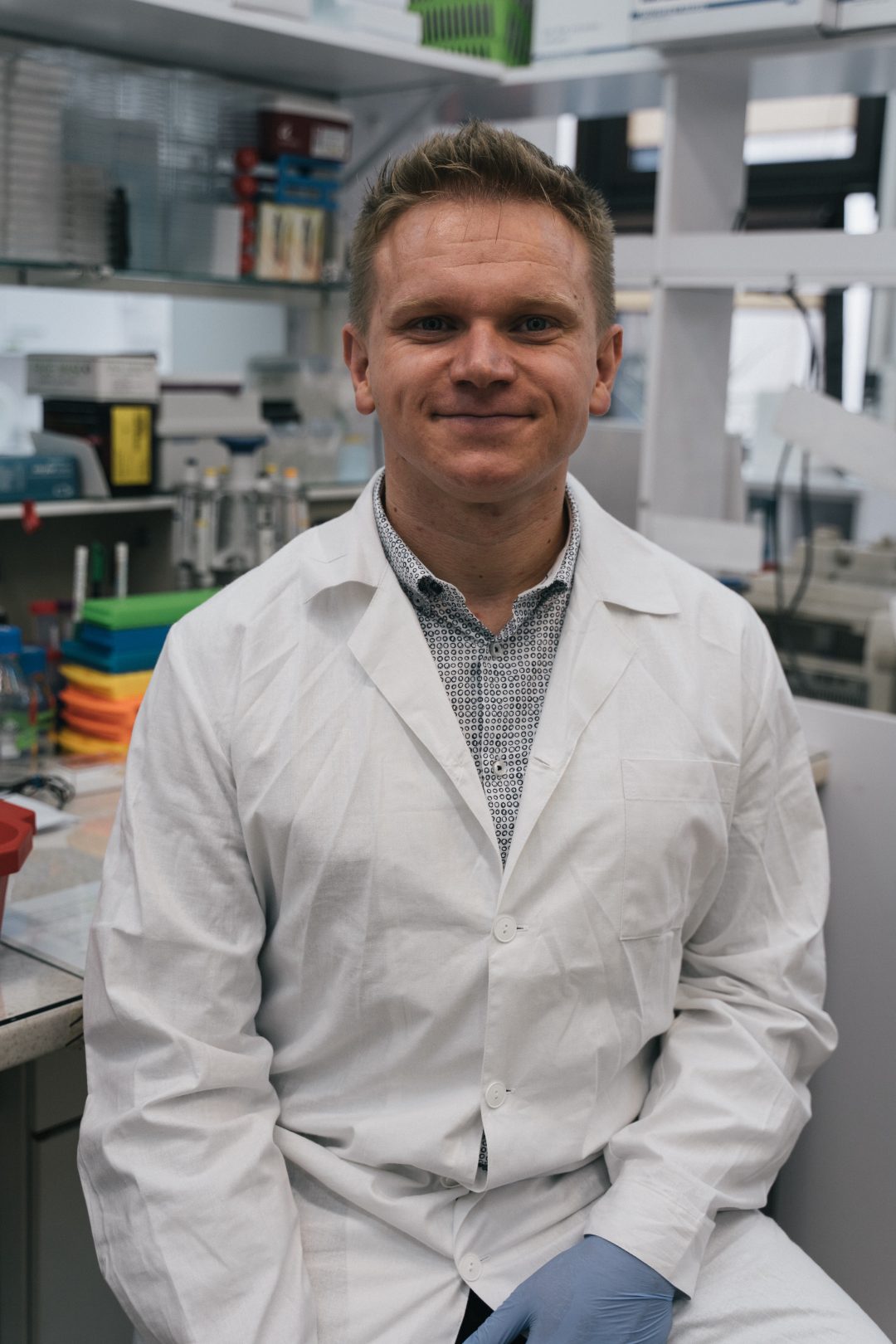
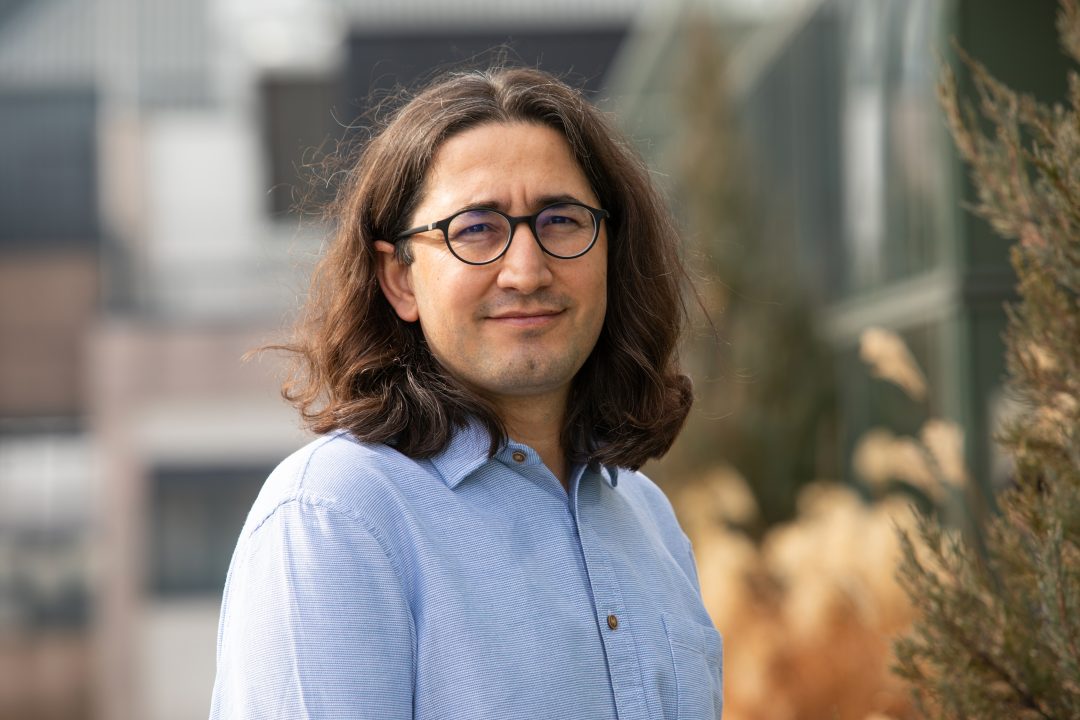
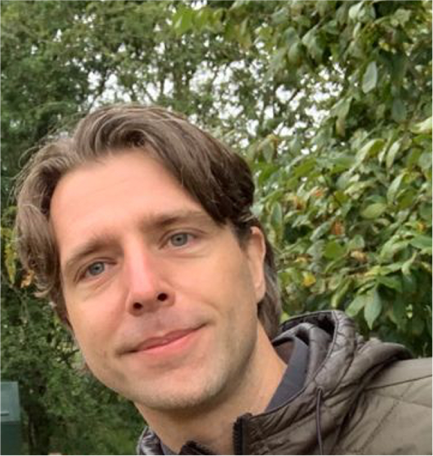
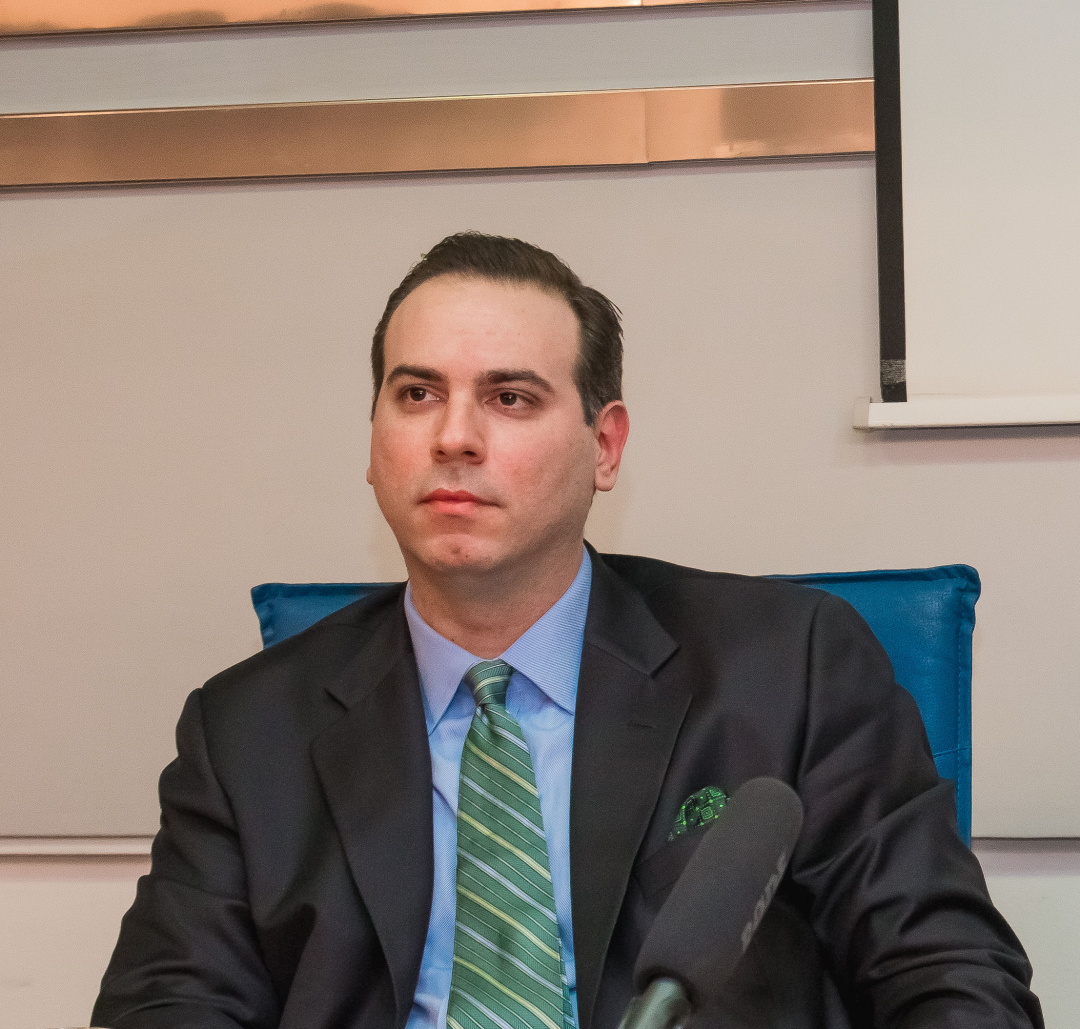
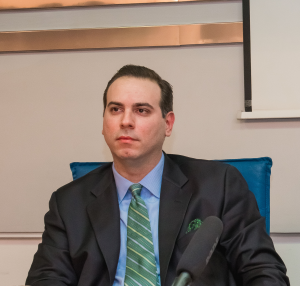
Dr Pawel Zmora graduated biotechnology at the Poznan University of Life Sciences, Poznan, Poland in 2010, and in 2016 defended with honours his doctoral dissertation in the field of emerging infectious diseases (influenza, SARS-CoV, MERS-CoV) at the Georg-August University of Gӧttingen. Germany. He gained his scientific experience in Germany (German Primate Center – Leibniz Institute for Primate Research, Gӧttingen and Max Planck Institute for Dynamics of Complex Technical Systems, Magdeburg), Ireland (National University of Ireland, Galway) and Poland (Poznan University of Life Sciences, Poznan). Currently, dr Zmora is the Head of the Department of Molecular Virology at the Institute of Bioorganic Chemistry Polish Academy of Sciences, Poznan, Poland, and the principal investigator in two grants funded by the National Science Centre, which focus on the virus-host cell interactions and new antiviral strategies against COVID-19 and influenza. He is an author of 25 research publications and 1 international patent in the field of microbiology, virology, and molecular biology, which were cited 1135 times, with H-index 16. His research interests include emerging viruses (influenza virus, SARS-CoV-1, SARS-CoV-2 and MERS-CoV), virus-host cell interactions, new antiviral drugs, diagnostics of infectious diseases and vaccines bioprocess engineering. Dr Zmora was decorated with Silver Cross of Merit by the President of Poland for his scientific achievements and participation in the development of the first Polish genetic test detecting the SARS-CoV-2. Recently, dr Pawel Zmora was awarded with The Visegrad Group Academies Young Researcher Award 2021 for his achievements in the field of virology
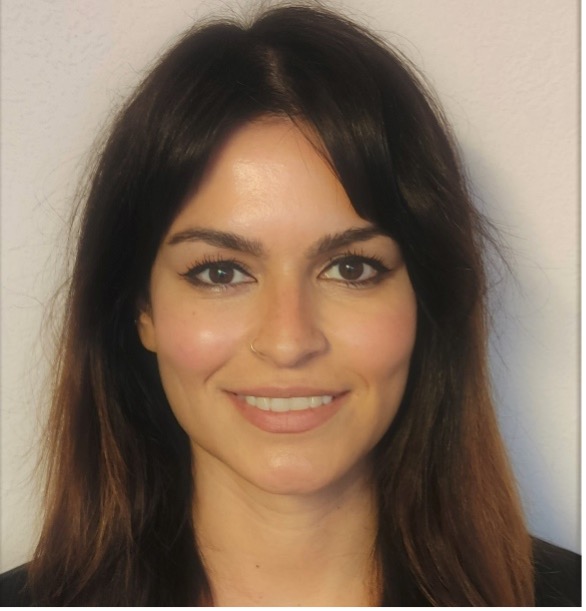
Dr. Eider M. Arenaza-Urquijo is Team Leader at Barcelonabeta Brain Research Center (Barcelona, Spain) and Research Associate at ISGlobal (Barcelona, Spain). She is currently an investigator of the National Ramón y Cajal Programme (Spain). Arenaza-Urquijo obtained her PhD at University of Barcelona (2009-13) and worked several years in the the National Institute of Research in France (INSERM, 2011, 2013-2017). She was Visiting Researcher at the University of California, Berkeley, US, (2015-16) and Research Fellow and collaborator at Mayo Clinic, Rochester, Minnesota, US (2018-).
Dr. Arenaza-Urquijo has extensive experience working about cognitive reserve and brain resilience with multimodal neuroimaging and with a focus on lifestyles and mental health. She is ranked #3 cognitive reserve expert in Europe and #10 worlwide (expertscape). Dr. Arenaza-Urquijo is the Vice Chair of the Professional Area of Interest “Reserve, Resilience and protective factors” of the Alzheimer’s association and Co-Chair of the ADDRESS Group! to investigate resilience differences by gender and ethnicity. She currently leads several projects focusing on the effects of lifestyle and mental health variables on brain health in aging and Alzheimer’s disease and successful aging. Her previous studies support that modifiable factors including cognitive activities, exercise and stress play a role in the development of Alzheimer’s pathologies and in brain resilience. Finally, her recent work identified resilience brain signatures that combined with Alzheimer’s disease imaging biomarkers, improve clinical prognosis in older adults.
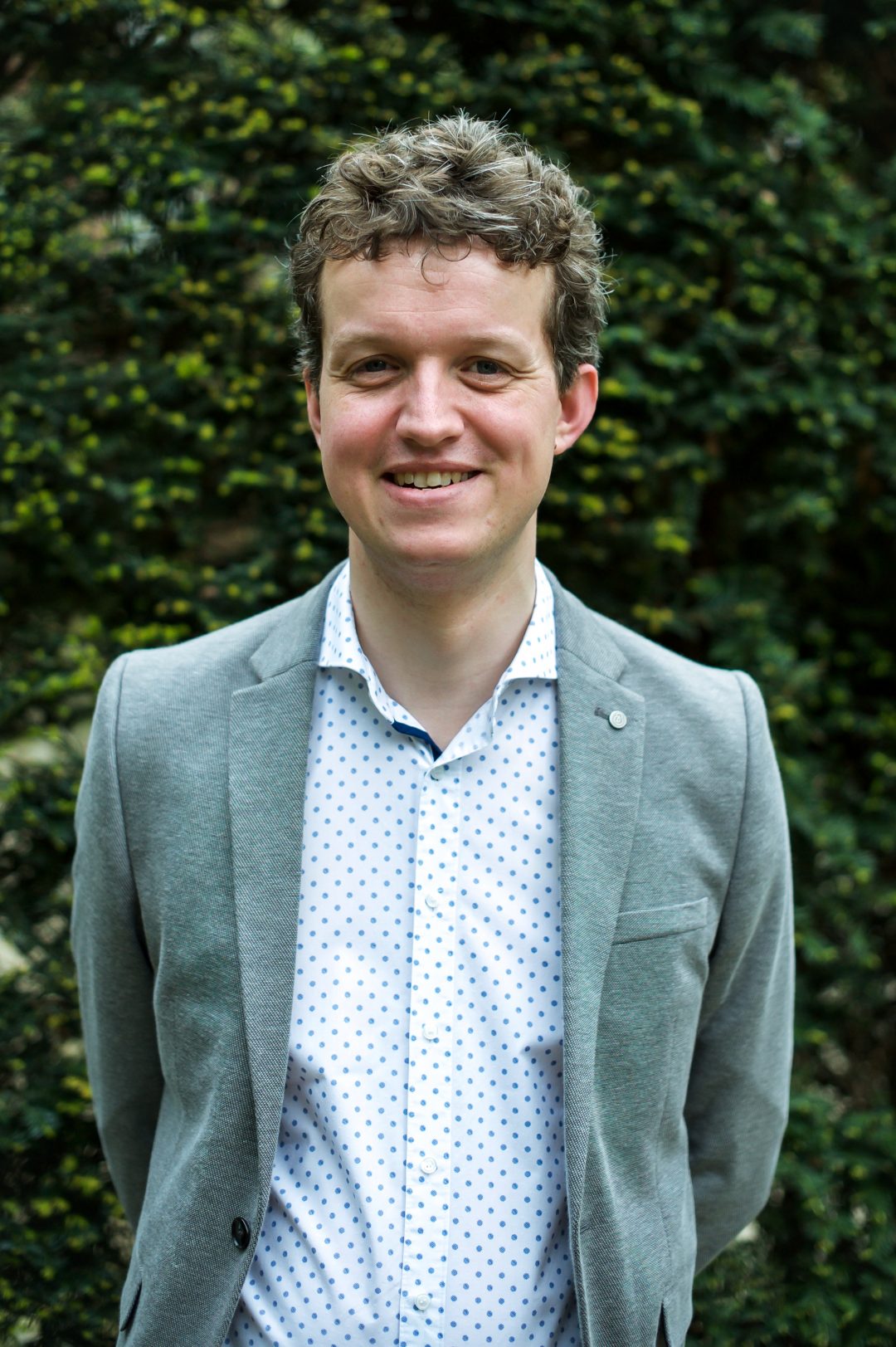
Jan De Graaf obtained his MA in History from Utrecht University in 2009. He was awarded a PhD from the University of Portsmouth in 2015 for a comparative history of the Czechoslovak, French, Italian, and Polish socialist parties and the problems of socio-economic and political reconstruction after 1945. In the same year, he joined the KU Leuven with the prestigious postdoctoral fellowship of the Research Foundation – Flanders (FWO) to work on a research project on wildcat strikes as a pan-European phenomenon between 1945 and 1953. In 2019, he was granted the Sofja Kovalevskaja Award of the Alexander von Humboldt Stiftung and joined the Institute for Social Movements of the Ruhr-Universität Bochum as a Junior Professor of European History. With the award funds, he set up his own independent research group that studies social cohesion and social mobility in post-war Europe in East-West comparison.
His research revolves around the reconceptualization of post-war European history by looking across the Iron Curtain that often still exists in scholarship. In doing so, he has not only been able to identify groundbreaking parallels across and divergences within East and West, but also to shed fresh light on what united societies under communism and capitalism. His research interests include questions of democracy, social conflict, and the quest for societal consensus.
Monica Morales-Masis is Associate Professor at the University of Twente, The Netherlands which she joined in 2018. From 2013 to 2018 she was team leader of the transparent conductive oxide (TCO) group at the Photovoltaics and Thin-Film Electronics Laboratory (PVLab) of the Ecole Polytechnique Federale de Lausanne (EPFL), Switzerland. She obtained her Ph.D. in Physics from Leiden University in 2012. Currently, her group focuses on the development and understanding of novel thin film materials with functional optical and electrical properties for optoelectronic devices, including solar cells. Her current research program is financed by the NWO StartUp grant, SOLAR ERA NET program and the European Research Council (ERC) Starting Grant.
Monica is member of the Young Academy of the University of Twente (YA@UT) and since June 2022 also active at the Young Academy of Europe (YAE). Monica has given several invited talks at conferences such as the Materials Research Society (MRS), European MRS (EMRS), the Materials Research Society of Japan (MRS-J), SPIE and ACS meetings. In addition to technical conferences, Monica delivered an invited presentation at a TEDx event in Costa Rica in 2015, and she is currently very active in outreach activities to promote diversity and equality in science in Costa Rica and Latin-America.
Yasin Dagdas studied Biotechnology at the Middle East Technical University in Ankara, Turkey. In 2009, he moved to the UK to join the lab of Nicholas Talbot for his PhD at University of Exeter. There, he studied the role of cellular morphogenesis in the pathogenicity of the rice blast fungus. Yasin then did a postdoc with Sophien Kamoun from 2013-2016 at The Sainsbury Laboratory in Norwich, where together with his colleagues, he discovered subversion of autophagy by a plant pathogen. In 2017, he established his own group at the Gregor Mendel Institute in Vienna. Research in his lab focusses on autophagy-mediated cellular quality control mechanisms.
Klaas-Jan Tielrooij is the leader of the Ultrafast Dynamics in Nanoscale Systems group at ICN2 in Spain. The group was established in 2018 and has the goal to understand and exploit ultrafast processes at the nanoscale. Using home-built experimental microscopy techniques with femtosecond temporal and nanometer spatial accuracy, the group is currently focusing on the fundamental understanding of transport and dynamics of different degrees of freedom, including charge, vibration and heat, in 2D and 1D systems, and on the development of concepts for thermal management, photodetection and terahertz technologies.
After obtaining his PhD from the University of Amsterdam in 2010, for which he was awarded the nation-wide FOM Physics Thesis Prize 2011, Klaas-Jan became postdoctoral researcher and later research fellow at ICFO – the Institute of Photonic Sciences, in Spain. In 2015, he was a guest researcher at the Max Planck Institute for Polymer Research in Germany, and was later awarded a Visiting Professorship at the Johannes Gutenberg University in Germany. He is the recipient of competitive personal grants, including an ERC Starting Grant (E.U.), ERC Proof of Concept Grant (E.U.), a Ramón y Cajal fellowship (Spain), a Young Investigator grant (Spain), and an NWO Rubicon grant (the Netherlands). Besides Physics, he also hold degrees in Innovation Management (from Chalmers University, Sweden) and Economics (University of London, London School of Economics, UK), and has a keen interest in science and technology policies.
Sandra Camarero-Espinosa is a Young PI and Ikerbasque Research Fellow at the Basque Centre for Macromolecular Design and Engineering POLYMAT where she leads the BioSmarTE research team. Sandra’s research interests revolve around the regeneration of complex tissues, through the design and exploitation of functional smart scaffolds. The use of materials that can be actuated remotely and allow to control the applied stimuli to surrounding cells is one of the approaches used to target tissue regeneration. Further, the design of hierarchical biomaterials whose properties can be tuned mimicking nature and, the study of the effect of these ones on cell fate and matrix deposition are key to her research.
Dr. Camarero-Espinosa developed her PhD studies at the Adolphe Merkle Institute (Fribourg, CH) and obtained her degree in Polymer Chemistry and Bioengineering in 2015. She was recognized with an award for an outstanding PhD thesis by the Swiss Chemical Society. After gaining an early post-doctoral fellowship from the Swiss National Science Foundation, in 2015 she moved to Brisbane (Australia) to work at the Australian Institute for Bioengineering and Nanotechnology where she continued her research in instructive biomaterials scaffolds and their interaction with stem cells. She then joined in 2017 the MERLN institute at Maastricht University (The Netherlands) where she focused her studies on the fabrication of additive manufactured/3D printed scaffolds for the regeneration of complex tissues and the development of actuating scaffolds. In 2020 Sandra joined the POLYMAT as an EMAKIKER and The University of the Basque Country as Marie Sklowdoska-Curie fellow to develop her research in stimuli-responsive scaffolds for the regeneration of the osteochondral interface.
Dr. Filip Ivanović was born in Podgorica (Montenegro) in 1986. He obtained BA and MA degrees from the Department of Philosophy of the University of Bologna, and a PhD from the Department of Philosophy and Religious Studies of the Norwegian University of Science and Technology at Trondheim. Dr. Ivanović also holds a Postgraduate Diploma in Diplomatic Practice from the United Nations Institute for Training and Research.
He held research and/or teaching positions at University of Donja Gorica, University of Montenegro, University of Leuven, Van Leer Institute in Jerusalem, Aarhus University and Norwegian Institute at Athens. Currently he is Assistant Research Professor at the Institute of Advanced Studies of the University of Montenegro.
Since March 2021 he is Visiting Professor at the Center for the Interdisciplinary Study of History of Ideas (CRISI) at the Vita-Salute San Raffaele University in Milan. He was Visiting Professor at the University of North Bengal (India), and gave a number of invited lectures, speeches, and talks in Podgorica, Belgrade, Bratislava, Minsk, and Paris.
Dr. Ivanović is the founder and director of the Center for Hellenic Studies in Podgorica, and editor in chief of the academic journal Akropolis: Journal of Hellenic Studies, as well as member of editorial boards of Giornale critico della storia delle idee, Serbian Studies and Society & Power.
He is expert evaluator for the European Commission, member of the College of Research Associates of the European Science Foundation, expert for the accreditation of study programs at the Agency for Control and Quality Assurance of Higher Education of Montenegro, and member of the Committee for Philosophy and Sociology of the Montenegrin Academy of Sciences and Arts.
Dr. Ivanović participated at over 30 international conferences and symposia in UK, Italy, Russia, Israel, Greece, Spain, Portugal, Sweden, Argentina, etc. He is the author of a number of monographs, articles in scholarly journals and chapters in edited volumes.
He is also member of several professional and academic organizations, including Royal Historical Society (as fellow), Center for Young Scholars and Artists of the Montenegrin Academy of Sciences and Arts, Société Internationale pour l’Étude de la Philosophie Médiévale, American Philosophical Association, Society for the Promotion of Byzantine Studies, North American Patristic Society, and International Society for Neoplatonic Studies.
Her research is in epistemology (epistemic norms, social epistemology, knowledge first epistemology), philosophy of language (assertion, conceptual engineering, contextualism), moral & political philosophy (wellbeing, blame, trust, climate justice, distributive justice, voting, media ethics), and feminist philosophy (epistemic injustice, gender concepts).
She is the author of two monographs – ‘Shifty Speech and Independent Thought;‘ (Oxford University Press 2021) and ‘Sharing Knowledge‘ (Cambridge University Press, 2021, with Christoph Kelp) and several articles in highly prestigious journals such Nous, Journal of Philosophy, and Philosophy and Phenomenological Research, as well as a co-editor of Reasons, Justification, and Defeat (Oxford University Press 2021, with Jessica Brown).
Nicolò holds a tenure-track professorship and is the head of the ‘Ultrafast Nanophotonics and Advanced Functional Materials’ Group at the Department of Physics, Umeå University (Sweden) supported by the Swedish Research Council, the European Innovation Council, the Faculty of Science and Technology and the Kempe Foundations. He is also a visiting researcher and group leader at the Department of Physics and Materials Science, University of Luxembourg, leading a research team working on the FNR CORE Project ‘Ultrafast coherent hybridization of photons and spins in multi-functional magnetoplasmonic metamaterials’ and the European H2020 FET-Open Project ‘Ultrafast Raman Technologies for Protein Identification and Sequencing’. Author of more than 50 scientific papers in renowned international journals (including Physical Review Letters, Nature Communications, Advanced Optical Materials and Nano Letters) and co-author of an international patent on metamaterials for nanophotonic applications, with more than 100 contributions at international conferences, international symposia, and colloquia, some of them as invited speaker.
Nicolò studied Physics at the University of Ferrara in Italy and he earned his Ph.D. title in Physics of Nanostructures and Advanced Materials (grade: outstanding cum laude) from the University of the Basque Country and CIC nanoGUNE (Spain) in 2016, where he worked on the optical properties of nanostructured magnetic materials. In 2015, he received the “Piero Brovetto” Award from the Italian Physical Society for “his contributions in the fields of nanomagnetism and nanooptics and the study of the physical properties of magnetoplasmonic nanoantennas and their application in bio-sensing”. In 2014 he was Visiting Scientist at the Department of Applied Physics at Aalto School of Science (Espoo, Finland) and in 2015 he was Visiting Scientist at Chalmers University of Technology in Gothenburg (Sweden).
From 2017 to 2018, he was Research Associate at the Italian Institute of Technology in Genoa (Italy), working on the development of plasmonic nanostructures for controlling fundamental light-matter interactions, such as absorption and scattering of light, at the nanoscale. Concurrently he contributed to the design and development of plasmonic nanostructures for single protein sequencing through fluorescence and energy transfer mechanisms enhancement, as well as for cell’s membrane and nucleus investigations through surface enhanced spectroscopy.
From 2019 to 2021, he was a Junior Group Leader At the University of Luxembourg, where he led a research line focusing on ultrafast phenomena in magnetoplasmonic nanostructures, and on developing an ultrafast magneto-optical pump-probe spectroscopy setup working in different configurations (e.g., Faraday effect, polar and longitudinal Kerr effect, etc) in a broad spectral range (from visible to mid infrared) and based on the use of few-optical cycle light pulses. In 2019 he was also Visiting Scientist in the Group of Prof. Alfred Leitenstorfer at Konstanz University.
In 2021, he was awarded a prestigious Starting Grant from the Swedish Research Council aiming at studying nonthermal charge and spin dynamics in magnetoplasmonic nanostructures with sub-10 fs time resolution, and a Horizon Europe EIC-Pathfinder Project aiming at studying molecular structure by using advanced computational tools and ultrafast spectroscopy techniques together with international partners from Germany, Italy, France, Luxembourg and Sweden. Until now, he was able to collect more than 2.5 M€ to fund his own research as Principal Investigator in Luxembourg and Sweden.
Nicolò has also experience in the publishing industry since he was Early Career Member of Nano Letters Editorial Board (a journal of the American Chemical Society) from 2018 to 2021. Currently, he is Associate Editor of the journal ‘Advanced Photonics Nexus’ (published by SPIE and Chinese Laser Press) and Young Editorial Board Member of the journal ‘Ultrafast Science’, a Science partner journal published by the Chinese Academy of Sciences and distributed by the American Associations for Advances in Science.
Finally, Nicolò is a certified Research Integrity trainer in the framework of the European Project VIRT2UE, aiming to provide the knowledge and skills to conduct virtue-based ethical research and to foster reflection on scientific virtues in researchers, in line with the European Code of Conduct for Research Integrity.
Research interests:
Nicolò’s research span a broad range of fundamental and applied aspects of natural sciences, with a special focus on both the fundamental and applied aspects of light-matter interactions in advanced and multifunctional nano- and meta-materials for opto-electronics and information processing, photochemistry and biotechnology, by using frequency- and time-resolved (magneto-)optical spectroscopy, finite-element computational methods and bottom-up/top-down nanofabrication techniques (for a brief introduction on nano- and meta-materials, you can see his TEDx talk entitled Metamaterials matter: smart material of future)