Wilhelm

Affiliation: Biological Research Centre, Szeged, Hungary.

Keywords: Neurovascular unit, blood-brain barrier, neuroinflammation, aging,
brain metastasis

Webpage

Orcid identifier

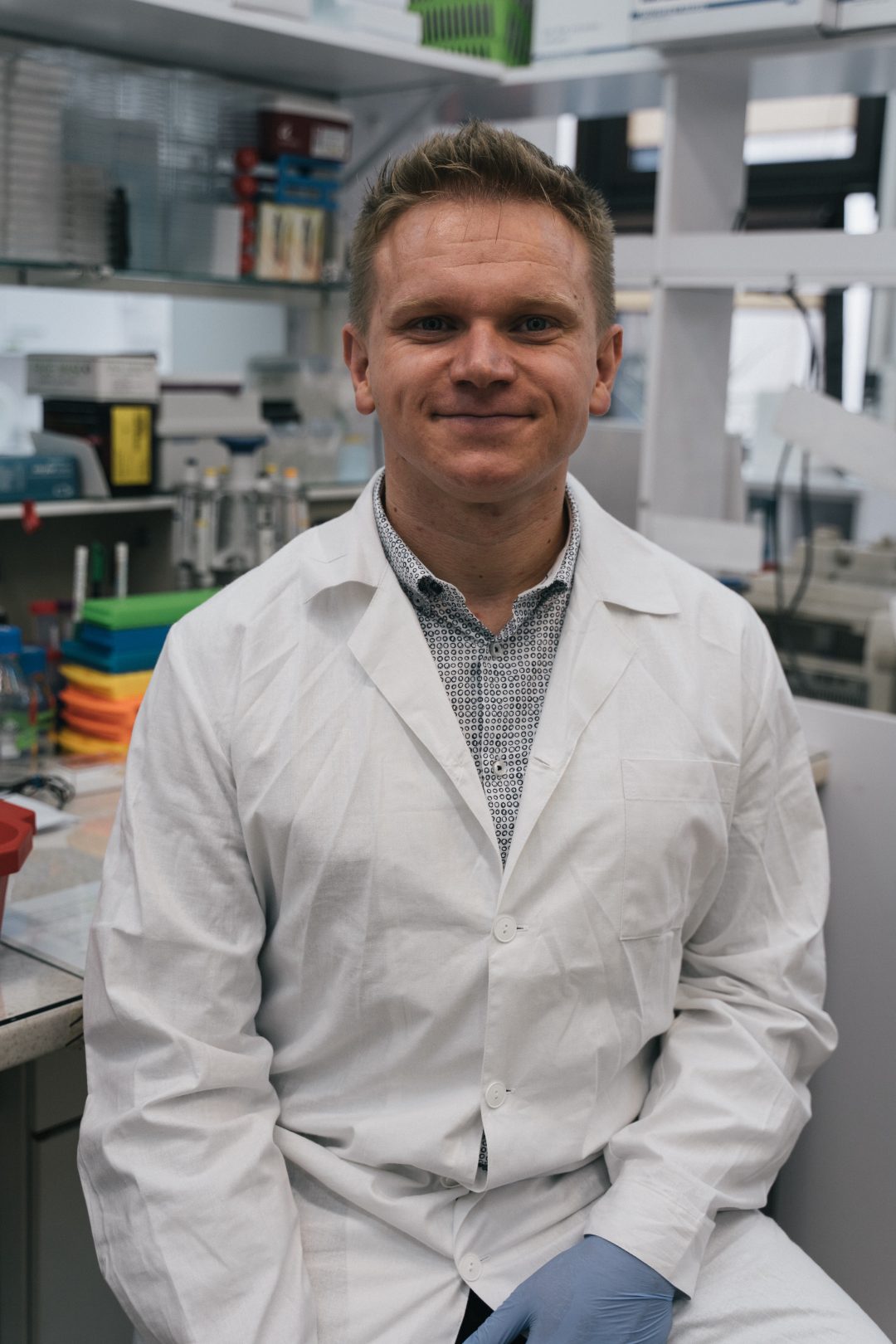
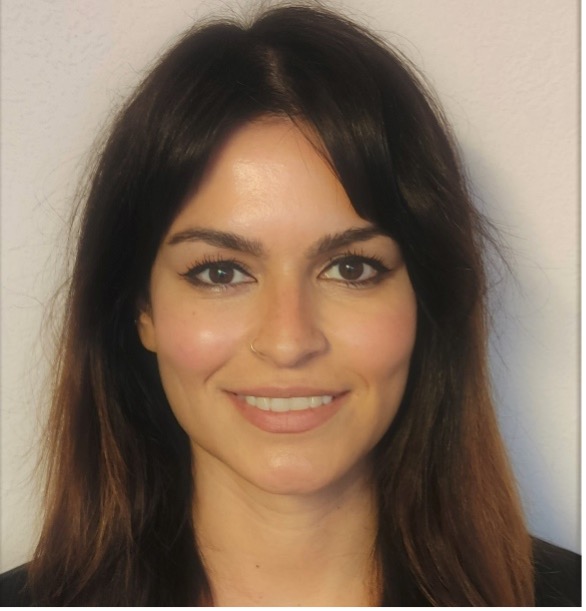
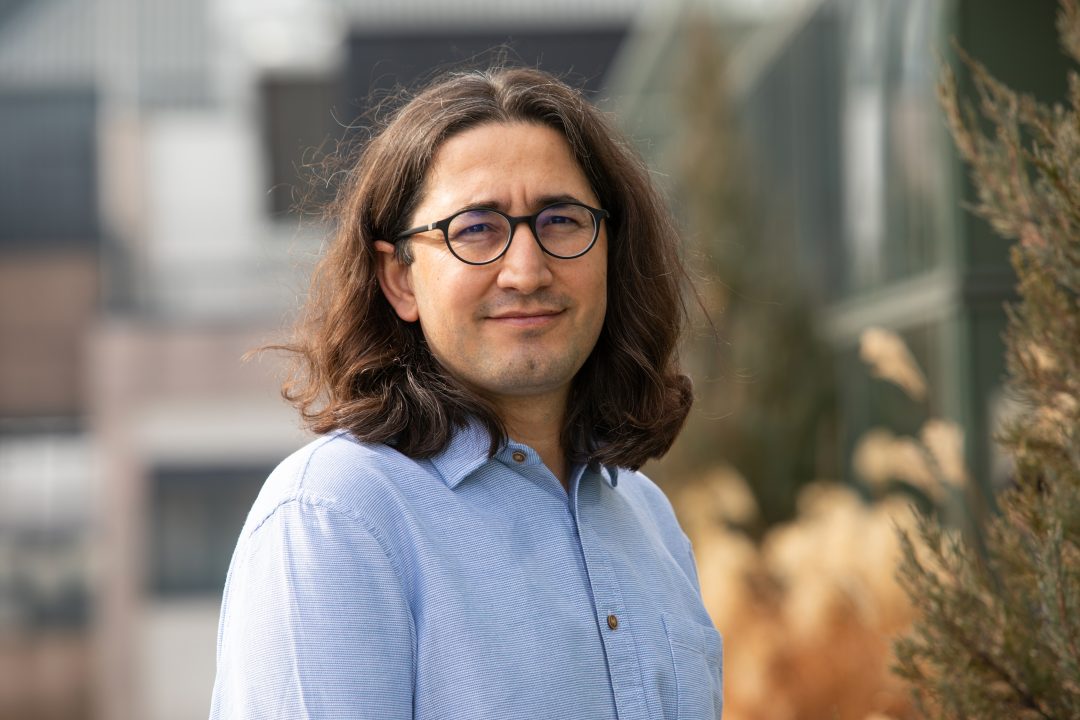
Full profile: Imola Wilhelm is a senior research associate in the Biological Research Centre, Szeged, Hungary. Her research interest is focused on cerebral
circulation, the neurovascular unit and the blood-brain barrier. She is a leading scholar of the neurovascular unit, especially pericytes, in brain metastases, neuroinflammation and aging.

She is the author of numerous peer-reviewed articles in the field and is the principal investigator of several scientific grants. As a recognition of her work, she received several prizes including the Junior Award and the Bolyai János Research Fellowship of the Hungarian Academy of Sciences and the L’Oreal-UNESCO Women in Science national scholarship.

She has mentored and supervised several BSc, MSc, MD and PhD students. Since 2020, she has been a Szent-Györgyi mentor of the National Academy of Scientist Education. She joined the Hungarian Young Academy in 2021, presently serving as an executive board member. She is active in science communication as a lecturer at Researchers’ Night (since 2014) and Brain Awareness Week (since 2018). In addition, she appeared in multiple news outlets to popularize science. She is married and a
mother of one daughter.

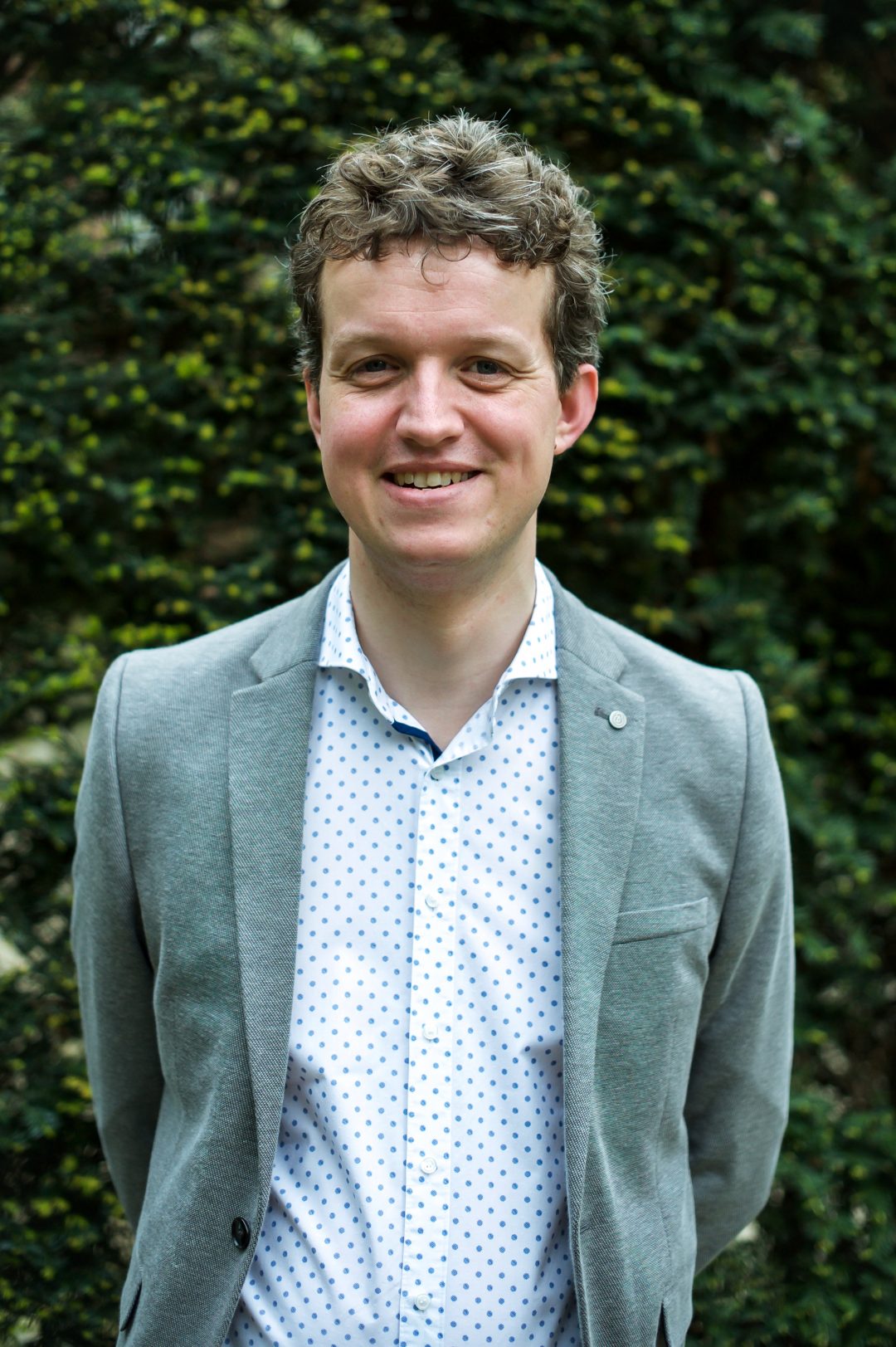
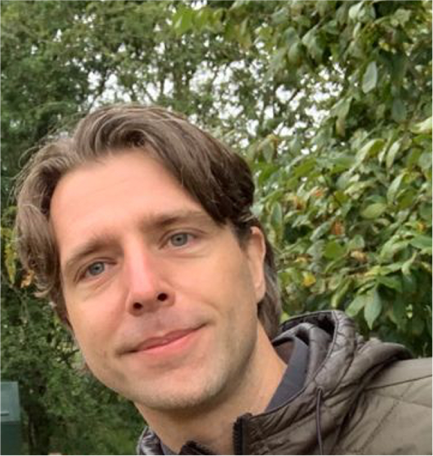
Portrait of Wouter van den Bos

van den Bos

Affiliation: Developmental Psychology Department of the University of Amsterdam

Keywords: Computational modeling, decision-making, reinforcement learning, adolescence, development, social learning, social networks, teenagers.

Webpage

Orcid identifier

Full profile:

Wouter van den Bos has a broad background in both neuroscience and developmental psychology and his research broadly investigates the relation between the developing brain and changes in behavior. More specifically his research is focused on how changes in brain function and structure relate to typical and atypical development of learning and decision-making.

To approach these questions he uses computational models, social network analyses and methods form experimental economics. Computational models are used to quantify behavior and the complex processes underlying learning and decision-making. The parameters from these models support spanning the bridge between developmental theories and neurobiology and enable to identify more specific processes that underlie developmental change.

Using these techniques he has have investigated the neurocognitive development of risky & intertemporal choice, basic learning mechanisms, social decision-making and social learning. Currently Wouter is an Associate Professor at the Developmental Psychology Department of the University of Amsterdam & Director of the Connected Minds Lab and an adjunct Research Scientist at the Max Planck Institute for Human Development Center for Adaptive Rationality. His work is funded by national (NWO, DFG, NSF) and international (ERC) funding agencies.

Sternai

Affiliation: Department of Earth and Environmental Sciences DISAT, University of Milano-Bicocca

Keywords: Climate-Tectonics interactions, Geodynamics, Geophysics, Numerical Modeling

Webpage

Orcid identifier

Full profile:

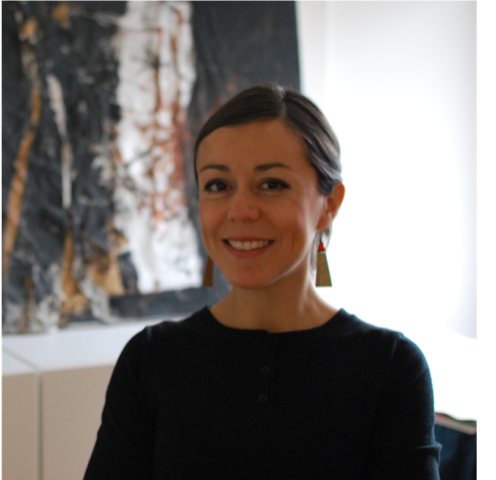
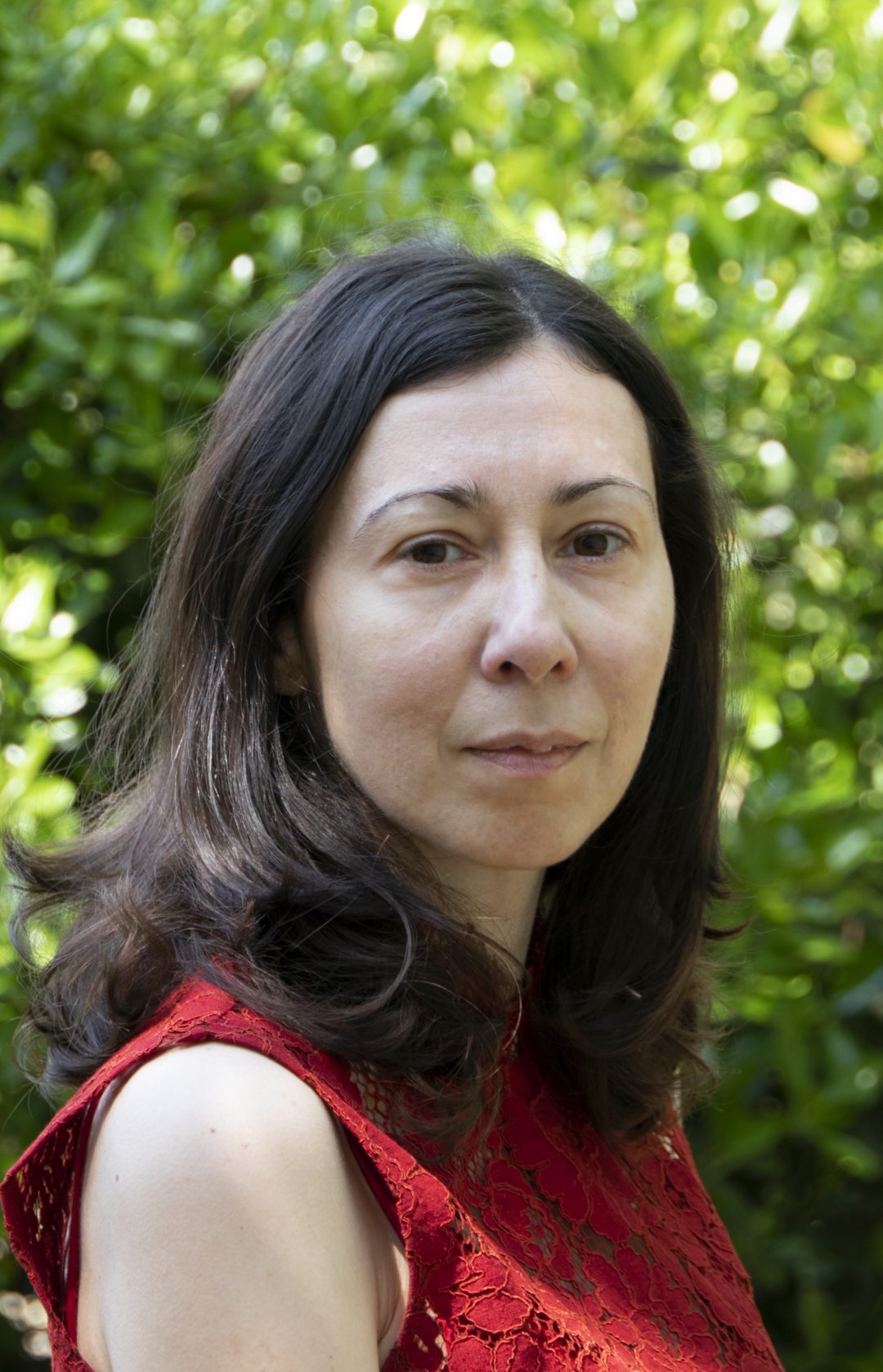
Portrait of Pietro Sternai

Pietro Sternai graduated in Geology at the University of Milano (Italy) and obtained his Ph.D. at ETH Zurich (Switzerland) in 2012. Two subsequent Postdocs brought him at the University of Orléans (France), Caltech (USA) and the University of Cambridge (UK).

He then moved to the University of Geneva (Switzerland) as an ‘Ambizione’ Fellow funded by the SNSF. In 2019, he became Assistant Professor of Structural Geology at the University of Milano-Bicocca (Italy) and in 2022 he was promoted to Associate Professor in the same Department.

Pietro Sternai currently leads the Coupled System (CoSy) research group, whose main target is to unravel the climate-tectonics interactions and the role of magmatic-volcanic activity in affecting the geological carbon cycle using geodynamic and landscape evolution numerical modeling constrained by all sorts of geological observables. This multidisciplinary research is, and has been, supported by prestigious grants such as the Ambizione (SNSF) and Levi Montalcini (Italian Ministry of Education) fellowships and the Progetto Dipartimenti di Eccellenza 2018-2022 (Italian Ministry of Education).

In 2019, 2020 and 2021, Pietro Sernai was awarded with three Young Talent Prizes by the University of Milano-Bicocca and Accademia Nazionale dei Lincei (the most prestigious Italian Scientific Academy) and, in 2022, he won the Flinn-Hart award of the International Lithosphere Program. Pietro Sternai is Associate Editor of Journal of Geophysical Research – Solid Earth since 2020 and has been invited to become a member of the Young Academy of Europe in 2022.

Cserép

Affiliation: Institute of Experimental Medicine, HU

Keywords: Microglia-neuron interactions, intercellular communication, quantitative immunohistochemistry, high-resolution optical microscopy, 3D electron microscopy

Webpage

Orcid identifier

Full profile:

Portrait of Csaba Cserép

Csaba Cserép studied Medicine and received his PhD in theoretical medicine from the Semmelweis University, Budapest, Hungary. After working in the Laboratory of Cerebral Cortex Research he moved to the Laboratory of Neuroimmunology (Institute of Experimental Medicine), where he is responsible for high resolution 3D anatomical and functional studies. His research concentrates on understanding how microglia communicate with other brain cells in health and disease, with a special emphasis on direct cell-cell interactions. He played a leading role in the discovery of microglia-neuron somatic junctions, substantially influencing future research directions of the field. His current focus is to understand the role of mitochondrial signaling processes in intercellular communication. The ultimate goal of these directions is to understand the detailed structural-functional correlates of the brain’s immune system, which is indispensable for the development of future therapeutic strategies.

He contributed actively to the introduction of cutting-edge imaging methods in Hungary, as he pioneered STORM superresolution imaging and transmission electron tomography. The methodological repertoire also includes STED superresolution imaging and 3D scanning electron microscopy. He is also board member of the Hungarian Microscopy Society.

He published 20+ scientific papers mainly for neuroscience and neuroimmunology focused journals. His scientific activity was supported and recognized nationally and internationally with various scholarships and prizes (János Bolyai Research Fellowship, Hungarian National Excellence Program, Outstanding Paper Award of the European Microscopy Society, Award from the Hungarian Society for Microscopy, Young Investigator Award of IEM HAS). His students received 10+ prizes at various national and international scientific competitions.

He is active in competitive sailing as an athlete himself (competed at the 2004 Athens Olympic Games), and also at the organizational level, being Vice President of the International 29er Class Association, board member of Balatonfüredi Yacht Club and president of the Hungarian 9er Class Association.

Zmora

Affiliation: Institute of Bioorganic Chemistry, Polish Academy of Sciences, Poznan, Poland

Keywords: Emerging viruses, influenza virus, SARS-CoV-2, virus-host interactions, molecular epidemiology, new antiviral strategies

Webpage

Orcid identifier

Full profile:

Portrait of Dr. Pawel Zmora

Dr Pawel Zmora graduated biotechnology at the Poznan University of Life Sciences, Poznan, Poland in 2010, and in 2016 defended with honours his doctoral dissertation in the field of emerging infectious diseases (influenza, SARS-CoV, MERS-CoV) at the Georg-August University of Gӧttingen. Germany. He gained his scientific experience in Germany (German Primate Center – Leibniz Institute for Primate Research, Gӧttingen and Max Planck Institute for Dynamics of Complex Technical Systems, Magdeburg), Ireland (National University of Ireland, Galway) and Poland (Poznan University of Life Sciences, Poznan). Currently, dr Zmora is the Head of the Department of Molecular Virology at the Institute of Bioorganic Chemistry Polish Academy of Sciences, Poznan, Poland, and the principal investigator in two grants funded by the National Science Centre, which focus on the virus-host cell interactions and new antiviral strategies against COVID-19 and influenza. He is an author of 25 research publications and 1 international patent in the field of microbiology, virology, and molecular biology, which were cited 1135 times, with H-index 16. His research interests include emerging viruses (influenza virus, SARS-CoV-1, SARS-CoV-2 and MERS-CoV), virus-host cell interactions, new antiviral drugs, diagnostics of infectious diseases and vaccines bioprocess engineering. Dr Zmora was decorated with Silver Cross of Merit by the President of Poland for his scientific achievements and participation in the development of the first Polish genetic test detecting the SARS-CoV-2. Recently, dr Pawel Zmora was awarded with The Visegrad Group Academies Young Researcher Award 2021 for his achievements in the field of virology

Arenaza-Urquijo

Affiliation: Barcelonabeta Brain Research Center, Barcelona

Keywords: Cognitive reserve, aging, Alzheimer’s, lifestyle, mental health, brain imaging, brain resilience

Webpage

Orcid identifier

Full profile:

Portrait of dr. Eider M. Arenaza-Urquijo

Dr. Eider M. Arenaza-Urquijo is Team Leader at Barcelonabeta Brain Research Center (Barcelona, Spain) and Research Associate at ISGlobal (Barcelona, Spain). She is currently an investigator of the National Ramón y Cajal Programme (Spain). Arenaza-Urquijo obtained her PhD at University of Barcelona (2009-13) and worked several years in the the National Institute of Research in France (INSERM, 2011, 2013-2017). She was Visiting Researcher at the University of California, Berkeley, US, (2015-16) and Research Fellow and collaborator at Mayo Clinic, Rochester, Minnesota, US (2018-).

Dr. Arenaza-Urquijo has extensive experience working about cognitive reserve and brain resilience with multimodal neuroimaging and with a focus on lifestyles and mental health. She is ranked #3 cognitive reserve expert in Europe and #10 worlwide (expertscape).  Dr. Arenaza-Urquijo is the Vice Chair of the Professional Area of Interest “Reserve, Resilience and protective factors” of the Alzheimer’s association and Co-Chair of the ADDRESS Group! to investigate resilience differences by gender and ethnicity. She currently leads several projects focusing on the effects of lifestyle and mental health variables on brain health in aging and Alzheimer’s disease and successful aging. Her previous studies support that modifiable factors including cognitive activities, exercise and stress play a role in the development of Alzheimer’s pathologies and in brain resilience. Finally, her recent work identified resilience brain signatures that combined with Alzheimer’s disease imaging biomarkers, improve clinical prognosis in older adults.

De Graaf

Affiliation: Haus der Geschichte des Ruhrgebiets, Ruhr University Bochum

Keywords: European History, post-1945, East-West, Social History, Social Cohesion, Social Mobility, Democracy, Social Conflict, Consensus

Webpage

Orcid identifier

Full profile:

Portrait of dr. Jan De Graaf

Jan De Graaf obtained his MA in History from Utrecht University in 2009. He was awarded a PhD from the University of Portsmouth in 2015 for a comparative history of the Czechoslovak, French, Italian, and Polish socialist parties and the problems of socio-economic and political reconstruction after 1945. In the same year, he joined the KU Leuven with the prestigious postdoctoral fellowship of the Research Foundation – Flanders (FWO) to work on a research project on wildcat strikes as a pan-European phenomenon between 1945 and 1953. In 2019, he was granted the Sofja Kovalevskaja Award of the Alexander von Humboldt Stiftung and joined the Institute for Social Movements of the Ruhr-Universität Bochum as a Junior Professor of European History. With the award funds, he set up his own independent research group that studies social cohesion and social mobility in post-war Europe in East-West comparison.

His research revolves around the reconceptualization of post-war European history by looking across the Iron Curtain that often still exists in scholarship. In doing so, he has not only been able to identify groundbreaking parallels across and divergences within East and West, but also to shed fresh light on what united societies under communism and capitalism. His research interests include questions of democracy, social conflict, and the quest for societal consensus.

Morales-Masis

Affiliation: MESA+ Institute for Nanotechnology, University of Twente

Keywords: optoelectronic materials, solar cells, thin films, physical vapor deposition, materials science

Webpage

Orcid identifier

Full profile:

Portrait of dr. Monica Morales-Masis

Monica Morales-Masis is Associate Professor at the University of Twente, The Netherlands which she joined in 2018. From 2013 to 2018 she was team leader of the transparent conductive oxide (TCO) group at the Photovoltaics and Thin-Film Electronics Laboratory (PVLab) of the Ecole Polytechnique Federale de Lausanne (EPFL), Switzerland. She obtained her Ph.D. in Physics from Leiden University in 2012. Currently, her group focuses on the development and understanding of novel thin film materials with functional optical and electrical properties for optoelectronic devices, including solar cells. Her current research program is financed by the NWO StartUp grant, SOLAR ERA NET program and the European Research Council (ERC) Starting Grant.

Monica is member of the Young Academy of the University of Twente (YA@UT) and since June 2022 also active at the Young Academy of Europe (YAE). Monica has given several invited talks at conferences such as the Materials Research Society (MRS), European MRS (EMRS), the Materials Research Society of Japan (MRS-J), SPIE and ACS meetings. In addition to technical conferences, Monica delivered an invited presentation at a TEDx event in Costa Rica in 2015, and she is currently very active in outreach activities to promote diversity and equality in science in Costa Rica and Latin-America.

Dagdas

Affiliation: Gregor Mendel Institute Of Molecular Plant Biology, Vienna

Keywords: Autophagy, Endomembrane trafficking, Plant cell biology, Cellular Quality Control

Webpage

Orcid identifier

Full profile:

Portrait of dr. Yasin Dagdas

Yasin Dagdas studied Biotechnology at the Middle East Technical University in Ankara, Turkey. In 2009, he moved to the UK to join the lab of Nicholas Talbot for his PhD at University of Exeter. There, he studied the role of cellular morphogenesis in the pathogenicity of the rice blast fungus. Yasin then did a postdoc with Sophien Kamoun from 2013-2016 at The Sainsbury Laboratory in Norwich, where together with his colleagues, he discovered subversion of autophagy by a plant pathogen. In 2017, he established his own group at the Gregor Mendel Institute in Vienna. Research in his lab focusses on autophagy-mediated cellular quality control mechanisms.

Tielrooij

Affiliation: Catalan Institute of Nanoscience and Nanotechnology (ICN2)

Keywords: Optoelectronics, nonlinear optics, graphene and related materials, terahertz, photodetection, charge and heat transport, light-matter interaction

Webpage

Orcid identifier

Full profile:

Portrait of Dr. Klaas-Jan Tielrooij

Klaas-Jan Tielrooij is the leader of the Ultrafast Dynamics in Nanoscale Systems group at ICN2 in Spain. The group was established in 2018 and has the goal to understand and exploit ultrafast processes at the nanoscale. Using home-built experimental microscopy techniques with femtosecond temporal and nanometer spatial accuracy, the group is currently focusing on the fundamental understanding of transport and dynamics of different degrees of freedom, including charge, vibration and heat, in 2D and 1D systems, and on the development of concepts for thermal management, photodetection and terahertz technologies.

After obtaining his PhD from the University of Amsterdam in 2010, for which he was awarded the nation-wide FOM Physics Thesis Prize 2011, Klaas-Jan became postdoctoral researcher and later research fellow at ICFO – the Institute of Photonic Sciences, in Spain. In 2015, he was a guest researcher at the Max Planck Institute for Polymer Research in Germany, and was later awarded a Visiting Professorship at the Johannes Gutenberg University in Germany. He is the recipient of competitive personal grants, including an ERC Starting Grant (E.U.), ERC Proof of Concept Grant (E.U.), a Ramón y Cajal fellowship (Spain), a Young Investigator grant (Spain), and an NWO Rubicon grant (the Netherlands). Besides Physics, he also hold degrees in Innovation Management (from Chalmers University, Sweden) and Economics (University of London, London School of Economics, UK), and has a keen interest in science and technology policies.