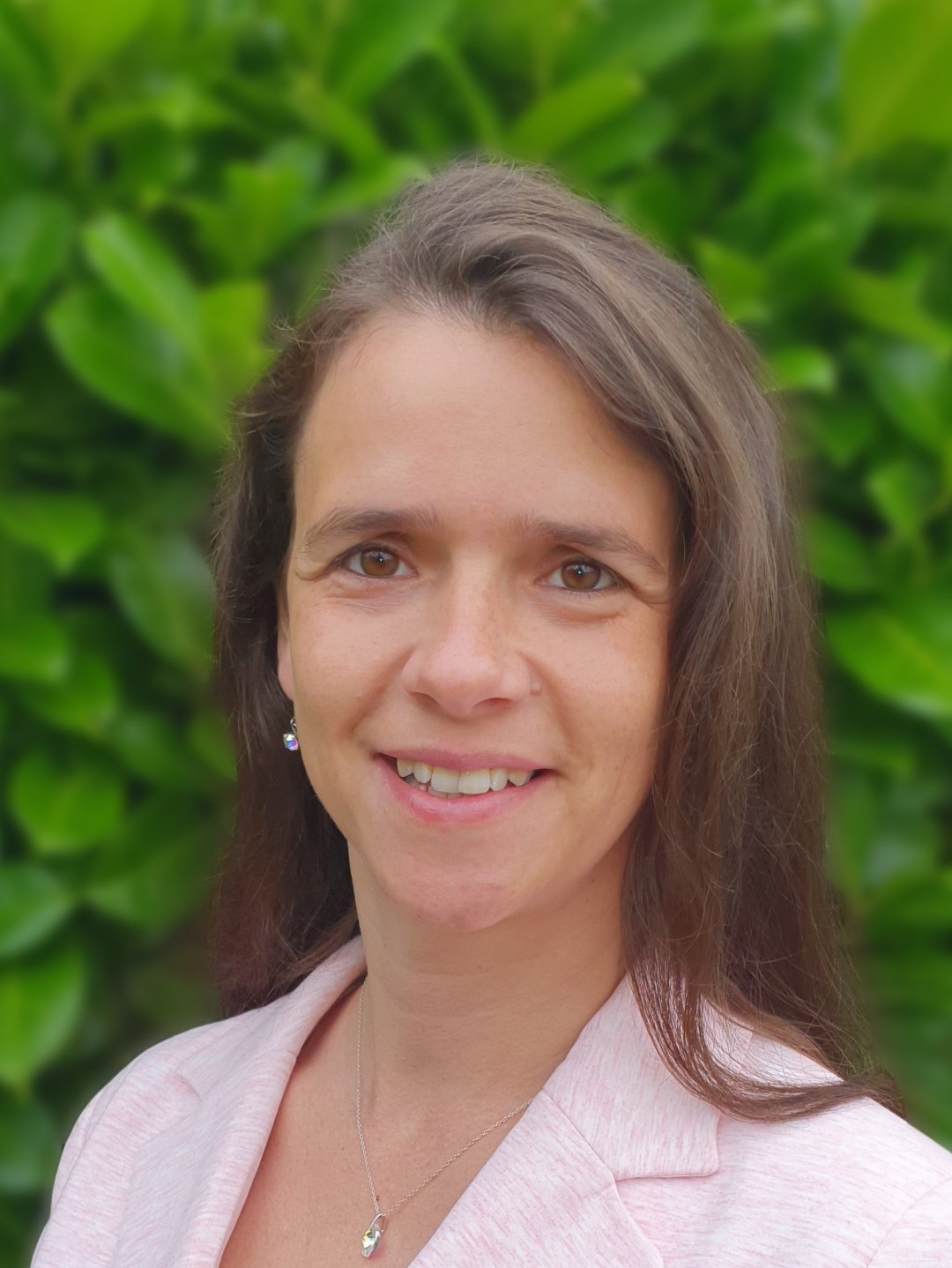
Sandra Camarero-Espinosa is a Young PI and Ikerbasque Research Fellow at the Basque Centre for Macromolecular Design and Engineering POLYMAT where she leads the BioSmarTE research team. Sandra’s research interests revolve around the regeneration of complex tissues, through the design and exploitation of functional smart scaffolds. The use of materials that can be actuated remotely and allow to control the applied stimuli to surrounding cells is one of the approaches used to target tissue regeneration. Further, the design of hierarchical biomaterials whose properties can be tuned mimicking nature and, the study of the effect of these ones on cell fate and matrix deposition are key to her research.
Dr. Camarero-Espinosa developed her PhD studies at the Adolphe Merkle Institute (Fribourg, CH) and obtained her degree in Polymer Chemistry and Bioengineering in 2015. She was recognized with an award for an outstanding PhD thesis by the Swiss Chemical Society. After gaining an early post-doctoral fellowship from the Swiss National Science Foundation, in 2015 she moved to Brisbane (Australia) to work at the Australian Institute for Bioengineering and Nanotechnology where she continued her research in instructive biomaterials scaffolds and their interaction with stem cells. She then joined in 2017 the MERLN institute at Maastricht University (The Netherlands) where she focused her studies on the fabrication of additive manufactured/3D printed scaffolds for the regeneration of complex tissues and the development of actuating scaffolds. In 2020 Sandra joined the POLYMAT as an EMAKIKER and The University of the Basque Country as Marie Sklowdoska-Curie fellow to develop her research in stimuli-responsive scaffolds for the regeneration of the osteochondral interface.
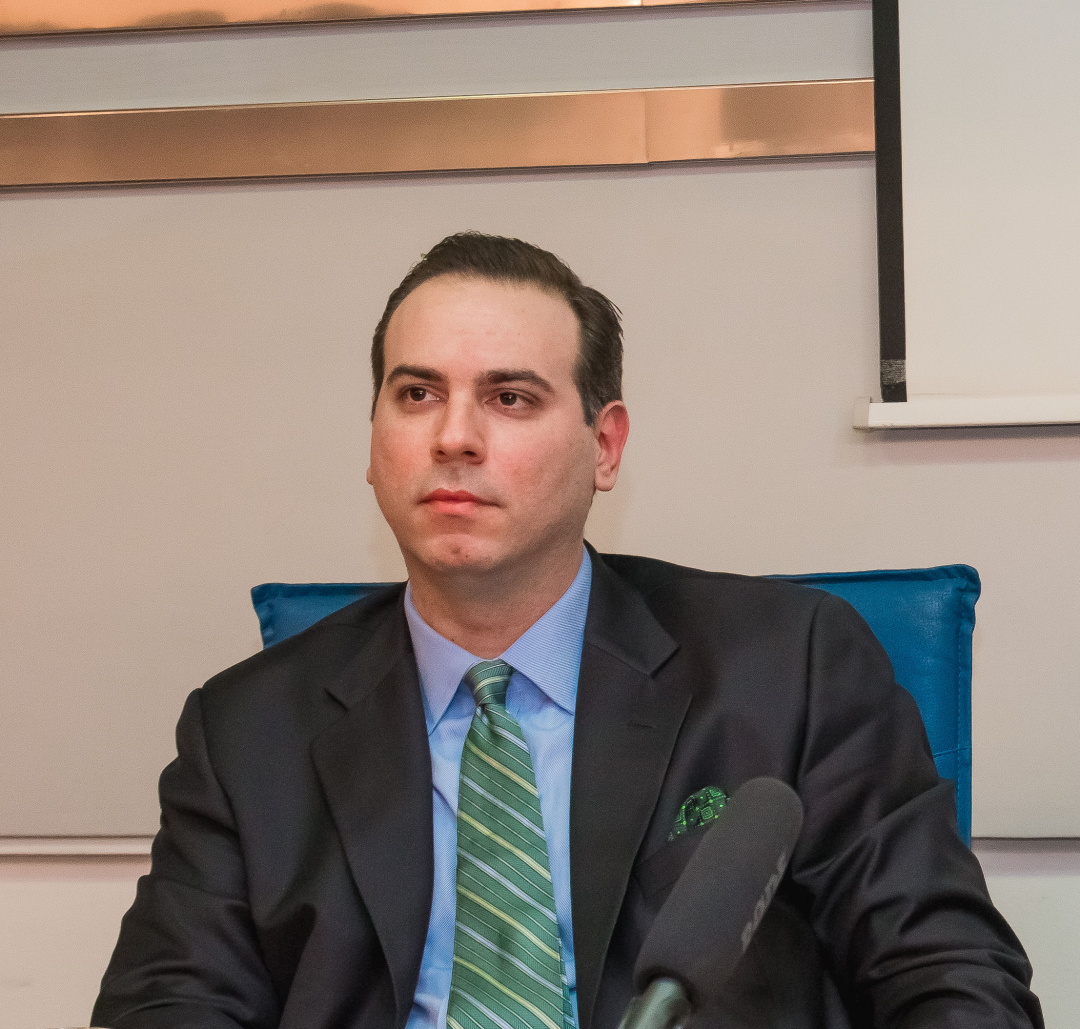
Dr. Filip Ivanović was born in Podgorica (Montenegro) in 1986. He obtained BA and MA degrees from the Department of Philosophy of the University of Bologna, and a PhD from the Department of Philosophy and Religious Studies of the Norwegian University of Science and Technology at Trondheim. Dr. Ivanović also holds a Postgraduate Diploma in Diplomatic Practice from the United Nations Institute for Training and Research.
He held research and/or teaching positions at University of Donja Gorica, University of Montenegro, University of Leuven, Van Leer Institute in Jerusalem, Aarhus University and Norwegian Institute at Athens. Currently he is Assistant Research Professor at the Institute of Advanced Studies of the University of Montenegro.
Since March 2021 he is Visiting Professor at the Center for the Interdisciplinary Study of History of Ideas (CRISI) at the Vita-Salute San Raffaele University in Milan. He was Visiting Professor at the University of North Bengal (India), and gave a number of invited lectures, speeches, and talks in Podgorica, Belgrade, Bratislava, Minsk, and Paris.
Dr. Ivanović is the founder and director of the Center for Hellenic Studies in Podgorica, and editor in chief of the academic journal Akropolis: Journal of Hellenic Studies, as well as member of editorial boards of Giornale critico della storia delle idee, Serbian Studies and Society & Power.
He is expert evaluator for the European Commission, member of the College of Research Associates of the European Science Foundation, expert for the accreditation of study programs at the Agency for Control and Quality Assurance of Higher Education of Montenegro, and member of the Committee for Philosophy and Sociology of the Montenegrin Academy of Sciences and Arts.
Dr. Ivanović participated at over 30 international conferences and symposia in UK, Italy, Russia, Israel, Greece, Spain, Portugal, Sweden, Argentina, etc. He is the author of a number of monographs, articles in scholarly journals and chapters in edited volumes.
He is also member of several professional and academic organizations, including Royal Historical Society (as fellow), Center for Young Scholars and Artists of the Montenegrin Academy of Sciences and Arts, Société Internationale pour l’Étude de la Philosophie Médiévale, American Philosophical Association, Society for the Promotion of Byzantine Studies, North American Patristic Society, and International Society for Neoplatonic Studies.
Her research is in epistemology (epistemic norms, social epistemology, knowledge first epistemology), philosophy of language (assertion, conceptual engineering, contextualism), moral & political philosophy (wellbeing, blame, trust, climate justice, distributive justice, voting, media ethics), and feminist philosophy (epistemic injustice, gender concepts).
She is the author of two monographs – ‘Shifty Speech and Independent Thought;‘ (Oxford University Press 2021) and ‘Sharing Knowledge‘ (Cambridge University Press, 2021, with Christoph Kelp) and several articles in highly prestigious journals such Nous, Journal of Philosophy, and Philosophy and Phenomenological Research, as well as a co-editor of Reasons, Justification, and Defeat (Oxford University Press 2021, with Jessica Brown).
Nicolò holds a tenure-track professorship and is the head of the ‘Ultrafast Nanophotonics and Advanced Functional Materials’ Group at the Department of Physics, Umeå University (Sweden) supported by the Swedish Research Council, the European Innovation Council, the Faculty of Science and Technology and the Kempe Foundations. He is also a visiting researcher and group leader at the Department of Physics and Materials Science, University of Luxembourg, leading a research team working on the FNR CORE Project ‘Ultrafast coherent hybridization of photons and spins in multi-functional magnetoplasmonic metamaterials’ and the European H2020 FET-Open Project ‘Ultrafast Raman Technologies for Protein Identification and Sequencing’. Author of more than 50 scientific papers in renowned international journals (including Physical Review Letters, Nature Communications, Advanced Optical Materials and Nano Letters) and co-author of an international patent on metamaterials for nanophotonic applications, with more than 100 contributions at international conferences, international symposia, and colloquia, some of them as invited speaker.
Nicolò studied Physics at the University of Ferrara in Italy and he earned his Ph.D. title in Physics of Nanostructures and Advanced Materials (grade: outstanding cum laude) from the University of the Basque Country and CIC nanoGUNE (Spain) in 2016, where he worked on the optical properties of nanostructured magnetic materials. In 2015, he received the “Piero Brovetto” Award from the Italian Physical Society for “his contributions in the fields of nanomagnetism and nanooptics and the study of the physical properties of magnetoplasmonic nanoantennas and their application in bio-sensing”. In 2014 he was Visiting Scientist at the Department of Applied Physics at Aalto School of Science (Espoo, Finland) and in 2015 he was Visiting Scientist at Chalmers University of Technology in Gothenburg (Sweden).
From 2017 to 2018, he was Research Associate at the Italian Institute of Technology in Genoa (Italy), working on the development of plasmonic nanostructures for controlling fundamental light-matter interactions, such as absorption and scattering of light, at the nanoscale. Concurrently he contributed to the design and development of plasmonic nanostructures for single protein sequencing through fluorescence and energy transfer mechanisms enhancement, as well as for cell’s membrane and nucleus investigations through surface enhanced spectroscopy.
From 2019 to 2021, he was a Junior Group Leader At the University of Luxembourg, where he led a research line focusing on ultrafast phenomena in magnetoplasmonic nanostructures, and on developing an ultrafast magneto-optical pump-probe spectroscopy setup working in different configurations (e.g., Faraday effect, polar and longitudinal Kerr effect, etc) in a broad spectral range (from visible to mid infrared) and based on the use of few-optical cycle light pulses. In 2019 he was also Visiting Scientist in the Group of Prof. Alfred Leitenstorfer at Konstanz University.
In 2021, he was awarded a prestigious Starting Grant from the Swedish Research Council aiming at studying nonthermal charge and spin dynamics in magnetoplasmonic nanostructures with sub-10 fs time resolution, and a Horizon Europe EIC-Pathfinder Project aiming at studying molecular structure by using advanced computational tools and ultrafast spectroscopy techniques together with international partners from Germany, Italy, France, Luxembourg and Sweden. Until now, he was able to collect more than 2.5 M€ to fund his own research as Principal Investigator in Luxembourg and Sweden.
Nicolò has also experience in the publishing industry since he was Early Career Member of Nano Letters Editorial Board (a journal of the American Chemical Society) from 2018 to 2021. Currently, he is Associate Editor of the journal ‘Advanced Photonics Nexus’ (published by SPIE and Chinese Laser Press) and Young Editorial Board Member of the journal ‘Ultrafast Science’, a Science partner journal published by the Chinese Academy of Sciences and distributed by the American Associations for Advances in Science.
Finally, Nicolò is a certified Research Integrity trainer in the framework of the European Project VIRT2UE, aiming to provide the knowledge and skills to conduct virtue-based ethical research and to foster reflection on scientific virtues in researchers, in line with the European Code of Conduct for Research Integrity.
Research interests:
Nicolò’s research span a broad range of fundamental and applied aspects of natural sciences, with a special focus on both the fundamental and applied aspects of light-matter interactions in advanced and multifunctional nano- and meta-materials for opto-electronics and information processing, photochemistry and biotechnology, by using frequency- and time-resolved (magneto-)optical spectroscopy, finite-element computational methods and bottom-up/top-down nanofabrication techniques (for a brief introduction on nano- and meta-materials, you can see his TEDx talk entitled Metamaterials matter: smart material of future)
Keywords: medical image computing, machine learning / artificial intelligence, health data science, musculoskeletal disorders, osteoarthritis, research translation
Dr Claudia Lindner is a certified IT Specialist in Software Engineering (2002, German Chamber of Commerce and Industry). She received the BSc (2005) and the MSc (2007) degrees in Computer Science, both with distinction, from the Heinrich Heine University Düsseldorf, Germany, and the PhD (2014) degree in Medical Image Computing from the University of Manchester, UK. She joined the University of Manchester as a Research Associate in 2014 and was promoted to Research Fellow in 2016. Claudia held a Rutherford Fund Fellowship at HDR UK from 2017 to 2021. Currently, she is a Sir Henry Dale Research Fellow jointly funded by the Wellcome Trust and the Royal Society.
Claudia’s career includes over 15 years in the development and application of computational methods working within multi-disciplinary teams in industrial and academic settings in Germany, Australia and the UK. She is the Early Career Researcher Lead for the Christabel Pankhurst Institute for Health Technology Research and Innovation, and a member of the steering committee of the World COACH Consortium, an international collaboration of experts studying osteoarthritis and morphological data of the hip. Her research was awarded multiple competitive grants by UK Research and Innovation, the Wellcome Trust, Versus Arthritis and the UK National Institute for Health Research. Claudia has won several national and international awards. She was Highly Commended at the 2019 L’Oréal-UNESCO UK & Ireland Fellowships for Women in Science programme, and received the Wellcome-Beit Prize for outstanding biomedical researchers in 2021.
Claudia’s research interests include the automated analysis of medical images to study, diagnose and manage musculoskeletal disorders. She uses methods from computer vision, machine learning and data science to develop accurate systems for outlining and analysing structures in widely used medical images such as radiographs. To enable patient benefit from digital healthcare research, she develops general guidance and strategies on how to bring such systems into the clinic. The overall goal of Claudia’s work is to transform clinically collected image data into useful medical information to benefit healthcare at individual and societal levels – driven by her passion to make a difference to people’s lives.
Affiliation: Ca’ Foscari University of Venice, IT; Young Academy of Spain / Academia Joven de España (AJE), ES; Global Young Academy (GYA)
Keywords: European Contemporary History, European Integration History, European Studies, International Relations, EU Enlargement, Mobility, Migration and Human Rights, Free Movement of Persons, Spanish Contemporary History, Transitions to Democracy, EU Politics, Comparative Regional Integration, Temporalities, Critical Discourse Analysis (CDA), History of Concepts, Global History of the Present, Digital Humanities
Cristina Blanco Sío-López is Marie Skłodowska-Curie Senior Global Fellow and Principal Investigator (PI) of the EU Horizon 2020 research project ‘Navigating Schengen: Historical Challenges and Potentialities of the EU’s Free Movement of Persons, 1985-2015’ (NAVSCHEN) —European Commission Grant Agreement (GA) No: 841201— at the European Studies Center (ESC) — EU Jean Monnet European Centre of Excellence (JMEUCE) of the University of Pittsburgh (2019-2021) and at the Ca’ Foscari University of Venice from 2021. The EU H-2020 NAVSCHEN project will produce the first dedicated historical analysis of all worldwide available primary sources on the transnational roots, debates and conditions for the implementation of the European Union (EU)’s free movement of persons (FMP) as a fundamental Human Right to have rights.
She previously was Assistant Professor in European Culture and Politics at the University of Groningen and ‘Santander’ Senior Fellow in Iberian and European Studies at the European Studies Centre (ESC) – St. Antony’s College of the University of Oxford, where she remains a Senior Member.
Dr. Blanco Sío-López is also Leading Associate Researcher R4 at the Institute of Contemporary History (IHC) — New University of Lisbon and was a Senior Lecturer on ‘Qualitative Approaches to Human Mobility and European Integration’ for the EU Science Hub Evidence-informed policymaking – European Commission – Joint Research Centre (JRC) at the International Institute for Applied Systems Analysis (IIASA) in Laxenburg, Austria. In 2017 she was ‘Jean Monnet EUCE – ULS’ Research Scholar in Residence at the ESC – University of Pittsburgh and Invited Expert at Shanghai University – 上海大学.
She previously worked as Principal Investigator (PI), Lecturer and Leading Researcher R4 in European Studies at the Centre Virtuel de la Connaissance sur l’Europe – University of Luxembourg (2009-2015). She also worked as Experienced Researcher R3 at the Robert Schuman for Advanced Studies (RSCAS) in Florence (2006-2009), as well as at the DG Enlargement of the European Commission and at the European Parliament in Brussels and at the US Congress in Washington, D. C. She completed an astronaut training traineeship at the NASA’s Marshall Space Flight Center in Huntsville, Alabama, US.
Dr. Blanco Sío-López was also Invited Expert in European Studies at the London School of Economics and Political Science – LSE (2013 and 2016); the Yale Law School (2016); All Souls College, University of Oxford (2016 and 2019) and at the Faculty of Law and the Sydney Sussex and Darwin Colleges (POLIS) of the University of Cambridge (2014, 2016 and 2017). She was Section Chair for the European International Studies Association (EISA), Salzburg Global Seminar Lecturer and EUI Global Governance Program Network Member.
She obtained her PhD in History and Civilization (European Integration History) at the European University Institute of Florence (EUI). Her thesis, ‘The Illusion of Neutral Time: Myths and Perceptions of the process of Eastward Enlargement of the EU, 1990-2004’, focused on EU enlargement policy temporalities and on the effects of the instilment of transitional time perceptions by the European Commission’s Communication Policy on Eastward enlargement. She approached this subject by means of Critical Discourse Analysis (CDA), relying upon extensive transnational archival consultations and Oral History interviews with the key players of this the game changing process at the end of the Cold War. Her thesis was recognized with the FAEY’s ‘Helmut Kohl – Charles V’ Best PhD Thesis European Research and Mobility Award in 2008.
She also expresses her research results via the visual arts (painting exhibitions, etc.) and via the empowering expression of poetry. Indeed, she received the Oxford German Society Poetry Award 2020 at the University of Oxford for her poem ‘Velvet with a Spark’, recognizing her work in intertwining research and verses as part of an empowering continuum.
In short, Dr. Blanco Sío-López coordinated and participated in numerous international research projects, conferences and peer-reviewed publications in Europe, Asia, and the Americas. Her research and publications focus on European Integration History —with an accent on EU enlargement policy temporalities and the Schengen Area fundamental rights— Global Governance, Comparative Regional Integration and Digital Humanities.
Tobias Hauser is a Principal Research Fellow at the Max Planck UCL Centre for Computational Psychiatry and Ageing Research, and the Wellcome Centre for Human Neuroimaging. He is interested in the neurocomputational processes underlying learning and decision making, and how these go awry in developmental psychiatric disorders. Tobias investigates how cognitive biases in obsessive-compulsive disorder (OCD) can help us better understand the neurocomputational mechanisms underlying this disorder. His primary focus in on the influence of neurocognitive development on the emergence of psychiatric disorders during adolescence. In his work, he combines neuroimaging, pharmacology, and computational modelling in youths and adults with and without mental health problems. Tobias has received several prestigious prizes in psychiatry, such as the Philip Leverhulme Prize in Psychology (2021), the Emerging Leaders Prize in Adolescent Mental Health (2018) and the Kramer Pollnow Award (2017). His work is supported by Wellcome, European Research Council, Royal Society, European Research Council, Leverhulme Trust, Medical Research Foundation, Jacobs Foundation, Brain & Behavior Foundation and the Max Planck Society.
Dr. Matthew Apps is a cognitive, computational neuroscientist and experimental psychologist at the University of Birmingham, UK. He is currently a Biotechnology and Biological Sciences Research Council (BBSRC) David Phillips Fellow (equivalent to Associate Professor) and head of the Motivation and Social Neuroscience lab. His work aims to understand how the brain motivates behaviour, the computations that underlie that, and how motivation can become impaired in neurological and psychiatric conditions. His work uses a combination of novel cognitive tasks, brain imaging, and pharmacological manipulations in healthy people and in patient populations. His work has been funded by two fellowships from the BBSRC, the Wellcome Trust, the Economic and Social Research Council and Medical Research Council. He has also been awarded multiple prizes as an outstanding early career researcher from organisations including the British Association for Cognitive Neuroscience, the European Society for Cognitive and Affective Neuroscience and the Society for Social Neuroscience. He was elected as a member of the Young Academy of Europe in 2021
Maria runs the Structural Biology Group (Go!RNA lab) at the University of Warsaw. Maria is an expert protein biochemist and a structural and molecular biologist with a PhD degree from the University of Cambridge and postdoctoral training at CeMM in Vienna. She specializes in structure-function studies of proteins and their complexes with ligands. Her broad interest is in using three-dimensional models of proteins to explain or design protein function, with implications for drug discovery and health diagnostics. Through her findings and inventions, Maria would like to help combat viral and bacterial infections or treat human inflammatory disorders. To this end, she leads both basic and applied research projects in this area, and her commitment was recognized in Poland by inclusion on the Forbes Women 2021 list. Maria is a laureate of MSCA, EMBO, Fulbright, L’Oreal UNESCO and national fellowships and grants. In 2018-2020 she served on the Board of the Marie Curie Alumni Association and engaged in collaboration with the Initiative for Science in Europe.
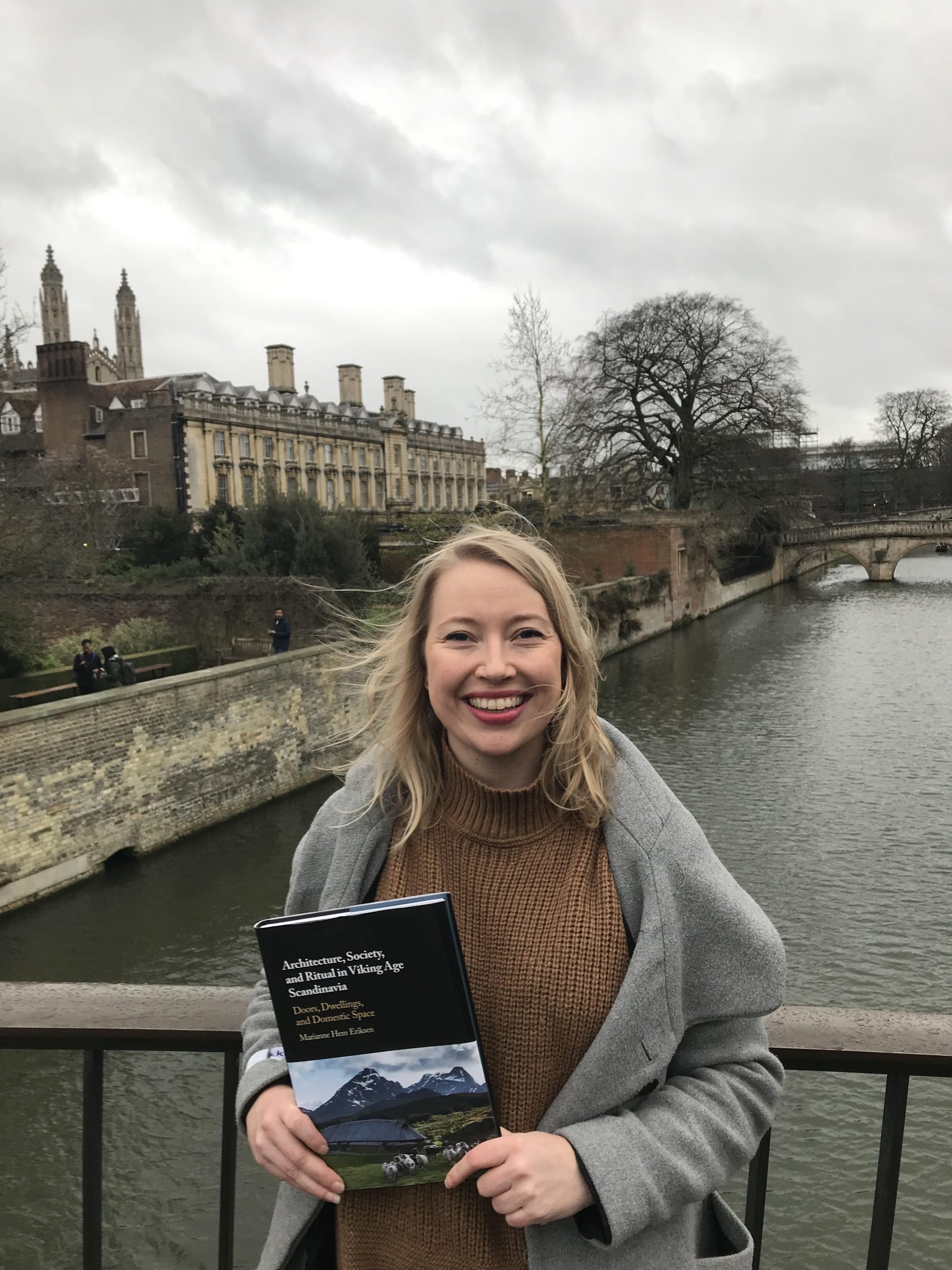
Marianne is Associate Professor at the University of Leicester, alumna of the Young Academy of Norway, and PI of ERC Starting Grant Body-Politics: Personhood, Sexuality and Death in Iron and Viking Age Scandinavia (www.body-politics.com).
She was previously Research Fellow at the McDonald Institute of Archaeological Research & Clare Hall, University of Cambridge, through a postdoctoral grant funded by the Research Council of Norway/Marie Skłodowska Curie. Subsequently she was Associate professor at the Museum of Cultural History, University of Oslo. Marianne’s PhD thesis (Oslo, 2015) was awarded H.M. The King of Norway’s gold medal for younger researchers of excellence.
Marianne’s research investigates the politics of the body (in life and death) as well as the entwinement between bodies and architecture in Scandinavian later prehistory. Elements of this research are included in her monograph, Architecture, Society and Ritual in Viking Age Scandinavia (Cambridge University Press, 2019) and in her forthcoming short book, Ritual Violence and the Vikings (Cambridge University Press), as well as in a number of articles and book chapters. Marianne is additionally involved in networks around both architecture and the body, and has a long-running, geeky interest in academic writing practice.
Marianne is passionate about shedding light on ‘invisible’ populations of the past, including children, unfree people, marginalized populations, and often, women; and in tandem, to make academia a more inclusive, generous place to be. One of her favourite academic quotes is this:
‘One of the beautiful things about science is that it allows us to bumble along, getting it wrong time after time, and feel perfectly fine as long as we learn something each time… The more comfortable we become with being stupid, the deeper we will wade into the unknown and the more likely we are to make big discoveries.’ (Schwartz, 2008, ‘The Importance of Stupidity in Academic Research’, which hangs on Marianne’s office door).