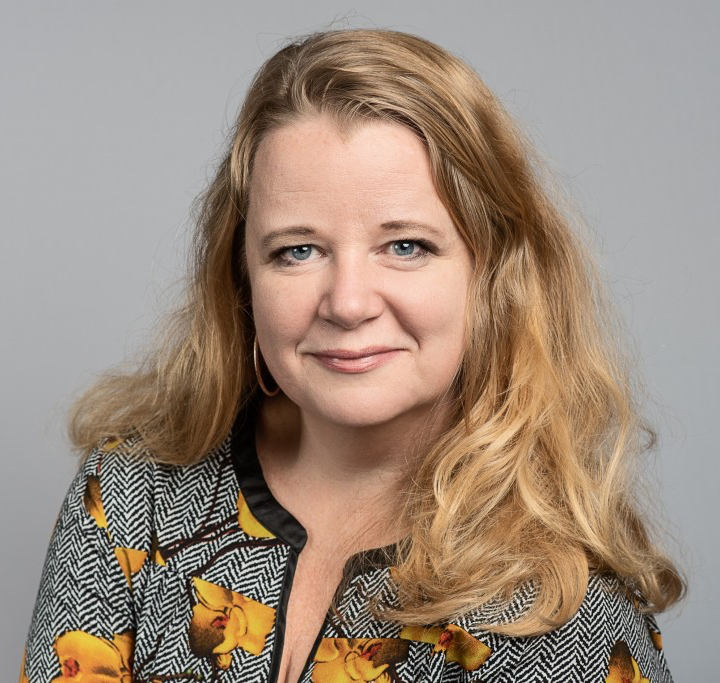
Prof. Verhelst is working in microelectronics and chip design, pioneer in custom AI processors, and is head of a research team at the MICAS laboratories (MICro-electronics And Sensors) of the Electrical Engineering Department of KU Leuven, Belgium. For her successes in research, she received numerous awards, prizes, fellowships, and grants including the Laureate of the National Academy of Science and Arts in Belgium, ERC Starting Grant, Fellow of the European Laboratory for Learning and Intelligent Systems (ELLIS), an IEEE distinguished lectureship, and grants from industry (e.g. Intel, Qualcomm, Huawei, Nokia). Verhelst has been involved in various organizations and activities, e.g. for the enhancement of science literacy and a larger uptake of STEM studies as member of the Flemish STEM platform, and to improve possibilities, work-life balance and the science landscape for early-career researchers as founding member of the Belgian Young Academy, where she served on the Board and as co-president for two years. Verhelst is also passionate about science communication, especially towards young people and girls. She founded the Innovation Lab which develops engineering projects ready to be executed in secondary schools, with currently six projects in its portfolio, having trained over 600 teachers, who have executed the projects with more than 12 thousand students. She also features regularly on popular science TV shows (The body of Coppens) and podcasts (Nerdland), reaching hundreds of thousands viewers/listeners. She was involved in the creation of citizen science portal in Belgium, was chosen in the 2020-2022 Science meets Parliament programme, and initiated and organizes the “Women in circuits” initiative in the IEEE Solid State Circuits Society for mentoring young female chip researchers.
By awarding her the YAE Prize, the YAE recognises internationally leading academic research, management, and policy making. The YAE will award the fifth annual YAE Prize, honouring our Founding Chair André Mischke, at the joint annual AE /YAE meeting in Barcelona (October 2021).
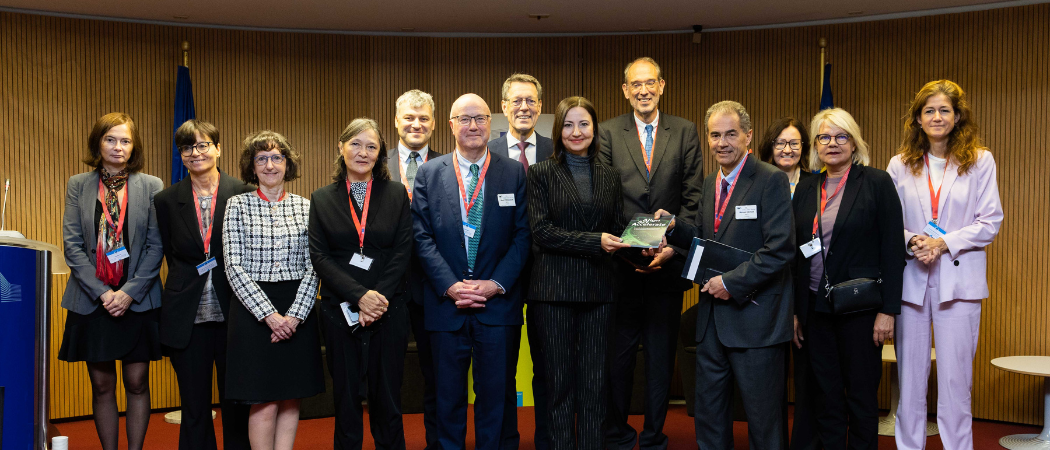
Prof. Moniek Tromp, former Chair of the Young Academy of Europe, was elected as the new President of Initiative for Science in Europe (ISE). She will take office on 1 January 2025.
Moniek Tromp is currently Director of the Zernike Institute for Advanced Materials and Chair of Materials Chemistry at the University of Groningen (The Netherlands), and her research focusses on the development and application of operando spectroscopy techniques in catalysis and materials research. She has held many important national and international roles, including Chair of the Young Academy Europe, board member of the Dutch Funding Agency, chair of the Dutch Network for Female Professors, and president of the Young Academies Science Advice Structure and Science Advice for Policy by European Academies respectively. You can find more about Moniek’s work here: https://www.rug.nl/staff/moniek.tromp/
The Initiative for Science in Europe is an independent platform bringing together learned societies and European scientific research organisations, operating throughout all disciplines and across all sectors, which played a decisive role in the creation of the European Research Council.
ISE has since then successfully advocated for a greater role for science in Europe, and effectively supports common causes essential for European scientific research communities, shaping European science policies and stimulating the involvement of European researchers in the design and implementation of the European Research Area.
This Autumn, the European science-policy ecosystem was lit up by some influential reports that chart a future towards the 10th Framework Programme for research funding in the region.
On 16 October, an expert group – chaired by Manuel Heitor, former Portuguese Minister of Science, Technology, and Higher Education – released an interim evaluation of the European Commission’s Framework Programme 9 (FP9) (also known as Horizon Europe) and offered a vision for the next Framework Programme (FP10). The report builds on the momentum generated by three recent key publications: Ursula von der Leyen’s Political Guidelines, and the Letta and Draghi reports, all of which push for enhancing EU competitiveness through research and innovation.
The shift proposed in these reports, if implemented, will have wide-ranging impacts on parts of the research funding landscape. The YAE did not release its own statement on the Heitor report, because many of its partner organisations released excellent and timely statements of their own, including the Marie Curie Alumni Association and Eurodoc: https://zenodo.org/records/13944737
But the YAE is engaging with debates on the future of Europe’s research governance, including through its work on taskforces and working groups, and in the media. Recently, a journalist for Nature asked the YAE for comment on the changing policies steering the research sector (https://www.nature.com/articles/d41586-024-04017-6).
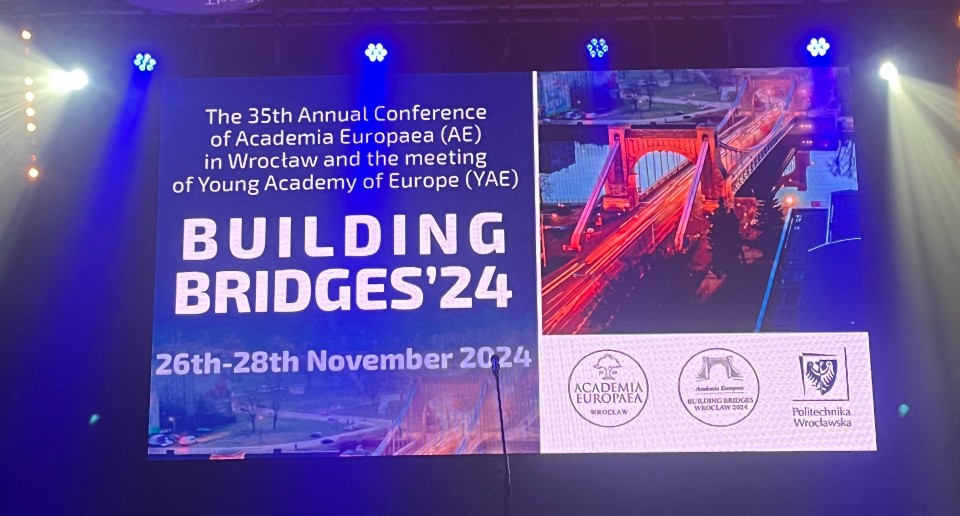
Between 26-28 November 2024, Academia Europaea (AE) and the Young Academy of Europe (YAE) co-organized the Building Bridges Conference (BB2024) in Wroclaw. The event’s programme is available at the homepage of the AE Wroclaw Knowledge Hub.
On the first day of the event, YAE held its own meeting, with detailed programme of the event being available here. In the morning session, in a panel moderated by Katalin Solymosi (Outgoing Chair), YAE members discussed YAE’s recent and upcoming activities and plans for the next year to improve the visibility of early to mid-career researchers, and also listened to scientific talks by members. In the afternoon, we hosted a panel discussing the state of the art of early to mid-career researchers’ organisations in Europe at the institutional, national and regional level, as well as the role of Young Academies in the scientific development of early career researchers. We invited speakers from Academia Europaea, from the Academia Iuvenum of WroclawTech and from the Polish Young Academy as well. (Detailed list of the programme and speakers is available here and is also provided in the figure legend below.) A key point of discussion was the comparison of research careers across different countries, highlighting distinct challenges that require collective consideration. There has been notable progress in fostering new collaborative relationships with various institutions and senior academies. However, certain aspects have been identified as necessitating further attention, particularly in relation to funding sources.
Participants of the afternoon panel of the YAE Conference held at Building Bridges’24 in Wroclaw (in the picture from left to right): Łukasz Sadowski (Polish Young Academy), Anna Miśniakiewicz (Academia Iuvenum), Katalin Solymosi (YAE), Maciej Sałaga (Polish Young Academy), Anna Dzimitrowicz (YAE), Slawomir Czarnecki, Jacek Kolanowski (Polish Young Academy) and Steve Evans (Academia Europaea)
On the second day of the BB2024 Conference, directly after the keynote lecture of the 2020 Chemistry Nobel Laureate, Emmanuelle Charpentier, the André Mischke Young Academy of Europe Prize for Science and Policy was awarded to Jacek Kolanowski, who gave a presentation entitled: “Opportunities and Challenges for Early-and-Mid-Career Researchers in Trans-Sectoral and Community Engagement: A Chemical Biologist’s Methodological Perspective”. This presentation outlined the challenges encountered by new scientists and put forward innovative solutions to address problems from a multidisciplinary perspective. The laudatio of the awardee was given by Katalin Solymosi (Outgoing Chair). The video recording of this second day of the conference, featuring the laudatio and the award lecture (from 3:31:30) is available here.
Handing over of the certificate of the André Mischke YAE Prize for Science and Policy to Jacek Kolanowski by Katalin Solymosi (Outgoing Chair)
During the event and the President’s Dinner, YAE members had the opportunity to discuss with AE members about potential future collaborations of AE and YAE. Also, in the third day of the event, Edyta Roszko (FYAE) presented a keynote lecture on her research entitled “The importance of global indigenous history in the era of climate change”. The video recording of this third day of the conference is available here, Edyta’s speech can be watched from 4:16:00.
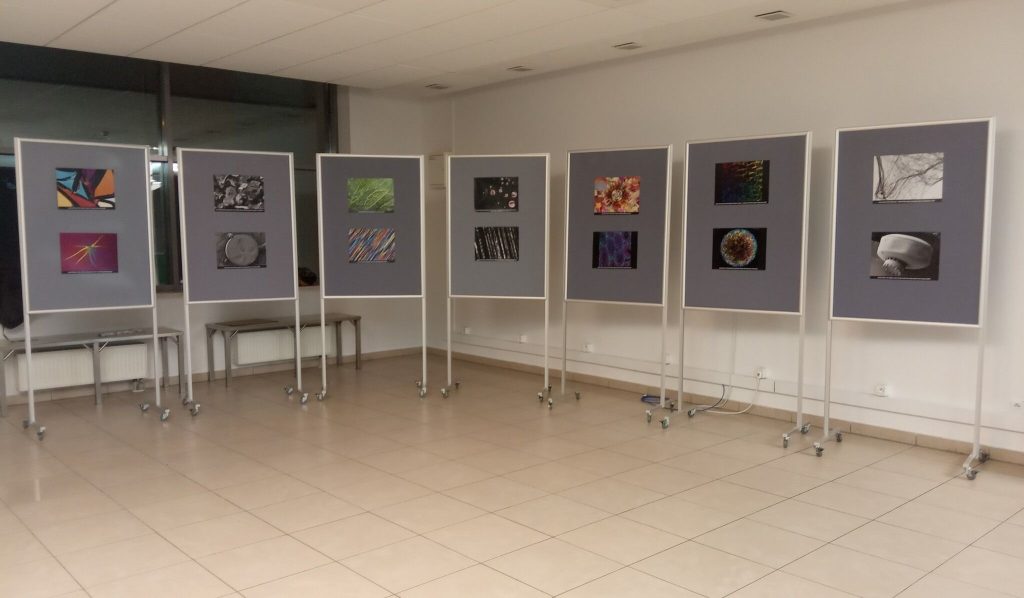
Finally, the ‘Art & Science Exhibition’ of members of Academia Europaea, Academia Iuvenum (of the WroclawTech) and YAE curated among others by Katalin Solymosi (Outgoing Chair) and Anna Dzimitrowicz (FYAE) was also inaugurated, featuring photographs in which art and sciences intersect. For more details about the exhibition see here.
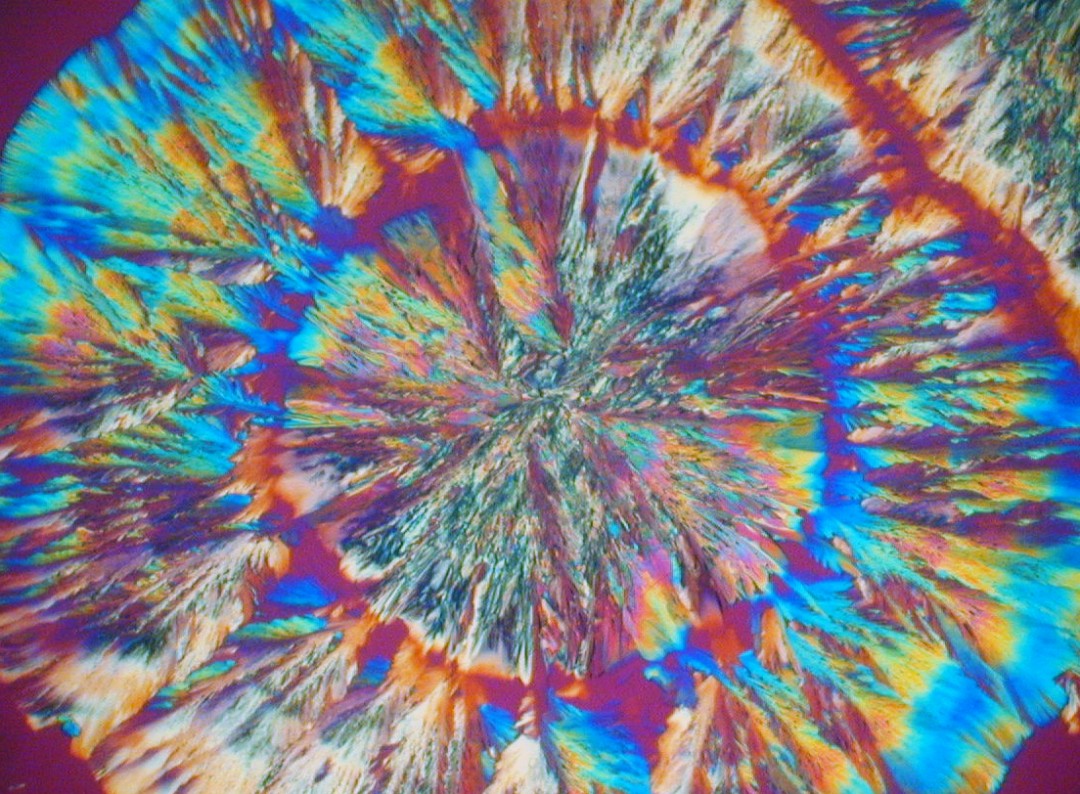
Selected microscopic images of the Art&Science exhibition at the conference venue of the Building Bridges 2024 Conference in Wroclaw
Nowadays, art and science are considered divergent realms and often portrayed as polar opposites. While science seeks to unravel the mysteries of the universe through empirical observation and logical deduction, arts explore the depths of human experience through creativity and imagination. Despite their different methodologies, both disciplines are driven by curiosity and a desire to make sense of the world. In science communication, very often, a dynamic interplay between arts and science is present, where they enrich each other in a reciprocal relationship of inspiration and innovation. Arts have the ability to simplify complex concepts, evoke emotion, inspire curiosity, and transcend cultural barriers. Thus, by harnessing the communicative potential of visual arts, researchers and educators can engage and empower lay audiences to explore and more deeply appreciate the beauty of the natural world and the complexity of science.
This arts and science exhibition aims to showcase and, at the same time, embrace the diverse Art & Science-related activities of the members of Academia Europaea, the Young Academy of Europe, and the Academia Iuvenum of the Wroclaw.Tech.
In this open call, we asked all Academia Europaea, Young Academy of Europe and Academia Iuvenum members to submit maximum three of their high-resolution Art & Science related images. Along with the submission, authors should provide the title of the image(s) and a short description of each of their works (max. 2-3 sentences, 500 characters with spaces, including the scientific ‘story’ behind the given image and the used microscopic technique) to Arts&Science2024@yacadeuro.org before the 10th of October 2024. Due to the limited exhibition space, we will not consider other types of artistic representations this time, so please do not send drawings, graphical abstracts or illustrations. Please note that the submission of the images means that the submitting author holds the necessary copyrights or authorization to publish those images and is consenting to the transfer of those rights (i.e., to the use of those images, with proper credit to the author, by the organizers of the BB2024 Conference for this exhibition).
A jury of members of the Organizing Committee of the Building Bridges 2024 Conference and of the participating academies will then select the final images to be showcased in Wroclaw based on criteria of scientific and artistic excellence and diversity. Selected images will be printed and exhibited on poster stands at the conference venue and showcased on digital screens available at the venue throughout the conference.
– Slawomir Czarnecki and Anna Dzimitrowicz (Academia Iuvenum of the Wroclaw.Tech)
For a brief summary of the event see here. The final list of exhibiting artists was the following:
Margarida Araujo (EMBL) Dominika Benkowska-Biernacka (WroclawTech) Bernardo Cesare (AE – University of Padova) Gautam Dey (YAE – EMBL) Nitzan Gonen (YAE – Bar-Ilan University) Olga Kaczmarczyk (WroclawTech) Aleksandra Królicka (AIM – WroclawTech) Katalin Solymosi (YAE – Eötvös Loránd University) Weronika Urbanska (AIM – WroclawTech) Andrzej Zak (AIM – WroclawTech)
Selected microscopic images of the Art&Science exhibition at the Building Bridges 2024 Conference in Wroclaw at the conference venue
For considerations of sustainability, only few images of the participants were printed out and displayed in poster stands at the venue, other selected images were displayed in this video on YAE’s YouTube channel for science outreach purposes. The video was added to the playlist featuring YAE’s previous Art&Science webinar series.
The first side event, titled “Engaging Researchers and Researcher Associations in Science Advice, Diplomacy, and Science for Peace” took place on November 19 from 14:00 to 15:30 CET at the Reading Room, Hungarian Academy of Sciences. The event was dedicated to discussions and a keynote lecture by Stella Reschke (Secretariat of the EU Science Diplomacy Alliance) about the involvement of young researchers and research staff organizations in science diplomacy and science advice. It featured, among others, Scott Bremer (YAE Chair) as speaker and Katalin Solymosi (Outgoing Chair) as rapporteur. The detailed programme of the event is available on this homepage of the WSF2024 and here.
The second side event co-hosted with the above organizations was titled “How to Make Academic Careers Attractive and Sustainable” and was held on 20 November, from 14:00 to 15:30 CET at the Ceremonial Hall of Pesti Vigadó. The event was moderated by Rosarii Griffin (ICoRSA), with panelists Slaven Misljencevic (Policy Officer, European Commission), Carl Vannetelbosch (Policy Officer, UNESCO), Nicola Dengo (Vice-President, Eurodoc), Katalin Solymosi (Outgoing Chair, YAE) and Gian Maria Greco (Chair of the MCAA). Moderators of the discussion included Pil Maria Saugmann (President of Eurodoc), Philippa Warren (Activities Chair, Young Academy of Europe) and Mostafa Moonir Shawrav (MCAA). Hannah Schoch (Secretary and board member, Eurodoc), Norbert Bencze (General Board Member, Eurodoc), Pavlo Bazilinskyy (Treasurer, MCAA), and Sal Music (ICORSA) were rapporteurs and moderators facilitating the discussion. One of the main take-home-messages of the event was that early to mid-career researchers would like to have their seats and their voices heard at all tables where important decisions on the future of European and global R&I are taken. The video of the event is available here, its detailed description is featured on the WSF2024 website and here.
Moderator and panelists of the Eurodoc, MCAA, ICORSA and YAEWSF2024 side event related to academic careers (on the picture from left to right): Rosarii Griffin, Gian Maria Greco, Katalin Solymosi, Nicola Dengo, Carl Vannetelbosch and Slaven Misljencevic
In the morning of November 19, Katalin Solymosi (Outgoing Chair of YAE) took part as panelist and speaker on the 16th High Level workshop of Science Europe, in a panel entitled “Reducing R&I disparities in Europe: best practices to promote the freedom and excellence of research in Europe“, where she gave some insights to the topic from early to mid-career researchers from EU13 countries. This workshop was also a side event of the WSF2024 (for details see here and here) also organized in line with the Hungarian EU Presidency. A detailed report of the event is available here.
Participants of the 16th High Level Workshop of Science Europe on the European Research Area
Moderator and panelists of the World Science Forum side event dedicated to rethinking research assessment (on the picture from left to right): Tung Tung Chan, Natalia Manola, Katalin Solymosi, Pil Maria Saugmann, Erzsébet Tóth-Czifra and Andrea Balla.
Participants of the side events took part in other panels of the Forum, and the four collaborating organizations (Eurodoc, ICoRSA, MCAA and YAE) also contributed to the drafting of the declaration of the WSF2024. It was our proposition to add a sentence to the final declaration about the importance of involving early-career researchers in science policy.
On the 18th of November, the Association of Hungarian PhD and DLA Students (DOSZ) marked its 30-year anniversary with an international conference on ‘Academic Competitiveness: The Future of European Higher Education, Research and Development’, held in the beautiful buildings of the Ludovika University of Public Service in Budapest. YAE’s Chair, Scott Bremer and Outgoing Chair, Katalin Solymosi were both invited to attend to take part in panels and lead group discussions, alongside members from partner organisations, such as the Marie Curie Alumni Association and Eurodoc.
The timing and the topic were poignant, at a moment when European science is pivoting toward a focus on competitiveness, and as science-policy stakeholders gathered in Budapest ahead of the World Science Forum. The conference opened with a set of engaging keynote talks from politicians and scientists on topics of techno-scientific innovation, which set the tone for the days discussion.
What distinguished this conference was how it sought to elevate the views of early-career researchers on Europe’s vision; what parts young scientists see that they play in this future. The conference was organised around taking up the different facets of these roles, on topics such as mental health (led by Scott Bremer), research diaspora, PhD quality assurance, or the organisation of research grants. The conference finished with a panel discussion including Katalin Solymosi, titled: ‘Early-Career Researchers as the Drivers of Change in the European Higher Education’.
Conferences such as this one are important meeting points for European science-policy stakeholders to meet, and it is laudable that this conference centred and elevate the early career perspective; something the YAE was excited to take part in.
At the AGM we elected a new 12-person board, and in mid-September the board had its first meeting, where members took on different roles. Below you can find the board and their role (and in brackets their research domain):
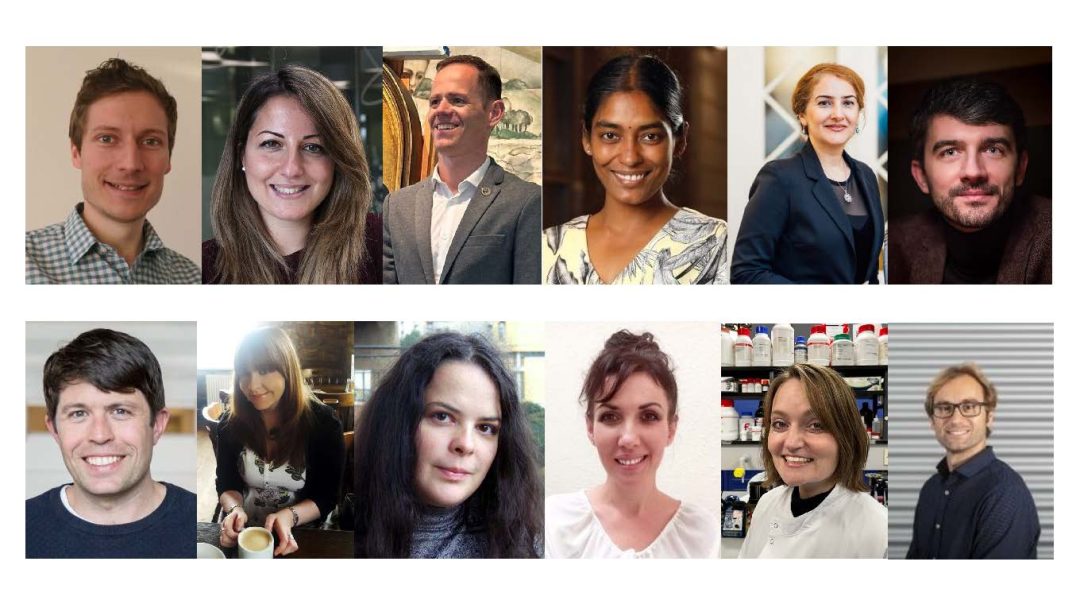
Chair: Scott Bremer (SH) Vice-Chair: Anna Kuppuswamy (LS) Outgoing Chair: Katalin Solymosi (LS) Secretary: Marc Yeste (LS) Treasurer: Wolfgang Tress (PE) Selection Committee Chair: Emma Gordon (SH) Selection Committee Vice-chair (PE): Nicoletta Liguori (PE) Selection Committee Vice-chair (LS): Zohreh Hosseinzadeh (LS) Communication Chair: Mona Simion (SH) Communication Vice-chair: Borja Franco Llopis (SH) Recruitment Chair: Emilian Mihailov (SH) Activity Chair: Philippa Warren (LS)
Please feel free to reach out to our board members if you have any questions or input, whether its an idea for an activity/event, or something you think we should communicate to our members. Either contact us directly, or collectively at board@yacadeuro.org.
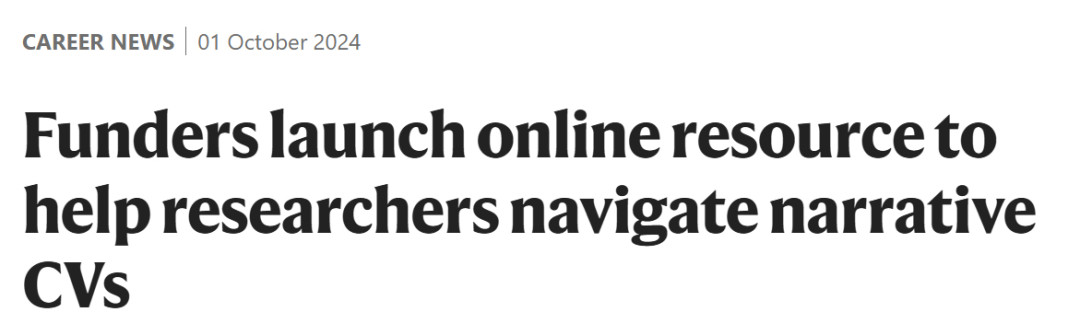
During summer, Katalin Solymosi (YAE Chair) was interviewed for an article by Nature about the open peer-exchange platform for writing narrative-style CVs launched by six funding agencies, the Marie Curie Alumni Association and the YAE on 15 March 2024. For more details about the platform and how to join it as mentor or mentee see here. Possibility to get credit for mentoring activity is now available at ORCID.
The 13th Annual General Meeting (AGM) of the Young Academy of Europe (YAE) was held between 26-27 August 2024, in Strasbourg. The detailed programme of the event is available here. The event was hosted by Selection Committee Chair, Artur Ciesielski at I.S.I.S.
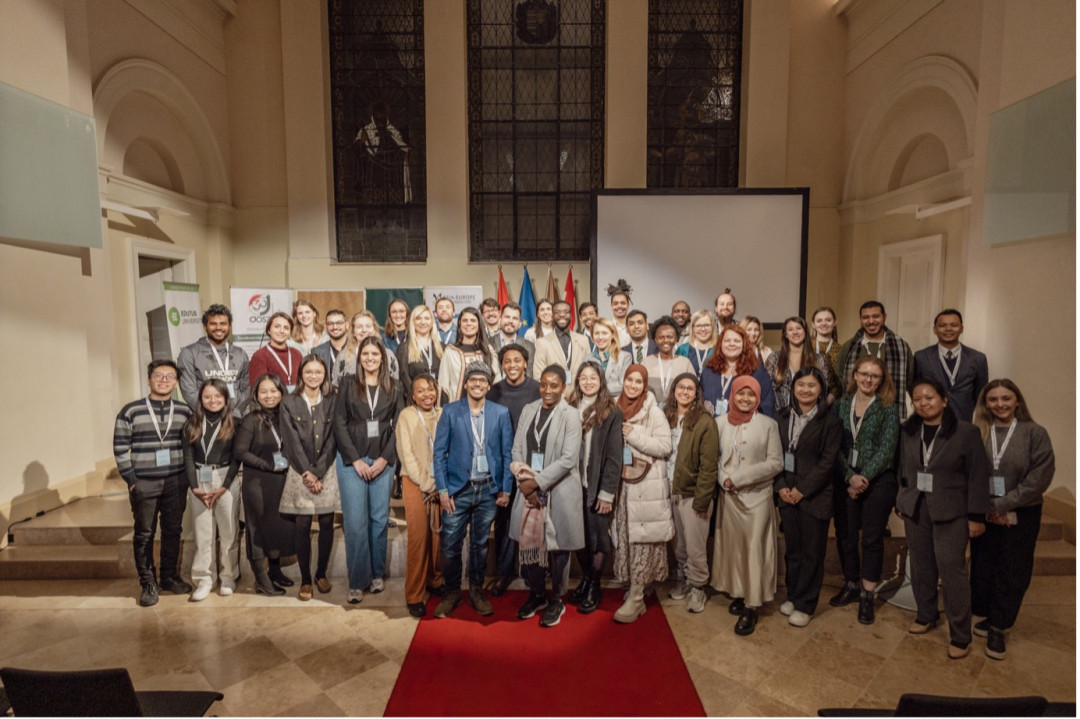
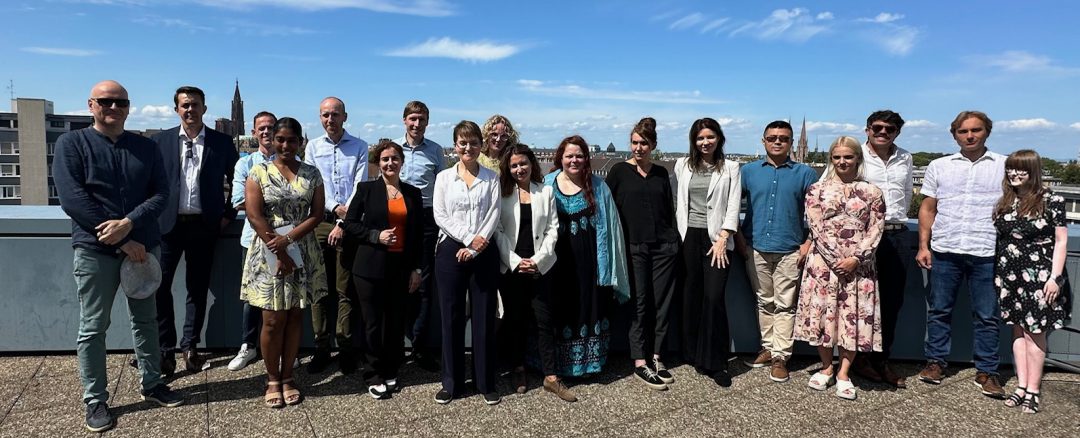
Participants of the 2024 AGM of YAE in Strasbourg
On the first day of the event, Katalin Solymosi as YAE Chair summarized YAE’s activities since the previous AGM, whilst Linn Leppert as YAE Treasurer provided the financial report for the previous year. These were followed by a talk given by the president of Academia Europaea, Prof. Marja Makarow who presented the activities and the future strategy of the organization. Then Katalin Solymosi welcomed the new YAE members elected since the last AGM and handed them over the membership certificates prepared by Philippa Warren (Membership Chair).
After a coffee break, Marc Yeste (Secretary) moderated the elections: a new Chair (only candidate, Scott Bremer), a new Vice-Chair (only candidate, Anna Kuppuswamy) and 6 newly elected Board members (out of 12 candidates) had to be elected. The composition of the new Board is available here. The AGM also voted on changes in the bylaws proposed by the Board. The votes were followed by a section dedicated to Art&Science with Eamon O’Kane as speaker, and then the voting results were announced.
On the second day of the AGM, participants first listened to research talks by selected new members. A discussion in two sessions followed about YAE’s communication strategy and science-policy related work, moderated by Katalin Solymosi.
In the afternoon of the second day, Artur Ciesielski led and moderated an emphatetic leadership workshop for the participants.
The June-July edition of the YAE Newsletter has been just released – featuring many news items, including links to the YouTube videos of our mental health webinar series, our 4th ERC StG Mentoring Event, as well as adverts of upcoming events such as our AGM in Strasbourg (with call for Board member nominations), the Building Bridges 2024 Conference in Wroclaw with a related Arts&Science Exhibition, and some other activities for autumn, including the Hamburg Science Summit. Also, we published the first podcast of the YAE – an interview with Dr Gergely Toldi, the 2022 awardee of the André Mischke YAE Prize for Science and Policy. The June-July Newsletter was written by Scott Bremer (YAE Vice-Chair) and Katalin Solymosi (YAE Chair) with input from the Board.
If you would like to be featured in our Newsletter, please contact us at communications@yacadeuro.org. If you would like to receive our newsletters, please subscribe. You can unsubscribe from these emails at any time by contacting us at office@yacadeuro.org. For more information on how we process and secure your data, please view our Privacy Policy.