Mohammadi

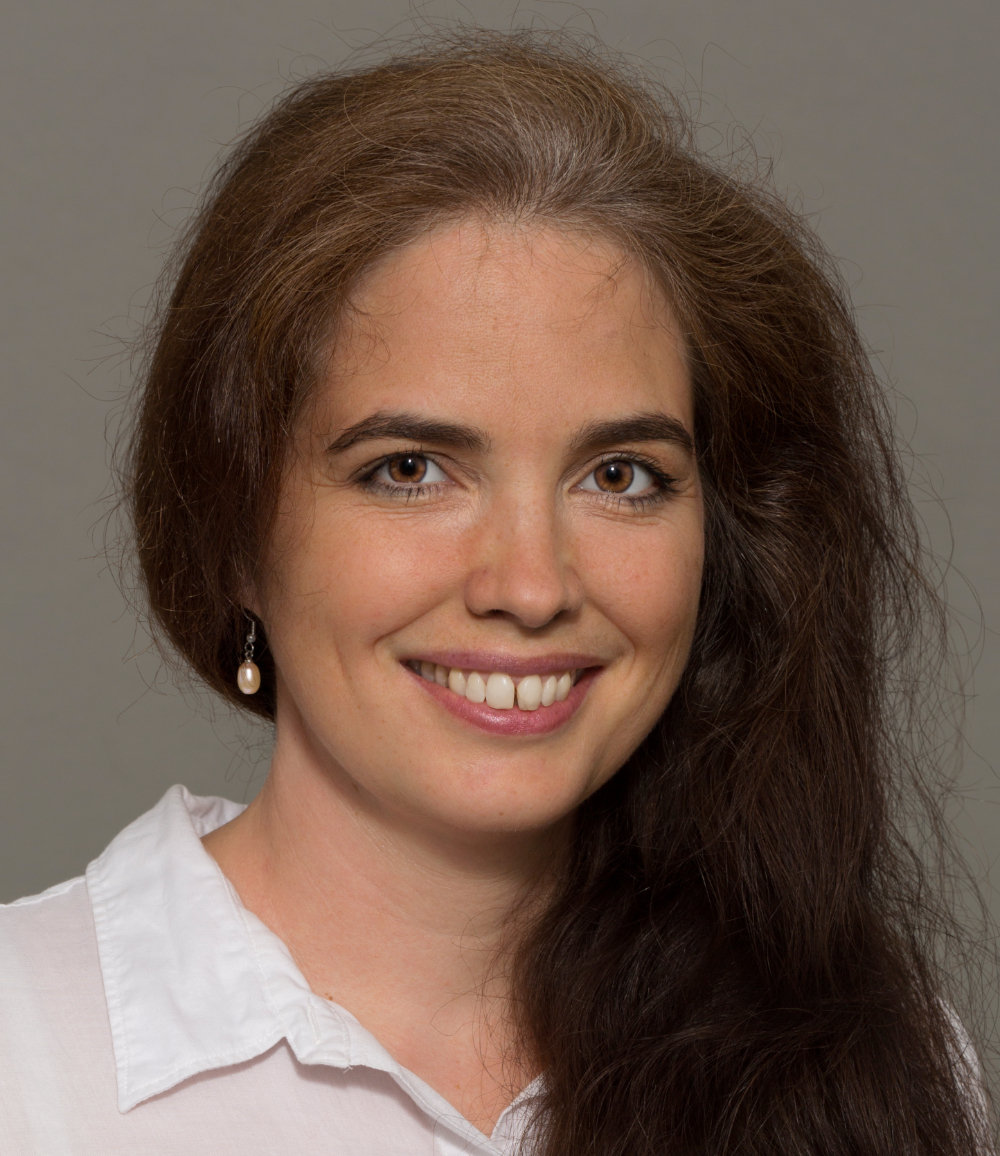
Saiwoosh Mohammadi
Affiliation: Department of Systems Neuroscience, Medical Center Hamburg-Eppendorf, DE

Keywords: Neuroimaging, Quantitative Magnetic Resonance Imaging, Diffusion MRI, Biophysical Modelling, Artifact Correction, in vivo histology

Webpage

ID_symbol_B-W_128x1280000-0003-1311-9636

Full profile:

Siawoosh Mohammadi obtained his PhD in Münster, Germany, with a study on optimizing diffusion MRI in a clinical setting (2009). He works since 2014 at the Department of Systems Neuroscience, Medical Center Hamburg-Eppendorf, and was promoted to a Principal Investigator in 2017. He has published over 50 papers (cited ~1400 times, H-index 22, source: Google Scholar), supervised Masters and PhD theses, was reviewer for several journals (incl. Brain, Neuroimage, and MRM) and science organizations. He received more than 2mEUR funding from science organizations and companies, organized several Workshop (e.g. 2012-2014, SPM for Physicists, London; ACID workshop, Magdeburg, 2013) and was faculty member on many Symposia/Lectures (e.g. ESMRMB lecture “Quantitative MRI for characterizing brain tissue microstructure”, 2016). He was author of several book-chapters (incl. the 2nd edition of Quantitative MRI of the Brain by Cercignani, Nowell, and Tofts), and Reviewing Editor in Frontiers in Psychiatry and Frontiers in Neuroscience. He received the 2013 Annual Early Career UCL Investigator Award in Neuroimaging Techniques, and is the creator of the ACID-SPM toolbox for diffusion MRI with growing user base and annual workshops (about 25 attendees per year).

My research

He works in the field of quantitative MRI (qMRI) and biophysical modelling of the MRI signal in neuroimaging. He and his group are developing novel methods for fusion of high-resolution qMRI to enable MRI-based in vivo histology (hMRI) in the brain and spinal cord. The main focus is to develop valid MRI metrics that characterize key white matter microstructure properties as known from ex vivo histology (e.g. myelin density, fiber density, and the g-ratio, i.e. the ratio between inner and outer fiber diameter). To this end, he combines qMRI techniques with advanced image processing methods. Many of the resulting processing methods have found their way into the freely available open-source ACID-SPM toolbox, making them easily accessible to the broader neuroimaging community.

Hoogenboom

Richard Hoogenboom
Affiliation: Ghent University, BE

Keywords: Polymers, supramolecular chemistry, self-assembly, responsive and smart materials, biomaterials, organic chemistry, polymer chemistry, poly(2-oxazoline)s

Webpage

ID_symbol_B-W_128x1280000-0001-7398-2058

Full profile:

My research is inspired by the beauty of natural self-assembly processes and aims to develop well-defined synthetic structures with controlled ordering and/or self-assembly resulting in functional materials. The combination of well-defined ‘smart’ polymer structures with supramolecular interactions provides an ideal platform to develop functional systems that we have applied for developing, e.g., sensors and diagnostics, drug delivery systems, responsive hydrogels, tissue adhesives, pharmaceutical excipients and self-healing materials. The unique approach in my research is that I always start from molecular design to develop molecules and polymers tailored to the application. As such, the projects in my groups start with organic synthesis of molecular building blocks, via detailed (kinetic) studies on polymer synthesis, all the way up to materials and properties.

Kubinyi


Affiliation: Eötvös Loránd University, HU

Keywords: animal behaviour, behaviour genetics, animal personality, comparative cognition, canine tissue and brain bank, ageing, dog and wolf behaviour

Webpage

ID_symbol_B-W_128x128 0000-0002-4468-9845

Full profile:

Enikő Kubinyi received her PhD from the Eötvös Loránd University in Ethology (Animal Behaviour) in 2004 for her work on interspecific social learning in dogs. Since 2015 she is a faculty member at the Department of Ethology, Eötvös Loránd University, where she leads the Senior Family Dog Project. She has published 40 peer-reviewed papers (cited >2500 times, H-index = 25). Her scientific activity has been funded by science organizations and companies and acknowledged by scholarship boards and award committees (e.g. APA Frank A. Beach Comparative Psychology Award, 2003; Junior Prima Award in Science, 2009; Bolyai János Scholarship, 2010, 2016). She currently holds an ERC Starting Grant. She is a reviewer for many international journals and science organizations, and has a wide international collaboration. She has graduated one PhD student and is currently supervisor for eight PhD students/postdocs and seven undergraduate students. She has served as an an opponent or member of PhD Committee for 13 PhD theses. She is an active science communicator (with a degree in Video communication and Biology teaching) mostly at national level, but she is also the main organiser of an annual seminar about canine research for the public, broadcasted live online in English (more than 40 000 viewers in 2016). She is a member of the Young Academy of Europe since 2017.

Research interests

Her research covers social behaviour and cognition in dogs and wolves, ethorobotics, personality, and gene-behaviour associations. Currently her research group focuses on cognitive aging in dogs using an interdisciplinary approach with behavioural, neuroscientific and genetic testing methods, and develops a canine tissue and brain bank.

Janáky


Affiliation: University of Szeged / Hungarian Academy of Sciences, HU

Keywords: photoelectrochemistry, solar fuels, CO2 conversion, renewable energy, materials science

Webpage

ID_symbol_B-W_128x128 0000-0001-5965-5173

Full profile:

Dr. Csaba Janáky is an assistant professor at Department of Physical Chemistry and Materials Science, University of Szeged, Hungary. He is the principal investigator of the MTA-SZTE „Momentum” Photoelectrochemistry Research Group, supported by the Hungarian Academy of Sciences and the European Research Council (ERC-Starting Grant). He is an emerging expert of materials science oriented electrochemistry and photoelectrochemistry. He has developed new electrode materials for energy applications, such as CO2 reduction, water oxidation, O2-reduction, and H2 evolution. His interest is focused on the rational design of these electrodes, after establishing structure/property relationships. In the past five years, he published over 50 articles in peer-reviewed journals including four review-, two perspective, and one viewpoint article, with an overall impact factor of 260. His current research group has 2 permanent members, 2 postdocs, 5 PhD students, and 6 undergraduate students. He will join the Editorial Advisory Board of ACS Energy Letters (a premier scientific journal of energy research) from 2018.

Osuna

Affiliation: Institut de Química Computacional i Catàlisi, ES
Keywords: Computational enzyme design, Molecular Dynamics, Enzyme catalysis, Fullerene chemistry, DFT

Webpage

ID_symbol_B-W_128x1280000-0003-3657-6469

Full profile:

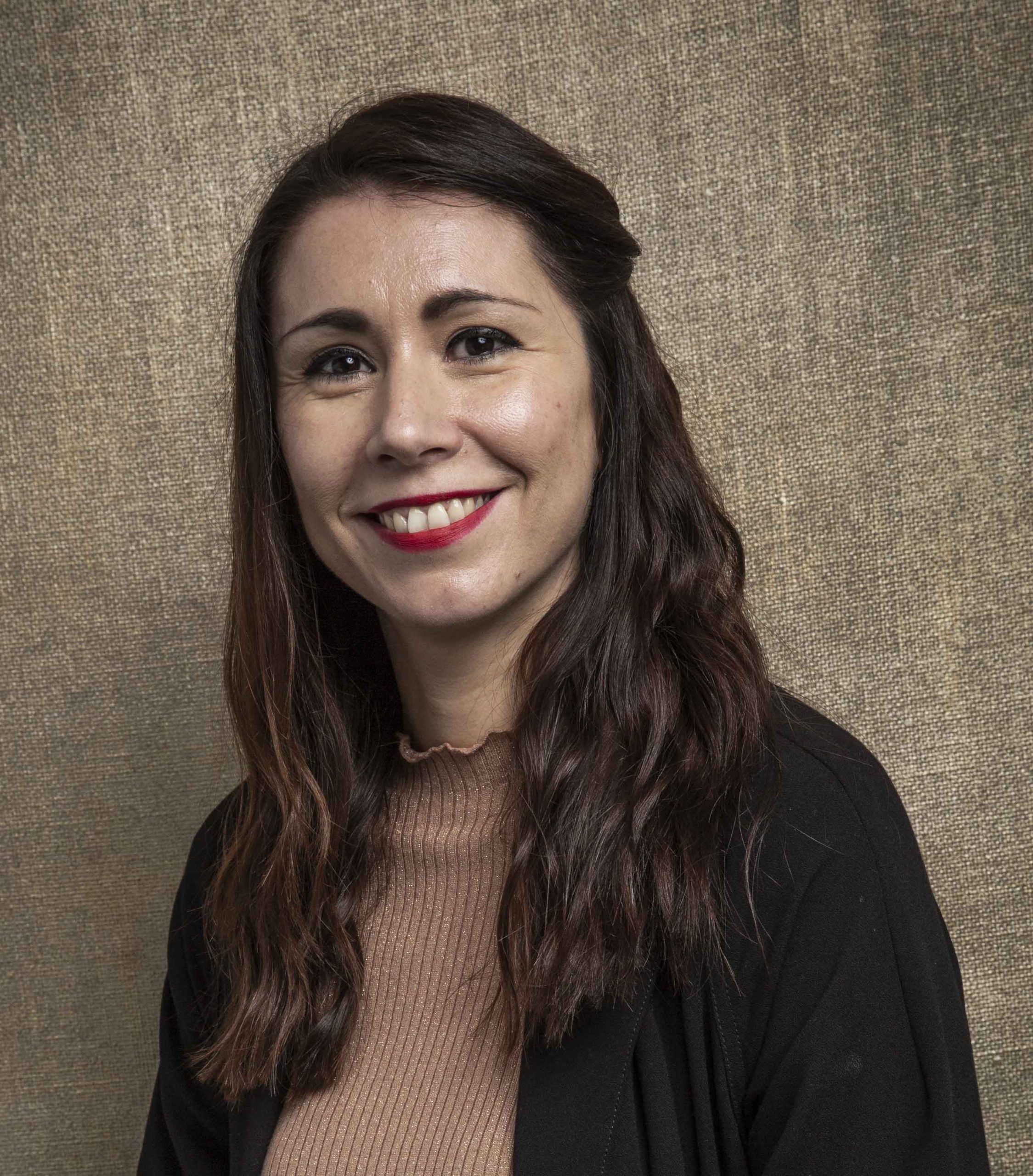
Sílvia Osuna received her PhD in 2010 from the University of Girona (UdG) at the Institut de Química Computacional (IQC) under the supervision of Prof. Miquel Solà and Prof. Marcel Swart. She worked in the computational study of the chemical reactivity of carbon-based compounds, such as (metallo)fullerenes and carbon nanotubes. In October 2010 she moved to the group of Prof. Houk at the University of California, Los Angeles (UCLA) thanks to the IOF Marie Curie fellowship (2010-2012 UCLA, 2012-2013 UdG). Since then, Dr. Osuna has worked in computational design of enzymes of medical and pharmaceutical interest. In December 2013, she rejoined the Institute of Computational Chemistry and Catalysis (IQCC) at the University of Girona with a postdoctoral Juan de la Cierva grant. Since January 2016, she is a Ramon y Cajal researcher at the same institution, and has started the CompBioLab group (https://silviaosuna.wordpress.com) thanks to her European projects: Career Integration Grant (DIREVENZYME, 2013-CIG-630978), as well as a European Research Council project – Starting Grant (ERC-2015-STG-679001, NetMoDEzyme). Sílvia has a total of 56 research publications, and 2 book chapters. Her publications accumulate more than 1160 citations (ISI, July 2017), providing an H index of 22. She has been recently awarded the Young Researcher award by the Royal Spanish Society of Chemistry (RSEQ 20116), and the Research award by the Fundación Princesa de Girona (FPdGi 2016- Science category).

Research interests:

Her research is focused on the study of biochemical processes related to enzyme catalysis, and the development of a computational protocol for the design of new enzymes of pharmaceutical interest. In addition to that, she also explores the chemical reactivity and properties of fullerenes, and carbon-related materials from a computational perspective.

Iaffaldano

Giampiero Iaffaldano
Affiliation: University of Copenhagen, DK

Keywords: Earth sciences, Geophysics, Observational geodynamics

Webpage

ID_symbol_B-W_128x1280000-0003-1750-1576

Full profile:

I obtained a MSc in physics (2003) from the University of Rome ‘La Sapienza’ and a PhD in geophysics (2007) from the Ludwig-Maximilians University of Munich. After two years at Harvard University and five years at the Australian National University, in 2015 I have been appointed Associate Professor of Solid Earth Geophysics at the University of Copenhagen.

Research Interest

My research interests are in observational geodynamics. I constrain forward and inverse quantitative models of the coupled tectonic plates/viscous mantle system with geological/geophysical observations, to advance our understanding of the spatial/temporal patterns of key forces controlling the dynamics over geological time-scales.

Sparr

Christof SparrAffiliation: University of Basel, CH

Keywords: Organic Chemistry, Synthesis, Catalysis, Chirality

Webpage

ID_symbol_B-W_128x1280000-0002-4213-0941

Full profile:

Christof Sparr was born and raised in Appenzell (Switzerland). After working at F. Hoffmann-La Roche AG (Basel), he studied at the Zürcher Hochschule Winterthur and subsequently the ETH Zürich, where he earned a Masters degree in 2008. He then joined the group of Prof. Ryan Gilmour to work on fluorine conformational effects and was awarded his PhD in 2011. After postdoctoral work in the groups of Prof. Dieter Seebach (ETH Zürich) and subsequently Prof. Steven V. Ley in Cambridge, UK, he became a habilitand mentored by Prof. Karl Gademann and was given the opportunity to start his independent research. Since 2016, he works as Assistant Professor at the University of Basel. He is recipient of the ETH silver medal, an SNSF starting grant and the Werner Prize 2017.

Research in the Sparr group centers on the design of conceptually new synthetic methods and the creation unique molecular structure. Inspired by different aspects of selectivity, reaction regulation and valorization of abundant resources, streamlined procedures applicable in both, discovery chemistry and process development are developed. The Sparr group is actively engaged in investigating novel approaches for catalyst-stereocontrolled transformations and the preparation and utilization of bifunctional organomagnesium reagents with a focus on arene-formation and the synthesis of heterocyclic compounds.

Glatt

Sebastian Glatt
Affiliation: Max Planck Research Group hosted by the MCB of the Jagiellonian University Krakow, PL

Keywords: Protein synthesis, tRNA modification, Structural biology, Crystallography, Electron microscopy, Protein/RNA Biochemistry, Neurodegenerative diseases

Webpage

ID_symbol_B-W_128x1280000-0003-2815-7133

Full profile:

Sebastian Glatt, born in Vienna (AT), studied “Genetics and Microbiology” at the University of Vienna. During his PhD thesis at the pharmaceutical industry, he identified and characterized G-protein coupled receptors which are specifically up-regulated in certain cancer types. In 2008, he was awarded an interdisciplinary postdoc fellowship, which allowed him to join the Structural and Computational unit at EMBL Heidelberg. During this time, he transformed from a pure cell biologist into a structural biologist and protein biochemist. In addition to his own research projects as a postdoc and later staff scientist, he held several central positions of responsibility, which included chairing the EMBL postdoc association for 3 years (2009-2011), mentoring PhD and Master students, heading the high-throughput crystallization facility (2011-2015), and organizing courses and conferences. Since September 2015 he leads his own independent Max Planck Research Group hosted by the Malopolska Centre of Biotechnology of the Jagiellonian University in Krakow, Poland. He established and maintains very fruitful scientific collaborations with labs in Poland, Germany, France, and Australia. He has published a number of research papers in highly prestigious scientific journals, including Nature, Cell and Nature Structural Molecular Biology. Most recently, he and his team received several prestigious grants, including the EMBO Installation Grant, the First Team and Homing grants from Foundation for Polish Science (FNP), and the Opus and Polonez grants from National Science Center (NCN). He is not only leading a research team of ~20 young scientists, but he is also a member of the MCB management board, organizer of various MCB seminar series, and coordinator of the MCB core facilities.

Research interests

His career and scientific vision are clearly dominated by interdisciplinary and collaborative research projects, which are driven by his curiosity for a deeper mechanistic understanding of fundamental biological processes. In detail, his group is interested in the detailed structural and functional characterization of tRNA modification enzymes and other macromolecular complexes involved in the control of protein synthesis. These cellular mechanisms are not only highly conserved, vaguely characterized and extremely complex, but are also of high clinical relevance and importance. In detail, alterations of these modifications cascades lead to the onset of various neurodegenerative diseases, cancer and intellectual disabilities. The main experimental techniques include molecular biology, protein/RNA biochemistry, x-ray crystallography, electron microscopy and cell biology.

Modinos


Affiliation: Institute of Psychiatry, Psychology & Neuroscience, King’s College London, UK

Keywords: Schizophrenia, Psychosis, Neuroimaging, Neuroscience

Webpage

ID_symbol_B-W_128x1280000-0002-7870-066X

Full profile:

I completed a BSc in Psychology followed by an MSc in Applied Neurosciences in Barcelona (Spain). I then moved to the University of Groningen (Netherlands) where I completed a PhD in Neuroscience (Cum Laude). As a post-doc, I moved to the Institute of Psychiatry, Psychology & Neuroscience (IoPPN) at King’s College London (UK), to extend my research on the neurobiology of psychotic symptoms into the early stages of psychosis. In 2013 I obtained a NARSAD Young Investigator Grant which enabled me to expand my work on social neuroscience in early psychosis using multimodal imaging (examining brain function, structure and neurochemistry). In February 2016 I received a King’s Prize Fellowship, which was followed shortly after by a Wellcome Trust & Royal Society Sir Henry Dale Fellowship that started in March 2017. At the IoPPN, I am also Reader in Neuroscience & Mental Health, leading the Biological Psychiatry Module of the MSc Psychiatric Research and lecturing across other MSc programmes.

My lab is currently based at the Department of Psychosis Studies at the IoPPN, and I am also Visiting Scholar at the Department of Neuroscience of the University of Pittsburgh (USA). A main current research focus in the lab is the combination of translational state-of-the-art animal and human neuroimaging methods to understand the role that emotion-related brain systems may play in the development of psychotic disorders such as schizophrenia, towards the discovery of new molecular targets for disease prevention.

Camprubí

Lino Camprubi
Affiliation: Max-Planck-Gesellschaft, DE

Keywords: History of science and technology, philosophy, engineering, oceanography, history of Spain, Mediterranean, Cold War, postcolonialism, global environment.

Webpage

ID_symbol_B-W_128x128 0000-0001-6848-9090

Full profile:

Lino Camprubí is since 2014 a Research Scholar at the Max Planck Institute for the History of Science, Dept. II. He obtained his PhD in History at UCLA in 2011 and then became a Postdoctoral Research Fellow at the UAB (Barcelona) as part of the ERC-funded project The Earth Under Surveillance. His first book, Engineers and the Making of the Francoist Regime (The MIT Press, 2014) explores the active role of engineers in dictatorship building Spain. His second book, Los ingenieros de Franco. Ciencia, catolicismo y Guerra Fría (Crítica, 2017) extends this view to the role of geoscientists in shaping Spanish international relationships in the Cold War contest. He has recently published on “the invention of the global environment”, on Western Sahara phosphates and the fertilizers world market, and on oceanic circulation and anti-submarine surveillance at the Strait of Gibraltar, which constitutes the core of his current project.

Research interests:

Camprubí’s current main project The Strait in the Cold War—Deep Science and Global Geopolitics in the Mediterranean, is a history of oceanography and Cold War geopolitics. It explores the geopolitical, perceptual, and scientific resources mobilized in the effort of anti-submarine warfare at Gibraltar. Far from offering a US-centered perspective, it analyzes a number of transnational research programs and is very attentive to interests predating the Cold War, namely sovereignty disputes and decolonization. Underwater surveillance was a matter of acoustics. It required both the standardization of experience through trained ears and precise knowledge of sound propagation, which depended on Atlantic-Mediterranean water flows. The attention to circulation of civil and military oceanographers paved the way for the scientific globalization of the Mediterranean.